|
|
|
|
|
|
|
|
|
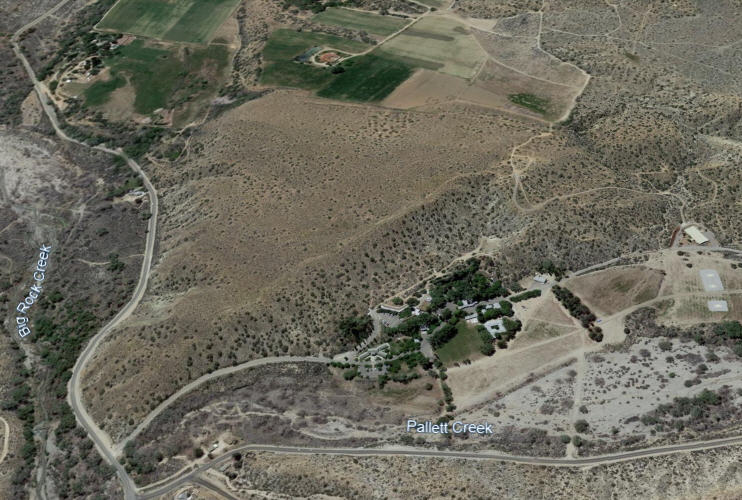
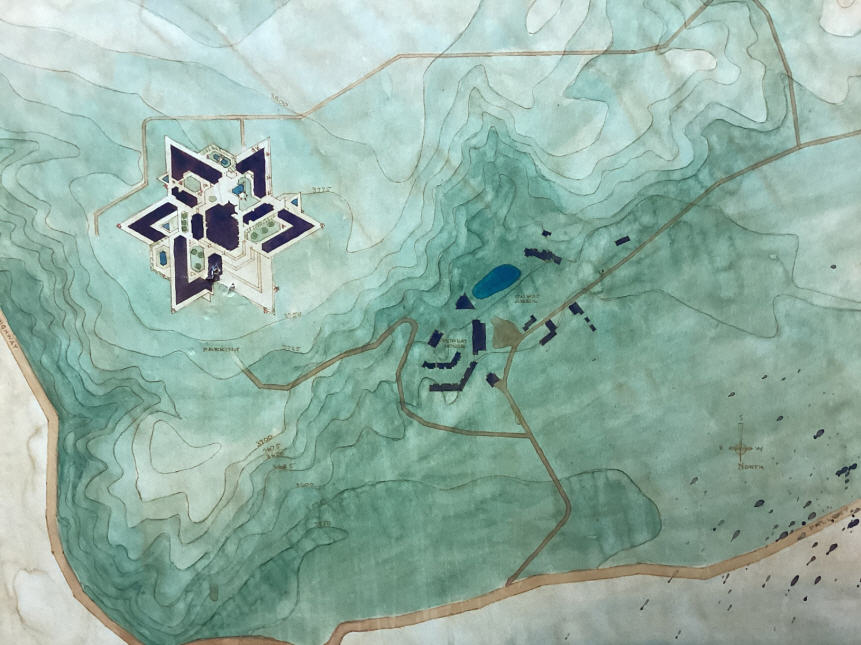
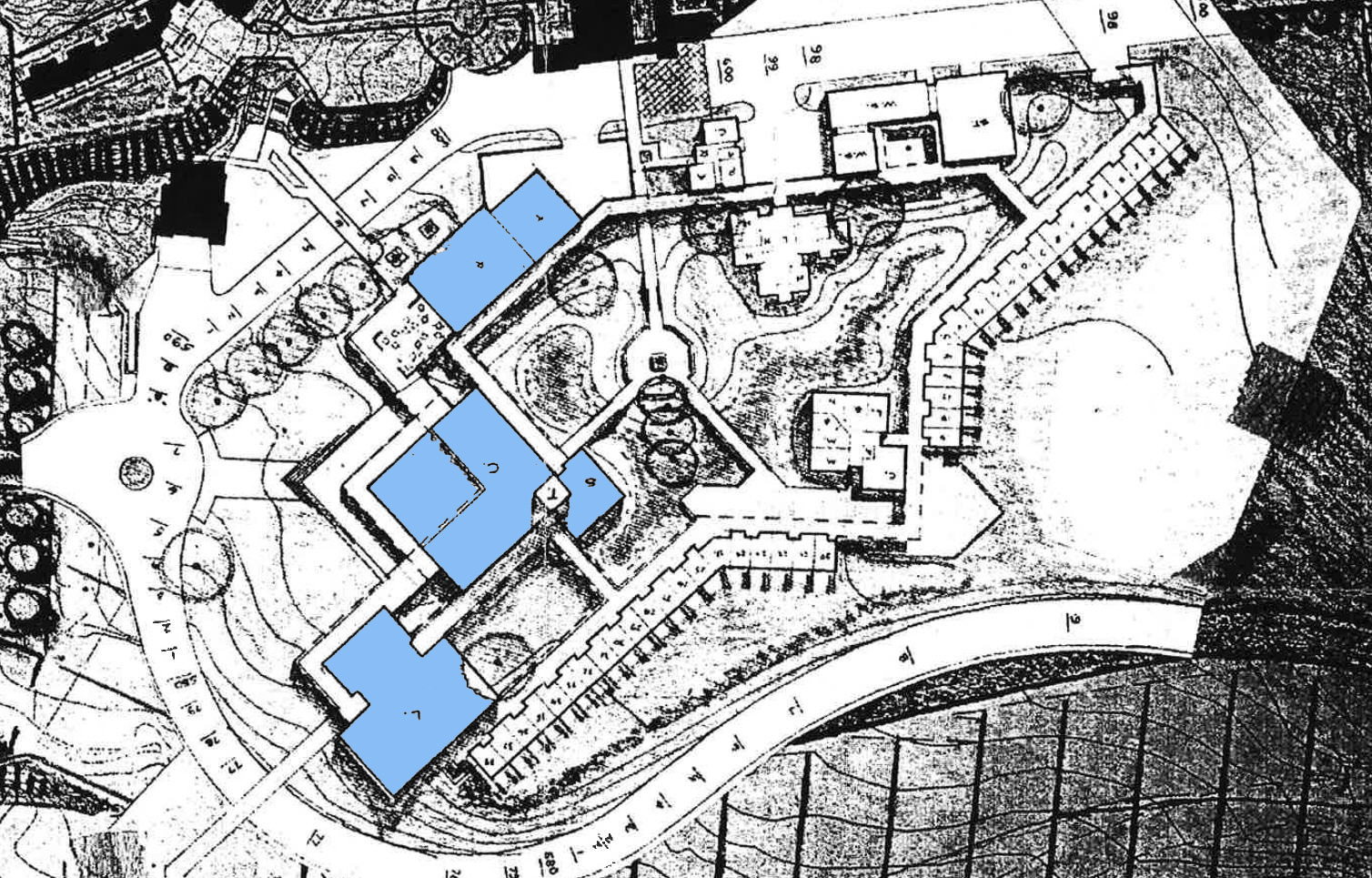
THE PLATEAU ABOVE the PRESENT ST.ANDREW'S ABBEY BUILDINGS |
1957:
JAMES
BURKE,
ARCHITECT
|
|
|
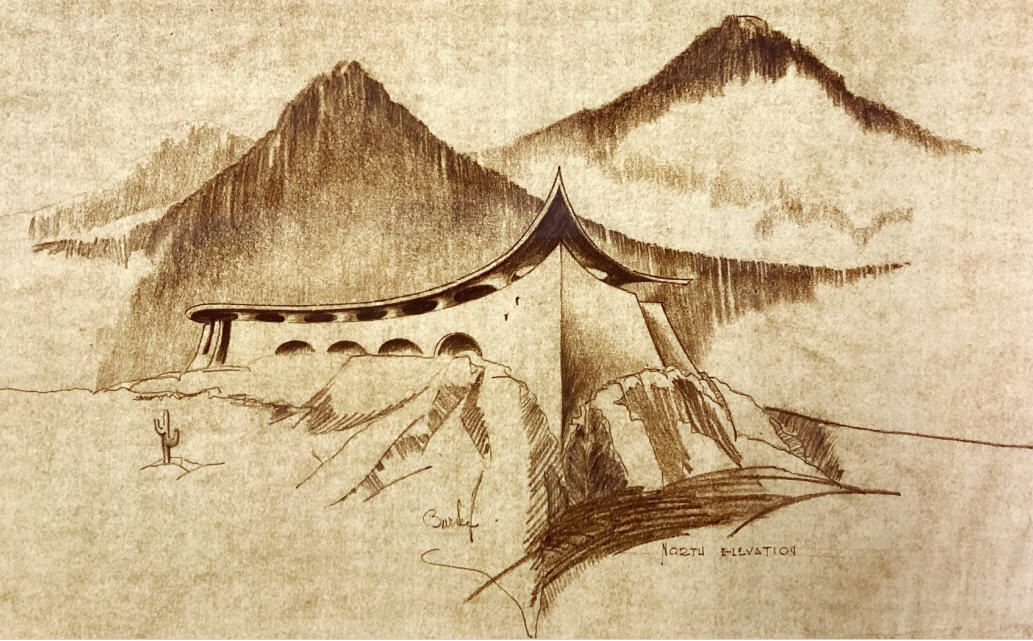
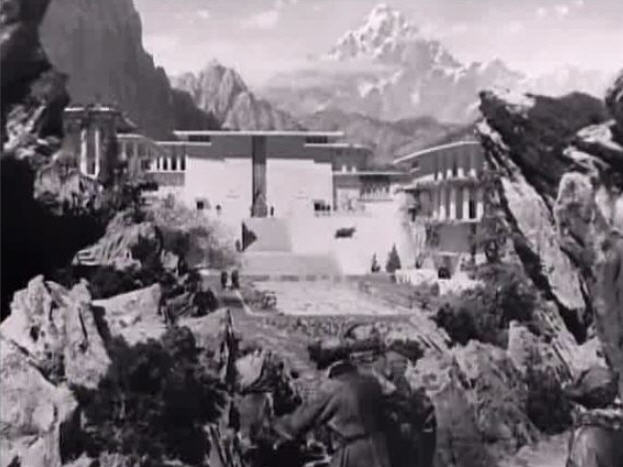
ON PLATEAU from BELOW (North Elevation) (see Shangri-La) |
|
|
|
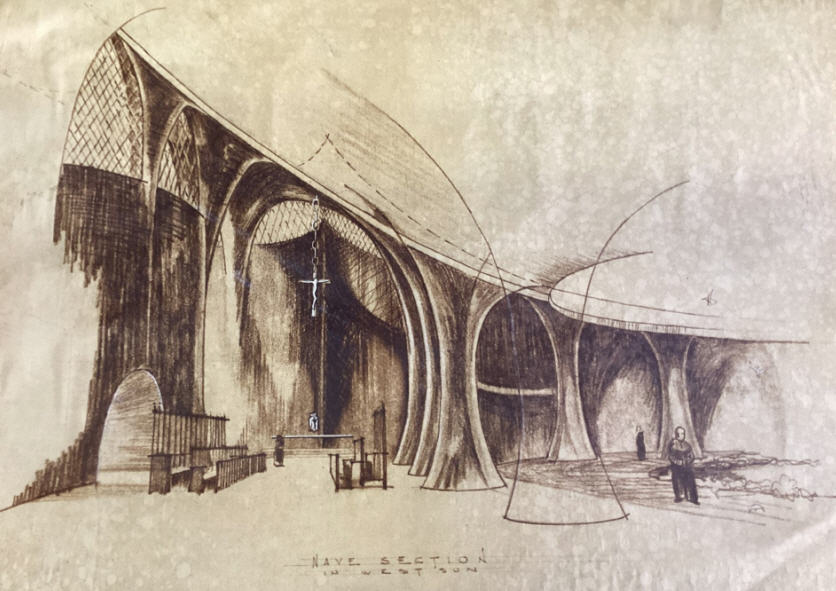
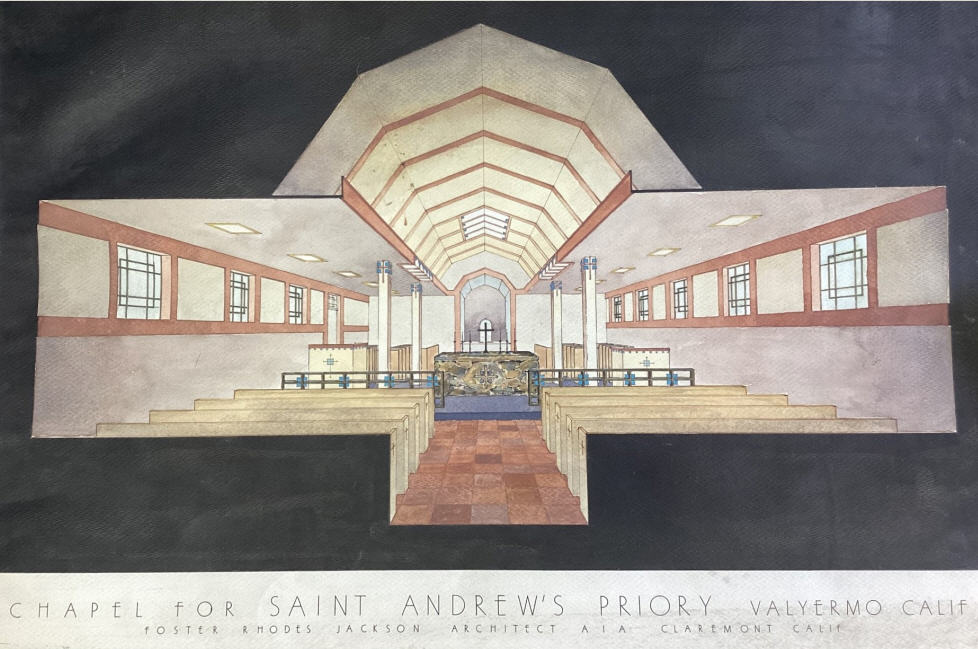
NAVE SECTION (INTERIOR) |
1957-61:
FOSTER
RHODES
JACKSON,
ARCHITECT
|
|
|
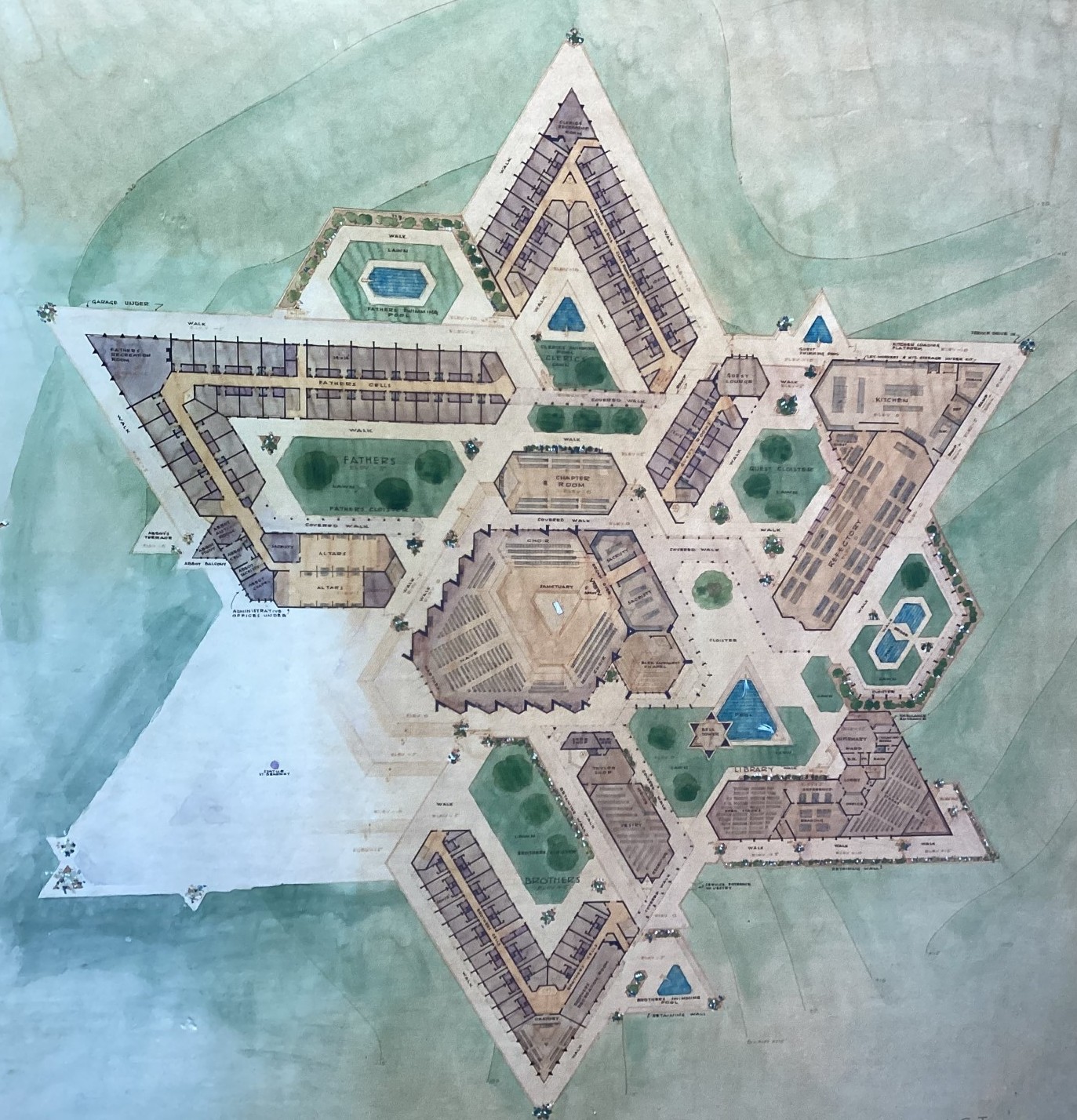
CLOISTER on PLATEAU with ORIGINAL (Current) GUESTHOUSE BELOW |
|
|
|
CLOISTER and NEW GUESTHOUSE on PLATEAU |
|
|
|
SMALL CHAPEL INTERIOR DESIGN |
1965-1967: LOUIS
KAHN,
ARCHITECT
|
|
|
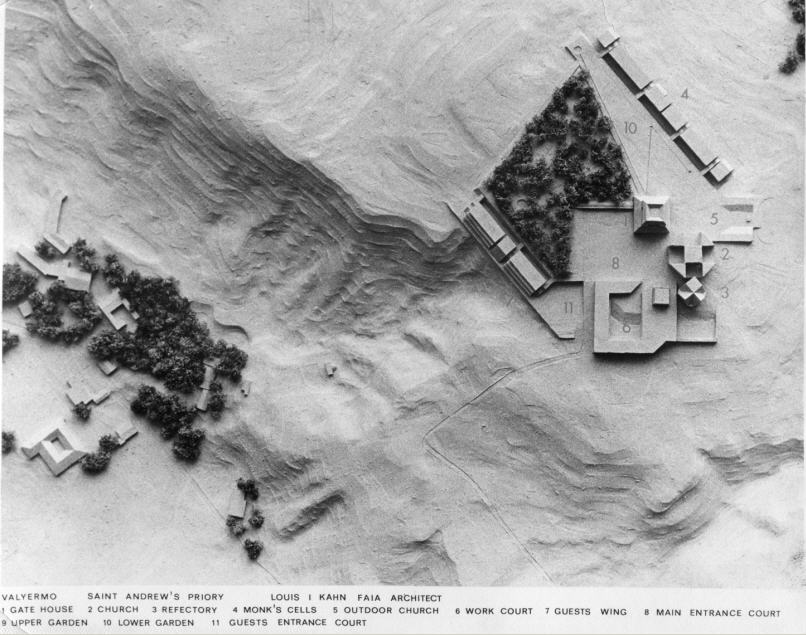
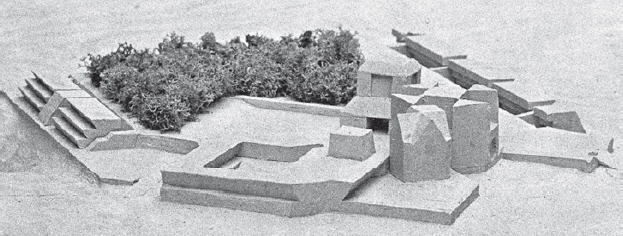
MODEL: CLOISTER on PLATEAU with ORIGINAL (Current) GUESTHOUSE BELOW |
|
|
|
MODEL: CLOISTER and NEW GUESTHOUSE on PLATEAU |
|
|
|
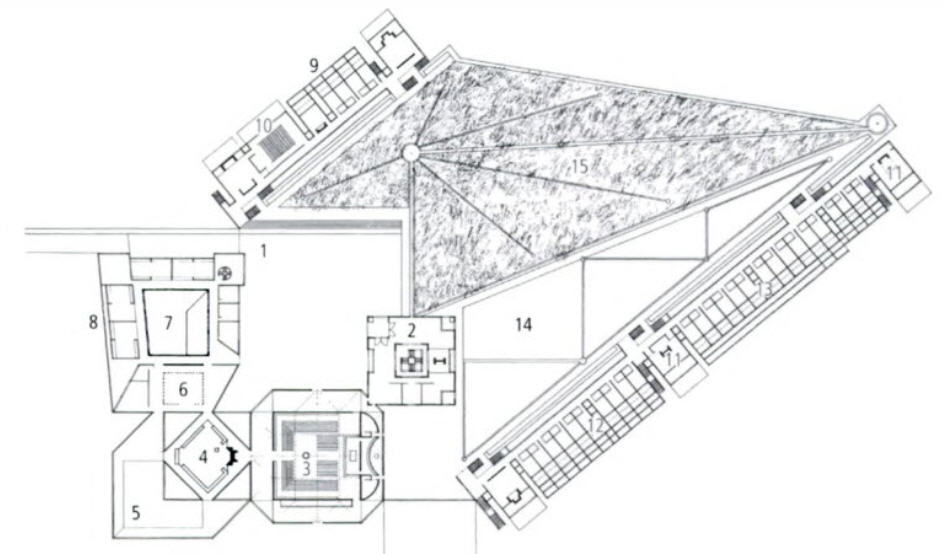
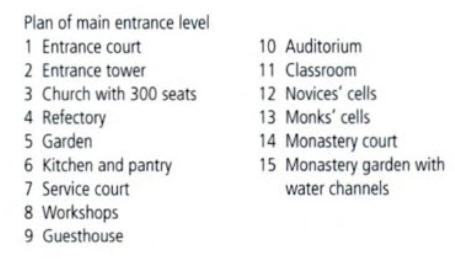
CLOISTER and NEW GUESTHOUSE PLAN |
1997:
ERNEST
ADAMS,
ARCHITECT
|
|
|
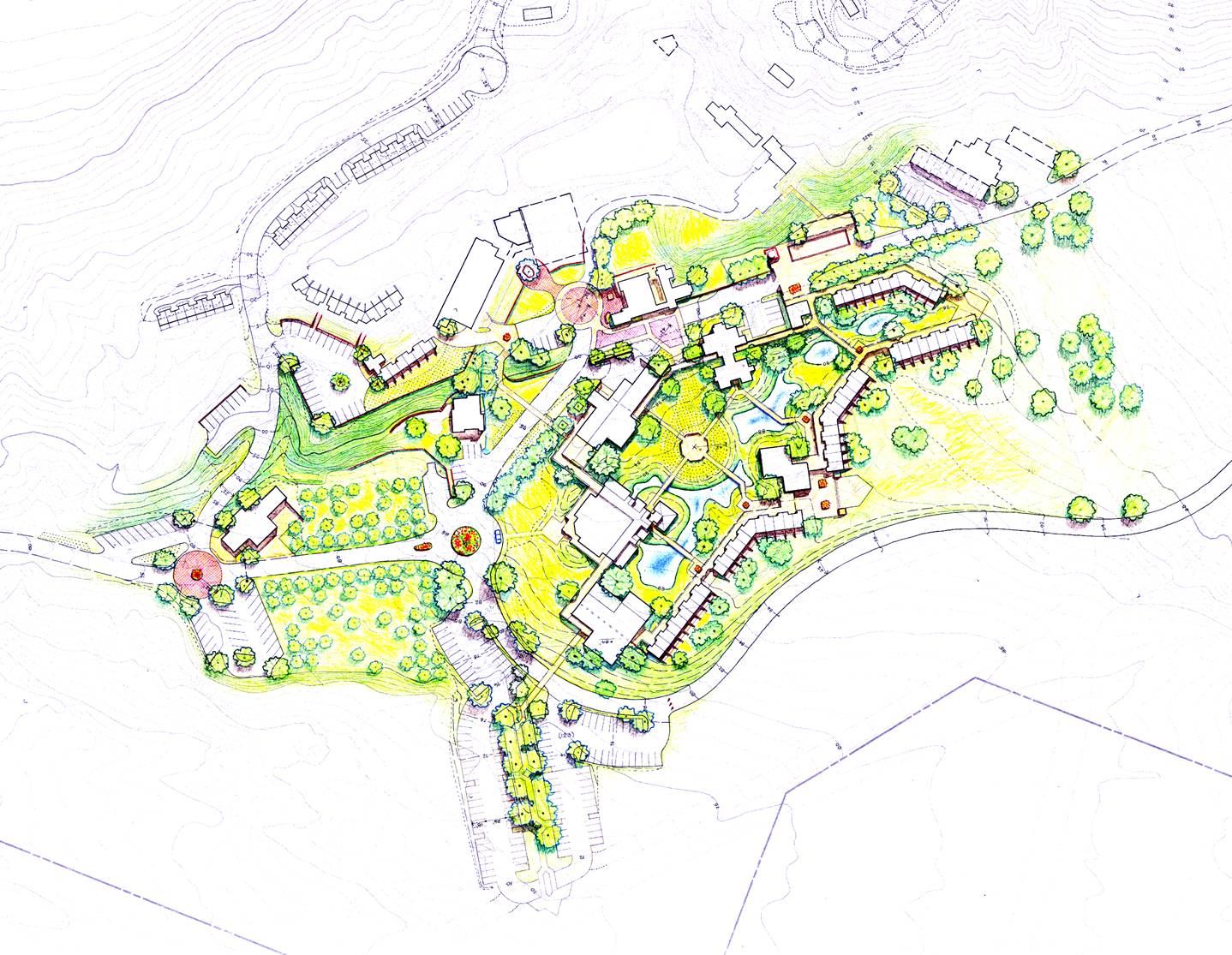
SITE PLAN (Minimal changes to cloister buildings) |
|
|
|
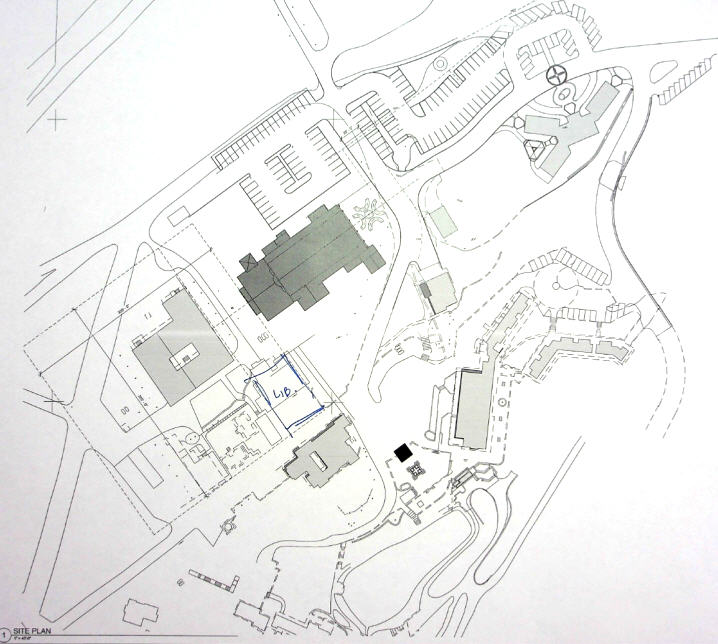
SITE PLAN (Church, Refectory, Library in Pasture) |
|
|
|
SITE PLAN (Church, Refectory, Library in Pasture) |
|
|
|
SITE PLAN (Church, Refectory, Library in Pasture) |
2003:
JOHNSON
–
FAIN,
ARCHITECTS
|
|
|
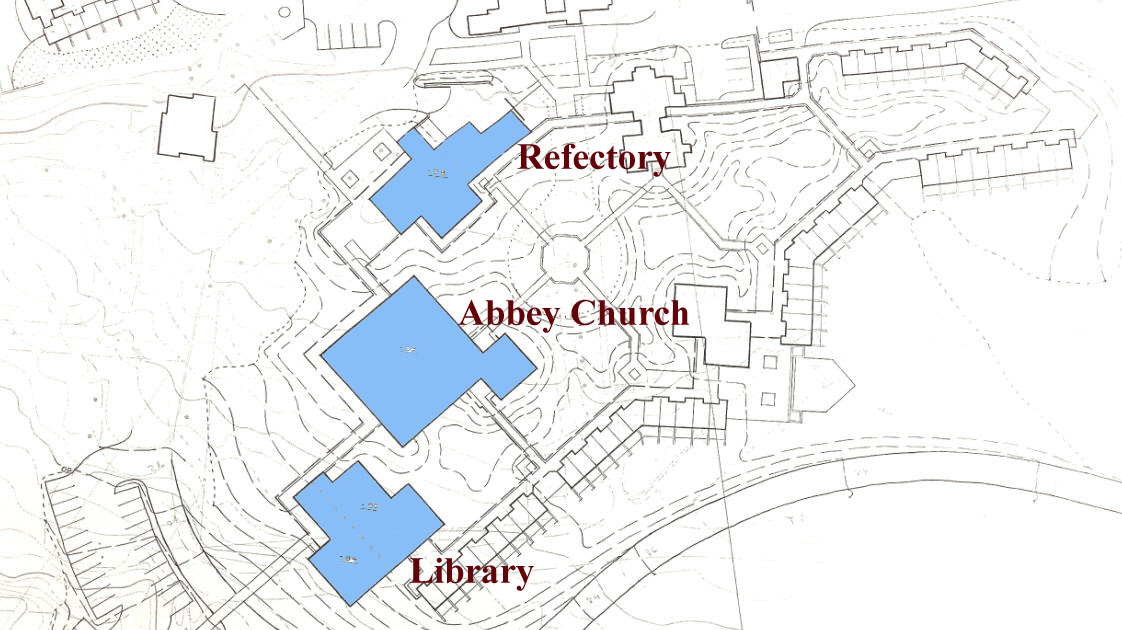
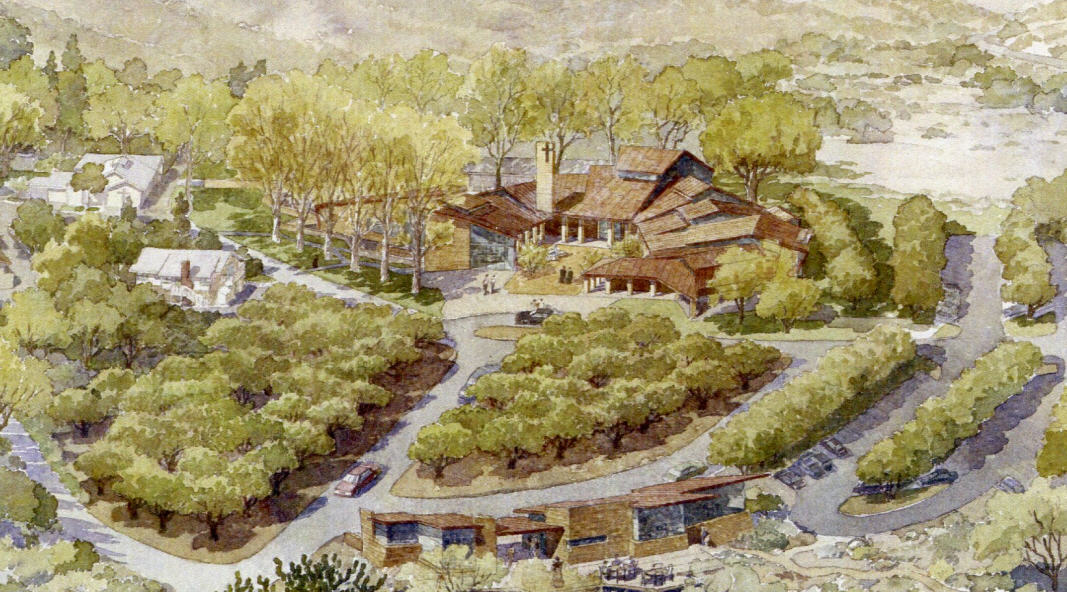
GATEHOUSE and ABBEY CHURCH/REFECTORY/LIBRARY COMPLEX |
|
|
|
ABBEY CHURCH/REFECTORY/LIBRARY COMPLEX (in Pasture) |
|
|
|
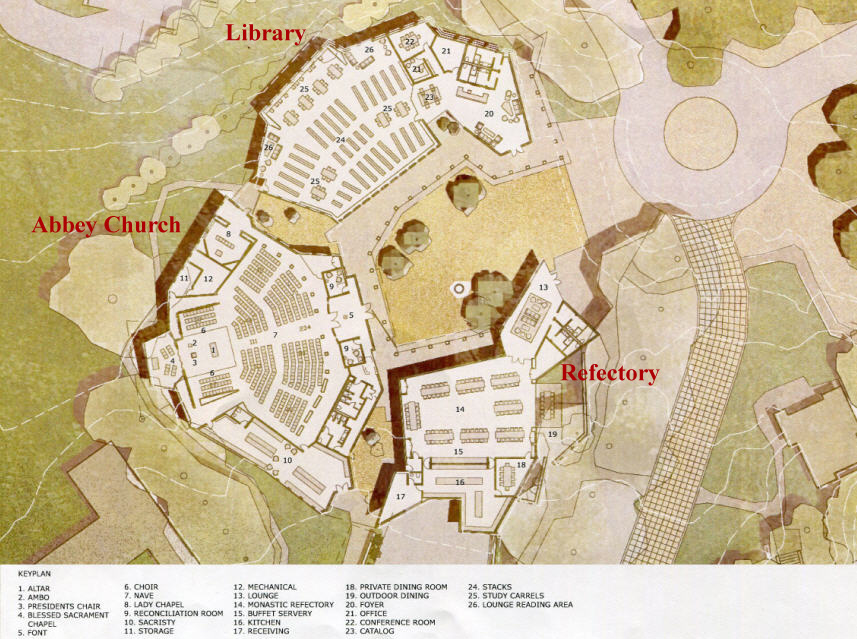
ABBEY CHURCH - SITE PLAN |
|
|
|
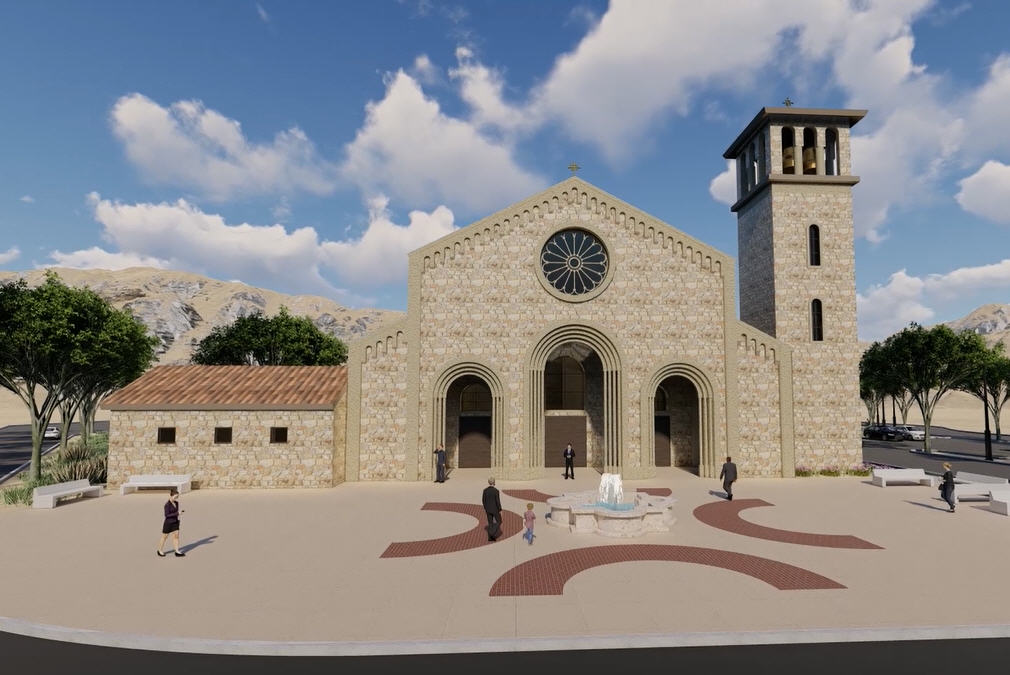
ABBEY CHURCH |
|
|
|
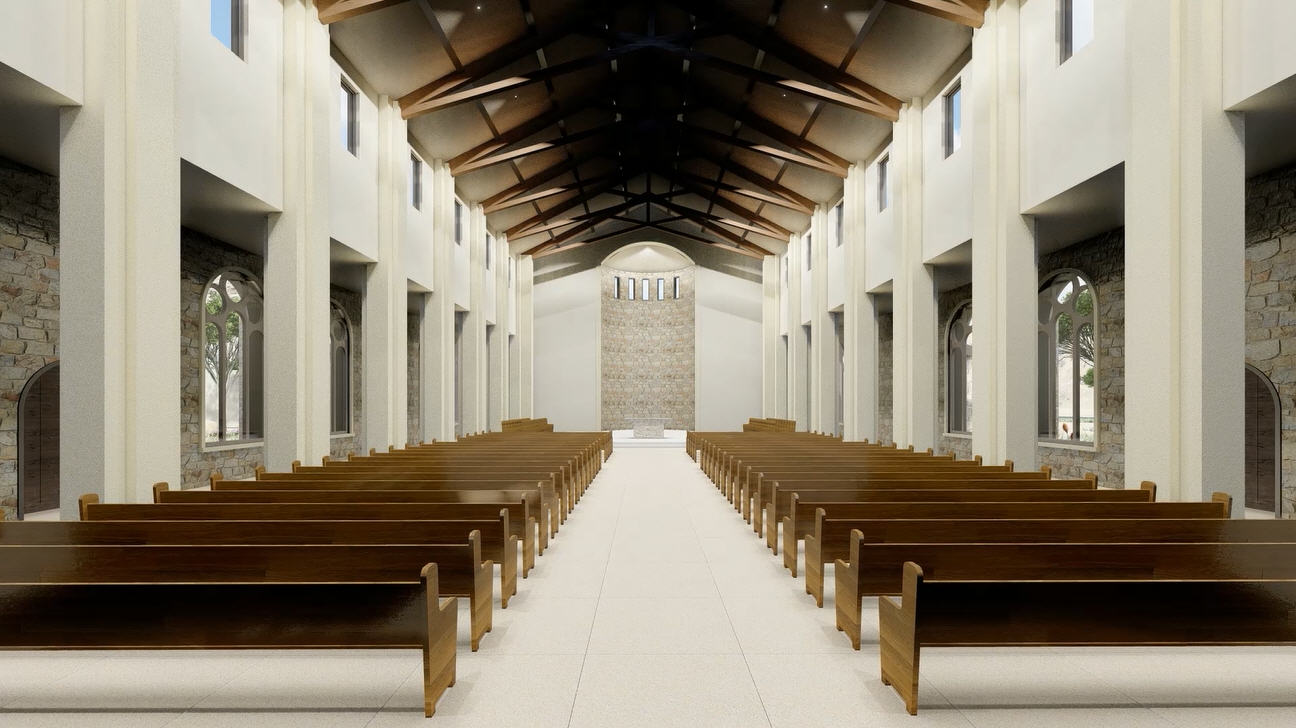
ABBEY CHURCH - NAVE |
|
|
|
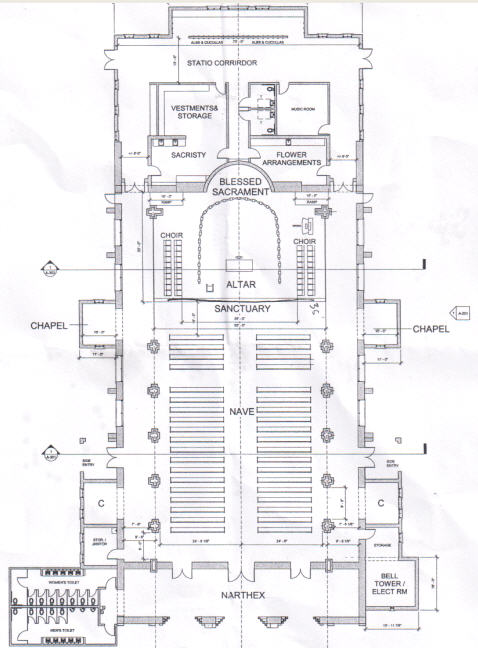
ABBEY CHURCH - FLOOR PLAN |
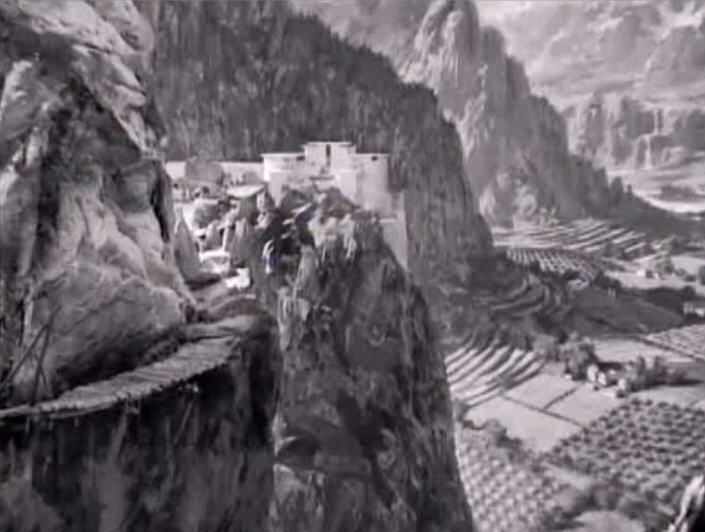
SHANGRI-LA
LAMASERY
(fictional)
(1937
MOVIE,
based on James Hilton, Lost Horizon)
|
|
|
|
SHANGRI-LA
LAMASERY |
SHANGRI-LA LAMASERY and VALLEY BELOW |
|
|
|
|
EAS |
EAS |
1957 James Burke
1957-61 Foster-Jackson
chrome-extension://efaidnbmnnnibpcajpcglclefindmkaj/https://claremontheritage.org/21hometour_booklet.pdf
Foster Rhodes Jackson was a student of Frank Lloyd Wright; His organic modern style is evidence of that. The element that sets him apart is his integration of ideas stemming from the roots of the International Style and progressing towards New Formalism. Monolithic structures defy their weightiness to form open expansive spaces, and are then combined with simple unadorned detailing, like steel framing for windows and large undivided planes of glass. These choices create refinements of the period. A craftsman and architect, he sculpted and carved the spaces to create elegant light filled caverns that glowed with the natural colors of the materials gathered from the sites they occupied. Ironically, he was also a bit of a developer who designed and built spec houses but had a strong distaste for the urban sprawl that defined the post-war housing explosion.
Foster Rhodes Jackson was born in 1911 in Massachusetts. His father was a practicing architect and Foster followed in his father’s footsteps. He studied architecture at M.I.T. and opened his own practice in Boston before serving in WWII as an Executive Officer on a submarine. He first met Frank Lloyd Wright in the 1930s in Boston and corresponded with Wright during WWII. Wright informed Jackson that he was welcome to study under Wright at Taliesin as soon as he could. Jackson appears to have studied under Wright at Taliesin and Taliesin West in 1945-1946. In 1946, he moved to Chino, CA., and opened an architecture office which is where he designed the Alexander Residence. Jackson designed over 800 structures in and around the Pomona Valley. He designed everything from private homes, to churches, office buildings and even fire stations. Like most architects of the day, Jackson would take on any project that came in the door. His crowning achievement is his own home and studio on top of a hill overlooking Live Oak Canyon. It is surrounded by a number of other residential estates, designed for local attorney Herb Hafif and others. The Alexander home was built on the southern flats of Claremont, near Oak Park Cemetery for Roger and Louise Alexander. Louise Alexander was a member of the Claremont Planning commission at the time this house was built. She was an active supporter of the arts and collected works from many of Claremont’s leading artists of the 1950s. Louise and her husband Roger, owned RAM Machine and Tool Company in Pomona until their retirement.
Like his mentor Frank Lloyd Wright, Jackson designed conventional homes utilizing a standard square grid, and like Wright, Foster often broke from this vernacular and designed either round structures or asymmetric triangular structures based on the Golden Ratio. This custom home is no exception and was designed on a 60 degree triangular grid. None of the walls meet at right 90 degree angles. Another signature element to this house are the Clerestory windows. Similar looking clerestories can be seen at Frank Lloyd Wright’s Phoenix First Christian Church. Wright stacked his clerestories to resemble a scorpion tale, but the single level Clerestories at Jackson's Oak Park Drive house are very evocative of the jagged Claremont desert landscape. Typical of both Wright and Jackson's work, the entrance is not grand, almost like the entrance to the caves our ancient ancestors occupied that opens up dramatically once inside. Jackson practiced Wright's Usonian principles which are mostly about making the house private and unassuming from the street, but visually open in the back to integrate the interior and exterior spaces, creating a connection to nature. [...]
1965-67 Louis_Kahn
1997 Ernest Adams
ERNEST BENNETT ADAMS ARCHITECT PLANNER in Newport Beach 444 N Newport Blvd
92663.
2003 Johnson Fain
https://johnsonfain.com/
2021 Miller
https://miller-aip.com
This Webpage was created for a workshop held at Saint Andrew's Abbey, Valyermo, California in 2004