|
|
THE THEOLOGY of the BODY
Pope John Paul II:
Catecheses, 1979-1984 |
|
|
THE THEOLOGY of the BODY
Pope John Paul II:
Catecheses, 1979-1984 |
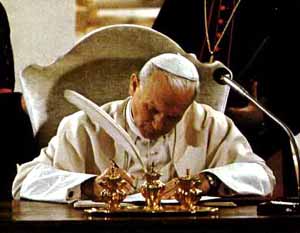
FROM September 1979 to November 1984 Pope John Paul II devoted his Wednesday audiences to an in-depth biblical explanation of the mystery of marriage and human sexuality. This series of audiences is collectively known as the “theology of the body.”
INSPIRED by Paul VI’s statement in Humanae Vitae that the problem of birth regulation must be considered in light of a “total vision of humanity” (cf. n. 7), John Paul’s catechesis on the body seeks to provide a “total vision of humankind,” or what he calls an “adequate anthropology.”
FOLLOWING the research of Michael Waldstein, it became clear that these catecheses were originally composed as a book, Male and Female He Created Them, written prior to the Pope's election but never published. Waldstein has made available the original chapter and subject headings, and published three additional catecheses on the Song of Songs and two on Tobit that were never delivered. The translation employed here is the official version published in Osservatore Romano and widely-available on-line; however the original chapter and subject headings have been restored
Table of Contents - Male and Female He Created Them
|
PART
ONE: |
PART
TWO |
||
|
[1.1]
CHRIST
APPEALS |
[2.1]
THE
DIMENSION
of
COVENANT
and of
GRACE |
||
|
[1.2]
CHRIST
APPEALS |
[2.2] THE DIMENSION of SIGN [2.2.1] LANGUAGE of the BODY |
|
|
|
[1.3]
CHRIST
APPEALS |
|
[2.2.2] SONG of SONGS [2.2.3] TOBIT (Liturgy) |
|
|
[1.3.1] RESURRECTION in the WORLD to COME [1.3.2] CELIBACY for the KINGDOM |
[2.3] HE GAVE THEM THE LAW of LIFE as THEIR INHERITANCE (Reflections on Humanae Vitae) |
||
|
|
|
|
|
Papal Catecheses, September 1979 to November 1984
|
PART ONE |
[4] THE RESURRECTION of the BODY |
||
|
[1]
ORIGINAL
UNITY |
[5] CELIBACY for the SAKE of the KINGDOM |
||
|
[2] BLESSED ARE THE PURE of HEART: Catechesis on the Sermon on the Mount |
[6]
THE
SACRAMENTALITY |
|
|
|
PART TWO |
[Reflections on the Song of Songs] |
||
|
[3] LIFE ACCORDING to the SPIRIT: St. Paul’s Teaching on the Human Body |
[7] REFLECTIONS on “HUMANÆ VITÆ” |
||
|
|
|
|
|
FROM September 1979 to November 1984 Pope John Paul II devoted his Wednesday audiences to an in-depth biblical explanation of the mystery of marriage and human sexuality. This series of audiences is collectively known as the “theology of the body.”
Inspired by Paul VI’s statement in Humanae Vitae that the problem of birth regulation must be considered in light of a “total vision of man” (cf. n. 7), John Paul’s catechesis on the body seeks to provide a “total vision of man,” or what he calls an “adequate anthropology.”
|
|
|
|
|
|
|
|
|
|
|
|
|
GENESIS: (§ 1-23) § 4. Orig. Solitude § 9. Communio § 12. Orig. Nakedness § 16. Nuptial Meaning of the Body: Innocence; GIFT § 17. Man and Woman - GIFT for EACH OTHER § 20. (& 21)"Knowing" other and self = GIFT § 21. Procreation Recapitulates History § 22. Asceticism as Difficult Recovery of Meaning of Gift |
(V2) Gaudium et Spes: MUTUAL GIFT: §48. (1 of 3); § 49 (2 of 3)§49. (3 of 3). cf. Pius XI, Casti Connubii: (?) 24-25 (conformatio perficiendi)
Catechism:
|
|
SERMON on THE MOUNT: (§ 24-86) HEAVEN and RESURRECTION (§ 64-72)
CELIBACY (§ 73-86)
|
|
|
|
|
|
|
|
|
|
|
|
|
|
|
EPHESIANS: (§ 87-107)
THE LANGUAGE of the BODY (§ 103-107)
|
|
|
|
|
|
|
|
|
EPHESIANS: (§ 103-107)
|
|
|
6.[119]. DOMINATION of NATURE versus MASTERY of SELF; COMMUNION of PERSON; SELF-GIFT |
Hum.Vit 2[domin]; 8[self-gift;com.pers.]; 10[self-mastery]; 21[self-mastery]; (CDF) Donum Vitae 1[domination]; 5[domin.] |
|
|
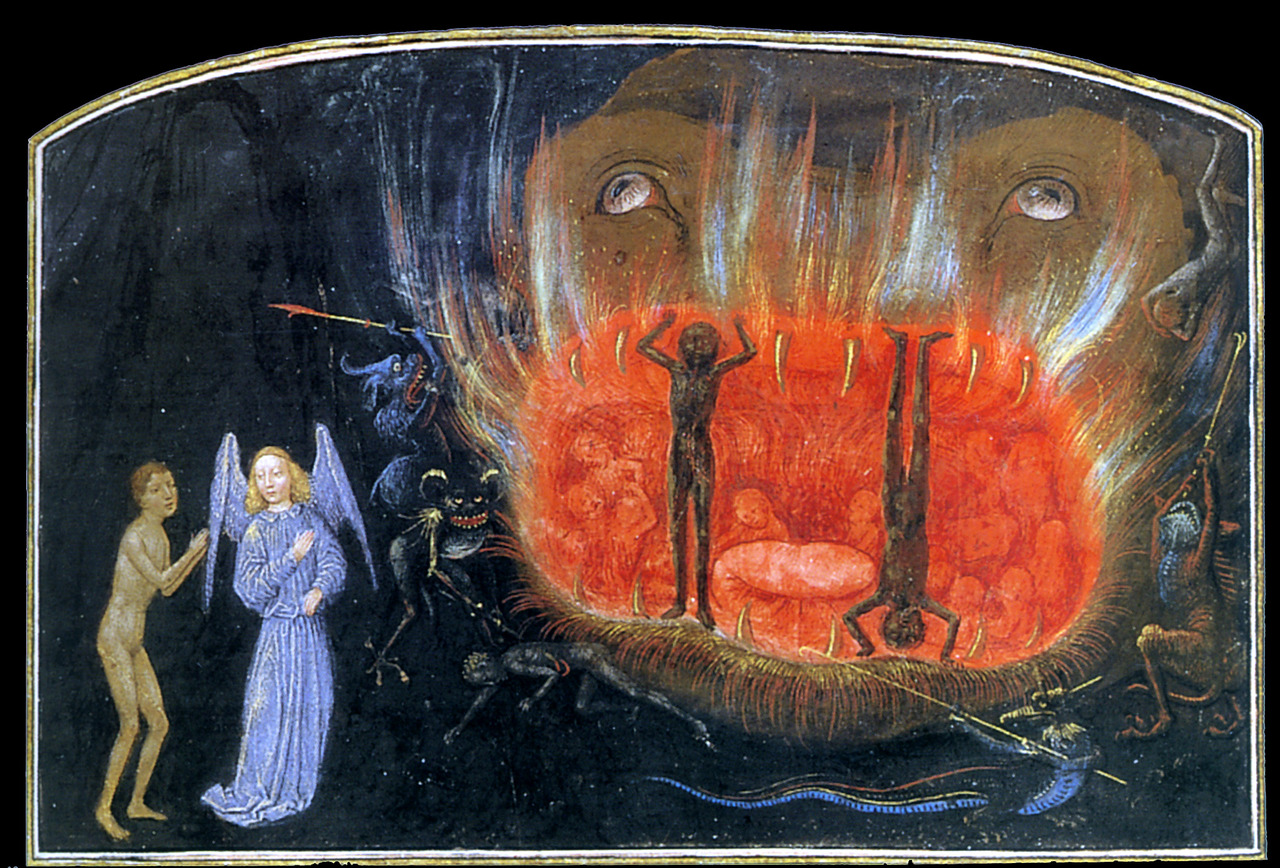
Marmion, The Mouth of Hell |
DOCETISM (1st - 2nd Century) – Flesh of Jesus only an appearance
GNOSTICISM (1st - 3rd Century) – Matter created by incompetent lesser deity; community irrelevant, martyrdom reprehensible; salvation by esoteric knowledge (gnosis)
MONTANISM (2nd Century) – Private revelation and moral rigorism - sense of superiority
MANICHAEISM (3rd - 6th Century) – Dual creators of universe - pure ministered to by imperfect
ARIANISM (4th - 6th Century) – Christ is not fully divine - of similar essence (ousia/substantia) to the Father .
DONATISM (4th - 6th Century) – ritual acts must be performed by the pure - if contaminated, invalid
PELAGIANISM (4th - 6th Century) – No original sin - the will is wounded by social ills, but able to freely choose God (and be saved)
ALBIGENSIANISM/ CATHARISM (12th Century) – Dual creators of universe - the pure are ministered to by hearers
PROTESTANTISM (17th Century-present) – Vowed Celibacy of no spiritual value - clerical celibacy a dangerous source of pride
QUIETISM (17th Century) – Centrality of personal, spiritual experience: sacraments, devotions, material practices for beginners; practitioners may attain the state where sin is impossible
JANSENISM (17th - 18th Century) – Overemphasis on original and personal sin: abstinence from Eucharist considered virtuous
FREUDIAN EROTICISM (late 19th Century) – Sexual fears and repressions are the cause of (most if not all) mental illness
SEXUAL REVOLUTION (mid-20th Century) – Varied genital sexual experience necessary for human flourishing
GENDER IDEOLOGY (early 21st Century) – Gender and body may be changed or distorted to conform to the mind