|
|
|
|
|
|
Engl. tr. based on Thomas Taylor, on The Mysteries of The Egyptians, Chaldeans, and Assyrians, (London, 1895). Greek: De mysteriis Jamblique. Les mysteres d'Egypte Les Belles Lettres (Paris 1966) 38-215 ed. E. des Places,
|
1. Letter of Porphyry to Anebo 2. Reply of Abammon 3. The Superior Races 4. Rites, Symbols, and Offerings 5. The Superior Races and their Manifestations 6. The Order Exhibited at the Rites |
7. Origin of the Art of Divination 8. The Divining Art Universal 9. Dæmons 10. Concerning the Powers Invoked 11. The Question Stated 12. Notions of Priests Criticized |
13. Concerning the Mystic Rites 14. Conditions for Successful Results 15. Origin of Egyptian Symbolism 16. Questions Proposed 17. The Personal Dæmon 18. Eudæmonia, or the True Success 19. Valedictory |
CONCERNING THE EGYPTIAN MYSTERIES |
Περὶ τῶν αἰγυπτίων μυστηρίωνῃ |
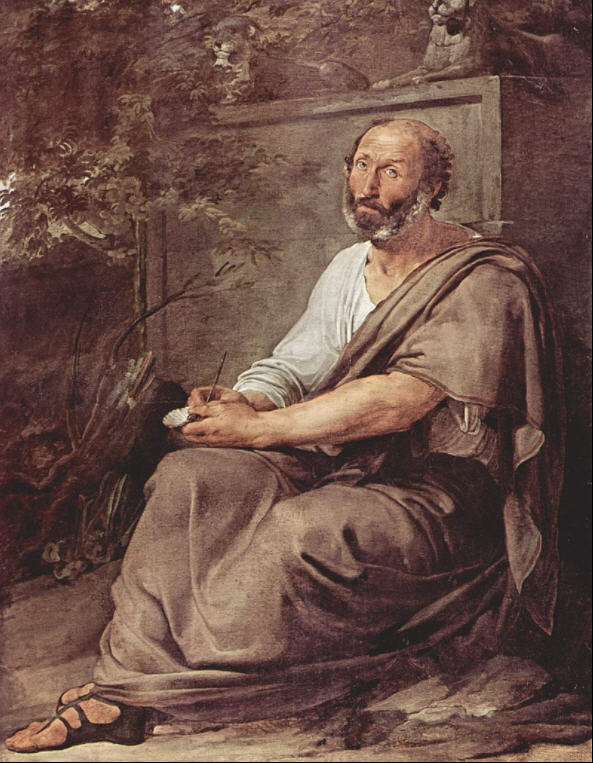
Ο δε Αριστοτελης προς Αντιπατρον περι Αλεξανδρου γραφων, εφη μη μονον εκεινῳ προσηκειν οτι πολλων κρατει μεγαφρονειν, αλλ’ ουδεν ηττον ει τις ορθως γινωσκει περι θεων. Plutarch. |
|
|
“It should be noted that the philosopher Proclus, in the course of his commentary on the Enneads of the great Plotinus, says that the author of the response to the letter of Porphyry here set out is actually the divinely-inspired Iamblichus, and that it is by reason of suitability to the subject-matter that he adopts the persona of an Egyptian, Abamon. But in fact both the conciseness and pithiness of the style and the precision and in spired quality of the concepts testify to the fact that Proclus’s judgement and information was excellent.” Michael Psellus, Preface |
Ἰστέον ὅτι ὁ φιλόσοφος Πρόκλος͵ ὑπομνηματίζων τὰς τοῦ μεγάλου Πλωτίνου Ἐννεάδας͵ λέγει ὅτι ὁ ἀντι γράφων πρὸς τὴν προκειμένην τοῦ Πορφυρίου ἐπιστολὴν ὁ θεσπέσιός ἐστιν Ἰάμβλιχος͵ καὶ διὰ τὸ τῆς ὑποθέσεως οἰκεῖον καὶ ἀκόλουθον ὑποκρίνεται πρόσωπον Αἰγυπτίου τινὸς Ἀβάμμωνος· ἀλλὰ καὶ τὸ τῆς λέξεως κομματικὸν καὶ ἀφοριστικὸν καὶ τὸ τῶν ἐννοιῶν πραγματικὸν καὶ γλαφυρὸν καὶ ἔνθουν μαρτυρεῖ τὸν Πρόκλον καλῶς καὶ κρίναντα καὶ ἱστορήσαντα. |
THE ANSWER OF THE PRECEPTOR (teacher) ABAMMON TO THE EPISTLE OF PORPHYRY TO ANEBO, AND A SOLUTION OF THE DOUBTS CONTAINED IN IT. |
Ἀβάμμωνος διδασκάλου πρὸς τὴν Πορφυρίου πρὸς Ἀνεβὼ ἐπιστολὴν ἀπόκρισις καὶ τῶν ἐν αὐτῇ ἀπορημάτων λύσεις. |
SECTION I. |
|
CHAP. 1.1. |
|
|
Hermes, the God who presides over language, was formerly very properly considered as common to all priests; and the power who presides over the true science concerning the Gods is one and the same in the whole of things. Hence our ancestors dedicated the inventions of their wisdom to this deity, inscribing all their own writings with the name of Hermes |
1.1 Θεὸς ὁ τῶν λόγων ἡγεμών͵ Ἑρμῆς͵ πάλαι δέδοκ ται καλῶς ἅπασι τοῖς ἱερεῦσιν εἶναι κοινός· ὁ δὲ τῆς περὶ θεῶν ἀληθινῆς ἐπιστήμης προεστηκὼς εἷς ἐστιν ὁ αὐτὸς ἐν ὅλοις· ᾧ δὴ καὶ οἱ ἡμέτεροι πρόγονοι τὰ αὑτῶν τῆς σοφίας εὑρήματα ἀνετίθεσαν͵ Ἑρμοῦ πάντα τὰ οἰκεῖα συγγράμματα ἐπονομάζοντες. |
|
If, therefore, we participate of a portion of this God, adapted and commensurate to our powers, you do well to propose your theological doubts to the priests, as friends, and to make these doubts known to them. I also very properly conceiving that the epistle sent to my disciple Anebo was written to me, shall give you a true answer to your inquiries. For it would not be becoming, that Pythagoras and Plato, Democritus and Eudoxus, and many other of the ancient Greeks, should have obtained appropriate instruction from the sacred scribes of their time, but that you who are our contemporary, and think conformably to those ancients, should be frustrated of your wish by those who are now living, and who are called common preceptors |
Εἰ δὲ τοῦδε τοῦ θεοῦ καὶ ἡμεῖς τὸ ἐπιβάλλον καὶ δυνατὸν ἑαυτοῖς μέ ρος μετέχομεν͵ σύ τε καλῶς ποιεῖς ἃ εἰς γνῶσιν τοῖς ἱερεῦσιν͵ ὡς φιλοῦσι͵ περὶ θεολογίας προτείνων ἐρω τήματα͵ ἐγώ τε εἰκότως τὴν πρὸς Ἀνεβὼ τὸν ἐμὸν μα θητὴν πεμφθεῖσαν ἐπιστολὴν ἐμαυτῷ γεγράφθαι νομί σας ἀποκρινοῦμαί σοι αὐτὰ τἀληθῆ ὑπὲρ ὧν πυνθάνῃ. Οὐδὲ γὰρ ἂν εἴη πρέπον Πυθαγόραν μὲν καὶ Πλάτωνα καὶ Δημόκριτον καὶ Εὔδοξον καὶ πολλοὺς ἄλλους τῶν παλαιῶν Ἑλλήνων τετυχηκέναι διδαχῆς τῆς προσ ηκούσης ὑπὸ τῶν καθ΄ ἑαυτοὺς γιγνομένων ἱερογραμ μάτων͵ σὲ δ΄ ἐφ΄ ἡμῶν ὄντα καὶ τὴν αὐτὴν ἐκείνοις ἔχοντα γνώμην διαμαρτεῖν τῆς ὑπὸ τῶν νῦν ζώντων καὶ καλουμένων κοινῶν διδασκάλων ὑφηγήσεως. |
|
I, therefore, thus betake myself to the present discussion; and do you, if you please, conceive that the same person to whom you sent the letter returns you an answer. Or, if it should seem fit to you, admit it to be me who discourses with you in writing, or some other prophet of the Egyptians, for this is of no consequence. Or, which I think is still better, dismiss the consideration whether the speaker is an inferior or a superior character, but direct your attention to what is said, so as readily to excite your mind to survey whether what is asserted is true or false. |
Ἐγὼ μὲν οὖν οὕτως ἐπὶ τὸν λόγον τὸν παρόντα πρόσειμι͵ σὺ δ΄͵ εἰ μὲν βούλει͵ τὸν αὐτὸν ἡγοῦ σοι πάλιν ἀντι γράφειν ᾧπερ ἐπέστειλας· εἰ δὲ καὶ φαίνοιτό σοι δεῖν͵ ἐμὲ θὲς εἶναί σοι τὸν ἐν γράμμασι διαλεγόμενον ἤ τινα ἄλλον προφήτην Αἰγυπτίων· οὐδὲ γὰρ τοῦτο διενή νοχεν· ἢ ἔτι βέλτιον͵ οἶμαι͵ τὸν μὲν λέγοντα ἄφες͵ εἴτε χείρων εἴτε ἀμείνων εἴη͵ τὰ δὲ λεγόμενα σκόπει εἴτε ἀληθῆ εἴτε καὶ ψευδῆ λέγεται͵ προθύμως ἀνεγείρας τὴν διάνοιαν. |
|
In the first place, therefore, we shall divide the genera of the proposed problems, in order that we may know the quantity and quality of them. And, in the next place, we shall show from what theologies the doubts are assumed, and according to what sciences they are investigated. |
Ἐν ἀρχῇ δὴ διελώμεθα τὰ γένη πόσα τέ ἐστι καὶ ὁποῖα τῶν νυνὶ προκειμένων προβλημάτων· ἀπὸ τίνων τε εἴληπται θείων θεολογιῶν τὰ ἀπορήματα διέλθωμεν͵ καὶ κατὰ ποίας τινὰς ἐπιστήμας ἐπιζητεῖται τὴν πρό θεσιν αὐτῶν ποιησώμεθα. |
|
For some things that are badly confused, require a certain distinction; others are conversant with the cause through which they subsist, and are apprehended; others, which we propose according to a certain contrariety, draw our decision on both sides; and some things require from us the whole development of mystic doctrines. Such, therefore, being the nature of the subjects of discussion, they are assumed from many places, and from different sciences. |
Τὰ μὲν οὖν ἐπιποθεῖ διάκρισίν τινα τῶν κακῶς συγ κεχυμένων͵ τὰ δ΄ ἐστὶ περὶ τὴν αἰτίαν δι΄ ἣν ἕκαστά ἐστί τε οὑτωσὶ καὶ νοεῖται͵ τὰ δ΄ ἐπ΄ ἄμφω τὴν γνώμην ἕλκει κατ΄ ἐναντίωσίν τινα προβαλλόμενα· ἔνια δὲ καὶ τὴν ὅλην ἀπαιτεῖ παρ΄ ἡμῶν μυσταγωγίαν· τοιαῦτα δὲ ὄντα πολλαχόθεν εἴληπται καὶ ἀπὸ διαφερουσῶν ἐπιστημῶν. |
|
For some things introduce animadversions from what the wise men of the Chaldeans have delivered; others produce objections from what the prophets of the Egyptians teach; and there are some that, adhering to the theory of philosophers, make inquiries conformably to them. There are now likewise some, that from other opinions, which do not deserve to be mentioned, elicite a certain dubitation; and others originate from the common conceptions of mankind. These things, therefore, are of themselves variously disposed, and are multiformly connected with each other. |
Τὰ μὲν γὰρ ἀφ΄ ὧν οἱ Χαλδαίων σοφοὶ παραδεδώκασι τὰς ἐπιστάσεις προσάγει· τὰ δ΄ ἀφ΄ ὧν Αἰγυπτίων οἱ προφῆται διδάσκουσι ποιεῖται τὰς ἀντιλήψεις͵ ἔνια δὲ καὶ τῆς τῶν φιλοσόφων θεωρίας ἐχόμενα τὰς ἐρωτή σεις ἑπομένως αὐτοῖς ποιεῖται. ῎Ηδη δέ τινα καὶ ἀπ΄ ἄλλων οὐκ ἀξίων λόγου δοξασμάτων ἐφέλκεταί τινα ἀπρεπῆ διαμφισβήτησιν͵ τὰ δ΄ ἀπὸ τῶν κοινῶν ὑπο λήψεων παρ΄ ἀνθρώποις ὥρμηται· αὐτά τε οὖν καθ΄ ἑαυτὰ ἕκαστα ποικίλως διάκειται καὶ πρὸς ἄλληλα πο λυειδῶς συνήρμοσται͵ |
|
Hence, through all these causes, a certain discussion is requisite for the management of them in a becoming manner. |
ὅθεν δὴ διὰ πάντα ταῦτα λόγου τινός ἐστιν ἐπιδεῆ τοῦ κατευθύνοντος αὐτὰ προση κόντως. |
CHAP. 1.2. |
|
|
We shall, therefore, deliver to you the peculiar dogmas of the Assyrians; and also clearly develop to you our own opinions; collecting some things from the infinite writings of the ancients, but others from those particulars which were comprehended by the ancients in one treatise, and pertain to the whole knowledge of divine natures. |
1.2 Ἡμεῖς οὖν τὰ μὲν Ἀσσυρίων πάτρια δόγματα πα ραδώσομέν σοι μετ΄ ἀληθείας τὴν γνώμην͵ τὰ δὲ ἡμέ τερά σοι σαφῶς ἀποκαλύψομεν͵ τὰ μὲν ἀπὸ τῶν ἀρ χαίων ἀπείρων γραμμάτων ἀναλογιζόμενοι τῇ γνώσει͵ τὰ δ΄ ἀφ΄ ὧν ὕστερον εἰς πεπερασμένον βιβλίον συνή γαγον οἱ παλαιοὶ τὴν ὅλην περὶ τῶν θείων εἴδησιν. |
|
If also you should propose any philosophic inquiry, we shall discuss it for you, according to the ancient pillars of Hermes, which Plato and Pythagoras knew before, and from thence constituted their philosophy. |
Φιλόσοφον δ΄ εἴ τι προβάλλεις ἐρώτημα͵ διακρινοῦ μέν σοι καὶ τοῦτο κατὰ τὰς Ἑρμοῦ παλαιὰς στήλας͵ ἃς Πλάτων ἤδη πρόσθεν καὶ Πυθαγόρας διαναγνόντες φιλοσοφίαν συνεστήσαντο͵ |
|
But such things as exhibit foreign inquiries, or which are contradictory and contentious, we shall assist mildly and aptly, or we shall demonstrate their absurdity. Such, likewise, as proceed conformably to common conceptions, we shall endeavour to discuss in a way perfectly known and clear. And things, indeed, which require the experience of divine operations to an accurate knowledge of them, we shall explain, as far as this is possible to be effected by words alone; but such as are full of intellectual theory, we shall develop with a view to the purification of the soul. |
τὰ δ΄ ἀλλόφυλα ζητήματα ἢ ἀντιλογικὰ καὶ δυσεριστίαν τινὰ ἐμφαίνοντα πράως καὶ ἐμμελῶς παραμυθούμενοι· ἢ τὴν ἀτοπίαν αὐτῶν ἀποδείξομεν· καὶ ὅσα προχωρεῖ κατὰ τὰς κοινὰς ἐν νοίας γνωρίμως πάνυ καὶ σαφῶς πειρασόμεθα διαλέ γεσθαι. Καὶ τὰ μὲν ἔργων πείρας δεόμενα πρὸς ἀκριβῆ κατανόησιν͵ μόνον διὰ λόγων δυνατόν· τὰ δὲ νοερᾶς θεωρίας πλήρη τε ... καθαίρεσθαι͵ |
|
But indications of this theory worthy of notice may be mentioned, by which it is possible for you, and those who resemble you, to be conducted by intellect to the essence of [real] beings. And with respect to such things as become known by a reasoning process, we shall leave no one of these without a perfect demonstration. |
σημεῖα δὲ αὐτῆς ἀξιόλογα δύναται φράζειν ἀφ΄ ὧν δύνασαι καὶ σὺ καὶ οἱ σοὶ ὅμοιοι τῷ νῷ παράγεσθαι περὶ τὴν οὐσίαν τῶν ὄντων·ὅσα δὲ τυγχάνει διὰ λόγων ὄντα γνωστὰ τού των οὐδὲν ἀπολείψομεν εἰς τὴν τελέαν ἀπόδειξιν. |
|
But in all things we shall give to each that which is appropriate. And such questions, indeed, as are theological, we shall answer theologically; such as are theurgic, theurgically; but such as are philosophical, we shall, in conjunction with you, philosophically explore. Of these, also, such as extend to first causes, we shall unfold into light, by following them conformably to first principles. But such as pertain to morals, or to ends, we shall fitly discuss, according to the ethical mode. And, in a similar manner, we shall examine other things methodically and appropriately. |
Τὸ δ΄ οἰκεῖον ἐπὶ πᾶσιν ἀποδώσομέν σοι προσηκόντως͵ καὶ τὰ μὲν θεολογικὰ θεολογικῶς͵ θεουργικῶς δὲ τὰ θεουρ γικὰ ἀποκρινούμεθα͵ φιλοσόφως δὲ τὰ φιλόσοφα μετὰ σοῦ συνεξετάσομεν· καὶ τούτων μὲν ὅσα εἰς τὰ πρῶτα αἴτια διήκει κατὰ τὰς πρώτας ἀρχὰς συνακολουθοῦν τες εἰς φῶς προάξομεν͵ ὅσα δὲ περὶ ἠθῶν ἢ περὶ τελῶν εἴρηται κατὰ τὸν ἠθικὸν τύπον διαιτήσομεν δεόντως͵ καὶ τἄλλα ὡσαύτως κατὰ τὸν οἰκεῖον τρόπον ἐν τάξει διαθησόμεθα· |
|
Let us, therefore, now betake ourselves to your inquiries. |
ἤδη δὲ ἁψώμεθα τῶν σῶν ἐρωτήσεων. |
|
|
|
CHAP. 1.3. |
|
|
In the first place, therefore, you say, “it must be granted that there are Gods.” Thus to speak, however, is not right on this subject. For an innate knowledge of the Gods is coexistent with our very essence; and this knowledge is superior to all judgment and deliberate choice, and subsists prior to reason and demonstration. It is also counited from the beginning with its proper cause, and is consubsistent with the essential tendency of the soul to the good. |
1.3 Φῂς τοίνυν πρῶτον διδόναι εἶναι θεούς· τὸ δ΄ ἐσ τὶν οὐκ ὀρθὸν οὑτωσὶ λεγόμενον. Συνυπάρχει γὰρ ἡμῶν αὐτῇ τῇ οὐσίᾳ ἡ περὶ θεῶν ἔμφυτος γνῶσις͵ κρίσεώς τε πάσης ἐστὶ κρείττων καὶ προαιρέσεως͵ λόγου τε καὶ ἀποδείξεως προϋπάρχει· συνήνωταί τε ἐξ ἀρχῆς πρὸς τὴν οἰκείαν αἰτίαν͵ καὶ τῇ πρὸς τἀγαθὸν οὐσιώδει τῆς ψυχῆς ἐφέσει συνυφέστηκεν. |
|
If, indeed, it be requisite to speak the truth, the contact with divinity is not knowledge. For knowledge is in a certain respect separated [from its object] by otherness. |
Εἰ δὲ δεῖ τἀληθὲς εἰπεῖν͵ οὐδὲ γνῶσίς ἐστιν ἡ πρὸς τὸ θεῖον συναφή. Διείργεται γὰρ αὕτη πως ἑτερότητι. |
|
But prior to the knowledge, which as one thing knows another, is the uniform connexion with divinity, and which is suspended from the Gods, is spontaneous and inseparable from them. Hence, it is not proper to grant this, as if it might not be granted, nor to admit it as ambiguous (for it is always unically established in energy); nor are we worthy thus to explore it, as if we had sufficient authority to approve or reject it. For we are comprehended in it, or rather we are filled by it, and we possess that very thing which we are, [or by which our essence is characterized] in knowing the Gods. |
Πρὸ δὲ τῆς ὡς ἑτέρας ἕτερον γιγνωσκούσης αὐτοφυής ἐστιν ... ἡ τῶν θεῶν ἐξηρτημένη μονοειδὴς συμπλοκή. Οὐκ ἄρα συγχωρεῖν χρὴ ὡς δυναμένους αὐτὴν καὶ διδόναι καὶ μὴ διδόναι͵ οὐδ΄ ὡς ἀμφίβολον τίθεσθαι (ἕστηκε γὰρ ἀεὶ κατ΄ ἐνέργειαν ἑνοειδῶς)͵ οὐδ΄ ὡς κυρίους ὄντας τοῦ κρίνειν τε καὶ ἀποκρίνειν οὕτως αὐτὴν δοκιμάζειν ἄξιον· περιεχόμεθα γὰρ ἐν αὐτῇ μᾶλλον ἡμεῖς καὶ πλη ρούμεθα ὑπ΄ αὐτῆς͵ καὶ αὐτὸ ὅπερ ἐσμὲν ἐν τῷ τοὺς θεοὺς εἰδέναι ἔχομεν. |
|
I shall likewise say the same thing to you, concerning the more excellent genera that follow the Gods, I mean dæmons, heroes, and undefiled souls. |
Ὁ δὲ αὐτός ἐστί μοι λόγος πρὸς σὲ καὶ περὶ τῶν συνεπομένων θεοῖς κρειττόνων γενῶν͵ δαιμόνων φημὶ καὶ ἡρώων καὶ ψυχῶν ἀχράντων· |
|
For it is necessary to understand respecting these, that there is always in them one definite reason of essence, and to remove from them the indefiniteness and instability of the human condition. It is likewise requisite to separate from them that inclination to one side of an argument rather than another, arising from the equilibrium of a reasoning process. For a thing of this kind is foreign from the principles of reason and life, and rather tends to secondary natures, and to such things as pertain to the power and contrariety of generation. But it is necessary that the more excellent genera should be apprehended uniformly. |
καὶ γὰρ περὶ τού των ἕνα λόγον ὡρισμένον τῆς οὐσίας ἀεὶ δεῖ νοεῖν͵ τὸ δ΄ ἀόριστον καὶ ἄστατον τῆς ἀνθρωπίνης ἀναιρεῖν δόσεως͵ καὶ τὸ μὲν ἐξ ἀντιρρόπου τῶν διαλογισμῶν ἀν τιστάσεως ἐπικλῖνον ἐπὶ θάτερα παραιτεῖσθαι· ἀλλό τριον γάρ ἐστι τῶν τοῦ λόγου καὶ τῆς ζωῆς ἀρχῶν τὸ τοιοῦτον͵ ἐπὶ δὲ τὰ δεύτερα ἀποφέρεται μᾶλλον καὶ ὅσα τῇ δυνάμει καὶ τῇ ἐναντιώσει τῆς γενέσεως προσήκει. Μονοειδῶς δὲ αὐτῶν ἀντιλαμβάνεσθαι δεῖ. |
|
The connascent perception, therefore, of the perpetual attendance of the Gods, will be assimilated to them. Hence, as they have an existence which is always invariably the same, |
Ἐοικέτω δὴ οὖν τοῖς ἀιδίοις τῶν θεῶν συνοπαδοῖς καὶ ἡ σύμφυτος αὐτῶν κατανόησις· ὥσπερ οὖν αὐτοὶ τὸ εἶναι ἔχουσιν ἀεὶ ὡσαύτως͵ |
|
thus also the human soul is conjoined to them by knowledge, according to a sameness of subsistence; by no means pursuing through conjecture, or opinion, or a syllogistic process, all which originate in time, an essence which is above all these, but through the pure and blameless intellections which the soul received from eternity from the Gods, becoming united to them. |
οὕτω καὶ ἡ ἀνθρωπίνη ψυχὴ κατὰ τὰ αὐτὰ τῇ γνώσει πρὸς αὐτοὺς συναπτέσθω͵ εἰ κασίᾳ μὲν ἢ δόξῃ ἢ συλλογισμῷ τινι͵ ἀρχομένοις ποτὲ ἀπὸ χρόνου͵ μηδαμῶς τὴν ὑπὲρ ταῦτα πάντα οὐσίαν μεταδιώκουσα͵ ταῖς δὲ καθαραῖς καὶ ἀμέμπτοις νοήσε σιν αἷς εἴληφεν ἐξ ἀιδίου παρὰ τῶν θεῶν͵ ταύταις αὐ τοῖς συνηρτημένη· |
|
You, however, seem to think, that there is the same knowledge of divine natures as of any thing else, and that one thing, rather than another, may be granted from opposites, in the same manner as it is usual to do in dialectic discussions. There is, however, no similitude whatever between the two kinds of knowledge. For the knowledge of divine natures is different from that of other things, and is separated from all opposition. It likewise neither subsists in being now granted, or in becoming to be, but was from eternity, uniformly consubsistent with the soul. |
σὺ δ΄ ἔοικας ἡγεῖσθαι τὴν αὐτὴν εἶναι τῶν θείων καὶ τῶν ἄλλων ὁποιωνοῦν γνῶσιν͵ δί δοσθαί τε ἀπὸ τῶν ἀντικειμένων τὸ ἕτερον μόριον͵ ὥσ περ εἴωθε καὶ ἐπὶ τῶν ἐν ταῖς διαλέκτοις προτεινομέ νων· τὸ δ΄ οὐκ ἔστιν οὐδαμῶς παραπλήσιον· ἐξήλ λακται γὰρ αὐτῶν ἡ εἴδησις͵ ἀντιθέσεώς τε πάσης κεχώρισται͵ καὶ οὐκ ἐν τῷ συγχωρεῖσθαι νῦν ἢ ἐν τῷ γίγνεσθαι ὑφέστηκεν͵ ἀλλ΄ ἦν ἐξ ἀιδίου μονοειδὴς ἐπὶ τῇ ψυχῇ συνυπάρχουσα. |
|
And thus much I say to you concerning the first principle in us, from which it is necessary those should begin who speak or hear any thing about the natures that are superior to us. |
Περὶ μὲν οὖν τῆς πρώτης ἀρχῆς ἐν ἡμῖν͵ ἀφ΄ ἧς ὁρ μᾶσθαι δεῖ τοὺς ὁτιοῦν λέγοντάς τε καὶ ἀκούοντας περὶ τῶν κρειττόνων ἢ καθ΄ ἡμᾶς͵ τοιαῦτα πρὸς σὲ λέγω· |
CHAP. 1.4. |
|
|
With respect to your inquiry, “what the peculiarities are in each of the more excellent genera, by which they are separated from each other?” if you understand by peculiarities the specific differences under the same genus, which are distinguished by opposite qualities, as the rational and irrational under animal; we by no means admit peculiarities of this kind, in things which neither have one common essence, nor an equal contradistinction, nor receive a composition from something common, which is indefinite, and defines the peculiarity. |
1.4 ἃ δ΄ ἐπιζητεῖς ἰδιώματα τίνα ἐστὶν ἑκάστῳ τῶν κρειττόνων γενῶν͵ οἷς κεχώρισται ἀπ΄ ἀλλήλων͵ εἰ μὲν ὡς εἰδοποιοὺς διαφορὰς ὑπὸ ταὐτὸ γένος ἀντιδιαιρου μένας νοεῖς σὺ τὰ ἰδιώματα͵ ὥσπερ ὑπὸ τὸ ζῷον τὸ λογικὸν καὶ ἄλογον͵ οὐδέποτε παραδεχόμεθα τὰ τοιαῦτα ἐπὶ τῶν μήτε κοινωνίαν οὐσίας μίαν μήτε ἐξισάζουσαν ἐχόντων ἀντιδιαίρεσιν͵ μήτε σύνθεσιν τὴν ἐξ ἀορίστου τοῦ κοινοῦ καὶ ὁρίζοντος τοῦ ἰδίου προσλαμβανόντων. |
|
But if you apprehend the peculiarity to be, as in prior and secondary natures, differing in their whole essence and whole genus, a certain simple condition of being, definite in itself; in this case, your conception of peculiarities will be reasonable. For these peculiarities of things, which have an eternal subsistence, are simple, and entirely exempt. |
Εἰ δ΄ ὡς ἐν προτέροις καὶ δευτέροις κατ΄ οὐσίαν τε ὅλην καὶ παντὶ τῷ γένει ἐξαλλαττομένοις ἁπλῆν τινα κα τάστασιν πεπερασμένην ἐν ἑαυτῇ τὴν ἰδιότητα ὑπο λαμβάνεις͵ ἔχει μὲν λόγον ἡ ἔννοια τῶν ἰδιωμάτων· χωριστὰ γὰρ ἔσται δήπου ταῦτα καὶ ἁπλᾶ ἕκαστα ἐξῃ ρημένα τῷ παντὶ τὰ τῶν ἀεὶ ὑπαρχόντων ἰδιώματα. |
|
The inquiry, however, proceeds imperfectly. For it was necessary, in the first place, to inquire what the peculiarities are of the more excellent genera, according to essence; in the next place, what they are according to power; and thus afterwards, what they are according to energy. But, as your question now stands, with respect to the peculiarities by which these genera are separated, you alone speak of the peculiarities of energies. |
Ἡ δ΄ ἐρώτησις ἀτελῶς πρόεισιν· ἔδει μὲν γὰρ κατ΄ οὐσίαν πρῶτον͵ ἔπειτα κατὰ δύναμιν͵ εἶθ΄ οὕτω κατ΄ ἐνέργειαν͵ πυνθάνεσθαι τίνα αὐτῶν ὑπάρχει τὰ ἰδιώματα· ὡς δὲ νῦν ἠρώτησας τίσιν ἰδιώμασιν͵ ἐνεργειῶν μόνον εἴρηκας· |
|
Hence you inquire concerning the difference in the last things pertaining to them; but you leave uninvestigated such things as are first, and most honourable in them, and which are the elements of their difference. |
ἐπὶ τῶν τελευταίων ἄρα τὸ διάφορον ἐν αὐ τοῖς ἐπιζητεῖς͵ τὰ δὲ πρώτιστα αὐτῶν καὶ τιμιώτατα ὡσπερεὶ στοιχεῖα τῆς παραλλαγῆς ἀφῆκας ἀδιερεύνητα. |
|
In the same place, also, something is added concerning “efficacious and passive motions,” which is a division by no means adapted to the difference of the more excellent genera. For the contrariety of action and passion is not inherent in any one of them; but their energies are unrestrained, immutable, and without habitude to their opposites. |
Πρόσκειται δὲ δὴ αὐτόθι καὶ τὸ τῶν δραστικῶν ἢ παθητικῶν κινήσεων͵ ἥκιστα προσήκουσαν ἔχον διαί ρεσιν εἰς διαφορὰν τῶν κρειττόνων γενῶν. Οὐδενὶ γὰρ αὐτῶν ἡ τοῦ δρᾶν καὶ πάσχειν ἔνεστιν ἐναντίωσις͵ ἀπόλυτοι δέ τινες αὐτῶν καὶ ἄτρεπτοι καὶ ἄνευ τῆς πρὸς τὸ ἀντικείμενον σχέσεως θεωροῦνται αἱ ἐνέργειαι· |
|
Hence, neither must we admit in them motions of such a kind as arise from action and passion. |
ὅθεν οὐδὲ τὰς τοιαύτας κινήσεις τὰς ἐκ ποιοῦντος καὶ πάσχοντος ἐπ΄ αὐτῶν παραδεχόμεθα. |
|
For neither do we admit in the soul a self-motion, which consists of the mover and that which is moved; but we conceive that it is a certain simple essential motion, subsisting from itself, and not possessing a habitude to another thing, and exempt from acting on, and suffering from, itself. Who, therefore, can endure that the peculiarities of the genera superior to the soul, should be distinguished according to active or passive motions? |
Οὐδὲ γὰρ ἐπὶ τῆς ψυχῆς τὴν ἀπὸ τοῦ κινοῦντος καὶ κινουμένου προσιέμεθα αὐτοκινησίαν͵ ἁπλῆν δέ τινα κίνησιν οὐσιώδη αὐτὴν ἑαυτῆς οὖσαν͵ καὶ οὐ πρὸς ἕτερον ἔχουσαν σχέσιν͵ ἐξῃ ρημένην τοῦ ποιεῖν εἰς ἑαυτὴν καὶ πάσχειν ὑφ΄ ἑαυτῆς ὑποτιθέμεθα αὐτὴν εἶναι. Η που ἄρα ἐπὶ τῶν κρειττόνων τῆς ψυχῆς γενῶν ἀνάσχοιτο ἄν τις αὐτῶν κατὰ τὰς ποιητικὰς ἢ παθητικὰς κινήσεις διακρίνειν τὰς ἰδιό τητας; |
|
That also which is added by you, “or of accidents,” is foreign from these genera. For in composites, and things which exist together with, or in others, or are comprehended by others, some things are conceived to be precedaneous, but others consequent; and some as essences, but others, as afterwards acceding to essences. For there is a certain coarrangement of them, and incongruity and interval intervenes. But, in the more excellent genera, all things must be conceived in τῳ ειναι, i. e. in merely existing; and wholes have a precedaneous subsistence, are separate by themselves, and have not their hypostasis from, or in others; so that there is not any thing in them which is accidental. Hence the peculiarity of them is not characterized from accidents. |
Ἔτι τοίνυν ἀλλοτρίως αὐτῶν κἀκεῖνο τὸ ἢ τῶν παρ επομένων προστίθεται. Ἐπὶ μὲν γὰρ τῶν συνθέτων καὶ τῶν μεθ΄ ἑτέρων ἢ ἐν ἄλλοις ὄντων καὶ τῶν περιε χομένων ὑφ΄ ἑτέροις τὰ μὲν ὡς προηγούμενα τὰ δ΄ ὡς ἑπόμενα νοεῖται͵ καὶ τὰ μὲν ὡς ὄντα τὰ δ΄ ὡς ἐπισυμ βαίνοντα ταῖς οὐσίαις· σύνταξις γάρ τις αὐτῶν συν ίσταται͵ ἀνοικειότης τε μεταξὺ παρεμπίπτει καὶ διά στασις· ἐπὶ δὲ τῶν κρειττόνων πάντα ἐν τῷ εἶναι νοεῖ ται͵ καὶ τὰ ὅλα προηγουμένως ὑπάρχει͵ χωριστά τέ ἐστι καθ΄ αὑτὰ καὶ οὐκ ἀφ΄ ἑτέρων ἢ ἐν ἄλλοις ἔχοντα τὴν ὑπόστασιν. Ὥστε οὐδέν ἐστιν ἐπ΄ αὐτῶν παρεπό μενον· οὔκουν οὐδ΄ ἀπὸ τούτων χαρακτηρίζεται αὐτῶν ἡ ἰδιότης. |
|
At the end, likewise, of your inquiry, you introduce a distinction according to nature. For your question asks, “How essences are known by energies, by physical motions, and by accidents?” The very contrary, however, to all this takes place. For if energies and motions were constitutive of essences, they would be the lords of the difference which is between them. But if essences generate energies, the former being separate prior to the latter, will impart to motions, energies, and accidents, that by which they differ from each other. This, therefore, subsists contrarily to what you suppose, for the purpose of discovering the peculiarity which you now investigate. |
῎ Καὶ δὴ καὶ ἐπὶ τῷ τέλει τῆς ἐρωτήσεως συμφύρεις τὴν κατὰ φύσιν διάκρισιν· τὸ μὲν γὰρ ἐρώτημα ἐπιζη τεῖ πῶς ταῖς ἐνεργείαις καὶ ταῖς φυσικαῖς κινήσεσι καὶ τοῖς παρεπομένοις αἱ οὐσίαι γνωρίζονται. Τὸ δὲ πᾶν τοὐναντίον ὑπάρχει· εἰ μὲν γὰρ ἦσαν αἱ ἐνέργειαι καὶ κινήσεις ὑποστατικαὶ τῶν οὐσιῶν͵ αὗται καὶ τῆς δια φορότητος ἂν αὐτῶν ὑπῆρχον κύριαι· εἰ δ΄ αἱ οὐσίαι γεννῶσι τὰς ἐνεργείας͵ αὗται πρότερον οὖσαι χωρισταὶ παρέχουσι καὶ ταῖς κινήσεσι καὶ ἐνεργείαις καὶ τοῖς παρεπομένοις τὸ διίστασθαι· καὶ τοῦτο δὴ οὖν εἰς τὴν θήραν τῆς νυνὶ ζητουμένης ἰδιότητος ὑπεναντίως ἔχει. |
|
In short, whether you think that there is one genus of the Gods, one of dæmons, and in a similar manner of heroes, and souls essentially incorporeal; or whether you admit that these are severally many, you inquire what the difference of them is according to peculiarities. For if you apprehend that each of these is one [and the same genus] the whole arrangement of scientific theology is confounded. But if, as truth requires, you admit that they are genetically distinguished, and that there is not in them one common essential definition, but that those of them which are prior, are exempt from those that are inferior, it is not possible to discover their common boundaries. And even if this were possible, this very thing would destroy their peculiarities. In this way, therefore, the object of investigation cannot be found. He, however, he who directs his attention to the analogous sameness which exists in superior natures, as, for instance, in the many genera of the Gods, and again in dæmons and heroes, and, in the last place, in souls, will be able to define their peculiarities. Hence through this, it is demonstrated by us what the rectitude is of the present inquiry, and what its [accurate] distinction, and also in what manner it is impossible, and in what manner it is possible, for it to subsist. |
Τὸ δ΄ ὅλον͵ πότερον ἓν γένος ἡγούμενος θεῶν͵ καὶ δαιμόνων ἕν͵ καὶ ἡρώων ὡσαύτως͵ καὶ ψυχῶν τῶν καθ΄ αὑτὰς ἀσωμάτων͵ ἀπαιτεῖς αὐτῶν τὴν κατὰ τὰ ἰδιώ ματα διάκρισιν͵ ἢ πολλὰ ἕκαστα τιθέμενος; εἰ μὲν γὰρ ἓν ἕκαστον ὑπολαμβάνεις͵ συγχεῖται πᾶσα τῆς ἐπισ τημονικῆς θεολογίας ἡ διάταξις· εἰ δ΄ ὥσπερ ἔστιν ἐμπλησθῆναι͵ τοῖς γένεσιν ἀφώρισται͵ καὶ οὐκ ἔστιν ἐπ΄ αὐτοῖς εἷς οὐσιώδης κοινὸς λόγος͵ ἀλλὰ τὰ πρό τερον αὐτῶν ἀπὸ τῶν καταδεεστέρων ἐξῄρηται͵ οὔτε οἷόν τε κοινὰ αὐτῶν ἐξευρεῖν πέρατα· ἐάν τε καὶ ᾖ δυνατόν͵ αὐτὸ δὲ τοῦτο τὰ ἰδιώματα αὐτῶν ἀναιρεῖ· ταύτῃ μὲν οὖν οὐκ ἄν τις εὕροι τὸ ἐπιζητούμενον· τὴν δ΄ ἀνὰ τὸν αὐτὸν λόγον ταυτότητα ἐπὶ τῶν ἀναφε ρόντων ἀναλογιζόμενος͵ οἷον ἐπὶ τῶν πολλῶν ἐν τοῖς θεοῖς γενῶν͵ καὶ αὖθις ἐπὶ τῶν ἐν τοῖς δαίμοσι καὶ ἥρωσι͵ καὶ τὸ τελευταῖον ἐπὶ τῶν ψυχῶν͵ δύναιτο ἄν τις αὐτῶν ἀφορίζεσθαι τὴν ἰδιότητα. Τίς μὲν οὖν ὀρθότης ἦν τῆς παρούσης ἐρωτήσεως καὶ διορισμὸς αὐτῆς͵ πῶς ἀδύνατος καὶ πῶς δυνατὴ γίγνεσθαι͵ διὰ τοῦτο ἡμῖν παραδεδείχθω· |
CHAP. 1.5. |
|
|
In the next place, let us direct our attention to the solution of your inquiries. There is, therefore, the good itself which is beyond essence, and there is that good which subsists according to essence; I mean the essence which is most ancient and most honourable, and by itself incorporeal. And this is the illustrious peculiarity of the Gods, which exists in all the genera that subsist about them, preserving their appropriate distribution and order, and not being divulsed from it, and at the same time being inherent with invariable sameness in all the Gods, and their perpetual attendants. |
1.5 ἴωμεν δ΄ ἐφεξῆς ἐπὶ τὴν ἀπόκρισιν ὧν ἐπεζήτησας. Ἔστι δὴ οὖν τἀγαθὸν τό τε ἐπέκεινα τῆς οὐσίας καὶ τὸ κατ΄ οὐσίαν ὑπάρχον· ἐκείνην λέγω τὴν οὐσίαν τὴν πρεσβυτάτην καὶ τιμιωτάτην καὶ καθ΄ αὑτὴν οὖ σαν ἀσώματον͵ θεῶν ἰδίωμα ἐξαίρετον καὶ κατὰ πάντα τὰ γένη τὰ περὶ αὐτοὺς ὄντα͵ τηροῦν μὲν αὐτῶν τὴν οἰκείαν διανομὴν καὶ τάξιν καὶ οὐκ ἀποσπώμενον ταύ της͵ τὸ αὐτὸ δ΄ ὅμως ἐν ὅλοις ὡσαύτως ὑπάρχον. |
|
In souls, however, which rule over bodies, and precedaneously pay attention to them, and which, prior to generation, have by themselves a perpetual arrangement, essential good is not present, nor the cause of good, which is prior to essence; but to these a certain participation and habit, proceeding from essential good, accedes; just as we see that the participation of beauty and virtue is very different [in these souls] from that which we behold in men. For the latter is ambiguous, and accedes to composite natures as something adventitious. But the former has an immutable and never failing establishment in souls, and neither itself ever departs from itself, nor can be taken away by any thing else. |
Ψυχαῖς δὲ ταῖς ἀρχούσαις τῶν σωμάτων καὶ προη γουμέναις αὐτῶν τῆς ἐπιμελείας καὶ πρὸ τῆς γενέσεως τεταγμέναις ἀιδίοις καθ΄ ἑαυτὰς οὐσία μὲν τοῦ ἀγαθοῦ οὐκέτι πάρεστιν͵ οὐδ΄ αἰτία τοῦ ἀγαθοῦ προτέρα οὖσα καὶ τῆς οὐσίας͵ ἐποχὴ δέ τις ἀπ΄ αὐτοῦ καὶ ἕξις παρα γίγνεται· οἵαν θεωροῦμεν τὴν τοῦ κάλλους καὶ τῆς ἀρετῆς μετουσίαν πολὺ διάφορον οὖσαν ἢ οἵαν νοοῦ μεν ἐπὶ τῶν ἀνθρώπων· αὕτη μὲν γὰρ ἀμφίβολός τις καὶ ὥσπερ ἐπίκτητος ἐν τοῖς συνθέτοις παραγίγνεται͵ ἡ δ΄ ἀμετάστατος ἐνίδρυται ταῖς ψυχαῖς καὶ ἀνέκλειπ τος͵ οὔτε αὐτή ποτε ἐξισταμένη ἀφ΄ ἑαυτῆς͵ οὔθ΄ ὑπ΄ ἄλλων τινῶν ἀφαιρουμένη. |
|
Such, therefore, being the beginning and end in the divine genera, conceive two media between these extreme boundaries, viz. the order of heroes, which has an arrangement more elevated than that of souls, in power and virtue, in beauty and magnitude, and in all the goods which subsist about souls, and which, though it entirely transcends the psychical order, yet, at the same time, is proximately conjoined to it, through the alliance of a similar formed life. But the other medium, which is suspended from the Gods, though it is far inferior to them, is that of dæmons, which is hot of a primarily operative nature, but is subservient to, and follows the beneficent will of the Gods. It likewise unfolds into energy the invisible good of the Gods, being itself assimilated to it, and gives completion to its fabrications conformably to it. For it renders that which is ineffable in the good of the Gods effable, illuminates that which is formless in forms, and produces into visible reasons [or productive forms] that which in divine good is above all reason. Receiving also a connascent participation of things beautiful, it imparts and transfers it, in unenvying abundance, to the genera posterior to itself. |
Ἀρχῆς δὴ οὖν καὶ τελευτῆς τοιαύτης οὔσης ἐν τοῖς θείοις γένεσι͵ δύο τῶν ἄκρων ὅρων τούτων μεταξὺ νόει μεσότητας͵ ὑψηλοτέραν μὲν τῆς τῶν ψυχῶν τάξεως͵ τὴν τῶν ἡρώων ἐπιτεταγμένην͵ δυνάμει καὶ ἀρετῇ κάλλει τε καὶ μεγέθει καὶ πᾶσι τοῖς περὶ τὰς ψυχὰς ἀγαθοῖς οὖσι παντελῶς αὐτὴν ὑπερέχουσαν͵ προσεχῆ δ΄ ὅμως αὐταῖς συναπτομένην διὰ τὴν τῆς ζωῆς ὁμοειδῆ συγ γένειαν· τῆς δὲ τῶν θεῶν ἐξηρτημένην τὴν τῶν δαιμό νων͵ μακρῷ δή τινι καταδεεστέραν αὐτῆς͵ συνακολου θοῦσαν͵ ἅτε δὴ οὐ πρωτουργὸν οὖσαν͵ ὑπηρετικὴν δέ τινα τῆς ἀγαθῆς βουλήσεως τῶν θεῶν συνεπομένην͵ καὶ ἐκφαίνουσαν εἰς ἔργον τὸ ἀφανὲς αὐτῶν ἀγαθόν͵ ἀπεικαζομένην τε πρὸς αὐτό͵ καὶ τὰ δημιουργήματα ἐπι τελοῦσαν πρὸς τὸ αὐτὸ ἀφομοιούμενα͵ τό τε γὰρ ἄρ ρητον αὐτοῦ ῥητὸν καὶ τὸ ἀνείδεον ἐν εἴδεσι διαλάμ πουσαν͵ καὶ τὸ ὑπὲρ πάντα λόγον αὐτοῦ εἰς λόγους φανεροὺς προσάγουσαν͵ καὶ δεχομένην μὲν ἤδη τῶν καλῶν τὴν μετουσίαν συμπεφυκυῖαν͵ παρέχουσαν δ΄ αὐτὴν ἀφθόνως τοῖς μεθ΄ ἑαυτὴν γένεσι καὶ διαπορθμεύουσαν. |
|
These middle genera, therefore, give completion to the common bond of the Gods and souls, and cause the connexion of them to be indissoluble. They also bind together the one continuity of things from on high as far as to the end; make the communion of wholes to be inseparable; cause all things to have the best, and a commensurate mixture; in a certain respect, equally transmit the progression from more excellent to inferior natures, and the elevation from things posterior to such as are prior; insert in more imperfect beings order and measures of the communication which descends from more excellent natures, and of that by which it is received; and make all things to be familiar and coadapted to all, supernally receiving the causes of all these from the Gods. |
Ταῦτα δὴ οὖν τὰ γένη μέσα συμπληροῦνται τὸν κοι νὸν σύνδεσμον θεῶν τε καὶ ψυχῶν͵ καὶ ἀδιάλυτον αὐ τῶν τὴν συμπλοκὴν ἀπεργάζεται͵ μίαν τε συνέχειαν ἄνωθεν μέχρι τοῦ τελοῦς συνδεῖ͵ καὶ ποιεῖ τῶν ὅλων τὴν κοινωνίαν εἶναι ἀδιαίρετον͵ κρᾶσίν τε ἀρίστην καὶ σύμμιξιν τοῖς ὅλοις ἔχει σύμμετρον͵ πρόοδόν τε ἀπὸ τῶν βελτιόνων ἐπὶ τὰ ἐλάττονα καὶ ἀναγωγὴν ἀπὸ τῶν ὑποδεεστέρων ἐπὶ τὰ πρότερα διαβιβάζει πως ἐξ ἴσου͵ τάξιν τε καὶ μέτρα τῆς κατιούσης μεταδόσεως ἀπὸ τῶν ἀμεινόνων καὶ τῆς ἐγγιγνομένης ὑποδοχῆς ἐν τοῖς ἀτε λεστέροις ἐντίθησι καὶ ποιεῖ πάντα πᾶσι προσήγορα καὶ συναρμόζοντα͵ ἄνωθεν τὰς τούτων ὅλων αἰτίας ἀπὸ τῶν θεῶν παραδεχόμενα. |
|
You must not, therefore, think that this division is the peculiarity of powers or energies, or of essence; nor assuming it separately, must you survey it in one of these. But by extending it in common through all the genera, you will give perfection to the answer concerning the peculiarities of Gods, dæmons, and heroes, and also of those in souls which are now the subjects of your inquiry. |
Ταύτην δὴ οὖν τὴν διαίρεσιν μὴ νομίσῃς ἰδίαν εἶναι δυνάμεων ἢ ἐνεργειῶν ἢ οὐσίας͵ μηδὲ χωρὶς διαλαβὼν ἐφ΄ ἑνὸς αὐτῶν ἐπισκόπει͵ κοινῇ δὲ κατὰ πάντων αὐτὴν διατείνας τούτων͵ τὸ τέλεον ἀποδώσεις τῇ ἀποκρίσει περὶ ὧν ἐπεζήτησας θείων τε καὶ δαιμονίων καὶ ἡρωι κῶν καὶ τῶν ἐν ταῖς ψυχαῖς ἰδιωμάτων. |
|
gain, however, according to another mode of considering the subject, it is necessary to ascribe to the Gods the whole of that which is united, of whatever kind it may be; that which is firmly established in itself, and which is the cause of impartible essences; the immoveable, which also is to be considered as the cause of all motion, and which transcends the whole of things, and has nothing in common with them; and the unmingled and the separate, understood in common in essence, power and energy, and every thing else of this kind. But that which is now separated into multitude, and is able to impart itself to other things, and which receives from others bound in itself, and is sufficient in the distributions of partible natures, so as to give completion to them; which also participates of the primarily operative and vivific, having communion with all real and generated beings; receives a commixture from all things, imparts a contemperation to all things from itself, and extends these peculiarities through all the powers, essences, and energies, in itself; all this we shall truly ascribe to souls, by asserting that it is naturally implanted in them. |
Κατ΄ ἄλλην δ΄ αὖθις ἀφορμὴν τὸ μὲν ἡνωμένον πᾶν ὅσον ἂν ᾖ καὶ ὁποῖον καὶ τὸ μονίμως ἱδρυμένον ἐν ἑαυτῷ͵ τό τε τῶν ἀμερίστων οὐσιῶν αἴτιον καὶ τὸ ἀκί νητον͵ οὕτω νοούμενον ὡς αἴτιον εἶναι πάσης κινή σεως͵ τό τε ὑπερέχον τῶν ὅλων καὶ μηδ΄ ὁτιοῦν ἔχον κοινὸν πρὸς αὐτά͵ καὶ δὴ καὶ τὸ ἄμικτον καὶ χωρισ τὸν ἐν τῷ εἶναί τε καὶ δύνασθαι καὶ ἐνεργεῖν κοινῶς νοούμενον͵ πάντα δὲ τὰ τοιαῦτα τοῖς θεοῖς ἀνατιθέναι ἄξιον. Τὸ δ΄ εἰς πλῆθος ἤδη διακρινόμενον καὶ δυνά μενον ἑαυτὸ διδόναι ἄλλοις͵ δεχόμενόν τε ἀφ΄ ἑτέρων τὸ πέρας ἐν ἑαυτῷ͵ καὶ ἱκανὸν μὲν ἐν ταῖς διανομαῖς ὂν τῶν μεριστῶν ὥστε καὶ ταῦτα ἀποπληροῦν͵ κινήσεως δὲ πρωτουργοῦ καὶ ζωοποιοῦ μέτοχον͵ κοινωνίαν τε ἔχον πρὸς ὅλα τὰ ὄντα καὶ τὰ γιγνόμενα͵ σύμμιξίν τε ἀπὸ πάντων παραλαμβάνον͵ καὶ σύγκρασιν ἀφ΄ ἑαυτοῦ ἐπὶ πάντα παρεχόμενον͵ καὶ ταῦτα δι΄ ὅλων τῶν ἐν ἑαυτῷ δυνάμεών τε καὶ οὐσιῶν καὶ ἐνεργειῶν διατεῖνον τὰ ἰδιώματα͵ τοῦτο δὴ πᾶν ἔμφυτον ταῖς ψυχαῖς ἀπ οδῶμεν͵ ἀληθῆ λέγοντες. |
CHAP. 1.6. |
|
|
hat, therefore, shall we say concerning the media? I think, indeed, that from what has been before said, they will be manifest to every one; for these give completion to the indivisible connexion of the extremes. Nevertheless, it is necessary to be more explicit. I consider, therefore, the dæmoniacal tribe to be multiplied, but, unitedly, to be comingled, but in an unmingled manner, and to comprehend all other things of a subordinate nature, according to the idea of that which is more excellent. But again, the tribe of heroes supernally presides over a more obvious division and multitude, and likewise over motion, commixture, and things allied to these. It also receives gifts of a more excellent nature, concealed as it were inwardly; I mean union, purity, a firm establishment, impartible sameness, and a transcendency above other things. For one of these middle genera is proximate to the first, but the other to the last, of the extremes. But it reasonably follows, according to continuity of alliance, that the medium which begins from the most excellent natures, should proceed to such as are less excellent; |
1.6 Τί οὖν δὴ περὶ τῶν μέσων ἐροῦμεν; ἡγοῦμαι μὲν αὐτὰ εἶναι κατάδηλα πᾶσιν ἀπὸ τῶν προειρημένων· συμπληροῖ γὰρ καὶ ἐνταῦθα τῶν ἄκρων τὴν ἀλληλου χίαν ἀδιαίρετον· οὐ μὴν ἀλλὰ δεῖ καὶ ἐπεξελθεῖν τῷ λόγῳ. Τίθεμαι δὴ οὖν τὸ μὲν δαιμόνιον φῦλον ἐν τῷ ἑνὶ πληθυόμενον καὶ συμμιγνύμενον ἀμιγῶς͵ καὶ τἄλλα πάντα τὰ καταδεέστερα κατὰ τὴν τοῦ βελτίονος ἰδέαν προσειληφός͵ τὸ δ΄ αὖ τῶν ἡρώων προστησάμενον μὲν προχειρότερον τὴν διαίρεσιν λέγω καὶ τὸ πλῆθος τήν τε κίνησιν καὶ τὴν σύμμιξιν καὶ τὰ συγγενῆ τούτοις͵ ἄνωθεν δ΄ ἐφεστηκότα καὶ οἷον ἀποκρυπτόμενα εἰς τὸ ἔσω τὰ βελτίονα παραδεχόμενον͵ ἕνωσίν φημι καὶ καθα ρότητα καὶ τὴν μόνιμον κατάστασιν͵ ταυτότητά τε ἀμέριστον καὶ ὑπεροχὴν τῶν ἄλλων. Ἅτε γὰρ ἑκατέρου τούτων τῶν γενῶν προσεχοῦς ὄντος ἑκατέρῳ τῶν ἄκρων͵ τοῦ μὲν τῷ πρωτίστῳ͵ τοῦ δὲ τῷ ἐσχάτῳ͵ εἰκότως δὲ κατὰ συνεχεῖς συγγενείας τὸ μὲν ἀρχόμενον ἀπὸ τῶν ἀρίστων πρόεισιν ἐπὶ τὰ ἐλάττονα͵ |
but that the medium which primarily produces a contact with the last of things, should also in a certain respect communicate with the natures that transcend it. From these media, also, the completion may be seen of the first and last genera, and this entirely connascent, in a similar manner, in existence, in power, and in energy. As we have, therefore, in these two ways, perfectly completed the division of the four genera, we shall deem it sufficient in the others, to exhibit the extreme peculiarities alone, for the sake of conciseness, and because what remains, i. e. the comprehension of the media, is in a certain respect evident. But the media themselves, as being known from the extremes, we shall omit; making a definition of the extremes in the shortest way, as follows. |
τὸ δὲ προβαλλόμε νον πρώτως τὴν πρὸς τὰ ἔσχατα συναφὴν ἐπικοινωνεῖ πως καὶ τῶν ὑπερεχόντων· τὴν μέντοι συμπλήρωσιν καὶ ἀπὸ τούτων ἄν τις κατανοήσειε τῶν πρώτων τε καὶ τελευταίων γενῶν͵ καὶ ταύτην ὁλόκληρον συμφυομένην ὁμοίως μὲν ἐν τῷ ὑπάρχειν ὁμοίως δὲ καὶ ἐν τῷ δύνασ θαί τε καὶ ἐνεργεῖν· ὁπότε δὴ οὖν ἐπὶ τῶν δύο τούτων ἐφόδων τελείαν ἀπεπληρώσαμεν τὴν τῶν τεττάρων γε νῶν διαίρεσιν͵ ἐπὶ τῶν ἄλλων συντομίας ἕνεκα͵ καὶ διότι φανερά πώς ἐστι τὸ λοιπὸν ἡ τῶν μέσων περίλη ψις͵ ἐξαρκεῖν οἰόμεθα μόνα τὰ ἄκρα παραδεικνύναι ἰδιώ ματα͵ τὰ δὲ μέσα ὡς ἂν ὄντα ἀπ΄ αὐτῶν γνώριμα πα ραλείψομεν͵ ὧδέ πως αὐτῶν ποιούμενοι διὰ βραχυτά των ἀφορισμόν. |
CHAP. VII. |
|
|
If the extremes, therefore, one is supreme, transcendent, and perfect; but the other is last in dignity, deficient, and more imperfect. And the former, indeed, is capable of accomplishing all things at once, uniformly in an instant; but the latter is neither able to effect all things, nor at once, nor suddenly, nor impartibly. The former also generates and governs all things, without being inclined towards them; but the latter is naturally disposed to verge, and be converted to the things which it generates and governs. And the former, indeed, as primordial and cause, precedes all things in power; but the latter, being suspended from the will of the Gods, as from a cause, is from eternity consubsistent with it. The former, likewise, according to one vigorous acme, comprehends the ends of all energies and essences; but the latter passes from some things to others, and proceeds from the imperfect to the perfect. Farther still, to the former that which is highest and that which is incomprehensible pertain, and also that which is better than all measure, and is in such a manner formless, as not to be circumscribed by any form; but the latter is vanquished by inclination, habitude, and propensity; and is detained by appetites directed to that which is less excellent, and by familiarity with secondary natures. Hence, in the last place, it is formalized by all-various measures derived from them. |
1.7 Τὸ μέν ἐστιν ἄκρον καὶ ὑπερέχον καὶ ὁλοτελές͵ τὸ δὲ τελευταῖον καὶ ἀπολειπόμενον καὶ ἀτελέστερον· καὶ τὸ μὲν πάντα δύναται ἅμα ἐν τῷ νῦν μονοειδῶς͵ τὸ δὲ οὔτε ὅλα οὔτε ἀθρόως οὔτε ἐξαίφνης οὔτε ἀμε ρίστως. Καὶ τὸ μὲν ἀκλινῶς ἀπογεννᾷ πάντα καὶ ἐπι τροπεύει͵ τὸ δ΄ ἔχει φύσιν ἐπινεύειν καὶ ἐπιστρέφεσθαι πρὸς τὰ γιγνόμενά τε καὶ διοικούμενα. Καὶ τὸ μὲν ἀρχι κὸν καὶ αἴτιον προκατάρχει πάντων͵ τὸ δ΄ ἐξ αἰτίας ἠρτημένον͵ τῆς τῶν θεῶν βουλήσεως͵ ἐξ ἀιδίου συνυφ έστηκεν. Καὶ τὸ μὲν κατὰ μίαν ὀξεῖαν ἀκμὴν τὰ τέλη τῶν ἐνεργειῶν ὅλων καὶ οὐσιῶν συνείληφε͵ τὸ δ΄ ἀπ΄ ἄλλων εἰς ἄλλα μεταβαίνει͵ καὶ ἀπὸ τοῦ ἀτελοῦς προ χωρεῖ εἰς τὸ τέλειον. Ἔτι τῷ μὲν ὑπάρχει τὸ ἀκρότατον καὶ ἀπερίληπτον͵ κρεῖττόν τε παντὸς μέτρου͵ καὶ ἀνεί δεον οὕτως ὡς ὑπ΄ οὐδενὸς εἴδους περιωρισμένον͵ τὸ δὲ καὶ ῥοπῇ καὶ σχέσει καὶ νεύσει κρατεῖται͵ ὀρέξεσί τε τοῦ χείρονος καὶ οἰκειώσει τῶν δευτέρων κατέχεται͵ λοι πόν τε παντοδαποῖς καὶ τοῖς ἀπ΄ αὐτῶν μέτροις εἰδοποιεῖται. |
|
Intellect, therefore, which is the leader and king of all beings, and which is the demiurgic art of the universe, is always present with the Gods with invariable sameness, perfectly, and without indigence, being purely established in itself, according to one energy. But soul participates of a partible and multiform intellect, having its attention directed to the government of the whole. It also providentially attends to inanimate natures, becoming at different times ingenerated in different forms. |
Νοῦς τοίνυν ἡγεμὼν καὶ βασιλεὺς τῶν ὄντων τέχνη τε δημιουργικὴ τοῦ παντὸς τοῖς μὲν θεοῖς ὡσαύ τως ἀεὶ πάρεστι τελέως καὶ αὐταρκῶς καὶ ἀνενδεῶς͵ κατὰ μίαν ἐνέργειαν ἑστῶσαν ἐν ἑαυτῇ καθαρῶς͵ ἡ δὲ ψυχὴ νοῦ τε μετέχει μεριστοῦ καὶ πολυειδοῦς εἰς τὴν τοῦ ὅλου τε προστασίαν ἀναποβλέποντος͵ καὶ αὐτὴ τῶν ἀψύχων ἐπιμελεῖται ἄλλοτε ἐν ἄλλοις εἴδεσιν ἐγ γιγνομένη. |
|
From the same causes, therefore, order and beauty itself are consubsistent with the more excellent genera; or, if some one had rather admit it, the cause of these is consubsistent with them. But with soul, the participation of intellectual order and divine beauty is always present. And with the former, indeed, the measure of wholes, or the cause of this, perpetually concurs. But soul is terminated by the divine boundary, and participates of this in a partible manner. To the former, also, empire over all beings, through the power and domination of cause, may be reasonably ascribed. But soul has certain distinct boundaries, as far as to which it is able to have dominion. |
Ἀπὸ δὴ τῶν αὐτῶν αἰτίων τοῖς μὲν κρείττοσιν αὐτὴ ἡ τάξις͵ αὐτὸ τὸ κάλλος συνυπάρχει͵ ἢ εἰ οὕτω τις βού λοιτο ὑποτίθεσθαι͵ ἡ αἰτία τούτων συνυφέστηκεν͵ τῇ δὲ ψυχῇ νοερᾶς τάξεως καὶ θείου κάλλους μεταλαγχά νειν ἀεὶ σύνεστι· καὶ τοῖς μὲν τὸ μέτρον τῶν ὅλων ἢ τὸ τοῦδε αἴτιον σύνδρομον πάρεστι διὰ παντός͵ ἡ δὲ τῷ θείῳ πέρατι ἀφορίζεται͵ καὶ τούτου μετέχει μερισ τῶς. Καὶ τοῖς μὲν ἐξαρκεῖν ἐφ΄ ὅλα τὰ ὄντα τῇ τῆς αἰτίας δυνάμει καὶ τῇ ἐπικρατείᾳ εὐλόγως ἂν ἀποδοίη τις͵ ἡ δ΄ ἔχει τινὰ πέρατα διειλημμένα μέχρις ὅσων ἐπάρ χειν δύναται. |
|
Such, therefore, being the different peculiarities in the extremes, it will not be difficult to understand what we have now said, and to perceive the middle peculiarities of dæmons and heroes, which are allied to each of the extremes, possessing a similitude, to each, departing from both to the medium, and embracing a concordant communion comingled from them, and connected with it in appropriate measures. |
Τοιούτων δὴ ὄντων τῶν διαφόρων ἰδιωμάτων ἐν τοῖς ἄκροις͵ οὐ χαλεπῶς ἄν τις͵ ὃ δὴ νῦν ἐλέγομεν͵ καὶ τὰ μέσα αὐτῶν ἰδιώματα τὰ τῶν δαιμόνων τε καὶ ἡρώων ἐννοήσειε͵ σύνεγγυς ὄντα ἑκατέρῳ τῶν ἄκρων͵ ἔχοντα ὁμοιότητα πρὸς ἑκάτερον καὶ ἀπ΄ ἀμφοτέρων ἀφιστά μενα πρὸς τὸ μέσον͵ σύμμικτόν τε ἀπ΄ αὐτῶν τὴν ὁμο νοητικὴν κοινωνίαν συμπλέκοντα καὶ πρὸς αὐτὴν ἐν μέτροις τοῖς προσήκουσι συμπλεκόμενα. |
|
Such, therefore, must be conceived to be the peculiarities of the first divine genera. |
Τοιαῦτα δὴ οὖν νοείσθω τῶν πρώτων θείων γενῶν τὰ ἰδιώματα. |
CHAP. 1.8. |
|
|
But neither must we admit that cause of the distinction of these genera which you subjoin, viz. “that it is an arrangement with reference to different bodies; as, for instance, of Gods to etherial bodies, but of dæmons to aerial bodies, and of souls to such as are terrene.” For such an arrangement as this, which resembles that of Socrates to a tribe, when he is a senator, is unworthy of the divine genera, because all of them are essentially unrestrained and free. To which may be added, that it is dreadfully absurd to ascribe to bodies a principal power of giving a specific distinction to the first causes of themselves. For bodies are in servile subjection to these causes, and are ministrant to generation. |
1.8 Οὐ μέντοι τὴν ὑπὸ σοῦ διάκρισιν ὑποτεινομένην αὐτῶν προσιέμεθα͵ ἥτις τὴν πρὸς τὰ διαφέροντα σώ ματα κατάταξιν͵ οἷον θεῶν μὲν πρὸς τὰ αἰθέρια͵ δαι μόνων δὲ πρὸς τὰ ἀέρια͵ ψυχῶν δὲ τῶν περὶ γῆν͵ αἰτίαν εἶναί φησι τῆς νυνὶ ζητουμένης διαστάσεως. ῞Η τε γὰρ κατάταξις͵ οἷον τοῦ Σωκράτους εἰς τὴν φυλὴν ὅταν πρυτανεύῃ͵ ἀναξίως ὑπόκειται τῶν θείων γενῶν͵ ἅπερ ἀπόλυτα πάντα καὶ ἄφετα καθ΄ ἑαυτὰ ὑπάρχει· καὶ τὸ κυριώτερα ποιεῖν τὰ σώματα πρὸς τὸ εἰδοποιεῖν τὰ ἑαυτῶν πρῶτα αἴτια͵ δεινὴν ἀτοπίαν ἐμφαίνει· δου λεύει γὰρ ταῦτα ἐκείνοις καὶ ὑπηρετεῖ πρὸς τὴν γένεσιν. |
|
And farther still, the genera of the more excellent natures are not in bodies, but the former externally rule over the latter. Hence they are not changed in conjunction with bodies. Again, they impart from themselves to bodies every such good as they are able to receive, but they themselves receive nothing from bodies; so that neither will they derive from them certain peculiarities. For if they were as the habits of bodies, or as material forms, or were in some other way corporeal-formed, it would, perhaps, be possible for them to be changed together with the differences of bodies. But if they are separate from bodies, and essentially preexist unmingled with them, what reasonable distinction, produced from bodies, can be transferred to them? |
Ἔτι οὐδὲ ἔνεστιν ἐν τοῖς σώμασι τὰ γένη τῶν κρειττόνων͵ ἔξωθεν δ΄ αὐτῶν ἡγεμονεύει· οὐκ ἄρα συν αλλοιοῦται τοῖς σώμασιν. Ἔτι δίδωσι μὲν ἀφ΄ ἑαυτῶν εἰς τὰ σώματα πᾶν ὅσον δύναται δέξασθαι ἐκεῖνα ἀγα θόν͵ αὐτὰ δὲ ἀπὸ τῶν σωμάτων οὐδὲν παραδέχεται͵ ὥστ΄ οὐδ΄ ἀπ΄ αὐτῶν δέξαιτ΄ ἄν τινα ἰδιώματα. Εἰ μὲν γὰρ ὡς ἕξεις τῶν σωμάτων ἢ ὡς ἔνυλα εἴδη ἢ ἄλλον τρόπον σωματοειδῆ ἦν͵ ἠδύνατο ἂν ἴσως καὶ αὐτὰ τὰς τῶν σωμάτων διαφορὰς συμμεταβάλλεσθαι· εἰ δὲ χωριστὰ ἀπὸ τῶν σωμάτων καὶ ἀμιγῆ καθ΄ ἑαυτὰ προϋπάρχει͵ τίς ἂν γένοιτο ἀπὸ τῶν σωμάτων ἐπεισ ιοῦσα εὔλογος εἰς αὐτὰ διάκρισις; |
|
To which also may be added, that this assertion of yours makes bodies to be more excellent than the divine genera, since the former afford a seat to superior causes, and insert in them peculiarities essentially. He, therefore, who coarranges allotments, distributions, and consociations of governors with the governed, will evidently assign a principal authority to more excellent natures. For, because the presiding powers are such [as we have shown them to be], on this account they have such an allotment, and give to it an essential specific distinction, but they are not assimilated to the nature of their receptacles. |
Πρὸς δὴ τούτοις πρεσβύτερα ποιεῖ τὰ σώματα τῶν θείων γενῶν οὗτος ὁ λόγος͵ εἴπερ αὐτὰ τὴν ἕδραν παρ έχει τοῖς κρείττοσιν αἰτίοις καὶ τὰ κατ΄ οὐσίαν ἰδιώ ματα ἐν αὐτοῖς ἐντίθησιν. Εἰ δ΄ ἄρα τις καὶ λήξεις καὶ διανομὰς καὶ συγκληρώσεις συντάττοι τῶν διοικούντων πρὸς τὰ διοικούμενα͵ οὗτος δῆλον ὅτι καὶ κῦρος ἀποδώ σει τοῖς βελτίοσι· διότι γάρ ἐστι τοιαῦτα τὰ ἐφεστη κότα͵ διὰ τοῦτο αἱρεῖται τὴν τοιαύτην λῆξιν καὶ εἰδο ποιεῖ ταύτην καθ΄ ἑαυτήν͵ ἀλλ΄ οὐκ αὐτὴ πρὸς τὴν τῆς ὑποδοχῆς φύσιν ἀφομοιοῦται. |
|
It is necessary, therefore, to admit a thing of this kind in partial souls. For such as is the life which the soul received, prior to its insertion in a human body, and such as the form which it readily exerted; such also is the organical body which it has suspended from itself, and such the consequent corresponding nature, which receives the more perfect life of the soul. |
Ἐπὶ μὲν οὖν τῶν ἐν μέρει͵ λέγω δὲ τῆς κατὰ μέρος ψυχῆς͵ συγχωρεῖν δεῖ τὸ τοιοῦτον. Οἷον γὰρ προὔβαλε βίον ἡ ψυχὴ πρὶν καὶ εἰς ἀνθρώπινον σῶμα εἰσκριθῆναι καὶ οἷον εἶδος πρόχειρον ἐποιήσατο͵ τοιοῦτον καὶ ὀργα νικὸν σῶμα ἔχει πρὸς ἑαυτὴν συνηρτημένον͵ καὶ φύσιν παραπλησίαν συνακολουθοῦσαν͵ ἥτις ὑποδέχεται αὐτῆς τὴν τελειοτέραν ζωήν. |
|
But with respect to more excellent natures, and which, as wholes, comprehend the principle [of parts] in these, inferior are produced in superior natures; bodies, in incorporeal essences; things fabricated, in the fabricators; and, being circularly comprehended in, are directed and governed by, them. Hence, the circulations of the celestial bodies, being primarily inserted in the celestial circulations of the etherial soul, are perpetually inherent in them; and the souls of the worlds [i. e. of the spheres], being extended to their intellect, are perfectly comprehended by it, and are primarily generated in it. Intellect, also, both that which is partial and that which is universal, is in a similar manner comprehended in the genera that are more excellent than intellect. |
Ἐπὶ δὲ τῶν κρειττόνων καὶ τῶν ὡς ὅλων περιεχόντων τὴν ἀρχήν͵ ἐν τοῖς κρείττοσι τὰ χεί ρονα καὶ ἐν τοῖς ἀσωμάτοις τὰ σώματα καὶ ἐν τοῖς δημιουργοῦσι τὰ δημιουργούμενα παράγεται͵ καὶ ἐν αὐτοῖς τε κύκλῳ περιέχουσι κατευθύνεται͵ αἵ τε οὖν τῶν οὐρανίων περιφοραὶ εἰς τὰς οὐρανίας περιφορὰς τῆς αἰθερίας ψυχῆς ἐντεθεῖσαι τὸ πρῶτον ἀεὶ ἐνυπάρ χουσι͵ καὶ αἱ ψυχαὶ τῶν κόσμων εἰς τὸν νοῦν ἑαυτῶν ἀνήκουσαι περιέχονται ὑπ΄ αὐτοῦ τελείως καὶ ἐν αὐτῷ πρώτως ἀπογεννῶνται· καὶ ὁ νοῦς ὅ τε μεριστὸς ὡσαύ τως καὶ ὁ πᾶς ἐν τοῖς κρείττοσι γένεσι συνείληπται. |
|
Since, therefore, second are always converted to first natures, and superior are the leaders of inferior essences, as being the paradigms of them, hence essence and form accede to subordinate from superior natures, and things posterior are primarily produced in such as are more excellent; so that order and measure are derived from primary to secondary beings, and the latter possess that which they are from the former. But the contrary must not be admitted, viz. that peculiarities emanate from things less excellent to the natures which precede them. |
Ἀεὶ οὖν ἐπιστρεφομένων τῶν δευτέρων ἐπὶ τὰ πρῶτα καὶ τῶν ἀνωτέρων ὡς παραδειγμάτων ἐξηγουμένων τῶν ὑποδεεστέρων͵ ἀπὸ τῶν κρειττόνων τοῖς χείροσιν ἥ τε οὐσία καὶ τὸ εἶδος παραγίγνεται͵ ἐν αὐτοῖς τε τοῖς βελτίοσι πρώτως παράγεται τὰ ὕστερα͵ ὥστε ἀπ΄ αὐ τῶν ἐφήκει καὶ ἡ τάξις καὶ τὸ μέτρον τοῖς χείροσι καὶ αὐτὰ ἅπερ ἐστὶν ἕκαστα͵ ἀλλ΄ οὐχὶ ἀνάπαλιν ἀπὸ τῶν ἐλαττόνων ἐπὶ τὰ προέχοντα αὐτῶν ἐπιρρεῖ τὰ ἰδιώματα. |
|
Hence, through these things such a corporeal-formed division as you introduce, is demonstrated to be false. It is, indeed, especially necessary not to propose any thing of this kind; but if this should appear to you to be requisite, yet you must not think, that what is false deserves to be discussed. For such a discussion does not exhibit a copiousness of arguments; but he wearies himself in vain, who, proposing things that are false, endeavours afterwards to subvert them, as things that are not true. For how is it possible that an essence, which is of itself incorporeal, and which has nothing in common with the bodies that participate of it, should be distinguished from other things by corporeal qualities? How can that which is not locally present with bodies, be separated by corporeal places? And how can that which is not inclosed by the partible circumscriptions of subjects, be partibly detained by the parts of the world? What, also, is that which can prevent the Gods from being every where? And what can restrain their power from extending as far as to the celestial arch? For to effect this, must be the work of a more powerful cause, which is able to inclose and circumscribe them in certain parts. |
Ἀποδέδεικται μὲν οὖν διὰ τούτων ψευδὴς οὖσα ἡ τοιαύτη σωματοειδὴς διαίρεσις. Ἔδει δέ που μάλιστα μὲν μηδὲν ὑποθέσθαι τοιοῦτον· εἰ δ΄ ἄρα σοι τοῦτο ἔδοξε͵ μὴ ἀξιοῦν τὸ ψεῦδος λόγου. Ἐπεὶ οὐκ εὐπορία τοῦτ΄ ἔστιν ἐλέγχων͵ ἀλλὰ μάτην τις ἑαυτὸν κόπτει͵ εἰ τὰ ψευδῆ ὑποθέμενος ἀναιρεῖν ἐπιχειρεῖ ταῦτα ὡς οὐκ ἀληθῆ. Πόθεν γὰρ δὴ χωρίζεται ἡ ἀσώματος καθ΄ ἑαυ τὴν οὐσία τοῖς ποιοῖς σώμασιν͵ ἡ μηδὲν ἔχουσα κοι νὸν πρὸς τὰ μετέχοντα αὐτῆς σώματα; πῶς δὲ δὴ ἡ μὴ τοπικῶς παροῦσα τοῖς σώμασι τοῖς σωματικοῖς τό ποις διακρίνεται͵ καὶ ἡ μὴ διειργομένη μερισταῖς περι γραφαῖς ὑποκειμένων κατέχεται μεριστῶς ὑπὸ τῶν με ρῶν τοῦ κόσμου; τί δὲ δὴ καὶ τὸ διακωλῦόν ἐστι τοὺς θεοὺς προϊέναι πανταχοῦ καὶ τὸ ἀνεῖργον αὐτῶν τὴν δύναμιν ὥστε ἰέναι μέχρι τῆς οὐρανίας ἀψῖδος; ἰσχυροτέρας γὰρ ἂν εἴη τοῦτο αἰτίας ἔργον͵ τῆς κατα κλειούσης αὐτοὺς καὶ περιγραφούσης ἔν τισι μέρεσιν. |
|
But truly existing being, and which is essentially incorporeal, is every where, wherever it may wish to be. |
Καὶ τὸ μὲν ὄντως ὂν καὶ καθ΄ ἑαυτὸ ἀσώματον παντα χοῦ ἐστιν ὅπουπερ ἂν βούληται͵ |
|
And that which is divine, and which transcends all things, would [if what you say were admitted] be transcended by the perfection of the whole world, and, as a certain part, would be comprehended by it. Hence, it would be inferior to corporeal magnitude. |
τὸ δὲ θεῖον καὶ πάντα ὑπερέχον͵ εἰ ὑπερέχεται ὑπὸ τῆς τοῦ ὅλου κόσμου τε λειότητος καὶ ὡς ἐν μέρει τινὶ ὑπ΄ αὐτοῦ περιείληπται͵ ἐλαττοῦται ἄρα καὶ τοῦ κατὰ τὸ σῶμα μεγέθους. |
|
I do not, however, see after what manner these sensible natures could be produced and specifically distinguished, if there was no divine fabrication, and if no participation of divine forms, extended through the whole world. |
Οὐχ ὁρῶ δὲ ἔγωγε καὶ τίνα τρόπον δημιουργεῖται τὰ τῇδε καὶ εἰδοποιεῖται͵ εἴ γε μηδεμία θεία δημιουργία καὶ τῶν θείων εἰδῶν μετουσία διατείνει διὰ παντὸς τοῦ κόσμου. |
|
In short, this opinion wholly subverts sacred institutions, and the theurgic communion of the Gods with men; since it exterminates from the earth the presence of the more excellent genera. For it says nothing else than that divine dwell remote from earthly natures, and that this our place of abode is deserted by them. According to this assertion, therefore, neither can we, that are priests, learn any thing from the Gods, nor do you rightly inquire of us, as knowing more than others, since we shall differ in no respect from other men. |
Ὅλως δὲ τῆς ἱερᾶς ἁγιστείας καὶ τῆς θεουργικῆς κοινωνίας θεῶν πρὸς ἀνθρώπους ἀναίρεσίς ἐστιν αὕτη ἡ δόξα͵ τὴν τῶν κρειττόνων παρουσίαν ἔξω τῆς γῆς ἐξορίζουσα. Οὐδὲν γὰρ ἄλλο λέγει ἢ ὅτι ἀπῴκισται τῶν περὶ γῆν τὰ θεῖα καὶ ὅτι ἀνθρώποις οὐ συμμίγνυ ται καὶ ὡς ἔρημος αὐτῶν ἐστιν ὁ τῇδε τόπος· οὐδ΄ ἡμεῖς οὖν οἱ ἱερεῖς οὐδὲν παρὰ τῶν θεῶν μεμαθήκαμεν κατὰ τοῦτον τὸν λόγον͵ οὐδὲ σὺ ὀρθῶς ἡμᾶς ἐρωτᾷς ὡς εἰδότας τι περιττότερον͵ εἴπερ μηδὲν τῶν ἄλλων ἀνθρώπων διαφέρομεν. |
|
o one, however, of these assertions is sane. For neither are the Gods detained in certain parts of the world, nor are terrene natures destitute of their providential attention. But the divinities are characterized by this, that they are not comprehended by any thing, and that they comprehend all things in themselves. But terrestrial natures possess their existence in the pleromas of the Gods; and when they become adapted to divine participation, then prior to their own proper essence, they immediately possess the Gods, which [latently] preexisted in it. |
Ἀλλ΄ οὐδέν ἐστι τούτων ὑγιές· οὔτε γὰρ οἱ θεοὶ κρα τοῦνται ἔν τισι τοῦ κόσμου μέρεσιν͵ οὔτε τὰ περὶ γῆν ἄμοιρα αὐτῶν καθέστηκεν. Ἀλλ΄ οἱ μὲν κρείττονες ἐν αὐτῷ͵ ὡς ὑπὸ μηδενὸς περιέχονται͵ περιέχουσι πάντα ἐν ἑαυτοῖς· τὰ δ΄ ἐπὶ γῆς ἐν τοῖς πληρώμασι τῶν θεῶν ἔχοντα τὸ εἶναι͵ ὁπόταν ἐπιτήδεια πρὸς τὴν θείαν με τοχὴν γένηται͵ εὐθὺς ἔχει πρὸ τῆς οἰκείας ἑαυτῶν οὐ σίας προϋπάρχοντας ἐν αὐτῇ τοὺς θεούς. |
|
hrough these things, therefore, we have shown that the whole of this division is false; that the method [employed by you] of investigating peculiarities is irrational; and that to suppose the government of the Gods is fixed in a certain place, is by no means to apprehend the whole essence and power which is in them. It would have been proper, therefore, to have omitted the opposite inquiry made by you, about this distribution of more excellent natures, as not contradicting in any respect true conceptions. Because, however, it is necessary rather to direct the attention to true science, but not to dispute with men, on this account, we also shall adapt the present inquiry to a certain rational and theological apprehension. |
Ὅτι μὲν οὖν ἡ ὅλη διαίρεσις αὕτη ψευδής ἐστι καὶ ἡ ἔφοδος ἐπὶ τὴν τῶν ἰδιωμάτων θήραν παράλογος καὶ τὸ διοικίζειν ἔν τινι τόπῳ τοὺς θεοὺς οὐκ ἀντιλαμβά νεται τῆς ὅλης ἐν αὐτοῖς οὐσίας καὶ δυνάμεως͵ διὰ τούτων παρεστήσαμεν. ῏Ην μὲν οὖν ἄξιον παραλιπεῖν τὴν ἐξέτασιν τῶν ὑπὸ σοῦ πρὸς ταύτην τὴν διανομὴν τῶν κρειττόνων ἀντειρημένων͵ ὡς οὐδὲν πρὸς ἔπος τοῖς ἀληθέσι νοήμασιν ἀντιλέγουσαν· ἀλλ΄ ἐπεὶ δεῖ τοῦ λό γου στοχάζεσθαι μᾶλλον καὶ τῆς θείας ἐπιστήμης͵ ἀλλὰ μὴ πρὸς ἄνδρα διαλέγεσθαι͵ καὶ ἡμεῖς διὰ τοῦτο ἐναρ μόζομεν τὴν ἀπηρτημένην ἀμφισβήτησιν πρὸς εὔλογόν τινα καὶ θεολογικὴν ἀντίληψιν. |
CHAP. 1.9. |
|
|
I consider you, therefore, as asking, for it is your inquiry, “Why, since the Gods dwell in the heavens alone, there are invocations by theurgists of terrestrial and subterranean Gods?” |
1.9 Τίθημι δὴ οὖν ἐρωτῶντά σε οὐκ ἐκεῖνο τὸ ἀπό ρημα͵ διὰ τί͵ ἐν οὐρανῷ κατοικούντων τῶν θεῶν μόνως͵ χθονίων καὶ ὑποχθονίων εἰσὶ παρὰ τοῖς θεουργικοῖς κλήσεις· |
|
For what you assert in the beginning is not true, that the Gods circumvolve in the heavens alone: since all things are full of them. You also inquire, “How some of the Gods are said to be aerial, and different Gods are allotted different places, and circumscribed portions of bodies, though they possess infinite, impartible, and incomprehensible power? And how, likewise, there will be a union of them with each other, as they are separated by divisible circumscriptions of parts, and by difference of places and subject bodies?” |
οὐδὲ γάρ ἐστιν ἀληθὲς τὸ ἐν ἀρχῇ͵ ὡς κατ΄ οὐρανὸν μόνον οἱ θεοὶ περιπολοῦσι· πάντα γὰρ αὐτῶν ἐστι πλήρη· ἀλλὰ πῶς ἐνύδριοί τινες λέγονται καὶ ἀέριοι͵ τόπους τε διειλήχασιν ἄλλοι ἄλλους͵ καὶ σωμάτων μοίρας διεκληρώσαντο κατὰ περιγραφήν͵ καί τοι δύναμιν ἄπειρον ἔχοντες καὶ ἀμέριστον καὶ ἀπερί ληπτον͵ πῶς τε αὐτῶν ἔσται ἡ ἕνωσις πρὸς ἀλλήλους͵ μερῶν μερισταῖς περιγραφαῖς διειργομένων͵ καὶ καθ΄ ἑτερότητα τῶν τόπων καὶ τῶν ὑποκειμένων σωμάτων διειλημμένων. |
|
Of all these, therefore, and an infinite number of other similar questions, one and the best solution will be obtained by surveying the mode of divine allotment. |
Πάντων δὴ οὖν τούτων καὶ ἄλλων παραπλησίων ἀπε ράντων ζητημάτων μία ἀρίστη λύσις͵ κατιδεῖν τὸν τρό πον τῆς θείας λήξεως. |
|
A divine nature, therefore, whether it is allotted certain parts of the universe, such as heaven or earth, or sacred cities and regions, or certain groves, or sacred statues, externally illuminates all these, in the same manner as the sun externally irradiates all things with his rays. Hence, as light comprehends the things which are illuminated by it, thus also the power of the Gods externally comprehends its participants. As, likewise, the solar light is present with the air in an unmingled manner; but this is manifest from no light being left in the air, when once that which illuminated it has departed, though heat is still present with it, when that which heated it is entirely withdrawn; thus also the light of the Gods illuminates separately, and being firmly established in itself, wholly proceeds through all beings. |
Αὕτη τοίνυν ἐάν τε μοίρας τινὰς τοῦ παντός͵ οἷον οὐρανὸν ἢ γῆν͵ ἐάν τε πόλεις ἱερὰς καὶ χώρας͵ ἐάν τε καὶ τεμένη τινὰ ἢ ἱερὰ ἀγάλματα διαλαγχάνῃ͵ πάντα ἔξωθεν ἐπιλάμπει͵ καθάπερ ὁ ἥλιος ἔξωθεν φωτίζει πάντα ταῖς ἀκτῖσιν. Ὥσπερ οὖν τὸ φῶς περιέχει τὰ φωτιζόμενα͵ οὑτωσὶ καὶ τῶν θεῶν ἡ δύναμις τὰ μεταλαμβάνοντα αὐτῆς ἔξωθεν περιείληφεν. Καὶ ὥσπερ ἀμιγῶς πάρεστι τῷ ἀέρι τὸ φῶς (δῆλον δ΄ ἐκ τοῦ μηδὲν ἐν αὐτῷ καταλείπεσθαι φῶς ἐπειδὰν ἅπαξ τὸ ἐλλάμπον ἀναχωρήσῃ͵ καίτοι θερμότητος αὐτῷ παρ ούσης ἐπειδὰν τὸ θερμαῖνον ἐκποδὼν ἀπέλθῃ)͵ οὕτω καὶ τῶν θεῶν τὸ φῶς ἐλλάμπει χωριστῶς ἐν αὑτῷ τε μονίμως ἱδρυμένον προχωρεῖ διὰ τῶν ὄντων ὅλων. |
|
|
|
|
Moreover, the light which is the object of sensible perception, is one, continuous, and every where the same, whole; so that it is not possible for any part of it to be separate and cut off from the whole, nor to be inclosed in a circle, nor at any time to depart from its illuminating source. After the same manner, therefore, the whole world being partible, is divided about the one and impartible light of the Gods. But this light is every where one and the same whole, and is impartibly present with all things that are able to participate of it; through an all perfect power fills all things, and by a certain causal comprehension, incloses and terminates the whole of things in itself, and is every where united to itself, and conjoins ends to beginnings. This too, all heaven and the world imitating, revolve with a circular motion, are united to themselves, and lead the elements which are carried round in a circle. Hence the world causes all things to be in each other, and to tend to each other, makes the end of one thing to coalesce with the beginning of another, as, for instance, earth with heaven, and produces one connexion and concord of wholes with wholes. |
Καὶ μὴν τό γε φῶς τὸ ὁρώμενον ἕν ἐστι συνεχές͵ πανταχοῦ τὸ αὐτὸ ὅλον͵ ὥστε μὴ οἷόν τε εἶναι χωρὶς ἀποτεμέσθαι τι αὐτοῦ μόριον μηδὲ κύκλῳ περιλαβεῖν μηδὲ ἀποστῆ σαί ποτε τοῦ παρέχοντος τὸ φῶς. Κατὰ τὰ αὐτὰ δὴ οὖν καὶ ὁ σύμπας κόσμος μεριστὸς ὢν περὶ τὸ ἓν καὶ ἀμέριστον τῶν θεῶν φῶς διαιρεῖται. Τὸ δ΄ ἔστιν ἓν καὶ αὐτὸ πανταχοῦ ὅλως͵ ἀμερίστως τε πάρεστι πᾶσι τοῖς δυναμένοις αὐτοῦ μετέχειν͵ παν τελεῖ τε δυνάμει πεπλήρωκε πάντα͵ καὶ ἀπείρῳ δή τινι τῇ κατὰ αἰτίαν ὑπεροχῇ συμπεραίνει τὰ ὅλα ἐν αὑτῷ͵ συνήνωταί τε πανταχοῦ πρὸς ἑαυτὸ καὶ τὰ τέλη ταῖς ἀρχαῖς συνάπτει· ὅπερ δὴ καὶ ὁ σύμπας μιμούμενος οὐρανὸς καὶ κόσμος τὴν ἐγκύκλιον περιφορὰν περιπο λεῖ͵ συνήνωταί τε πρὸς ἑαυτόν͵ καὶ τὰ στοιχεῖα κατὰ κύκλον περιδινούμενα ποδηγεῖ͵ πάντα τε ἐν ἀλλήλοις ὄντα καὶ πρὸς ἄλληλα φερόμενα συνέχει͵ μέτροις τε τοῖς ἴσοις ἀφορίζει καὶ τὰ πορρωτάτω διῳκισμένα͵ καὶ τὰς τελευτὰς ταῖς ἀρχαῖς οἷον γῆν οὐρανῷ συγκεῖσθαι ποιεῖ͵ μίαν τε συνέχειαν καὶ ὁμολογίαν τῶν ὅλων πρὸς ὅλα ἀπεργάζεται. |
|
Will not, therefore, he who surveys this conspicuous statue of the Gods, thus united to itself, be ashamed to have a different opinion of the Gods, who are the causes of it, so as to introduce among them sections, and separations, and corporeal-formed circumscriptions? I, indeed, should think, that every one would be thus disposed. For if there is no ratio, no habitude of symmetry, no communion of essence, nor a connexion either in capacity or in energy, between that which is adorned and the adorning cause; if this be the case, there will neither be found in the world a certain extension according to interval, nor local comprehension, nor partible interception, nor any other such like connascent equalization in the presence of the Gods [with mundane natures]. |
Τὸ δὴ τῶν θεῶν ἐμφανές τις ἄγαλμα καθορῶν οὕτως ἡνωμένον ἆρ΄ οὐκ ἂν αἰδεσθείη περὶ θεῶν τῶν αἰτίων αὐτοῦ δόξαν ἔχων ἀλλοίαν͵ τομάς τε ἐν αὐτοῖς καὶ ἀποδιαλήψεις παρεισάγων σωματοειδεῖς τε περιγρα φάς; ἐγὼ μὲν οἴομαι πάνθ΄ ὁντινοῦν οὑτωσὶ διατεθῆναι· εἰ γὰρ οὐδείς ἐστι λόγος οὐδὲ σχέσις συμμετρίας οὐδὲ οὐσίας τις κοινωνία οὐδὲ κατὰ δύναμιν ἤ τινα ἐνέρ γειαν συμπλοκὴ πρὸς τὸ διακοσμοῦν τοῦ διακοσμου μένου͵ ὡς τὸ μηδέν͵ ἵνα οὕτως εἴπω͵ κεῖται ἐν αὐτῷ οὔτε παρατάσεώς τινος κατὰ διάστασιν οὔτε τοπικῆς περιοχῆς οὔτε ἀποδιαλήψεως μεριστῆς οὔτε ἄλλης τοιαύτης ἐν τῇ παρουσίᾳ τῶν θεῶν ἐμφυομένης παρ ισώσεως. |
|
For in things which are of a kindred nature, according to essence and power, or which are, in a certain respect, of the same species, or homogeneous, a certain comprehension, or conservation, may be discovered. But in such things as are entirely exempt from all mundane wholes, what opposing circumstance, or transition through all things, or partible circumscription, or local comprehension, or any thing else of this kind can justly be perceived? I think, therefore, that the several participants of the divinities are of such a nature, that some partake of them etherially, others aerially, and others aquatically; which also, the art of divine works perceiving, employs adaptations and invocations, conformable to such a division. |
Πρὸς μὲν γὰρ τὰ ὁμοφυῆ κατ΄ οὐσίαν ἢ δύ ναμιν ἢ καὶ ὁμοειδῆ πως ὄντα ἢ καὶ ὁμογενῆ δύναταί τις περίληψις ἢ διακράτησις ἐπινοεῖσθαι· ὅσα δ΄ ἐστὶν ἐξῃρημένα τοῖς ὅλοις παντελῶς͵ τίς ἂν ἐπὶ τούτων ἀντιπερίστασις ἢ δι΄ ὅλων διέξοδος ἢ μεριστὴ περι γραφὴ ἢ κατὰ τόπον περιοχὴ ἤ τι τῶν τοιούτων ἐπι νοηθείη ποτ΄ ἂν ἐν δίκῃ; ἀλλ΄ οἶμαι τὰ μετέχοντά ἐστιν ἕκαστα τοιαῦτα͵ ὡς τὰ μὲν αἰθερίως τὰ δ΄ ἀερίως τὰ δ΄ ἐνυδρίως αὐτῶν μετέχει· ἃ δὴ κατιδοῦσα καὶ ἡ τῶν ἔργων τέχνη χρῆται ταῖς οἰκειώσεσι καὶ κλήσεσι κατὰ τὴν τοιαύτην διαίρεσιν καὶ οἰκειότητα. |
CHAP. 1.10. |
|
|
And thus much concerning the distribution of the more excellent genera into the world. |
1.10 Καὶ περὶ μὲν τῆς εἰς τὸν κόσμον διανομῆς τῶν κρειττόνων γενῶν τοσαῦτα εἰρήσθω· |
|
After these things, you again subjoin another division for yourself, “in which you separate the essences of the more excellent genera by the difference of passive and impassive.” But neither do I admit this division. For no one of the more excellent genera is passive, nor yet impassive in such a way as to be contradistinguished from that which is passive; nor is naturally adapted to receive passions, but liberated from them through virtue, or some other worthy condition of being. But because they are entirely exempt from the contrariety of action and passion; and because they are not at all adapted to suffer, and have essentially an immutable firmness, on this account I place the impassive and the immutable in all the divine genera. |
μετὰ δὲ ταύτην αὖθις ὑποτείνας σαυτῷ διαίρεσιν ἑτέραν͵ τῇ τοῦ ἐμπαθοῦς καὶ ἀπαθοῦς διαφορᾷ χωρίζεις τῶν κρειττόνων τὰς οὐσίας. Ἐγὼ δὲ οὐδὲ ταύτην δέχομαι τὴν διαίρεσιν. Οὐδ΄ ὁτιοῦν γὰρ τῶν κρειττόνων γενῶν ἐστιν ἐμπαθὲς οὐδ΄ ἀπαθὲς οὕτως ὡς ἀντιδιαιρούμενον πρὸς τὸ παθητὸν οὐδ΄ ὡς πεφυκὸς μὲν δέχεσθαι τὰ πάθη͵ δι΄ ἀρετὴν δ΄ αὐτῶν ἤ τινα ἄλλην σπουδαίαν κατάστασιν ἀπολελυμένον. Ἀλλ΄ ὅτι παντελῶς ἐξῄρηται τῆς ἐναντιώσεως τοῦ πάσ χειν ἢ μὴ πάσχειν͵ καὶ ὅτι οὐδὲ πέφυκεν ὅλως πάσ χειν͵ καὶ ὅτι κατ΄ οὐσίαν ἔχει τὴν ἄτρεπτον στερεό τητα͵ κατὰ τοῦτο ἐν ὅλοις αὐτοῖς τίθεμαι τὸ ἀπαθὲς καὶ ἄτρεπτον. |
|
For consider, if you are willing, the last of divine natures, viz. a soul purely liberated from bodies. What does such a soul want with the generation which is in pleasure, or the restitution which is in it to a natural condition, since such a soul is above nature, and lives an unbegotten life? Why, also, should it participate of the pain which leads to corruption and dissolves the harmony of the body, since it is beyond all body, and the nature which is divided about body, and is entirely separate from the harmony which descends from the soul into the body? But neither is it in want of the passions which precede sensation: for neither is it detained in body, nor inclosed by it, so as to require corporeal organs, in order to apprehend certain other bodies which are external to these organs. And, in short, being impartible, and abiding in one and the same form, and also being essentially incorporeal, and having no communication with a generated and passive body, it cannot suffer any thing either according to division, or according to a change in quality, nor can have any thing which is allied to any kind of mutation or passion. |
Ἴδε γὰρ εἰ βούλει τὸ ἔσχατον τῶν θείων͵ τὴν καθαρὰν τῶν σωμάτων ψυχήν· τί δεῖται αὕτη τῆς ἐν τῇ ἡδονῇ γενέσεως ἢ τῆς ἐν αὐτῇ εἰς φύσιν ἀποκαταστάσεως͵ ὑπερφυὲς οὖσα καὶ τὴν ἀγέννητον ζωὴν διαζῶσα; τί δὲ τῆς εἰς φθορὰν ἀγούσης λύπης ἢ διαλυούσης τὴν τοῦ σώματος ἁρμονίαν μετέχει͵ σώματος οὖσα παν τὸς ἐκτὸς καὶ τῆς περὶ τὸ σῶμα μεριζομένης φύσεως͵ τῆς τε κατιούσης ἀπὸ τῆς ἐν τῇ ψυχῇ ἁρμονίας εἰς τὸ σῶμα παντάπασιν οὖσα χωριστή; ἀλλ΄ οὐδὲ τῶν προ ηγουμένων τῆς αἰσθήσεως παθημάτων προσδεῖται͵ οὐδὲ γὰρ ὅλως ἐν σώματι κατέχεται͵ οὐδὲ περιειργομένη που δεῖται δι΄ ὀργάνων σωματικῶν ἑτέρων τινῶν σω μάτων ἐκτὸς ὄντων ἀντιλαμβάνεσθαι· ὅλως δὲ ἀμέρισ τος οὖσα καὶ ἐν ἑνὶ εἴδει μένουσα τῷ αὐτῷ͵ καθ΄ αὑτήν τε ἀσώματος ὑπάρχουσα καὶ μηδὲν ἐπικοινωνοῦσα πρὸς τὸ γιγνόμενον καὶ πάσχον σῶμα͵ οὔτ΄ ἂν κατὰ διαίρε σιν οὔτε κατ΄ ἀλλοίωσίν τι πάθοι͵ οὔθ΄ ὅλως ἔχοι οὐδ΄ ὁτιοῦν τροπῆς ἢ πάθους ἐχόμενον. |
|
But neither does the [rational] soul, when it accedes to body, either itself suffer, or the reasons which it imparts to the body. For these reasons are forms, and being simple and uniform, they receive no perturbation in themselves, and no departure from their proper mode of subsistence. That which remains, therefore [or the participant of the rational soul], becomes the cause of suffering to the composite. Cause, however, is not the same with its effect. Hence, as soul is the first origin of generable and corruptible composite animals, but is itself by itself ingenerable and incorruptible; thus, also, though the participants of the soul suffer, and do not wholly [i. e. truly] possess life and existence, but are complicated with the indefiniteness and diversity of matter, yet the soul is itself by itself immutable, as being essentially more excellent than that which suffers, and not as possessing impassivity, in a certain deliberate choice, which verges both to the impassive and the passive, nor as receiving an adscitious immutability in the participation of habit or power. |
Ἀλλ΄ οὐδ΄ ὅταν εἰς τὸ σῶμά ποτε παραγένηται͵ οὔτε αὐτὴ πάσχει οὔτε οἱ λόγοι οὓς δίδωσι τῷ σώματι· εἴδη γάρ εἰσι καὶ οὗτοι ἁπλοῖ καὶ μονοειδεῖς͵ ταραχὴν οὐδε μίαν οὐδ΄ ἔκστασιν ἀφ΄ ἑαυτῶν εἰσδεχόμενοι. Αἰτία δὴ οὖν τὸ λοιπὸν γίγνεται τῷ συνθέτῳ τοῦ πάσχειν· τὸ δ΄ αἴτιον οὐκ ἔστι δήπου τὸ αὐτὸ ὅπερ τὸ ἀποτελού μενον. Ὥσπερ οὖν γιγνομένων τε καὶ φθειρομένων τῶν συνθέτων ζῴων γένεσις οὖσα πρώτη ἡ ψυχὴ αὐτὴ καθ΄ ἑαυτήν ἐστιν ἀγέννητος καὶ ἄφθαρτος͵ οὕτω καὶ πασ χόντων τῶν μετεχόντων τῆς ψυχῆς καὶ μὴ καθόλου ἐχόντων τὸ ζῆν καὶ τὸ εἶναι͵ συμπλακέντων δὲ πρὸς τὸ ἀόριστον καὶ τὴν ἑτερότητα τῆς ὕλης͵ αὐτὴ καθ΄ ἑαυτήν ἐστιν ἄτρεπτος͵ ὡς κρείττων οὖσα κατ΄ οὐσίαν τοῦ πάσχειν͵ ἀλλ΄ οὐχ ὡς ἐν προαιρέσει τινὶ τῇ ῥε πούσῃ πρὸς ἀμφότερα τὸ ἐμπαθές͵ οὐδ΄ ὡς ἐν μετουσίᾳ ἕξεως ἢ δυνάμεως προσλαβοῦσα ἐπίκτητον τὸ ἄτρεπτον. |
|
Since, therefore, we have demonstrated that it is impossible for even the last genus of the more excellent order of beings, viz. the soul, to participate of suffering, how can it be proper to adapt this participation to dæmons and heroes, who are perpetual, and the attendants of the Gods, and who always invariably preserve the same divine order, and never desert it? For we know this indeed, that passion is something disorderly, confused, and unstable, never having any proper authority of its own, but being devoted to that by which it is detained, and to which it is subservient for the purposes of generation. This, therefore, rather pertains to some other genus, than to that which always exists, and is suspended from the Gods, and which, in conjunction with them, observes the same order, and accomplishes the same period. Hence dæmons are impassive, and all the more excellent genera, which follow them [and the Gods]. |
Ὁπότε δὴ οὖν ἐπὶ τοῦ ἐσχάτου γένους τῶν κρειττό νων͵ ὥσπερ τῆς ψυχῆς͵ ἀδύνατον ἐπεδείξαμεν τὴν μετ ουσίαν τοῦ πάσχειν͵ τί χρὴ δαίμοσι καὶ ἥρωσιν αὐτὴν προσάπτειν͵ οἵπερ ἀίδιοί τέ εἰσι καὶ συνοπαδοὶ τῶν θεῶν διὰ παντός͵ εἰκόνα τε τῆς διακοσμήσεως τῶν θεῶν καὶ αὐτοὶ κατὰ τὰ αὐτὰ διαφυλάττουσιν͵ ἐχόμενοί τε ἀεὶ διατελοῦσι τῆς θείας τάξεως καὶ οὐδέποτε αὐτὴν ἀπο λείπουσιν; ἴσμεν γὰρ δήπου τοῦτο͵ ὡς τὸ πάθος ἄτακ τόν τέ ἐστι καὶ πλημμελὲς καὶ ἀστάθμητον͵ ἑαυτοῦ μὲν οὐδαμῶς ὄν͵ ἐκείνῳ δὲ προσκείμενον ὑφ΄ οὗ κατέ χεται καὶ ᾧ δουλεύει πρὸς τὴν γένεσιν· τοῦτο δὴ οὖν ἄλλῳ τινὶ γένει προσήκει μᾶλλον ἢ τῷ ἀεὶ καὶ συνηρ τημένῳ τοῖς θεοῖς͵ τάξιν τε τὴν αὐτὴν καὶ περίοδον μετ΄ αὐτῶν περιιόντι. Ἀπαθεῖς τοίνυν εἰσὶ καὶ οἱ δαί μονες καὶ πάντα τὰ συνεπόμενα αὐτοῖς τῶν κρειττόνων γενῶν. |
CHAP. 1.11. |
|
|
How therefore,” you ask, “are many things performed to them in sacred operations, as if they were passive?” |
1.11 Πῶς οὖν πρὸς ἐμπαθεῖς αὐτοὺς πολλὰ δρᾶται ἐν ταῖς ἱερουργίαις; φημὶ δὴ οὖν καὶ τοῦτο ἀπείρως λέγεσθαι τῆς ἱερατικῆς μυσταγωγίας. |
|
I reply, that this is asserted through an ignorance of sacerdotal mysticism. For of the things which are perpetually effected in sacred rites, some have a certain arcane cause, and which is more excellent than reason; others are consecrated from eternity to the superior genera, as symbols; others preserve a certain other image, just as nature, which is effective of invisible reasons, expresses certain visible formations; others are adduced for the sake of honour, or have for their end some kind of similitude, or familiarity and alliance; and some procure what is useful to us, or in a certain respect purify and liberate our human passions, or avert some other of those dire circumstances which happen to us. It must not, however, be on this account granted, that a certain portion of sacred institutions is employed in the service of Gods or dæmons, as if they were passive. For an essence which is by itself perpetual and incorporeal, is not naturally adapted to receive a certain mutation from bodies. |
Τῶν γὰρ ἐν τοῖς ἱεροῖς ἑκάστοτε ἐπιτελουμένων τὰ μὲν ἀπόρρητόν τινα καὶ κρείττονα λόγου τὴν αἰτίαν ἔχει· τὰ δ΄ ὡς σύμ βολα καθιέρωται ἐξ ἀιδίου τοῖς κρείττοσι· τὰ δ΄ εἰκόνα τινὰ ἄλλην ἀποσώζει͵ καθάπερ δὴ καὶ ἡ γενεσιουργὸς φύσις τῶν ἀφανῶν λόγων ἐμφανεῖς τινας μορφὰς ἀπε τυπώσατο· τὰ δὲ τιμῆς ἕνεκα προσάγεται ἢ ἀφομοιώ σεως ὁποιασοῦν ἢ καὶ οἰκειώσεως στοχάζεται· ἔνια δὲ τὸ ἡμῖν χρήσιμον παρασκευάζει ἢ καθαίρει πως καὶ ἀπολύει τὰ ἡμέτερα τῶν ἀνθρώπων πάθη͵ ἢ ἄλλο τι τῶν ἡμῖν συμβαινόντων δεινῶν ἀποτρέπεται. Οὐ μὴν ἔτι γε συγχωρήσειεν ἄν τις ὡς ἄρα πρὸς ἐμπαθεῖς τοὺς θεραπευομένους θεοὺς ἢ δαίμονας μέρος τι τῆς ἁγισ τείας προσφέρεται· οὔτε γὰρ πέφυκεν εἰσδέχεσθαί τινα ἀπὸ τῶν σωμάτων μεταβολὴν ἡ καθ΄ αὑτὴν ἀίδιος καὶ ἀσώματος οὐσία. |
|
For, even though we should admit that this essence is especially in want of such things, will it require the aid of men to a sacred worship of this kind; since it is itself filled from itself, and from the nature of the world, and the perfection which is in generation; and, if it be lawful so to speak, prior to being in want it receives the self-sufficient, through the never failing wholeness of the world and its own proper plenitude, and because all the more excellent genera are full of appropriate good. Let this, therefore, be a lenitive for us in common, concerning the worship of the undefiled genera, as being appropriately coadapted to the beings that are more excellent than we, and because pure things are introduced to pure, and impassive things to impassive, natures. |
Οὔτε͵ εἰ ὅτι μάλιστα χρείαν εἶχε τοιαύτην͵ προσε δεήθη ἄν ποτε τῶν ἀνθρώπων εἰς τὴν τοιαύτην θρησ κείαν͵ αὐτὴ ἀφ΄ ἑαυτῆς καὶ ἀπὸ τῆς τοῦ κόσμου φύ σεως καὶ τῆς ἐν τῇ γενέσει πάσης τελειότητος ἀπο πληρουμένη͵ καὶ εἰ οἷόν τε τοῦτο εἰπεῖν͵ πρὸ τοῦ δεῖσ θαι προλαμβάνουσα τὸ αὔταρκες διὰ τὴν ἀνενδεῆ τοῦ κόσμου ὁλότητα καὶ τὴν ἑαυτῆς οἰκείαν ἀποπλήρωσιν͵ καὶ διότι μεστὰ πάντα τῶν οἰκείων ἀγαθῶν τὰ κρείττονα γένη ὑπάρχει. Κοινὰ μὲν οὖν ταῦθ΄ ἡμῖν ἔστω παραμύθια περὶ τῆς ἀχράντου θρησκείας ὡς τά τ΄ ἄλλα οἰκείως συναρμο ζομένης τοῖς κρείττοσιν ἡμῶν͵ καὶ διότι καθαρὰ πρὸς καθαροὺς καὶ ἀπαθὴς πρὸς ἀπαθεῖς προσάγεται· |
|
But directing our attention to particulars, we say that the erection of the phalli is a certain sign of prolific power, which, through this, is called forth to the generative energy of the world. On which account, also, many phalli are consecrated in the spring, because then the whole world receives from the Gods the power which is productive of all generation. |
τὰ δ΄ ἐν τοῖς καθ΄ ἕκαστα ἐπιόντες τὴν μὲν τῶν φαλλῶν στάσιν τῆς γονίμου δυνάμεως σύνθημά τι εἶναί φαμεν͵ καὶ ταύτην προκαλεῖσθαι νομίζομεν εἰς τὴν γενεσιουρ γίαν τοῦ κόσμου· διόπερ δὴ τὰ πολλὰ τῷ ἦρι καθιε ροῦται͵ ὅτε δὴ καὶ ὁ πᾶς κόσμος δέχεται ἀπὸ τῶν θεῶν τῆς γενέσεως ὅλης τὴν ἀπογέννησιν. |
|
But I am of opinion, that the obscene language which then takes place, affords an indication of the privation of good about matter, and of the deformity which is in material subjects, prior to their being adorned. For these being indigent of ornament, by so much the more aspire after it, as they in a greater degree despise their own deformity. Again therefore, they pursue the causes of forms, and of what is beautiful and good, recognizing baseness from base language. |
Τὰς δ΄ αἰσχρορ ρημοσύνας τῆς περὶ τὴν ὕλην στερήσεως τῶν καλῶν καὶ τῆς πρότερον ἀσχημοσύνης τῶν μελλόντων δια κοσμεῖσθαι ἡγοῦμαι τὸ ἔνδειγμα παραδέχεσθαι͵ ἅπερ ὄντα ἐνδεῆ τοῦ κοσμεῖσθαι ἐφίεται τοσοῦτο μᾶλλον ὅσῳ πλέον καταγιγνώσκει τῆς περὶ ἑαυτὰ ἀπρεπείας. Πάλιν οὖν μεταδιώκει τὰ τῶν εἰδῶν καὶ καλῶν αἴτια͵ ἀπὸ τῆς τῶν αἰσχρῶν ῥήσεως τὸ αἰσχρὸν καταμανθά νοντα· |
|
And thus, indeed, the thing itself, viz. turpitude, is averted, but the knowledge of it is rendered manifest through words, and those that employ them transfer their desire to that which is contrary to baseness. |
καὶ τὸ μὲν ἔργον τῶν αἰσχρῶν ἀποτρέπει͵ διὰ δὲ τῶν λόγων τὴν εἴδησιν αὐτοῦ ἐμφαίνει͵ καὶ πρὸς τὸ ἐναντίον μεθίστησι τὴν ἔφεσιν. |
|
nother reason, also, of these things may be assigned. The powers of the human passions that are in us, when they are entirely restrained, become more vehement; but when they are called forth into energy, gradually and commensurately, they rejoice in being moderately gratified, are satisfied; and from hence, becoming purified, they are rendered tractable, and are vanquished without violence. On this account, in comedy and tragedy, by surveying the passions of others, we stop our own passions, cause them to be more moderate, and are purified from them. In sacred ceremonies, likewise, by certain spectacles and auditions of things base, we become liberated from the injury which happens from the works effected by them. |
Ἔχει δ΄ ἔτι ταῦτα καὶ ἄλλον λόγον τοιοῦτον. Αἱ δυνά μεις τῶν ἀνθρωπίνων παθημάτων τῶν ἐν ἡμῖν πάντῃ μὲν εἰργόμεναι καθίστανται σφοδρότεραι· εἰς ἐνέργειαν δὲ βραχεῖς καὶ ἄχρι τοῦ συμμέτρου προαγόμεναι χαί ρουσι μετρίως καὶ ἀποπληροῦνται͵ καὶ ἐντεῦθεν ἀπο καθαιρόμεναι πειθοῖ καὶ οὐ πρὸς βίαν ἀποπαύονται. Διὰ δὴ τοῦτο ἔν τε κωμῳδίᾳ καὶ τραγῳδίᾳ ἀλλότρια πάθη θεωροῦντες ἵσταμεν τὰ οἰκεῖα πάθη καὶ μετριώ τερα ἀπεργαζόμεθα καὶ ἀποκαθαίρομεν· ἔν τε τοῖς ἱεροῖς θεάμασί τισι καὶ ἀκούσμασι τῶν αἰσχρῶν ἀπο λυόμεθα τῆς ἐπὶ τῶν ἔργων ἀπ΄ αὐτῶν συμπιπτούσης βλάβης. |
|
Things of this kind, therefore, are introduced for the sake of our soul, and of the diminution of the evils which adhere to it through generation, and of a solution and liberation from its bonds. On this account, also, they are very properly called by Heraclitus remedies, as healing things of a dreadful nature, and saving souls from the calamities with which the realms of generation are replete. |
Θεραπείας οὖν ἕνεκα τῆς ἐν ἡμῖν ψυχῆς καὶ μετριό τητος τῶν διὰ τὴν γένεσιν προσφυομένων αὐτῇ κακῶν͵ λύσεώς τε ἀπὸ τῶν δεσμῶν καὶ ἀπαλλαγῆς χάριν τὰ τοιαῦτα προσάγεται. Καὶ διὰ τοῦτο εἰκότως αὐτὰ ἄκεα Ἡράκλειτος προσεῖπεν͵ ὡς ἐξακούμενα τὰ δεινὰ καὶ τὰς ψυχὰς ἐξάντεις ἀπεργαζόμενα τῶν ἐν τῇ γενέσει συμφορῶν. |
| does not compel benevolent Gods | |
CHAPTER. 1.12. |
|
|
You also say, “that invocations are directed to the Gods as to beings that are passive, so that not only dæmons are passive, but likewise the Gods.” |
1.12 Ἀλλ΄ αἱ κλήσεις͵ φησίν͵ ὡς πρὸς ἐμπαθεῖς τοὺς θεοὺς γίγνονται͵ ὥστε οὐχ οἱ δαίμονες μόνον εἰσὶν ἐμπαθεῖς͵ ἀλλὰ καὶ οἱ θεοί. |
| This, however, is not the case. | Τὸ δὲ οὐχ οὕτως ἔχεικαθά περ ὑπείληφας. |
| For the illumination which takes place through invocations, is spontaneously visible and self-perfect; is very remote from all downward attraction; | Αὐτοφανὴς γάρ τίς ἐστι καὶ αὐτοθελὴς ἡ διὰ τῶν κλήσεων ἔλλαμψις͵ πόρρω τε τοῦ καθέλκεσθαι ἀφέστηκε͵ |
| proceeds into visibility through divine energy and perfection, and as much surpasses our voluntary motion as the divine will of the good transcends a deliberately chosen life. | διὰ τῆς θείας τε ἐνεργείας καὶ τε λειότητος πρόεισιν εἰς τὸ ἐμφανές͵ καὶ τοσούτῳ προέχει τῆς ἑκουσίου κινήσεως ὅσον ἡ τἀγαθοῦ θεία βούλησις τῆς προαιρετικῆς ὑπερέχει ζωῆς. |
| Through this will, therefore, the Gods, being benevolent and propitious, impart their light to theurgists in unenvying abundance, | Διὰ τῆς τοιαύτης οὖν βουλήσεως ἀφθόνως οἱ θεοὶ τὸ φῶς ἐπιλάμπουσιν εὐμενεῖς ὄντες καὶ ἵλεῳ τοῖς θεουργοῖς͵ |
| calling upwards their souls to themselves, procuring them a union with themselves, | τάς τε ψυχὰς αὐτῶν εἰς ἑαυτοὺς ἀνακαλούμενοι καὶ τὴν ἕνωσιν αὐταῖς τὴν πρὸς ἑαυτοὺς χορηγοῦντες͵ |
|
and accustoming them, while they are yet in body, to be separated from bodies, and to be led round to their eternal and intelligible principle. |
ἐθίζοντές τε αὐτὰς καὶ ἔτι ἐν σώματι οὔσας ἀφίστασθαι τῶν σωμάτων͵ ἐπὶ δὲ τὴν ἀίδιον καὶ νοητὴν αὐτῶν ἀρχὴν περιάγεσθαι. |
| But it is evident, from the effects themselves, that what we now say is the salvation of the soul. | Δῆλον δὲ καὶ ἀπ΄ αὐτῶν τῶν ἔργων ὃ νυνί φαμεν εἶναι τῆς ψυχῆς σωτήριον· |
| For the soul in contemplating blessed spectacles, acquires another life, energizes according to another energy, and is then rightly considered as no longer ranking in the order of man. | ἐν γὰρ τῷ θεωρεῖν τὰ μακά ρια θεάματα ἡ ψυχὴ ἄλλην ζωὴν ἀλλάττεται καὶ ἑτέ ραν ἐνέργειαν ἐνεργεῖ καὶ οὐδ΄ ἄνθρωπος εἶναι ἡγεῖται τότε͵ ὀρθῶς ἡγουμένη· |
| Frequently, likewise, abandoning her own life, she exchanges it for the most blessed energy of the Gods. | πολλάκις δὲ καὶ τὴν ἑαυτῆς ἀφεῖσα ζωὴν τὴν μακαριωτάτην τῶν θεῶν ἐνέργειαν ἀντηλλάξατο. |
| If, therefore, the ascent through invocations imparts to the priests purification from passions, a liberation from generation, and a union with a divine principle, | Εἰ δὴ κάθαρσιν παθῶν καὶ ἀπαλλαγὴν γενέσεως ἕνωσίν τε πρὸς τὴν θείαν ἀρχὴν ἡ διὰ τῶν κλήσεων ἄνοδος παρέχει τοῖς ἱερεῦσι͵ |
| how is it possible to connect with it any thing of passion? | τί δήποτε πάθη τις αὐτῇ προσάπτει; |
| For an invocation of this kind does not draw down the impassive and pure Gods, to that which is passive and impure; | οὐ γὰρ τοὺς ἀπαθεῖς καὶ καθα ροὺς εἰς τὸ παθητὸν καὶ ἀκάθαρτον ἡ τοιαύτη κατασπᾷ͵ |
|
but, on the contrary, it renders us, who have become passive through generation, pure and immutable. |
τοὐναντίον δὲ τοὺς ἐμπαθεῖς γενομένους ἡμᾶς διὰ τὴν γένεσιν καθαροὺς καὶ ἀτρέπτους ἀπεργάζεται. |
| Neither do the invocations which implore the Gods to incline to us, conjoin the priests to them through passion; | Ἀλλ΄ οὐδ΄ αἱ προσκλήσεις διὰ πάθους συνάπτουσι τοῖς θεοῖς τοὺς ἱερέας· |
| but procure for them the communion of an indissoluble connexion, through the friendship which binds all things together. | διὰ δὲ τῆς θείας φιλίας τῆς συνεχούσης τὰ πάντα κοινωνίαν παρέχουσι τῆς ἀδιαλύτου συμπλοκῆς· |
| Hence, it does not, as the name seems to imply, incline the intellect of the Gods to men; | οὐχ ὡς τοὔνομα͵ ὥς γε οὕτω δόξαι͵ αὐτόθεν ἐμφαίνει͵ τὸν νοῦν τῶν θεῶν προσκλίνουσαι τοῖς ἀνθρώποις͵ |
| but, according to the decision of truth, renders the will of man adapted to the participation of the Gods, | ἀλλὰ κατ΄ αὐτὸ τὸ ἀληθὲς ὡς βούλε ται ἀναδιδάσκειν͵ τὴν γνώμην τῶν ἀνθρώπων ἐπιτη δείαν ἀπεργαζόμεναι πρὸς τὸ μετέχειν τῶν θεῶν͵ |
| elevates it to them, and coharmonizes the former with the latter, through the most appropriate persuasion. | καὶ ἀνάγουσαι αὐτὴν πρὸς τοὺς θεοὺς καὶ διὰ πειθοῦς ἐμμελοῦς συναρμόζουσαι. |
|
On this account also, such names of the Gods as are adapted to sacred concerns, and other divine symbols, are able, as they are of an anagogic or elevating nature, to connect invocations with the Gods themselves. |
Ὅθεν δὴ καὶ ὀνόματα θεῶν ἱεροπρεπῆ καὶ τἄλλα θεῖα συνθήματα ἀναγωγὰ ὄντα πρὸς τοὺς θεοὺς συνάπτειν αὐτὰς δύναται. |
CHAP. 1.13. |
|
|
Moreover, “the pacifications of anger” will become manifest, if we understand what the anger of the Gods is. |
1.13 Καὶ δὴ καὶ αἱ τῆς μήνιδος ἐξιλάσεις ἔσονται σαφεῖς͵ ἐὰν τὴν μῆνιν τῶν θεῶν καταμάθωμεν. |
|
This, therefore, is not, as it appears to be to some, a certain ancient and inveterate rage, but an abandonment of the beneficent care of the Gods, from which we turn ourselves away, withdrawing, as it were, from meridian light, hiding ourselves in darkness, and depriving ourselves of the beneficent gift of the Gods. Hence pacification is able to convert us to the participation of divinity and the providential care of the Gods, from which we were divulsed, and to bind together, commensurately, participants and the participated natures. So far, therefore, is pacification from accomplishing its work through passion, that it separates us from the passive and tumultuous abandonment of the Gods. |
Αὕτη τοί νυν οὐχ͵ ὡς δοκεῖ τισι͵ παλαιά τίς ἐστι καὶ ἔμμονος ὀργή͵ ἀλλὰ τῆς ἀγαθοεργοῦ κηδεμονίας παρὰ θεῶν ἀποστροφή͵ ἣν αὐτοὶ ἑαυτοὺς ἀποστρέψαντες͵ ὥσπερ ἐν μεσημβρίᾳ φωτὸς κατακαλυψάμενοι͵ σκότος ἑαυτοῖς ἐπηγάγομεν καὶ ἀπεστερήσαμεν ἑαυτοὺς τῆς τῶν θεῶν ἀγαθῆς δόσεως. Δύναται οὖν ἡ ἐξίλασις ἡμᾶς ἐπιστρέ ψαι πρὸς τὴν κρείττονα μετουσίαν͵ καὶ τὴν ἀνεσταλ μένην ἀφ΄ ἡμῶν θείαν κηδεμονίαν εἰς κοινωνίαν προ αγαγεῖν͵ καὶ συνδῆσαι συμμέτρως τὰ μετεχόμενά τε καὶ μεταλαμβάνοντα πρὸς ἄλληλα. Τοσοῦτον οὖν ἀφέσ τηκε τοῦ διὰ πάθους ἐπιτελεῖν τὸ ἑαυτῆς ἔργον ὥστε καὶ ἡμᾶς ἀφίστησι τῆς ἐμπαθοῦς καὶ ταραχώδους ἀπὸ τῶν θεῶν ἀποστροφῆς. |
|
But “the oblation of victims,” when some evil is present in places about the earth, procures a remedy for the evil, and secures us from the incursion of any mutation or passion. Hence, whether a thing of this kind is effected through Gods or dæmons, it invokes these as the expellers of evil, and [our true] saviours, and through them exterminates all the injury which may accede from the calamities. Those powers, also, who avert genesiurgic and physical punishments, do not expel them through passions. |
Αἱ δ΄ ἐκθύσεις ὅ τι πάρεστι κακὸν ἐν τοῖς περὶ γῆν τόποις ἰατρεύουσι καὶ παρασκευάζουσιν ὥστε μηδεμίαν τροπὴν ἢ πάθος τι περὶ ἡμᾶς γενέσθαι. Εἴτε οὖν διὰ θεῶν εἴτε διὰ δαιμόνων ἡ τοιαύτη γίγνοιτο͵ βοηθοὺς ἐπικαλεῖται καὶ ἀλεξικάκους καὶ σωτῆρας τούτους͵ καὶ δι΄ αὐτῶν ἀποδιοπομπεῖται πᾶσαν ἐπιοῦσαν ἀπὸ τῶν παθημάτων βλάβην. Οἱ δὴ τὰς πληγὰς ἀποτρέποντες τὰς γενεσιουργοὺς καὶ φυσικὰς οὐκ ἔστιν ὅπως ποτὲ διὰ παθῶν αὐτὰς ἀπείργουσιν. |
|
And if some one should think that the suppression of the guardian care of the Gods, introduces a certain spontaneous injury, in this case the persuasion arising from pacification recalls the benevolence of the more excellent genera, to a providential attention to our affairs, and takes away our privation of good, being itself perfectly pure and immutable. |
Εἴ τε νενόμικέ τις τὴν ἀπόληψιν τῆς προστασίας ἐπεισάγειν τινὰ αὐτόματον βλάβην͵ ἡ διὰ τῆς ἐκθύσεως πειθὼ τῶν κρειττόνων͵ εἰς κηδεμονίαν ἀνακαλουμένη πάλιν αὐτῶν τὴν εὐμένειαν καὶ ἀποτρέπουσα τὴν στέρησιν͵ παντελῶς ἂν εἴη κα θαρὰ καὶ ἄτρεπτος. |
CHAP. 1.14. |
|
|
Farther still, with respect to “what are called the necessities of the Gods,” the whole truth of this is, that necessities are peculiar to, and subsist in such a way as accords with the nature of, the Gods. Hence they do not subsist as if they were externally derived, or were the effect of violence, but after such a manner as the good ought to be from necessity, so the Gods entirely exist, and are by no means otherwise disposed. This necessity, therefore, is mingled with beneficent will, and is the friend of love; |
1.14 Ἔτι τοίνυν αἱ λεγόμεναι θεῶν ἀνάγκαι τὸ ὅλον τοῦτο θεῶν εἰσιν ἀνάγκαι καὶ ὡς ἐπὶ θεῶν γίγνονται. Οὐκ ἄρα ὡς ἔξωθεν οὐδ΄ ὡς κατὰ βίαν͵ ἀλλ΄ ὡς τἀγα θὸν ὠφελεῖ ἐξ ἀνάγκης͵ οὕτως ἔχουσι τὸ πάντῃ οὑτωσὶ καὶ μηδαμῶς ἄλλως διακεῖσθαι. Βουλήσει ἄρα ἀγα θοειδεῖ συγκέκραται αὕτη καὶ ἔρωτός ἐστι φίλη ἡ τοιαύτη ἀνάγκη͵ |
|
through an order adapted to the Gods, possesses identity and immutability; and because it is contained in one boundary, abides in this, and never departs from it. Hence, through all these particulars, the contrary to what you infer takes place. For it happens that a divine nature is incapable of being allured, is impassive and uncompelled, if there are in reality such powers in theurgy, as we have demonstrated there are. |
τάξει τε οἰκείᾳ θεῶν ἔχει τὸ ταὐτὸν καὶ ἄτρεπτον͵ καὶ ὅτι κατὰ τὰ αὐτὰ καὶ ὡσαύτως ἑνὶ ὅρῳ συνέχεται͵ καὶ ἐμμένει τούτῳ καὶ οὐδέποτε ἐξίσ ταται. Διὰ πάντα δὴ οὖν ταῦτα τὸ ἐναντίον συμβαίνει οὗ σὺ συνελογίσω· ἀκήλητον καὶ ἀπαθὲς καὶ ἀβίαστον συμβαίνει εἶναι τὸ θεῖον͵ εἴπερ ὄντως ἀληθεῖς εἰσιν αἱ τοιαίδε ἐν τῇ θεουργίᾳ δυνάμεις͵ οἵας ἡμεῖς ἀπεδεί ξαμεν. |
CHAP. 1.15. |
|
|
After this, you pass on to another division into contraries, viz. the division of Gods with reference to dæmons. For you say, “that the Gods are pure intellects;” but you propose this opinion as an hypothesis, or you narrate it as a dogma adopted by certain persons. And you infer, “that dæmons are psychical essences participating of intellect.” |
1.15 Μετὰ δὲ ταύτην ἐπ΄ ἄλλην μεταβαίνεις ἀντιδιαί ρεσιν θεῶν πρὸς δαίμονας· λέγεις γὰρ θεοὺς εἶναι νόας καθαρούς͵ ὡς ἐν ὑποθέσει προτείνων τὴν δόξαν ἢ ὥς τισιν ἀρέσκουσαν αὐτὴν ἀφηγούμενος͵ νοῦ δὲ μετόχους ψυχικοὺς ὄντας τοὺς δαίμονας ἀπολογιζόμενος. |
|
Neither, therefore, am I ignorant that this is the opinion of many philosophers; but to you, I do not think it is proper to conceal what appears to me to be the truth. For all such opinions are full of confusion; since they wander from dæmons to souls, which also participate of intellect; and from the Gods to an immaterial intellect in energy, which the Gods entirely excel by a priority of nature. Why, therefore, is it requisite to attribute to them these peculiarities, which are by no means appropriate? And thus much concerning this division, for it would be superfluous to make any further mention of it. But it is requisite that your doubts respecting this distinction should be properly considered, as the discussion of them pertains to the sacerdotal province. |
Ὅτι μὲν οὖν φιλοσόφων τοῖς πολλοῖς ταῦτα δοκεῖ͵ οὐδ΄ ἐμὲ λέληθε· πρὸς δὲ σὲ οὐκ οἶμαι δεῖν ἀποκρύπτεσθαι τὸ φαινόμενον ἀληθές. Ὑποσυγκέχυται γὰρ πάντα τὰ τοιαῦτα δοξάσματα͵ ἀπὸ μὲν τῶν δαιμόνων ἐπὶ τὰς ψυχὰς ἀποφερόμενα (νοῦ γὰρ μέτοχοί εἰσιν αὗται) ἀπὸ δὲ τῶν θεῶν ἐπὶ τὸν κατ΄ ἐνέργειαν ἄυλον νοῦν ἀποπίπτοντα͵ οὗ δὴ παντελῶς οἱ θεοὶ προέχουσιν. Τί οὖν δεῖ ταῦτα ἰδιώματα ἀπονέμειν͵ ἅπερ οὐδ΄ ὅλως ἐστὶν αὐτοῖς οἰκεῖα; τὸ μὲν δὴ τῆς διαιρέσεως (πάρερ γον γάρ ἐστιν ἄλλως) μέχρι τοσούτου μνήμης ἀξιούσθω· ἃ δὲ καὶ πρὸς ταύτην ἀπορεῖς͵ ἐπείπερ ἅπτεται τῆς ἱερατικῆς θεραπείας͵ λόγου τυγχανέτω τοῦ προσή κοντος. |
|
Farther still, having said “that pure intellects are inflexible, [i. e. not to be changed or altered] and unmingled with sensibles,” you doubt, “whether it is requisite to pray to them.” But I think it is necessary to pray to no others than these. For that in us which is divine, intellectual, and one, or intelligible, if you are willing so to call it, is most clearly excited in prayer; and, when excited, vehemently seeks that which is similar to itself, and becomes copulated to perfection itself. |
Ἔτι γὰρ μᾶλλον ἀκλίτους καὶ ἀμιγεῖς αἰσθητοῖς εἰπὼν εἶναι τοὺς καθαροὺς νόας ἀπορεῖς͵ εἰ δεῖ πρὸς αὐτοὺς εὔχεσθαι. Ἐγὼ δ΄ οὐδ΄ ἄλλοις τισὶν ἡγοῦμαι δεῖν εὔχεσθαι. Τὸ γὰρ θεῖον ἐν ἡμῖν καὶ νοερὸν καὶ ἕν͵ ἢ εἰ νοητὸν αὐτὸ καλεῖν ἐθέλοις͵ ἐγείρεται τότε ἐναρ γῶς ἐν ταῖς εὐχαῖς͵ ἐγειρόμενον δὲ ἐφίεται τοῦ ὁμοίου διαφερόντως καὶ συνάπτεται πρὸς αὐτοτελειότητα. |
|
But if it should appear to you to be incredible, that an incorporeal nature can be capable of hearing sounds, and it should be urged by you, that for this purpose the sense of hearing is requisite, that it may apprehend what is said by us in prayer; you willingly forget the excellency of primary causes, which consists in both knowing and comprehending in themselves at once the whole of things. The Gods, therefore, do not receive prayers in themselves, through any corporeal powers or organs, but rather contain in themselves the energies of pious invocations; and especially of such as, through sacred ceremonies, are established in, and united to, the Gods. For then, in reality, a divine nature is present with itself, and does not communicate with the intellectual conceptions in prayer, as different from its own. |
Εἰ δέ σοι ἄπιστον εἶναι καταφαίνεται͵ πῶς φωνῆς ἀκούει τὸ ἀσώματον καὶ ὡς αἰσθήσεως προσδεήσεται καὶ δὴ ὤτων τὰ λεγόμενα ὑφ΄ ἡμῶν ἐν ταῖς εὐχαῖς͵ ἑκὼν ἐπι λανθάνῃ τῆς τῶν πρώτων αἰτίων περιουσίας ἔν τε τῷ εἰδέναι καὶ τῷ περιέχειν ἐν ἑαυτοῖς τὰ ὑφ΄ ἑαυτῶν πάντα· ἐν ἑνὶ γὰρ δήπου συνείληφεν ἐν ἑαυτοῖς ὁμοῦ τὰ ὅλα· οὔτε δὴ οὖν διὰ δυνάμεων οὔτε δι΄ ὀργάνων εἰσδέχονται εἰς ἑαυτοὺς οἱ θεοὶ τὰς εὐχάς͵ ἐν ἑαυτοῖς δὲ περιέχουσι τῶν ἀγαθῶν τὰς ἐνεργείας τῶν λόγων͵ καὶ μάλιστα ἐκείνων οἵτινες διὰ τῆς ἱερᾶς ἁγιστείας ἐνιδρυμένοι τοῖς θεοῖς καὶ συνηνωμένοι τυγχάνουσιν· ἀτεχνῶς γὰρ τηνικαῦτα αὐτὸ τὸ θεῖον πρὸς ἑαυτὸ σύν εστι͵ καὶ οὐδ΄ ὡς ἕτερον πρὸς ἕτερον κοινωνεῖ τῶν ἐν ταῖς εὐχαῖς νοήσεων. |
|
Supplications, however,” you say, “are too foreign to the purity of intellect to be offered to the Gods.” But this is by no means the case. For on this very account, because we fall short of the Gods in power, purity, and every thing else, we shall act in the most opportune manner, by invoking them with the most vehement supplications. For the consciousness of our own nothingness, when we compare ourselves, with the Gods, causes us to betake ourselves spontaneously to suppliant prayer. But from supplication, we are in a short time led to the object of supplication, acquire its similitude from intimate converse, and gradually obtain divine perfection, instead of our own imbecility and imperfection. |
Ἀλλ΄ αἱ λιτανεῖαι͵ ὡς φῄς͵ ἀλλότριαί εἰσι προσφέ ρεσθαι πρὸς τὴν τοῦ νοῦ καθαρότητα. Οὐδαμῶς· δι΄ αὐτὸ γὰρ τοιοῦτο͵ διότι τῇ δυνάμει καὶ καθαρότητι καὶ τοῖς πᾶσι τῶν θεῶν ἀπολειπόμεθα͵ ἐγκαιρότατόν ἐστι πάντων ἱκετεύειν αὐτοὺς εἰς ὑπερβολήν. Ἡ μὲν γὰρ συναίσθησις τῆς περὶ ἑαυτοὺς οὐδενείας͵ εἴ τις ἡμᾶς παραβάλλων τοῖς θεοῖς κρίνοι͵ ποιεῖ τρέπεσθαι πρὸς τὰς λιτὰς αὐτοφυῶς· ἀπὸ δὲ τῆς ἱκετείας κατὰ βραχὺ πρὸς τὸ ἱκετευόμενον ἀναγόμεθα͵ καὶ τὴν πρὸς αὐτὸ ὁμοιότητα ἀπὸ τοῦ συνεχῶς αὐτῷ προσομιλεῖν κτώ μεθα͵ τελειότητά τε θείαν ἠρέμα προσλαμβάνομεν ἀπὸ τοῦ ἀτελοῦς. |
|
If, indeed, it is considered that sacred prayers are sent to men from the Gods themselves, that they are certain symbols of the divinities, and that they are only known to the Gods, with whom, in a certain respect, they possess the same power,—how can it any longer be justly apprehended, that a supplication of this kind is sensible, and not divine and intellectual? Or what passion can accede to a thing of this kind, the purity of which the most worthy human manners cannot easily equal? |
Εἰ δέ τις ἐννοήσειε καὶ τὰς ἱερατικὰς ἱκετείας ὡς ἀπ΄ αὐτῶν τῶν θεῶν ἀνθρώποις κατεπέμφθησαν͵ καὶ ὅτι τῶν θεῶν αὐτῶν εἰσι συνθήματα καὶ μόνοις τοῖς θεοῖς ὑπάρ χουσι γνώριμοι͵ τρόπον τέ τινα καὶ αὗται τὴν αὐτὴν ἔχουσι δύναμιν τοῖς θεοῖς͵ πῶς ἂν ἔτι αἰσθητὴν τὴν τοιαύτην ἀλλ΄ οὐ θείαν καὶ νοερὰν ὑπολάβοι δικαίως εἶναι ἱκετείαν; ἢ τί ἂν εἰκότως πάθος εἰς αὐτὴν παρεμ πίπτοι͵ εἰς ἣν οὐδ΄ ἀνθρώπινον ἦθος σπουδαῖον δύνα ται ῥᾳδίως ἀποκαθαίρεσθαι; |
|
You say, however, “that the things which are offered in supplications are offered as to sensitive and psychical natures.” And, indeed, if the offerings consisted of corporeal and composite powers alone, or of such things as are merely subservient to corporeal organs, your assertion would be true. But as the offerings participate of incorporeal forms, of certain reasons, and more simple measures, the aptitude of them is to be surveyed according to this alone. And if a certain alliance, or similitude, is present, which is either proximate or remote, it is sufficient to effect the contact of which we are now speaking. For there is not any thing which in the smallest degree is adapted to the Gods, to which the Gods are not immediately present, and with which they are not conjoined. The connexion, therefore, of supplications with the Gods, is not as with sensitive or psychical natures, but as with divine forms, and with the Gods themselves [as Gods, i. e. as superessential hyparxes]. So that we have sufficiently spoken in opposition to this division. |
Ἀλλὰ τὰ προσαγόμενα͵ φησίν͵ ὡς πρὸς αἰσθητικοὺς καὶ ψυχικοὺς προσάγεται. Εἴ γε σωματικαῖς δυνάμεσι καὶ συνθέτοις μόναις συμπεπλήρωτο ἢ ὥσπερ εἰς ὑπη ρεσίαν ὀργάνων ψιλὴν ὑποκειμέναις· ἐπεὶ δὲ καὶ ἀσω μάτων εἰδῶν μετέχουσι τὰ προσαγόμενα καὶ λόγων τινῶν καὶ μέτρων ἁπλουστέρων͵ κατ΄ αὐτὸ τοῦτο μόνον τῶν προσαγομένων θεωρεῖται ἡ οἰκειότης͵ καὶ εἴ τις ἐγγύθεν ἢ πόρρωθεν συγγένεια ἢ ὁμοιότης πάρεστιν͵ ἐξαρκεῖ καὶ αὕτη πρὸς ἣν νυνὶ λέγομεν συναφήν· οὐδὲ γάρ ἐστί τι τῶν κατὰ βραχὺ προσῳκειωμένων τοῖς θεοῖς͵ ᾧ μὴ πάρεισιν εὐθὺς οἱ θεοὶ καὶ συνάπτονται. Οὐκ ἄρα ὡς πρὸς αἰσθητικοὺς ἢ ψυχικούς͵ κατ΄ αὐτὰ δὲ τὰ θεῖα εἴδη καὶ πρὸς αὐτοὺς τοὺς θεοὺς γίγνεται αὐτῶν ἡ κατὰ τὸ δυνατὸν ἐπιπλοκή. Ὥστε καὶ περὶ ταύτης τῆς διαιρέσεως ἀποχρώντως ἀντειρήκαμεν. |
CHAP. 1.16. |
|
|
The difference which separates “Gods from dæmons by the corporeal and incorporeal,” is the next thing that follows in what you have written; |
1.16 Ἔχεται δὲ ταύτης ἐν τοῖς σοῖς γράμμασιν ἡ σώματι καὶ ἀσωματίᾳ θεοὺς δαιμόνων χωρίζουσα͵ |
|
this being much more common than the former difference, and yet it is so far from expressing the peculiarities of their essence, that it does not afford a conjectural knowledge of them, nor of any accidents which pertain to them. For neither is it possible from these things to apprehend whether they are animals or not, and whether they are deprived of life, or are not at all in want of it. Farther still, neither is it easy to conjecture how these names are predicated, whether in common, or of many different things. For if in common, it is absurd that a line and time, God and dæmons, fire and water, should be under the same incorporeal genus. But if of many things, what reason is there when you speak of the incorporeal, that you should rather manifest by it Gods than points; or when you speak of the corporeal, that you should not be thought to speak of the earth rather than of dæmons? For neither is this very thing defined, whether Gods and dæmons have bodies, or are carried in bodies, as in a vehicle, or use them, or comprehend them, or are alone the same with body. |
μακρῷ δή τινι κοινοτέρα οὖσα τῆς πρότερον͵ καὶ τοσοῦτον ἀπέχουσα τοῦ τὰ ἰδιώματα αὐτῶν τῆς οὐσίας φράζειν ὥστε μηδ΄ εἰκάσαι εἶναι περὶ αὐτῶν μηδὲ τῶν συμβε βηκότων αὐτοῖς ὁτιοῦν· οὐδὲ γὰρ αὐτὸ τοῦτο͵ εἰ ζῷά ἐστιν ἢ μὴ ζῷα καὶ πότερον ἐστέρηται ζωῆς ἢ οὐδ΄ ὅλως αὐτῆς δεῖται͵ δυνατὸν ἀπὸ τούτων κατανοῆ σαι. Ἔτι τοίνυν οὐδὲ πῶς λέγεται ταῦτα τὰ ὀνόματα͵ εἴτε κοινῶς εἴτε κατὰ πλειόνων διαφερόντων͵ ῥᾴδιον συμβαλεῖν· εἰ μὲν κοινῶς͵ ἄτοπον εἰ ὑπὸ ταὐτὸ γένος ἐστὶ τὸ ἀσώματον͵ γραμμή τε καὶ χρόνος καὶ θεός͵ δαίμονές τε καὶ πῦρ καὶ ὕδωρ· εἰ δὲ κατὰ πλειόνων͵ τί μᾶλλον θεοὺς ἢ σημεῖα δηλοῖς͵ ὅταν ἀσώματον εἴπῃς; ἢ ὅταν σῶμα͵ τίς οὐκ ἂν ὑπολάβοι γῆν μᾶλλον εἰρῆσθαι ἢ δαίμονας; οὐδὲ γὰρ αὐτὸ τοῦτο διώρισται͵ εἰ ἔχουσι σώματα ἢ ἐποχοῦνται σώμασιν ἢ χρῶνται αὐτοῖς ἢ περιέχουσιν αὐτὰ ἢ μόνον ταὐτό ἐστι σώματι. |
|
But, perhaps, it is not proper to examine this distinction very minutely. For you do not propose it as your own decision, but you exhibit it as the opinion of others. |
Ἀλλ΄ ἴσως οὐ δεῖ πάνυ τι βασανίζειν τὴν ἀντιδιαστολὴν ταύ την· οὐδὲ γὰρ ὡς σαυτοῦ γνώμην ταύτην προτείνεις͵ ἀλλ΄ ὡς ἑτέρων αὐτὴν δόξαν ἀποφαίνῃ. |
CHAP. 1.17. |
|
|
We will exchange, therefore, this division for the doubt which may be adduced by you against the present opinion. “For,” it may be said by you, “how, conformably to what we assert, can the sun and moon, and the visible natures in the heavens, be Gods, if the Gods are alone incorporeal?” |
1.17 Μεταλάβωμεν οὖν ἀντὶ ταύτης ἅπερ ἠπόρησας πρὸς τὴν παροῦσαν δόξαν. Πῶς γὰρ δὴ ἥλιός τε καὶ σελήνη κατὰ τὸν σὸν λόγον καὶ οἱ ἐν οὐρανῷ ἐμφανεῖς ἔσονται θεοί͵ εἰ ἀσώματοί εἰσι μόνως οἱ θεοί; |
|
To this we reply, that the celestial divinities are not comprehended by bodies, but contain bodies in their divine lives and energies; that they are not themselves converted to body, but they have a body which is converted to its divine cause; and that body does not impede their intellectual and incorporeal perfection, nor occasion them any molestation by its intervention. Hence it does not require an abundant attention, but follows the divinities spontaneously, and after a certain manner, self-motively, not being in want of manual direction; but, through an anagogic tendency, being itself uniformly coelevated by itself, to the one of the Gods. |
ὅτι δὴ οὐ περιέχονται ὑπὸ τῶν σωμάτων͵ φαμὲν ἡμεῖς͵ ἀλλὰ ταῖς θείαις ζωαῖς καὶ ἐνεργείαις περιέχουσι τὰ σώματα· καὶ ὅτι οὐ πρὸς τὸ σῶμα ἐπιστρέφονται͵ ἀλλὰ τὸ σῶμα ἔχουσιν ἐπιστρεφόμενον εἰς τὴν θείαν αἰτίαν· καὶ ὅτι τὴν νοερὰν αὐτῶν καὶ ἀσώματον τελειότητα οὐκ ἐμποδίζει τὸ σῶμα οὐδὲ μεταξὺ παρεμπῖπτον πράγ ματα αὐτῇ παρέχει· ὅθεν δὴ οὐδὲ δεῖται πλείονος ἐπι μελείας͵ αὐτοφυῶς δὲ καὶ τρόπον τινὰ αὐτοκινήτως συν έπεται͵ οὐκ αὐτουργικῆς δεόμενον ἐπιστασίας͵ τῇ δὲ πρὸς τὸ ἓν τῶν θεῶν ἀναγωγῇ καὶ αὐτὸ ὑφ΄ ἑαυτοῦ μονοειδῶς συνεπαιρόμενον. |
|
t may also, if requisite, be said that a celestial body is most allied to the incorporeal essence of the Gods. For as the latter is one, so the former is simple; as the latter is impartible, so the former is indivisible; and as that is immutable, so this is unchanged in quality. If, likewise, it is admitted that the energies of the Gods are uniform, a celestial body also, has one circulation. To which may be added, that it imitates the sameness of the Gods, by a perpetual motion, which is invariably the same, and which subsists according to one reason and one order. It also imitates a divine life, by the life which is connascent with etherial bodies. Hence, this celestial body does not consist of things contrary and different, as is the case with our body; nor does the soul of the celestial Gods coalesce with the body into one animal from two things; but the celestial animals of the Gods are entirely similar and counited, and are throughout wholes, uniform, and incomposite. For things of a more excellent nature are always transcendent in them, after the same manner; and things of an inferior nature are suspended from the dominion of such as are prior, yet so as never to draw down this dominion to themselves. But all these are congregated into one coarrangement and perfection; and, after a certain manner, all things in the celestial Gods are incorporeal, and wholly Gods; because the divine form which is in them predominates, and inserts every where throughout one total essence. |
Εἰ δὲ δεῖ καὶ τοῦτο εἰπεῖν͵ τὸ οὐράνιον σῶμα πρὸς αὐτὴν τὴν ἀσώματον οὐσίαν τῶν θεῶν ἐστι συγγενέσ τατον. Μιᾶς μὲν γὰρ ἐκείνης οὔσης αὐτὸ ἁπλοῦν ἐστιν͵ ἀμερίστου δ΄ ἀδιαίρετον καὶ ἀτρέπτου ὡσαύτως ἀναλ λοίωτον. Εἰ δὲ καὶ τὰς ἐνεργείας τις αὐτῶν μονοειδῶς ὑποτίθεται͵ καὶ τοῦτο ἔχει μίαν τὴν περιφοράν· μιμεῖ ται δ΄ αὐτῶν καὶ τὴν ταὐτότητα τῇ κατὰ ταὐτὰ καὶ ὡσαύτως καὶ πρὸς ταὐτὰ καὶ καθ΄ ἕνα λόγον καὶ μίαν τάξιν ἀιδίῳ κινήσει͵ καὶ τὴν θείαν ζωὴν τῇ συμφύτῳ τοῖς αἰθερίοις σώμασι ζωῇ. Διόπερ οὐδ΄ ὡς ἐξ ἐναντίων καὶ διαφερόντων οὔτε τὸ σῶμα αὐτῶν συγκέκραται͵ ὥσπερ δὴ τὸ ἡμέτερον συνίσταται σῶμα͵ οὔτε ἡ ψυχὴ πρὸς τὸ σῶμα συνεπάγη εἰς ἓν ἐκ δύο ζῷον͵ ἀλλ΄ ὅμοια πάντῃ καὶ συνηνωμένα δι΄ ὅλων τε ὅλα καὶ μονοειδῆ καὶ ἀσύνθετα τὰ κατ΄ οὐρανὸν τῶν θεῶν ἐστι ζῷα͵ τῶν μὲν γὰρ κρειττόνων ἐν αὐτοῖς ἀεὶ ὑπερεχόντων ὡσαύ τως͵ τῶν δ΄ ἐλαττόνων ἐξηρτημένων τῆς τῶν προτέρων ἀρχῆς καὶ οὐδέποτε αὐτὴν εἰς ἑαυτὰ κατατεινόντων͵ τῶν δ΄ ὅλων εἰς μίαν σύνταξιν καὶ μίαν συντέλειαν συνα γομένων͵ καὶ τρόπον τινὰ πάντων ἀσωμάτων ὄντων καὶ θεῶν δι΄ ὅλου͵ διότι τὸ θεῖον εἶδος ἐν αὐτοῖς ἐπικρα τοῦν δι΄ ὅλων τὴν αὐτὴν πανταχοῦ ὅλην μίαν οὐσίαν ἐντίθησιν. |
CHAP. 1.18. |
|
|
Thus, therefore, the visible celestials are all of them Gods, and after a certain manner incorporeal. |
1.18 Οὕτω μὲν οὖν οἱ κατ΄ οὐρανὸν ἐμφανεῖς θεοί τέ εἰσι πάντες καὶ τρόπον τινὰ ἀσώματοι· |
|
Your next inquiry doubts, “how some of the Gods are beneficent, but others malefic.” |
ἡ δ΄ ἑξῆς ἐπι ζήτησις ἡ σὴ διαπορεῖ͵ πῶς αὐτῶν οἱ μέν εἰσιν ἀγαθο ποιοί͵ οἱ δὲ κακοποιοί. |
|
This opinion, therefore, is assumed from the predictors of nativities. It is, however, entirely remote from the truth. For all the Gods are good, and invariably the causes of good; and all of them are uniformly convolved to one good, according to the beautiful and good alone. The bodies, likewise, which are subject to them possess immense powers; some of which are firmly established in the divine bodies themselves, but others proceed from them into the nature of the world, and into the world itself, descending in an orderly manner through the whole of generation, and extending without impediment as far as to things which have a partial subsistence. |
Εἴληπται μὲν οὖν ἀπὸ τῶν γενεθλιαλόγων αὕτη ἡ δόξα͵ πάντῃ δὲ διαμαρτάνει τοῦ ὄντος. Ἀγαθοί τε γάρ εἰσιν ἅπαντες καὶ ἀγαθῶν αἴτιοι ὡσαύτως͵ πρὸς ἕν τε ἀγαθὸν ἀποβλέποντες ἑνοειδῶς περιάγονται κατὰ μόνον τὸ καλὸν καὶ ἀγαθόν. Οὐ μὴν ἀλλὰ τά γε ὑποκείμενα αὐτοῖς σώματα καὶ αὐτὰ ἀμη χάνους ὅσας ἔχει δυνάμεις͵ τὰς μὲν ἐν αὐτοῖς τοῖς θείοις σώμασι μονίμως ἑστώσας͵ τὰς δ΄ ἀπ΄ αὐτῶν προϊού σας εἰς τὴν φύσιν τοῦ κόσμου καὶ αὐτὸν τὸν κόσμον͵ δι΄ ὅλης τε τῆς γενέσεως ἐν τάξει κατιούσας͵ καὶ μέχρι τῶν κατὰ μέρος διατεινούσας ἀκωλύτως. |
|
With respect to the powers, therefore, which remain in the heavens in the divine bodies themselves, there can be no doubt that all of them are similar. Hence, it remains that we should discuss those powers which are thence transmitted to us, and are mingled with generation. These, therefore, descend with invariable sameness for the salvation of the universe, and connectedly contain the whole of generation after the same manner. They are likewise impassive and immutable, though they proceed into that which is mutable and passive. For generation being multiform, and consisting of different things, receives the one of the Gods, and that in them which is without difference, with hostility and partibility, conformably to its own contrariety and division. It also receives that which is impassive, passively; and, in short, participates of them according to its own proper nature, and not according to their power. As, therefore, that which is generated [or has a subsistence in becoming to be,] participates of being generatively, and body participates of the incorporeal, corporeally; thus, also, the physical and material substances which are in generation, participate of the immaterial and etherial bodies, which are above nature and generation, in a confused and disorderly manner. |
Περὶ μὲν οὖν τῶν μενουσῶν κατ΄ οὐρανὸν ἐν τοῖς σώ μασι τοῖς θείοις δυνάμεων οὐκ ἄν τις ἀμφισβητήσειεν ὥς εἰσιν ὅμοιαι πᾶσαι· λοιπὸν οὖν περὶ τῶν τῇδε κατα πεμπομένων καὶ συμμιγνυμένων πρὸς τὴν γένεσιν διέλ θωμεν. Αὗται τοίνυν ἐπὶ μὲν σωτηρίᾳ τοῦ παντὸς διή κουσιν ὡσαύτως καὶ συνέχουσιν ὅλην τὴν γένεσιν κατὰ τὰ αὐτά· ἀπαθεῖς τέ εἰσι καὶ ἄτρεπτοι͵ καίτοι εἰς τὸ τρεπόμενον καὶ πάσχον καθήκουσιν. Ἡ μέντοι γένεσις πολυειδὴς οὖσα καὶ ἐκ διαφερόντων συνισταμένη τῇ οἰκείᾳ μὲν ἐναντιώσει καὶ διαιρέσει μαχομένως καὶ με ριστῶς τὸ ἓν αὐτῶν καὶ ἀδιάφορον δέχεται· παθητῶς δὲ χωρεῖ τὸ ἀπαθές͵ καὶ ὅλως κατὰ τὴν οἰκείαν φύσιν͵ οὐ κατὰ τὴν ἐκείνων δύναμιν͵ πέφυκεν αὐτῶν μετέχειν. ῞ωσπερ οὖν τὸ γιγνόμενον τοῦ ὄντος γεννητῶς καὶ τὸ σῶμα τοῦ ἀσωμάτου σωματοειδῶς μεταλαμβάνει͵ οὕτω καὶ τὰ ἐν τῇ γενέσει φυσικὰ καὶ ἔνυλα τῶν ἀύλων καὶ ὑπὲρ τὴν φύσιν καὶ γένεσιν αἰθερίων σωμάτων ἀτάκτως καὶ πλημμελῶς ἔστιν ὅπου μεταλαμβάνει. |
|
Hence they are absurd who attribute colour, figure, and contact to intelligible forms, because the participants of them are things of this kind; as likewise are those who ascribe depravity to the celestial bodies, because their participants sometimes produce evils. For the participation from the first could not be a thing of this kind, unless the recipient had some mutation. But if that which is participated is received as in another and different thing, this other thing in terrene natures is evil and disorderly. The participation, therefore, becomes the cause of the abundant difference in secondary natures, and also the commixture of material substances with immaterial effluxions; and besides these, another cause is this, that what is imparted in one way, is received in another by terrestrial substances. |
Ἄτοποι οὖν οἵ τε χρῶμα καὶ σχῆμα καὶ ἁφὴν τοῖς νοητοῖς εἴδεσι προστιθέντες͵ διότι τὰ μεταλαμβάνοντα αὐτῶν εἰσι τοιαῦτα͵ καὶ οἱ τοῖς οὐρανίοις σώμασι κακίαν ἀνατι θέντες͵ διότι τὰ μετέχοντα αὐτῶν φύεται ἐνίοτε κακά. Τὴν ἀρχὴν γὰρ οὐδ΄ ἂν ἦν μετοχὴ τὸ τοιοῦτον͵ εἰ μή τι καὶ παραλλάττον εἶχε τὸ μεταλαμβάνον. Εἰ δ΄ ὡς ἐν ἑτέρῳ καὶ διαφέροντι δέχεται τὸ μετεχόμενον͵ τοῦτο δήπου τὸ ὡς ἄλλο καὶ ἐν τοῖς περιγείοις ἐστὶ τὸ κακὸν καὶ ἄτακτον. ῞Η τε οὖν μετάληψις αἰτία γίγνεται τῆς ἐν τοῖς δευ τέροις πολλῆς ἑτερότητος καὶ ἡ σύμμιξις τῶν ὑλικῶν πρὸς τὰς ἀύλους ἀπορροίας͵ καὶ ἔτι τὸ ἑτέρως διδόμε νον ἑτέρως αὐτὰ τὰ τῇδε ὑποδέχεσθαι. |
|
Thus, for instance, the efflux of Saturn is constipative, but that of Mars is motive; but the passive genesiurgic receptacle in material substances receives the former according to congelation and refrigeration, but the latter according to an inflammation which transcends mediocrity. Do not, therefore, the corruption and privation of symmetry arise from an aberration which is effective of difference, and which is material and passive? Hence the imbecility of material and terrene places, not being able to receive the genuine power and most pure life of the etherial natures, transfers its own passion to first causes. Just as if some one having a diseased body, and not being able to bear the vivific heat of the sun, should falsely dare to say, in consequence of looking to his own maladies, that the sun is not useful to health or life. |
Οἷον ἡ τοῦ Κρόνου ἀπόρροιά ἐστι συνεκτική͵ ἡ δὲ τοῦ Ἄρεος κινη τική· πλὴν ἔν γε τοῖς ἐνύλοις ἡ παθητὴ γενεσιουργὸς ὑποδοχὴ τὴν μὲν κατὰ πῆξιν καὶ ψυχρότητα ἐδέξατο͵ τὴν δὲ κατὰ φλόγωσιν ὑπερβάλλουσαν τὸ μέτριον. Οὐκ οῦν τὸ φθοροποιὸν καὶ ἀσύμμετρον διὰ τὴν τῶν ὑπο δεχομένων ἑτεροποιὸν καὶ ὑλικὴν καὶ παθητὴν παρα τροπὴν ἀπήντησεν; ἔτι τοίνυν ἡ ἀσθένεια τῶν ἐνύλων καὶ περιγείων τόπων τὴν ἀκραιφνῆ δύναμιν καὶ τὴν καθαρωτάτην ζωὴν τῶν αἰθερίων μὴ χωροῦσα τὸ ἑαυ τῆς πάθημα μεταφέρει εἰς τὰ πρῶτα αἴτια· οἷον εἴ τις κάμνων τῷ σώματι καὶ μὴ δυνάμενος φέρειν τὴν ἡλίου ζωοποιὸν θερμότητα ἐτόλμα ψευδόμενος ἐπικαλεῖν͵ ἀπὸ τῶν οἰκείων παθῶν͵ ὡς οὐ λυσιτελής ἐστι πρὸς ὑγίειαν ἢ ζωήν. |
|
A certain thing of this kind also may take place in the harmony and crasis of the universe: for the same things may be the salvation of the whole, through the perfection of the things inherent and the recipients; but may be noxious to the parts, through their partible privation of symmetry. In the motion, therefore, of the universe, all the circulations preserve the whole world invariably the same; but some one of the parts is frequently injured by another part, which we see is sometimes the case in a dance. |
Γένοιτο δ΄ ἄν τι καὶ τὸ τοιοῦτον ἐν τῇ τοῦ παντὸς ἁρμονίᾳ καὶ κράσει͵ ὡς τὰ αὐτὰ τῷ μὲν ὅλῳ καὶ παντὶ σωτήρια εἶναι διὰ τὴν τελειότητα τῶν τε ἐνόντων καὶ οἷς ἔνεστι͵ τοῖς δὲ μέρεσι βλαβερὰ διὰ τὴν μεριστὴν ἀσυμμετρίαν. Καὶ ἐν τῇ τοῦ παντὸς οὖν κινήσει πᾶσαι μὲν αἱ περιφοραὶ τὸν πάντα κόσμον ὡσαύτως διαφυ λάττουσιν͵ ἓν δέ τι τῶν ἐν μέρει πολλάκις θλίβεται ὑπ΄ ἄλλου μέρους͵ ὅπερ καὶ ἐν ὀρχήσει περιφανῶς ὁρῶμεν γιγνόμενον. |
|
Again, therefore, corruptibility and mutability are passions connascent with partial natures. But it is not proper to ascribe these to wholes and first causes, either as if they existed in them, or as if they proceeded to terrestrial substances from them. Hence, through these things it is demonstrated, that neither the celestial Gods, nor their gifts, are effective of evil. |
Πάλιν δὴ οὖν τὸ φθειρόμενον καὶ μεταβαλλόμενον πάθημα σύμφυτον γίγνεται τῶν κατὰ μέρος͵ καὶ οὐ δεῖ οὐδὲ τοῦτο τοῖς ὅλοις καὶ πρώτοις αἰτίοις ἀνατι θέναι ἢ ὡς ἐν αὐτοῖς ὂν ἢ ὡς ἀπ΄ αὐτῶν εἰς τὰ τῇδε καθῆκον· διὰ δὴ τοσούτων ἀποδέδεικται ὡς οὔτε αὐτοὶ οἱ ἐν οὐρανῷ θεοὶ οὔτε αἱ δόσεις αὐτῶν εἰσι κα κοποιοί. |
CHAP. XIX. |
|
|
In the next place, therefore, we shall answer your question, “What it is which conjoins the Gods that have a body in the heavens with the incorporeal Gods.” |
1.19 Ἴθι δὴ οὖν κἀκεῖνο ἀποκρινώμεθα͵ τί τὸ συνάπ τον ἐστὶ πρὸς τοῖς ἀσωμάτοις θεοῖς τοὺς ἔχοντας σῶμα ἐν τῷ οὐρανῷ. |
|
What this is, therefore, is evident from what has been before said. For if these Gods, as incorporeal, intelligible, and united, ride in the celestial spheres, |
Ηδη μὲν οὖν ἀπὸ τῶν προειρημένων καὶ τοῦτο καταφαίνεται· εἰ γὰρ ὡς ἀσώματοι καὶ νοητοὶ καὶ ἡνωμένοι τῶν οὐρανίων σφαιρῶν ἐπιβεβήκασιν͵ |
|
they have their principles in the intelligible world, and intellectually perceiving the divine forms of themselves, they govern all heaven according to one infinite energy. And if they are present with the heavens in a separate manner, and lead the perpetual circulations of them by their will alone, they are themselves unmingled with a sensible nature, and exist together with the intelligible Gods. |
ἀρχὰς ἔχουσιν ἐν τῷ νοητῷ͵ καὶ νοοῦντες τὰ θεῖα αὑ τῶν εἴδη κατευθύνουσι τὸν σύμπαντα οὐρανὸν κατὰ μίαν ἄπειρον ἐνέργειαν· καὶ εἰ χωριστῶς τῷ οὐρανῷ παρόντες ἄγουσι μόναις ταῖς ἑαυτῶν βουλήσεσι τὰς ἀιδίους περιφοράς͵ ἀμιγεῖς ὑπάρχουσι καὶ αὐτοὶ πρὸς τὸ αἰσθητὸν καὶ τοῖς νοητοῖς θεοῖς συνυπάρχουσιν. |
|
It will be better, however, to answer you more particularly, as follows: I say, therefore, that the visible statues of the Gods originate from divine intelligible paradigms, and are generated about them. But being thus generated, they are entirely established in them, and being also extended to, they possess an image which derives its completion from them. These images likewise fabricate another order; sublunary natures are in continuity with them, according to one union; and the divine intellectual forms, which are present with the visible bodies of the Gods, exist prior to them in a separate manner. But the unmingled and supercelestial intelligible paradigms of them, abide by themselves in unity, and are at once all things, according to the eternal transcendency of themselves. |
῎ Πλὴν οὐδὲν οἷον καὶ κατ΄ ἰδίαν διαπραγματεύσασθαι τὴν παροῦσαν ἀπόκρισιν ὧδέ πως. Λέγω δὴ οὖν ὡς ἀπὸ τῶν νοητῶν θείων παραδειγμάτων καὶ περὶ αὐτὰ ἀπογεννᾶται τὰ ἐμφανῆ τῶν θεῶν ἀγάλματα͵ γενόμενά τε παντελῶς ἐν αὐτοῖς ἵδρυται͵ καὶ πρὸς αὐτὰ ἀνή κουσαν ἔχει τὴν ἀπ΄ αὐτῶν ἀποτελεσθεῖσαν εἰκόνα· ἑτέρως τε τὰ αὐτὰ ἄλλην διακόσμησιν δεδημιούργη ται͵ συνεχῆ τέ ἐστι τὰ τῇδε πρὸς ἐκεῖνα κατὰ μίαν ἕνωσιν͵ καὶ τὰ μὲν παρόντα θεῖα νοερὰ εἴδη τοῖς ὁρω μένοις σώμασι τῶν θεῶν χωριστῶς αὐτῶν προϋπάρχει· τὰ δ΄ ἄμικτα καὶ ὑπερουράνια αὐτῶν νοητὰ παραδείγ ματα μένει καθ΄ ἑαυτὰ ἑνὶ ὁμοῦ πάντα κατὰ τὴν διαιω νίαν αὐτῶν ὑπερβολήν. |
|
There is, therefore, one common indivisible bond of them according to intellectual energies; and there is also this bond according to the common participations of forms, since there is nothing which intercepts these, nor any thing which comes between them. For indeed, an immaterial and incorporeal essence itself, being neither separated by places, nor by subjects, nor defined by the divisible circumscriptions of parts, immediately concurs, and is connascent with sameness. The progression also, from, and the regression of all things to, the one, and the entire domination of the one, congregates the communion of the mundane Gods with the Gods that preexist in the intelligible world. |
Ἔστι μὲν οὖν καὶ κατὰ τὰς νοερὰς ἐνεργείας ὁ κοινὸς σύνδεσμος αὐτῶν ἀδιαίρετος͵ ἔστι δὲ καὶ κατὰ τὰς τῶν εἰδῶν κοινὰς μετουσίας͵ ἐπεὶ οὐδὲν διείργει ταύτας͵ οὐδ΄ ἔστι τι αὐτῶν μεταξύ· οὐ μὴν ἀλλὰ καὶ αὐτὴ ἡ ἄυλος οὐσία καὶ ἀσώματος͵ οὔτε τόποις οὔτε ὑποκειμένοις διισταμένη οὔτε μερῶν μερισταῖς διωρισμένη περιγρα φαῖς͵ εὐθὺς συνέρχεται καὶ συμφύεται εἰς ταὐτότητα͵ ἥ τε ἀφ΄ ἑνὸς πρόοδος καὶ εἰς ἓν τῶν ὅλων ἀναγωγὴ καὶ τοῦ ἑνὸς πάντῃ ἐπικράτεια συνάγει τὴν κοινωνίαν τῶν ἐν τῷ κόσμῳ θεῶν πρὸς τοὺς ἐν τῷ νοητῷ προ ϋπάρχοντας. |
|
Farther still, the intellectual conversion of secondary to primary natures, and the gift of the same essence and power imparted by the primary to the secondary Gods, connects the synod of them in indissoluble union. For in things of different essences, such as soul and body, and also in those of a dissimilar species, such as material forms, and those which are in any other way separated from each other, the connascent adventitious union is derived from supernal causes, and is lost in certain definite periods of time. But by how much the higher we ascend, and elevate ourselves to the sameness both in form and essence, of first natures, and proceed from parts to wholes, by so much the more shall we discover the union which has an eternal existence, and survey the essence, which has a precedaneous and more principal subsistence, and possesses about, and in itself, difference and multitude. |
Ἔτι δ΄ ἡ τῶν δευτέρων πρὸς τὰ πρῶτα νοερὰ ἐπι στροφὴ καὶ ἀπὸ τῶν προτέρων εἰς τοὺς δευτέρους θεοὺς δόσις τῆς αὐτῆς οὐσίας καὶ δυνάμεως συνέχει τὴν εἰς ἓν αὐτῶν σύνοδον ἀδιάλυτον. Ἐπὶ μὲν τῶν ἑτερουσίων οἷον ψυχῆς καὶ σώματος͵ καὶ τῶν ἀνομοειδῶν ὥσπερ τῶν ἐνύλων εἰδῶν καὶ τῶν ἄλλως ὁπωσοῦν κεχωρισμέ νων͵ ἡ συμφυὴς ἕνωσις ἐπίκτητός τε παραγίγνεται ἀπὸ τῶν ἄνωθεν καὶ ἀποβλητὴ κατὰ χρόνων περιόδους ὡρισμένας· ὅσῳ δ΄ ἂν ἀνίωμεν ἐπὶ τὸ ὕψος καὶ τὴν ταὐ τότητα τῶν πρώτων κατὰ τὸ εἶδός τε καὶ τὴν οὐσίαν͵ ἀπό τε τῶν μερῶν ἐπὶ τὰ ὅλα ἀναγάγωμεν ἑαυτούς͵ τοσούτῳ πλέον τὴν ἕνωσιν τὴν ἀίδιον ὑπάρχουσαν εὑ ρίσκομεν͵ προηγουμένην τε αὐτὴν καὶ κυριωτέραν θεω ροῦμεν καὶ περὶ ἑαυτὴν καὶ ἐν ἑαυτῇ ἔχουσαν τὴν ἑτε ρότητα καὶ τὸ πλῆθος. |
|
ince, however, the order of all the Gods is profoundly united, and the first and second genera of them, and all the multitude which is spontaneously produced about them, are consubsistent in unity, and also every thing which is in them is one,—hence the beginning, middles, and ends in them are consubsistent according to the one itself; so that in these, it is not proper to inquire, whence the one accedes to all of them. For the very existence in them, whatever it may be, is this one of their nature. And secondary genera, indeed, remain with invariable sameness in the one of such as are primary; but the primary impart from themselves union to the secondary genera, and all of them possess in each other the communion of an indissoluble connexion. |
Ἐπὶ δέ γε τῶν θεῶν ἐν τῇ ἑνώ σει πάντων ἐστὶν ἡ τάξις͵ τά τε πρῶτα καὶ δεύτερα αὐτῶν γένη καὶ τὰ περὶ αὐτὰ φυόμενα πολλὰ ἐν ἑνὶ τὰ ὅλα συνυφέστηκε͵ τό τε πᾶν ἐν αὐτοῖς ἐστι τὸ ἕν͵ ἀρχή τε καὶ μέσα καὶ τέλη κατ΄ αὐτὸ τὸ ἓν συνυπάρχει· ὥστ΄ ἐπί γε τούτων οὐδὲ χρὴ ζητεῖν πόθεν τὸ ἓν ἅπα σιν ἐφήκει· αὐτὸ γὰρ ὅ τί ποτέ ἐστιν ἐν αὐτοῖς τὸ εἶναι͵ τοῦτο αὐτῶν ὑπάρχει τὸ ἕν· καὶ τὰ μὲν δεύτερα μένει κατὰ τὰ αὐτὰ ἐν τῷ ἑνὶ τῶν πρώτων͵ τὰ δὲ πρῶτα δίδωσι τοῖς δευτέροις τὴν ἀφ΄ ἑαυτῶν ἕνωσιν͵ πάντα δ΄ ἐν ἀλλήλοις κοινωνίαν ἔχει τῆς ἀδιαλύτου συμπλοκῆς. |
|
From this cause, therefore, the perfectly incorporeal Gods are united to the sensible Gods that have bodies. For the visible Gods also are external to bodies, and on this account are in the intelligible world; and the intelligible Gods, through their infinite union, comprehend in themselves the visible Gods; and both are established according to a common union and one energy. In a similar manner, also, this is the illustrious prerogative of the cause and orderly distribution of the Gods, on which account the same union of all the divinities extends from on high, as far as to the end of the divine order. But if this deserves to be doubted, the contrary would be wonderful, viz. that there should not be this union of the visible and intelligible Gods. |
Ἀπὸ δὲ ταύτης τῆς αἰτίας καὶ τοῖς αἰσθητοῖς θεοῖς σώματα ἔχουσιν οἱ παντελῶς ἀσώματοι θεοὶ συνήνων ται. Οἵ τε γὰρ ἐμφανεῖς θεοὶ σωμάτων εἰσὶν ἔξω͵ καὶ διὰ τοῦτό εἰσιν ἐν τῷ νοητῷ͵ καὶ οἱ νοητοὶ διὰ τὴν ἄπειρον αὐτῶν ἕνωσιν περιέχουσιν ἐν ἑαυτοῖς τοὺς ἐμ φανεῖς͵ ἀμφότεροί τε κατὰ κοινὴν ἕνωσιν καὶ μίαν ἐνέρ γειαν ἵστανται ὡσαύτως. Καὶ τοῦτο τῆς τῶν θεῶν αἰτίας καὶ διακοσμήσεώς ἐστιν ἐξαίρετον͵ διόπερ ἄνω θεν μέχρι τοῦ τέλους τῆς θείας τάξεως ἡ αὐτὴ διήκει πάντων ἕνωσις. Εἰ δὴ τοῦτο ἄξιον ἀμφισβητεῖν· τοὐ ναντίον γὰρ ἂν ἦν θαυμαστόν͵ εἰ μὴ οὕτως εἶχεν. |
|
And thus much concerning the contact with, and establishment of, the sensible in the intelligible Gods. |
Καὶ περὶ μὲν τῆς συναφῆς τῶν αἰσθητῶν θεῶν ἱδρυ μένων πρὸς τοὺς νοητοὺς θεοὺς τοσαῦτα εἰρήσθω· |
CHAP. XX. |
|
|
After this, you again resume the same inquiries, of which what has been already said may be considered as a sufficient solution. Since, however, it is necessary, according to the proverb, frequently to speak of and consider things that are beautiful, neither shall we pass over these particulars, as if they had been now sufficiently answered, but by repeatedly discussing them we may, perhaps, obtain from all of them a certain perfect and great scientific good. For you doubt “what it is which distinguishes dæmons from the visible and invisible Gods, since the visible are conjoined with the invisible divinities.” |
1.20 τὸ δὲ μετὰ τοῦτο τὰς αὐτὰς ἐρωτήσεις ἐπαναλαμ βάνεις αὖθις͵ περὶ ὧν ἤρκει μὲν τὰ προειρημένα ἀρ τίως εἰς διάλυσιν ὧν ἐπεζήτησας. Ἀλλ΄ ἐπεὶ δεῖ τὰ καλά͵ ὥς φασι͵ πολλάκις λέγειν τε καὶ ἐπισκοπεῖν͵ οὐδ΄ ἡμεῖς ὑπερβησόμεθα ταῦτα ὡς ἤδη τετυχηκότες ἱκανῆς ἀπο κρίσεως· τρίβοντες δὲ αὐτὰ πολλάκις διὰ τῶν λόγων͵ τάχα ἂν ἐξ ἁπάντων τέλειόν τι καὶ μέγα ἀγαθὸν εἰς ἐπιστήμην κτησαίμεθα. Ἀπορεῖς γὰρ δὴ τί τὸ διακρῖ νόν ἐστι τοὺς δαίμονας ἀπό τε τῶν ἐμφανῶν καὶ τῶν ἀφανῶν θεῶν͵ ἀφανεῖς μέν͵ συνημμένων δὲ τῶν ἐμφανῶν θεῶν τοῖς ἀφανέσιν. |
|
But I, beginning from this as the first thing, shall demonstrate what it is in which they differ. For, because the visible are united to the intelligible Gods, and have the same idea with them, but dæmons are far distant from them, according to essence, and scarcely adumbrate them through similitude, on this account they are separated from the visible Gods; and they differ from the invisible Gods, according to the difference itself of the invisible. For dæmons, indeed, are invisible, and by no means to be apprehended by sense; but the Gods transcend rational knowledge and material intelligence. And, because they are unknown and unapparent to these, they are thus denominated; but are said to be invisible in a way very different from that in which this is asserted of dæmons. What, therefore, have the invisible Gods, so far as they are invisible, more excellent than the visible Gods? Nothing. For that which is divine, wherever it may be, and whatever allotment it may possess, has the same power and dominion over all the natures that are arranged under it. Moreover, though the invisible Gods should become visible, yet they rule over invisible dæmons. For neither the place, which is the recipient of divinity, nor a certain part of the world, produces any mutation in the dominion of the Gods. But the whole essence of the Gods remains everywhere the same, indivisible and immutable, which all subordinate beings similarly venerate, in the order assigned them by nature. |
Ἐγὼ δὲ ἀπ΄ αὐτοῦ τοῦδε πρώ του ἀρχόμενος τὸ διάφορον αὐτῶν παραδεικνύω. Διότι γὰρ οἱ μέν εἰσι συνημμένοι πρὸς τοὺς νοητοὺς θεοὺς καὶ αὐτὴν τὴν ἰδέαν πρὸς αὐτοὺς ἔχοντες͵ οἱ δὲ πόρ ρωθεν αὐτῶν ἀφεστηκότες κατὰ τὴν οὐσίαν καὶ μόλις δι΄ ὁμοιότητος αὐτοῖς ἀπεικαζόμενοι͵ διὰ τοῦτο δὴ κεχωρισμένοι τῶν ἐμφανῶν θεῶν εἰσι δαίμονες. Τῶν δ΄ ἀφανῶν θεῶν διεστήκασι κατ΄ αὐτὴν τὴν τοῦ ἀφανοῦς διαφοράν· οἱ μὲν γὰρ δαίμονες ἀόρατοί τέ εἰσι καὶ οὐδαμῶς αἰσθήσει περιληπτοί͵ οἱ δὲ καὶ λόγου γνώσεως καὶ νοήσεως ἐνύλου προέχουσι· καὶ διότι τούτοις εἰσὶν ἄγνωστοι καὶ ἀφανεῖς͵ οὕτως ἐπονομάζονται πολὺ δια φερόντως ἢ ὡς ἐπὶ τῶν δαιμόνων λέγεται τὸ ἀφανές. Τί οὖν; τῶν ἐμφανῶν θεῶν ἀφανεῖς ὄντες ἔχουσι κρεῖτ τον καθ΄ ὅσον εἰσὶν ἀφανεῖς; οὐ μὲν οὖν· τὸ γὰρ θεῖον͵ ὅπου ποτ΄ ἂν ᾖ καὶ ἥντιν΄ ἂν ἔχῃ λῆξιν͵ τὴν αὐτὴν ἔχει δύναμιν καὶ ἐπικράτειαν τῶν ὑποτεταγμένων ὅλων. Οὐκ οῦν κἂν ἐμφανὲς ᾖ͵ τῶν ἀφανῶν ὡσαύτως ἐπάρχει δαι μόνων͵ κἂν παρὰ γῆν ὑπάρχῃ͵ τῶν ἀερίων βασιλεύει δαιμόνων. Οὐ γὰρ ὁ τόπος ὁ δεχόμενος οὐδ΄ ἡ τοῦ κόσμου μερὶς ποιεῖ τινα μεταβολὴν εἰς τὴν τῶν θεῶν ἀρχήν· μένει δ΄ ἡ αὐτὴ πανταχοῦ τῶν θεῶν ὅλη ἡ οὐσία ἀδιαίρετός τε καὶ ἀναλλοίωτος͵ ἣν σέβει πάντα ὁμοίως τὰ ὑποδεέστερα τῇ κατὰ φύσιν τάξει. |
|
By the assistance also of this reasoning, we may discover another difference between Gods and dæmons. For both the visible and invisible Gods, indeed, comprehend in themselves the whole government of whatever is contained in all heaven and the world, and in the total invisible powers in the universe. But those powers that are allotted a dæmoniacal prefecture, distributing certain divisible portions of the world, govern these, and have themselves a partible form of essence and power. |
Ἀπὸ δὲ τῆς αὐτῆς ἀφορμῆς ἐπιόντες καὶ ἄλλην εὑ ρίσκομεν αὐτῶν διαφοράν. Οἱ μὲν γὰρ ἐμφανεῖς τε καὶ ἀφανεῖς θεοὶ τὴν ὅλην ἐν ἑαυτοῖς συνειλήφασι κυβέρ νησιν τῶν ὄντων κατὰ πάντα τε τὸν οὐρανὸν καὶ κόσ μον καὶ κατὰ τὰς ἀφανεῖς ἐν τῷ παντὶ δυνάμεις ὅλας· οἱ δὲ τὴν δαιμονίαν ἐπιστασίαν διαλαχόντες͵ μοίρας τινὰς μεριστὰς τοῦ κόσμου κατατεινάμενοι͵ ταύτας κατ ευθύνουσιν͵ ἔχουσί τε καὶ αὐτοὶ μεριστὸν τὸ τῆς οὐσίας εἶδος καὶ δυνάμεως. Καὶ ἔτι συμφυεῖς πώς εἰσι καὶ ἀχώριστοι τῶν ὑφ΄ ἑαυτῶν διοικουμένων· |
|
They are, likewise, in a certain respect, connascent with, and inseparable from, the subjects of their government. But the Gods, though they may ride in bodies, are entirely separated from them. The providential attention, therefore, to bodies, produces no diminution in those to whom body is subservient: for it is connectedly contained by a more excellent nature, is converted to it, and is not the cause of any impediment to it. But the adhering to a genesiurgic nature, and the being divided about it, necessarily give to dæmons a more subordinate condition. In short, that which is divine is of a ruling nature, and presides over the different orders of beings; but that which is dæmoniacal is of a ministrant nature, and receives whatever the Gods may announce, promptly employing manual operation, as it were, in things which the Gods intellectually perceive, wish, and command.. |
οἱ δὲ θεοί͵ κἂν σωμάτων ἐπιβαίνωσι͵ παντελῶς εἰσιν ἀπ΄ αὐτῶν κεχωρισμένοι. Οὐ τὸ σωμάτων οὖν ἐπιμελεῖσθαι φέρει τινὰ ἐλάττωσιν οἷς ὑπηρετεῖ τὸ σῶμα͵ καὶ συνέχεται ὑπὸ τοῦ κρείττονος καὶ ἐπέστραπται πρὸς αὐτὸ καὶ οὐδὲν ἐμπόδιον αὐτῷ παρέχει· ἀλλὰ τὸ τῇ γενεσιουργῷ φύ σει προσκεῖσθαι καὶ μερίζεσθαι παρ΄ αὐτὴν ἐξ ἀνάγκης καταδεεστέραν μοῖραν δίδωσι τοῖς δαίμοσιν· ὅλως δὲ τὸ μὲν θεῖόν ἐστιν ἡγεμονικὸν καὶ προϊστάμενον τῆς ἐν τοῖς οὖσι διατάξεως͵ διακονικὸν δὲ τὸ δαιμόνιον καὶ παραδεχόμενον ἅπερ ἂν παραγγείλωσιν οἱ θεοὶ προθύμως͵ αὐτουργίᾳ τε χρώμενον περὶ ὧν οἱ θεοὶ νοοῦσί τε καὶ βούλονται καὶ ἐπιτάττουσιν. |
|
The Gods, therefore, are liberated from the powers which verge to generation; but dæmons are not entirely purified from these. |
Τοιγαροῦν οἱ θεοὶ τῶν ῥεπουσῶν εἰς τὴν γένεσιν δυνάμεών εἰσιν ἀπηλλαγμέ νοι· δαίμονες δὲ τούτων οὐ πάντῃ καθαρεύουσιν. |
|
And thus much concerning this distinction; and we trust, that from the former and the present exposition, the difference between Gods and dæmons will become more known |
Το σαῦτα δὴ οὖν περὶ τῆσδε τῆς κρίσεως προσεθήκαμεν καὶ οἰόμεθα ἀπ΄ ἀμφοτέρων͵ τῶν τε ἔμπροσθεν καὶ τῶν νῦν ἐφόδων͵ γνωριμωτέραν αὐτὴν καθεστηκέναι. |
CHAP. 1.21. |
|
|
The division, however, of the passive from the impassive, which you adopt, may perhaps be rejected by some one, as not adapted to either of the more excellent genera, through the causes which we have before enumerated; and it also deserves to be subverted, because it is inferred that these genera are passive, from what is performed in religious ceremonies. For what sacred institution, what religious cultivation, which is conformable to sacerdotal laws, is effected through passion, or produces a certain completion of passions? Is not each of these legislatively ordained from the first, conformably to the sacred laws of the Gods, and intellectually? Each also imitates both the intelligible and celestial order of the Gods; and contains the eternal measures of beings, and those admirable signatures which are sent hither from the Demiurgus and father of wholes, by which things of an ineffable nature are unfolded into light through arcane symbols, things formless are vanquished by forms, things more excellent than every image are expressed through images, and all things are accomplished through a divine cause alone, which is in so great a degree separated from passions, that reason is not able to come into contact with it. |
1.21 ῝Ην δὲ σὺ ἀναιρεῖς διαίρεσιν τὴν τοῦ ἐμπαθοῦς ἀπὸ τοῦ ἀπαθοῦς ἴσως μὲν ἄν τις παραιτήσαιτο͵ ὡς οὐδετέρῳ τῶν κρειττόνων γενῶν ἐφαρμόζουσαν͵ δι΄ ἃς ἔμπροσθεν εἰρήκαμεν αἰτίας· οὐ μὴν διὰ τοῦτό γε αὐτὴν ἀνατρέπειν ἄξιον͵ διότι ἐξήλεγκται ἐκ τῶν ὡς ἐμπαθεῖς ὄντας δρωμένων. Ποία γὰρ ἁγιστεία καὶ κατὰ νόμους ἱερατικοὺς θεραπεία δρωμένη διὰ πάθους γίγνεται͵ ἢ παθῶν τινα ἀποπλήρωσιν ἐμποιεῖ; οὐχ αὕτη μὲν κατὰ θεσμοὺς θεῶν νοερῶς τε κατ΄ ἀρχὰς ἐνομοθετήθη; μι μεῖται δὲ τὴν τῶν θεῶν τάξιν͵ τήν τε νοητὴν καὶ τὴν ἐν οὐρανῷ. Ἔχει δὲ μέτρα τῶν ὄντων ἀίδια καὶ ἐνθή ματα θαυμαστά͵ οἷα ἀπὸ τοῦ δημιουργοῦ καὶ πατρὸς τῶν ὅλων δεῦρο καταπεμφθέντα͵ οἷς καὶ τὰ μὲν ἄφ θεγκτα διὰ συμβόλων ἀπορρήτων ἐκφωνεῖται͵ τὰ δὲ ἀνειδέα κρατεῖται ἐν εἴδεσι͵ τὰ δὲ πάσης εἰκόνος κρείτ τονα δι΄ εἰκόνων ἀποτυποῦται͵ πάντα δὲ διὰ θείας αἰ τίας μόνης ἐπιτελεῖται͵ ἥτις τοσοῦτον κεχώρισται τῶν παθῶν͵ ὥστε μηδὲ λόγον αὐτῆς δυνατὸν εἶναι ἐφάπτεσθαι. |
|
This, therefore, is nearly the cause of our aberration to a multitude of conceptions. For men being in reality unable to apprehend the reasons of sacred institutions, but conceiving that they are able, are wholly hurried away by their own human passions, and form a conjecture of divine concerns from things pertaining to themselves. In so doing, however, they err in a twofold respect; because they fall from divine natures; and because, being frustrated of these, they draw them down to human passions. But it is requisite not to apprehend after the same manner, things which are performed both to Gods and men, such as genuflexions, adorations, gifts, and first fruits, but to establish the one apart from the other, conformably to the difference between things more and things less honourable; and to reverence the former, indeed, as divine, but to despise the latter as human, and as performed to men. It is proper, likewise, to consider, that the latter produce passions, both in the performer and those to whom they are performed; for they are human and corporeal-formed; but to honour the energy of the former in a very high degree, as being performed through immutable admiration, and a venerable condition of mind, because they are referred to the Gods. |
Σχεδὸν οὖν καὶ τοῦτο αἴτιον γέγονε τῆς ἐπὶ τὰ πάθη τῶν ἐπινοιῶν παρατροπῆς. Ἀδύνατοι γὰρ ὄντες αὐτῶν οἱ ἄνθρωποι λογισμῷ τὴν γνῶσιν ἐπιλαβεῖν νομίζοντες δ΄ εἶναι δυνατὸν φέρονται ὅλοι πρὸς τὰ οἰκεῖα ἑαυτῶν τὰ ἀνθρώπινα πάθη͵ καὶ ἀπὸ τῶν παρ΄ ἑαυτοῖς τὰ θεῖα τεκμαίρονται. Διαμαρτάνουσι τοίνυν αὐτῶν διχῆ͵ καὶ διότι τῶν θείων ἀποπίπτουσι καὶ διότι τούτων ἀπο τυγχάνοντες ἐπὶ τὰ ἀνθρώπινα αὐτὰ πάθη καθέλκου σιν. Ἐχρῆν δέ γε καὶ τῶν ὡσαύτως δρωμένων πρὸς θεοὺς καὶ ἀνθρώπους͵ οἷον προκυλίσεων προσκυνήσεων δωρεῶν ἀπαρχῶν͵ μὴ τὸν αὐτὸν ὑπολαμβάνειν τρόπον ἐπ΄ ἀμφοτέρων͵ κατὰ δὲ τὴν ἐπὶ τὰ τιμιώτερα διαφορὰν χωρὶς τιθέναι ἑκάτερα͵ καὶ τὰ μὲν ὡς θεῖα ἀποσεμνύ νειν͵ τὰ δ΄ ὡς ἀνθρώπινα ἡγεῖσθαι εὐκαταφρόνητα͵ καὶ τῶν μὲν πάθει διδόναι τὴν ἀπεργασίαν τῶν τε ποιούν των καὶ πρὸς οὓς γίγνονται (ἀνθρώπινα γάρ ἐστι καὶ σωματοειδῆ)͵ τῶν δὲ διὰ θαύματος ἀτρέπτου καὶ σεμ νῆς καταστάσεως νοερᾶς τε χαρᾶς καὶ βεβαίας γνώμης ἀπεργαζομένων τιμᾶν διαφερόντως τὴν ἐνέργειαν͵ ἐπειδὴ τοῖς θεοῖς ἀνατίθεται. |
SECTION 2.2. |
|
CHAP. 2.1. |
|
|
It is also necessary to demonstrate to you, in what dæmons, heroes, and souls differ from each other, and whether this difference is according to essence, or according to power, or according to energy. |
2.1 Δεῖ δὲ δὴ καὶ τοῦτο προσαποδειχθῆναί σοι͵ δαί μων ἥρωος καὶ ψυχῆς τίνι κατ΄ οὐσίαν διαφέρει ἢ κατὰ δύναμιν ἢ ἐνέργειαν. |
|
I say, therefore, that dæmons are produced according to the generative and demiurgic powers of the Gods, in the most remote termination of progression, and ultimate distribution into parts. But heroes are produced according to the reasons [logoi - effective principles], of life in divine natures; and from these, the first and perfect measures of souls receive their termination and distribution into parts. |
Λέγω τοίνυν δαίμονας μὲν κατὰ τὰς γεννητικὰς καὶ δημιουργικὰς τῶν θεῶν δυνάμεις ἐν τῇ πορρωτάτω τῆς προόδου ἀποτελευτήσει καὶ τῶν ἐσχάτων διαμερισμῶν παράγεσθαι͵ ἥρωας δὲ κατὰ τοὺς τῆς ζωῆς ἐν τοῖς θείοις λόγους͵ καὶ τὰ πρῶτα καὶ τέ λεια μέτρα τῶν ψυχῶν ἀποτελευτᾶν ἀπ΄ αὐτῶν καὶ ἀπο μερίζεσθαι. |
|
Since, however, the nature of dæmons and heroes is thus generated from different causes, it is also necessary that the essence of the one should be different from that of the other. Hence, the essence of dæmons is effective, and perfective of mundane natures, and gives completion to the superintendence of generated individuals. But the essence of heroes is vital and rational, and is the leader of souls. |
Γενομένους δ΄ οὕτως ἀπὸ τῶν ἑτέρων αἰτίων καὶ αὐτὴν ἔχειν τὴν οὐσίαν παραλλάττουσαν· ἀπεργαστικὴν μὲν εἶναι τὴν τῶν δαιμόνων καὶ τελεσιουργὸν τῶν περικοσ μίων φύσεων καὶ ἀποπληρωτικὴν τῆς καθ΄ ἕκαστον τῶν γιγνομένων ἐπιστασίας͵ ζωτικὴν δὲ καὶ λογικὴν καὶ ψυχῶν ἡγεμονικὴν ὑπάρχειν τὴν τῶν ἡρώων. |
|
And, with respect to the powers of each, those of dæmons must be defined to be prolific, inspective of nature, and of the bond by which souls are united to bodies. But it is requisite to attribute to heroes vivific powers, which are the leaders of men, and are liberated from generation. |
Δυνάμεις τε τοῖς μὲν δαίμοσι γονίμους͵ ἐπιστατικάς τε τῆς φύ σεως καὶ τοῦ συνδέσμου τῶν ψυχῶν εἰς τὰ σώματα ἀφοριστέον· τοῖς δ΄ ἥρωσι ζωοποιούς͵ ἡγεμονικὰς τῶν ἀνθρώπων͵ γενέσεως ἀπολελυμένας ἀπονέμειν ἄξιον. |
CHAP. 2.2. |
|
|
It follows, therefore, that in the next place we should define the energies of them. And those of dæmons, indeed, must be surveyed as occupied about the world, and more widely extended in their effects; but those of heroes as less extended, and as converted to the order of souls. Hence, these being thus distinguished, soul succeeds, which proceeds as far as to the end of the divine orders; and, being allotted from these two genera certain portions of powers, is redundant with partible additions, and other prerogatives derived from itself. It also produces at different times different forms and reasons and manners, which originate from different sources; and, according to each part of the world, employs various lives and ideas; becoming, connascent with, and likewise receding from, whatever natures it pleases; being, assimilated to all things, and at the same time, through difference, being separated from them; drawing forth reasons allied to real beings and generated natures; and connecting itself with the Gods, according to other harmonies of essences and powers, than those by which, dæmons and heroes are united to the divinities. |
2.2 Ἑπομένως δὲ καὶ τὰς ἐνεργείας αὐτῶν διοριστέον· καὶ μᾶλλον μὲν περικοσμίους θετέον τὰς τῶν δαιμόνων͵ καὶ διατεινούσας ἐπὶ πλεῖον ἐν τοῖς ἀποτελουμένοις ὑφ΄ ἑαυτῶν͵ τὰς δὲ τῶν ἡρώων καὶ ἐπ΄ ἔλαττον μὲν διηκού σας͵ παρὰ δὲ τὴν τῶν ψυχῶν διάταξιν ἐπιστρεφομένας. Οὕτω δὴ οὖν διωρισμένων δευτέρα καταλήγουσα πρὸς τὸ τέλος τῶν θείων τάξεων καὶ ἀπὸ τῶν δύο τούτων γενῶν μοίρας τινὰς δυνάμεων διακληρωσα μένη μεριστάς͵ προσθήκαις τε ἄλλαις περιττοτέραις πλεονάζουσα ἀφ΄ ἑαυτῆς͵ καὶ ἄλλοτε ἄλλα εἴδη καὶ λόγους ἐξ ἑτέρων ἑτέρους βίους τε ἄλλους ἄλλοτε προ βάλλουσα͵ καθ΄ ἑκάστην τε χώραν τοῦ κόσμου ποικί λαις ζωαῖς καὶ ἰδέαις χρωμένη͵ συμφυομένη τε οἷς ἂν ἐθέλῃ͵ καὶ ἀφ΄ ὧν ἂν βούληται ἀναχωροῦσα͵ ὁμοιου μένη τοῖς πᾶσι καὶ δι΄ ἑτερότητος ἀπ΄ αὐτῶν διϊστα μένη͵ λόγους τε προχειρίζουσα συγγενεῖς τοῖς οὖσι καὶ γιγνομένοις͵ θεοῖς τε συνάπτουσα ἑαυτὴν κατ΄ ἄλλας ἁρμονίας οὐσιῶν καὶ δυνάμεων ἢ καθ΄ οἵας δαίμονές τε καὶ ἥρωες πρὸς αὐτοὺς συνεπλέκοντο· |
|
It likewise possesses the eternity of a similar life and energy in a less degree than dæmons and heroes; yet, through the beneficent will of the Gods, and the illumination imparted by them, it frequently proceeds higher, and is elevated to a greater, i. e. to the angelic, order; |
καὶ τὸ μὲν ἀί διον τῆς ὁμοίας ζωῆς καὶ ἐνεργείας παρ΄ ἔλαττον ἐκεί νων ἔχουσα͵ διὰ δὲ τὴν τῶν θεῶν βούλησιν ἀγαθὴν καὶ τὴν ἀπ΄ αὐτῶν ἐνδιδομένην φωτὸς ἔλλαμψιν πολλάκις καὶ ἀνωτέρω χωροῦσα͵ ἐπὶ μείζονά τε τάξιν τὴν ἀγγελικὴν ἀναγομένη. |
|
when it no longer remains in the boundaries of soul, but the whole of it is perfected into an angelic soul and an undefiled life. |
Ὅτε δὴ οὐκέτι τοῖς τῆς ψυχῆς ὅροις ἀναμένει͵ τὸ δ΄ ὅλον τοῦτο εἰς ἀγγελικὴν ψυχὴν καὶ ἄχραντον τελειοῦται ζωήν. |
|
Hence, also, soul appears to comprehend in itself all-various essences and reasons, and forms or species of every kind. If, however, it be requisite to speak the truth, soul is always defined according to one certain thing, but adapting itself to precedaneous causes, it is at different times conjoined to different causes. |
Ὅθεν δὴ καὶ δοκεῖ παντο δαπὰς οὐσίας καὶ ἐνεργείας λόγους τε παντοίους καὶ εἴδη τὰ ὅλα παρέχειν ἐν ἑαυτῇ ἡ ψυχή. Τὸ δ΄ εἰ χρὴ τἀληθὲς εἰπεῖν͵ ὥρισται μὲν ἀεὶ καθ΄ ἕν τι͵ κοινοῦσα δ΄ ἑαυτὴν τοῖς προηγουμένοις αἰτίοις ἄλλοτε ἄλλοις συντάττεται. |
|
So great, therefore, being the difference between the energies of dæmons, heroes, and souls throughout, it is no longer proper to doubt, what it is which separates them from each other; but they are to be distinguished by the peculiar nature of each. And so far as they are able to form one conjunction, so far the communion of them must be surveyed. For thus it will be possible truly to comprehend and define separately the conception which ought to be formed of them. |
Τοσαύτης οὖν οὔσης καθόλου διαφορᾶς ἐν αὐτοῖς͵ οὐκέτι δεῖ ἀμφισβητεῖν τί δήποτε ἐν αὐτοῖς ἐστι τὸ παραλλάττον· ᾗπερ δὴ ἔχει φύσεως ταῦτα ἕκαστα͵ ταύτῃ διακριτέον ταῦτα ἀπ΄ ἀλλήλων· καὶ καθ΄ ὅσον δύναται σύνοδον ποιεῖσθαι μίαν͵ κατὰ τοσοῦτον τὴν κοινωνίαν αὐτῶν θεωρητέον· οὕτω γὰρ ἄν τις αὐτῶν δυνηθείη ἀψευδῶς περιλαβεῖν καὶ διορίσαι χωρὶς τὴν ἔννοιαν. |
CHAP. 2.3. |
|
|
Let us, however, now proceed to the appearances of the Gods and their perpetual attendants, and show what the difference is in their appearance. For you inquire, “by what indication the presence of a God, or an angel, or an archangel, or a dæmon, or a certain archon [i. e. ruler], or a soul, may be known.” |
2.3 Ἀλλ΄ ἐπὶ τὰς ἐπιφανείας αὐτῶν βαδιοῦμαι. Τί δή ποτε ἔχουσι τὸ διάφορον; ἐπιζητεῖς γὰρ τί τὸ γνώρισμα θεοῦ παρουσίας ἢ ἀγγέλου ἢ ἀρχαγγέλου ἢ δαίμονος ἤ τινος ἄρχοντος ἢ ψυχῆς. |
|
In one word, therefore, I conclude that their appearances accord with their essences, powers, and energies. For such as they are, such also do they appear to those that invoke them, and they exhibit energies and ideas consentaneous to themselves, and proper indications of themselves. But that we may descend to particulars, the phasmata, or luminous appearances, of the Gods are uniform; those of dæmons are various; those of angels are more simple than those of dæmons, but are subordinate to those of the Gods; those of archangels approximate in a greater degree to divine causes; but those of archons, if these powers appear to you to be the cosmocrators, who govern the sublunary element, will be more various, but adorned in order; but if they are the powers that preside over matter, they will indeed be more various, and more imperfect, than those of the archons [properly so called]; and those of souls will appear to be all-various. |
Ἑνὶ μὲν οὖν λόγῳ ταῖς οὐ σίαις αὐτῶν καὶ δυνάμεσι καὶ ἐνεργείαις τὰς ἐπιφα νείας ἀφορίζομαι εἶναι ὁμολογουμένας· οἷοι γάρ ποτέ εἰσι͵ τοιοῦτοι καὶ τοῖς ἐπικαλουμένοις ἐπιφαίνονται͵ ἐνεργείας τε ἀναφαίνουσι͵ καὶ ἰδέας ἑαυτοῖς συμφώνους καὶ γνωρίσματα ἑαυτῶν τὰ οἰκεῖα ἐπιδεικνύουσιν. Ὡς δὲ καθ΄ ἕκαστον διορίσασθαι͵ μονοειδῆ μέν ἐστι φάσματα τὰ τῶν θεῶν͵ τὰ δὲ τῶν δαιμόνων ποικίλα͵ τὰ δὲ τῶν ἀγγέλων ἁπλούστερα μὲν ἢ κατὰ τοὺς δαί μονας͵ τῶν δὲ θείων ὑποδεέστερα͵ τὰ δὲ τῶν ἀρχαγγέ λων μᾶλλόν τι τοῖς θείοις αἰτίοις συνεγγίζοντα͵ τὰ δὲ τῶν ἀρχόντων͵ εἰ μέν σοι δοκοῦσιν οὗτοι εἶναι οἱ κοσ μοκράτορες οἱ τὰ ὑπὸ σελήνην στοιχεῖα διοικοῦντες͵ ἔσται ποικίλα μέν͵ ἐν τάξει δὲ διακεκοσμημένα͵ εἰ δ΄ οἱ τῆς ὕλης προεστηκότες͵ ἔσται ποικιλώτερα μέν͵ ἀτε λέστερα δὲ τούτων μᾶλλον· τὰ δὲ τῶν ψυχῶν παντο δαπὰ φαίνεται. |
|
And the phasmata, indeed, of the Gods will be seen shining with salutary light; those of archangels will be terrible, and at the same time mild; those of angels will be more mild; those of dæmons will be dreadful; those of heroes (which you have omitted in your inquiry, but to which we shall give an answer for the sake of truth) are milder than those of dæmons; but those of archons, if their dominion pertains to the world, produce astonishment, but if they are material, they are noxious and painful to the spectators; and those of souls are similar to the heroic phasmata, except that they are inferior to them. |
Καὶ τὰ μὲν τῶν θεῶν χρηστὰ τῇ ὄψει ἐλλάμπει͵ τὰ δὲ τῶν ἀρχαγγέλων βλοσυρὰ ἅμα καὶ ἥμερα͵ πραότερα δὲ τῶν ἀγγέλων͵ τὰ δὲ τῶν δαιμόνων φοβερά· τὰ δὲ τῶν ἡρώων͵ καὶ εἰ παραλέλειπται ἐν τῇ ἐρωτήσει͵ τυγχνανέτω τῆς ἀληθείας γε ἕνεκα ἀποκρίσεως͵ ὅτι δὴ τῶν δαιμονίων ἐστὶν ἡμερώτερα· τὰ δὲ τῶν ἀρ χόντων καταπληκτικὰ μέν ἐστιν͵ εἰ περὶ τὸν κόσμον ἐνεξουσιάζουσι͵ βλαβερὰ δὲ τοῖς ὁρῶσι καὶ λυπηρά͵ εἴπερ εἰσὶν ἔνυλοι· τὰ δὲ τῶν ψυχῶν προσέοικε μέν τι τοῖς ἡρωϊκοῖς͵ πλήν ἐστί γε αὐτῶν ὑποδεέστερα. |
|
Again, therefore, the phasmata of the Gods are entirely immutable, according to magnitude, morphe,[A] and figure, and according to all things pertaining to them; those of archangels approximate to those of the Gods, but fall short of the sameness of them; those of angels are subordinate to these, but are immutable; and those of dæmons are at different times seen in a different form, and appear at one time great, but at another small, yet are still recognized to be the phasmata of dæmons. Moreover, those of such archons as are leaders are immutable; but those of such as are material are multiformly changed; those of heroes are similar to those of dæmons; and those of souls imitate in no small degree the dæmoniacal mutation. |
Πάλιν τοίνυν τὰ μὲν τῶν θεῶν ἐστι παντελῶς ἀμε τάβλητα κατά τε μέγεθος καὶ μορφὴν καὶ σχῆμα καὶ κατὰ πάντα τὰ περὶ αὐτοὺς ὄντα· τὰ δὲ τῶν ἀρχαγγέλων͵ πλη σιάζοντα τοῖς τῶν θεῶν͵ ἀπολείπεται αὐτῶν τῆς ταὐτό τητος· τὰ δὲ τῶν ἀγγέλων καὶ τούτων ἐστὶν ὑποδεέσ τερα͵ ἀμετάβλητα δέ· τὰ τῶν δαιμόνων ἰνδάλλεται ἄλ λοτε ἐπ΄ ἄλλης ὁρώμενα μορφῆς͵ καὶ μεγάλα καὶ μικρὰ τὰ αὐτὰ φαινόμενα. Καὶ δὴ καὶ τὰ τῶν ἀρχόντων͵ ὅσα μέν ἐστιν ἡγεμονικά͵ ἀναλλοίωτα ὑπάρχει͵ τὰ δ΄ ἔνυλα ἀλλοιοῦται πολυειδῶς· τὰ δὲ τῶν ἡρώων προσέοικε τοῖς τῶν δαιμόνων͵ τὰ δ΄ αὖ τῶν ψυχῶν τῆς δαι μονίας μεταβολῆς οὐκ ὀλίγον μέρος ὑφίησιν. |
|
Farther still, order and quiet pertain to the Gods; but with archangels, there is an efficacy of order and quiet. With angels, the adorned and the tranquil are present, but not unattended with motion. Perturbation and disorder follow the dæmoniacal phasmata; but spectacles attend the archons, conformable to each of the particulars which we have already mentioned; the material archons, indeed, being borne along tumultuously; but those of a leading characteristic, presenting themselves to the view, firmly established in themselves. The phasmata of heroes are subject to motion and mutation; but those of souls resemble, indeed, |
Ἔτι τοίνυν τάξις καὶ ἠρεμία τοῖς θεοῖς προσήκει͵ τοῖς δὲ τῶν ἀρχαγγέλων δραστήριον τὸ τῆς τάξεως καὶ ἠρε μίας ὑπάρχει͵ τοῖς δὲ ἀγγέλοις οὐκ ἀπηλλαγμένον ἤδη κινήσεως τὸ διακεκοσμημένον καὶ ἡσυχαῖον πάρεστι͵ τα ραχὴ δὲ καὶ ἀταξία τοῖς δαιμονίοις φάσμασι συνακο λουθεῖ͵ τοῖς δὲ τῶν ἀρχόντων κατὰ δόξαν ἑκατέραν ὧν προείπομεν ὁμολογούμενα συνέπεται τὰ ὁράματα͵ θο ρυβώδη μὲν φερόμενα τὰ ἔνυλα͵ τὰ δ΄ ἡγεμονικὰ μο νίμως ἑστῶτα ἐν αὐτοῖς͵ τὰ δὲ τῶν ἡρώων ἠπειγμένα τῇ κινήσει καὶ μεταβολῆς οὐκ ἄμοιρα͵ τὰ δὲ τῶν ψυχῶν προσεοικότα μέν τι τοῖς ἡρωϊκοῖς͵ ἐλάττονα δ΄ ὅμως ὄντα καὶ τούτων. |
|
Sidenote A: Morphe pertains to the colour, figure, and magnitude of superficies.] the heroic, but at the same time are less than these. In addition also to these peculiarities, divine beauty, indeed, shines with an immense splendour as it were, fixes the spectators in astonishment, imparts a divine joy, presents itself to the view with ineffable symmetry, and is exempt from all other species of pulchritude. But the blessed spectacles of archangels have indeed themselves the greatest beauty, yet are not so ineffable and admirable as those of the Gods. Those of angels divide, in a partible manner, the beauty which they receive from archangels. |
Πρὸς δὴ τούτοις τοῖς ἰδιώμασι τὰ μὲν θεῖα κάλλος οἷον ἀμήχανον ἀπαστράπτει͵ θαύματι μὲν κατέχον τοὺς ὁρῶντας͵ θεσπεσίαν δ΄ εὐφροσύνην παρεχόμενον͵ ἀρ ρήτῳ δὲ τῇ συμμετρίᾳ ἀναφαινόμενον͵ ἐξῃρημένον δ΄ ἀπὸ τῶν ἄλλων εἰδῶν τῆς εὐπρεπείας. Τὰ δὲ τῶν ἀρχαγ γέλων μακάρια θεάματα μέγιστον μὲν ἔχει καὶ αὐτὰ τὸ κάλλος͵ οὐ μὴν ἔτι γ΄ ὁμοίως ἄρρητον καὶ θαυμαστὸν ὥσπερ τὸ θεῖον· τὰ δὲ τῶν ἀγγέλων μεριστῶς ἤδη διαι ρεῖ τὸ καλὸν ὅπερ ἀπὸ τῶν ἀρχαγγέλων παραδέχεται. |
|
But the dæmoniacal and heroical self-visive spirits, have both of them beauty in definite forms, yet the former is adorned in reasons which define the essence, and the latter exhibits fortitude. The phasmata of archons may be divided in a twofold respect. For some of them exhibit a beauty which is spontaneous, and of a ruling characteristic; but others, an elegance of form which is fictitious and renovated. And the phasmata of souls are, indeed, adorned in definite reasons, but these reasons are more divided than those in heroes, are partibly circumscribed, and are vanquished by one form. |
Τὰ δαιμόνια δὲ καὶ τὰ ἡρωϊκὰ αὐτοπτικὰ πνεύματα ἐν εἴδεσι μὲν ὡρισμένοις ἔχει τὸ κάλλος ἀμφότερα͵ οὐ μὴν ἀλλὰ τὸ μὲν ἐν λόγοις τοῖς τὴν οὐσίαν ἀφορίζουσι διακοσμηθέν ἐστι δαιμόνιον͵ τὸ δ΄ ἐπιδεικνύμενον τὴν ἀνδρίαν ἡρωϊκόν. Τὰ δὲ τῶν ἀρχόντων διχῆ διῃρήσθω· τὰ μὲν γὰρ ἡγεμονικὸν κάλλος καὶ αὐτοφυὲς ἐπιδείκ νυσι͵ τὰ δ΄ εὐμορφίαν πεπλασμένην καὶ ἐπισκευαστὴν ἐμφαίνει. Τὰ δὲ τῶν ψυχῶν ἐν λόγοις μὲν καὶ αὐτὰ δια κεκόσμηται πεπερασμένοις͵ διῃρημένοις δὲ μᾶλλον τῶν ἐν τοῖς ἥρωσι καὶ περιειλημμένοις μεριστῶς καὶ κρα τουμένοις ὑφ΄ ἑνὸς εἴδους. |
|
If, however, it be requisite to define all of them in common, I say that each participates of beauty according to its arrangement, the peculiar nature which it possesses, and its allotment. |
Εἰ δὲ δεῖ κατὰ πάντων κοι νῶς ἀφορίσασθαι͵ φημὶ τῶν ὅλων ὥσπερ ἕκαστα δια τέτακται καὶ ὡς ἔχει τῆς οἰκείας φύσεως͵ οὕτω καὶ τοῦ κάλλους αὐτὰ κατὰ τὴν ὑπάρχουσαν διακλήρωσιν μετειληχέναι. |
CHAP. 2.4. |
|
|
Proceeding, therefore, to other peculiarities of them, we say, that with the Gods, indeed, there is acuteness and rapidity in the energies, which shine forth with greater celerity than those of intellect itself, though in themselves they are immoveable and stable. With archangels, the celerities are, in a certain respect, mingled with efficacious energies. Those of angels partake of a certain motion, and do not, similarly with archangels, possess a power which is effective by speaking. |
2.4 Ἐπ΄ ἄλλα τοίνυν ἰδιώματα αὐτῶν μετιόντες λέγω μεν ὡς ὀξύτης ἐν ταῖς ἐνεργείαις παρὰ μὲν τοῖς θεοῖς καὶ αὐτοῦ τοῦ νοῦ ταχυτέρα διαλάμπει͵ καίτοι ἀκίνη τοί τε ἐν αὐτοῖς καὶ σταθεραί εἰσιν αὗται· παρὰ δὲ τοῖς ἀρχαγγέλοις σύμμικτοί πώς εἰσιν αἱ ταχυτῆτες αὐτῶν δραστηρίοις ἐνεργείαις· αἱ δὲ τῶν ἀγγέλων ἐφάπτονταί τινος ἤδη κινήσεως͵ καὶ τὸ ἅμα τῷ λέγειν ἀποτελεστικὸν οὐκέτι ὁμοίως προσειλήφασι· |
|
The operations of dæmons appear to be more rapid than they are in reality. In the motions of the heroic phasmata, a certain magnificence presents itself to the view; but in accomplishing what they wish to effect, their energies are not so rapid as those of dæmons. In the phasmata of archons, the first energies appear to be most excellent and authoritative; but the second have a more abundant representation, yet in actions fall short of the end. And the phasmata of souls are seen to be more moveable, yet are more imbecile, than those of heroes. |
παρὰ δὲ τοῖς δαίμοσι φαντασία πλείων ἐστὶ τῆς ἀληθείας τοῦ τάχους τῶν ἔργων. Ἐν δὲ τοῖς ἡρωϊκοῖς μεγαλοπρέ πεια μέν τις ἐν ταῖς κινήσεσι διαφαίνεται͵ τὸ δ΄ ἀπο τελεστικὸν ὧν ἐφίενται ἐνεργεῖν οὐχ οὕτω ταχέως ὥσ περ τοῖς δαίμοσι πάρεστιν. Ἐν δὲ τοῖς τῶν ἀρχόντων ἀξιόλογα μὲν τὰ πρῶτα καὶ ἐξουσιαστικὰ ἐνεργήματα καταφαίνεται͵ τὰ δεύτερα δὲ ἔμφασιν μὲν ἔχει πλείονα͵ τοῦ δ΄ ἐπὶ τῶν πράξεων τέλους ἀπολείπεται· τὰ δ΄ ἐπὶ τῶν ψυχῶν κεκινημένα μᾶλλον͵ ἀσθενέστερα δὲ τῶν ἡρωϊκῶν ὁρᾶται. |
|
In addition to these things also, the magnitude of the epiphanies [or manifestations] in the Gods, indeed, is so great as sometimes to conceal all heaven, the sun and the moon; and the earth itself, as the Gods descend, is no longer able to stand still. |
Πρὸς δὲ τούτοις τὸ μέγεθος τῶν ἐπιφανειῶν παρὰ μὲν τοῖς θεοῖς τοσοῦτον ἐπιδείκνυται ὡς καὶ τὸν οὐρα νὸν ὅλον ἐνίοτε ἀποκρύπτειν καὶ τὸν ἥλιον καὶ τὴν σελήνην͵ τήν τε γῆν μηκέτι δύνασθαι ἑστάναι αὐτῶν κατιόντων· |
|
When archangels appear, certain parts of the world are moved, and a divided forerunning light precedes them. But they exhibit a magnitude of light commensurate to the magnitude of their domination. The angelic light is less than the archangelic, and more divided, but in dæmons it is still more divided, and the magnitude of the manifestation is not always equal in them. The manifestation of heroes is still less than that of dæmons, but exhibits more of an elevated condition. Again, the manifestation of such archons as preside over mundane forms, presents itself to the view as above measure great; but such of them as are distributed about matter, exhibit in their manifestations an abundance of pride and arrogance. Those of souls are not all of them seen to be equal, but appear to be less than those of heroes. And, in short, the magnitude of the manifestation is appropriately present in each of these, according to the magnitude of their powers, and the amplitude of the empire through which they extend themselves, and in which they exercise their authority. |
ἀρχαγγέλων δ΄ ἐκφαινομένων μοῖραι μέν τινες συγκινοῦνται τοῦ κόσμου καὶ πρόδρομον φῶς προηγεῖται διῃρημένον͵ αὐτοὶ δὲ κατὰ μεγέθη τῆς ἡγε μονίας σύμμετρον ἐπιδεικνύουσι καὶ τὸ τῆς αὐγῆς μέ γεθος. Τούτου δ΄ ἔλαττόν ἐστι τὸ ἀγγελικὸν μικρότητί τε καὶ τῷ κατ΄ ἀριθμὸν διῃρῆσθαι͵ ἐπὶ δ΄ αὖ τῶν δαι μόνων διῃρημένον τε ἔτι μᾶλλον καὶ οὐκ ἴσον ἀεὶ αὐ τῶν θεωρεῖται τὸ μέγεθος. Τὸ δ΄ ἡρωϊκὸν τούτου φαι νόμενον ἔλαττον μεγαλοφροσύνην τῆς καταστάσεως ἐμφαίνει πλείονα. Τῶν δ΄ ἀρχόντων ὅσα μὲν εἴδη περι κόσμια προηγεῖται͵ μεγάλα καὶ ὑπέρογκα φαίνεται͵ τὰ δὲ περὶ τὴν ὕλην μεριζόμενα τύφῳ καὶ ἀλαζονείᾳ πλείονι χρῆται. Τὰ δὲ τῶν ψυχῶν οὐκ ἴσα μὲν ὁρᾶται πάντα͵ σμικρότερα δ΄ ἢ τὰ τῶν ἡρώων διαφαίνεται. ῞ολως δὲ κατὰ τὰ μεγέθη τῶν ἐν ἑκάστοις τοῖς γένεσι δυνάμεων καὶ κατὰ τὸ πλῆθος τῆς ἀρχῆς δι΄ ἧς διατεί νουσι καὶ ᾗ ἐνεξουσιάζουσιν͵ ἀνὰ τὸν αὐτὸν λόγον καὶ τὰ μεγέθη τῶν ἐπιφανειῶν οἰκείως ἐν ἑκάστοις πάρ εστιν. |
|
After these things, therefore, we shall define the reasons of the self-apparent statues [or images]. Hence, in the forms of the Gods which are seen by the eyes, the most clear spectacles of truth itself are perceived, which are also accurately splendid, and shine forth with an evolved light. The images of archangels present themselves to the view true and perfect; but those of angels preserve, indeed, the same form, but fail in plenitude of indication. The images of dæmons are obscure; and those of heroes are seen to be still inferior to these. With respect, also, to archons, the images of such as are mundane, are clear; but of such as are material, obscure. Both, however, are seen to be of an authoritative nature. And the images of souls appear to be of a shadowy form. |
Μετὰ δὴ τούτων καὶ τὴν ἐνάργειαν τῶν αὐτοφανῶν ἀγαλμάτων ἀφορισώμεθα. Οὐκοῦν ἐν μὲν ταῖς τῶν θεῶν αὐτοψίαις ἐναργέστερα καὶ αὐτῆς τῆς ἀληθείας ὁρᾶται τὰ θεάματα͵ ἀκριβῶς τε διαλάμπει καὶ διηρθρωμένα λαμπρῶς ἐκφαίνεται· τὰ δὲ τῶν ἀρχαγγέλων ἀληθινὰ καὶ τέλεια θεωρεῖται· τὰ δὲ τῶν ἀγγέλων διασώζει μὲν τὸ αὐτὸ εἶδος͵ πλὴν ὑφίησί τι τῆς γνωριστικῆς ἀποπληρώσεως. Ἀμυδρὰ δὲ τὰ τῶν δαιμόνων καὶ τούτων ὑπο δεέστερα τὰ τῶν ἡρώων φαίνεται. Τὰ δὲ τῶν ἀρχόντων τὰ μὲν κοσμικὰ ἐναργῆ͵ τὰ δ΄ ὑλικὰ ἀμυδρά͵ ἐξουσιασ τικὰ δ΄ ἀμφότερα ὁρᾶται· τὰ δὲ τῶν ψυχῶν σκιοειδῆ καταφαίνεται. |
|
In a similar manner, likewise, we must determine concerning the light of these powers. For the images of the Gods, indeed, are replete with a fulgid light. Those of archangels are full of supernatural light. Those of angels are luminous; but dæmons present themselves to the view with a turbid fire. The light of heroes is mingled with many things. And, with respect to archons, the light of those that have the government of the world is more pure; but of those that preside over matter, exhibits itself mingled from things of a dissimilar and contrary nature. And the light of souls manifests itself to be partibly filled with many of the mixtures which exist in generation. |
Ὡσαύτως τοίνυν καὶ ἐπὶ τοῦ φωτός. Τὰ μὲν τῶν θεῶν ἀγάλματα φωτὸς πλέον ἀστράπτει· φωτὸς δ΄ ὑπερ φυοῦς ἐστι πλήρη τὰ τῶν ἀρχαγγέλων͵ φωτεινὰ δὲ τῶν ἀγγέλων. Δαίμονες δὲ θολῶδες διαφαίνουσι τὸ πῦρ͵ ἥρωες δὲ σύμμικτον ἀπὸ πλειόνων͵ ἄρχοντες δ΄ οἱ μὲν κοσμικοὶ καὶ καθαρώτερον͵ οἱ δὲ τῆς ὕλης ἐξ ἀνομοίων καὶ ἐναντίων αὐτὸ συμμιγνύμενον ἐπιδεικνύουσιν· αἱ ψυχαὶ δ΄ ἀπὸ πολλῶν τῶν ἐν τῇ γενέσει συγκράσεων ἀναπεπλησμένον αὐτὸ μεριστῶς ἔκδηλον ἀπεργάζονται. |
|
Conformably, also, to what has been said, the fire of the Gods, indeed, shines forth with an indivisible and ineffable light, and fills all the profundities of the world, in an empyrean, but not in a mundane, manner. But the fire of archangels is impartible indeed, but is seen to possess about itself an abundant multitude, either preceding or following after itself. The fire of angels is divided, except that it exhibits itself in the most perfect ideas. That of dæmons is still more shortly circumscribed by a distribution into parts, is effable, and does not astonish the sight of those that have seen more excellent natures. The fire of heroes has, after a certain manner, the same things as that of dæmons, but at the same time falls short of the most accurate similitude to it. Moreover, with respect to archons, the fire of those that are of a more elevated order, is more pellucid; but of those that are material, is more dark. And the fire of souls is seen to be much divided and multiform, and is comingled from many of the natures that are in the world. |
Κατὰ τὰ αὐτὰ δὲ τοῖς εἰρημένοις τὸ μὲν τῶν θεῶν πῦρ ἄτομον ἄφθεγκτον ἐκλάμπει͵ καὶ πληροῖ τὰ ὅλα βάθη τοῦ κόσμου πυρίως ἀλλ΄ οὐ περικοσμίως. Τὸ δὲ τῶν ἀρχαγγέλων ἀμέριστον μέν͵ ἔχον δὲ περὶ ἑαυτὸ ἢ πρὸ ἑαυτοῦ προπομπεῦον ἢ μεθ΄ ἑαυτὸ συνεπόμενον πολὺ πλῆθος θεωρεῖται. Τὸ δὲ τῶν ἀγγέλων διῃρημέ νον πῦρ πλὴν ἐν ταῖς γε τελειοτάταις ἰδέαις διαφαί νεται. Τὸ δὲ τῶν δαιμόνων μερισμοῦ τε ἔτι ἐπὶ βραχύ τερον περιγράφεται͵ καὶ λόγῳ ῥητὸν ὑπάρχει͵ καὶ τῆς ὄψεως τῶν τὰ κρείττονα ὁρώντων οὐχ ὑπερέχει. Τὸ δὲ τῶν ἡρώων ἔχει μὲν τὰ αὐτὰ τρόπον γέ τινα͵ ἀπολεί πεται δ΄ ὅμως αὐτῶν τῆς ἄκρας ὁμοιώσεως. Καὶ μὴν τό γε τῶν ἀρχόντων ὅσον μὲν ὑψηλότερον αὐτοῦ διαφα νέστερον θεωρεῖται͵ τὸ δ΄ ἔνυλον σκοτωδέστερον· τὸ δ΄ αὖ τῶν ψυχῶν πολυμερὲς μὲν καὶ πολυειδὲς ἐπιδείκνυται͵ σύμμικτον δ΄ ἀπὸ πολλῶν τῶν περὶ τὸν κόσμον φύσεων. |
|
Again, the fire of the Gods appears to be entirely stable. That of archangels is tranquil; but that of angels is stably moved. The fire of dæmons is unstable; but that of heroes is, for the most part, rapidly moved. The fire of those archons that are of the first rank is tranquil; but of those that are of the last order is tumultuous. And the fire of souls is transmuted in a multitude of motions. |
Καὶ μὴν τό γε τῶν θεῶν πάντῃ σταθερόν ἐστιν ἰδεῖν· τὸ δὲ τῶν ἀρχαγγέλων μέτοχον ἠρεμίας͵ τὸ δ΄ αὖ τῶν ἀγγέλων μονίμως κινούμενον· ἄστατόν γε μὴν τὸ τῶν δαιμόνων͵ καὶ τὸ τῶν ἡρώων ἐπὶ πλέον ὀξύρροπον· τοῖς δ΄ ἄρχουσιν ἠρεμαῖον μὲν τοῖς πρώτοις͵ τα ραχῶδες δὲ τοῖς ὑστάτοις σύνεστι· ψυχαῖς δ΄ ἐν κινή σεσι πολλαῖς μεταβαλλόμενον. |
CHAP. 2.5. |
|
|
Moreover, that which purifies souls is perfect in the Gods; but in archangels it is anagogic. Angels alone dissolve the bond of generation. Dæmons draw souls down into nature; but heroes lead them to a providential attention to sensible works. Archons either deliver to them the government of mundane concerns, or the inspection of material natures. And souls, when they become apparent, tend in a certain respect to generation. |
2.5 Καὶ μὴν τό γε ἀποκαθαρτικὸν τῶν ψυχῶν τέλεον μέν ἐστιν ἐν τοῖς θεοῖς͵ ἐν δὲ τοῖς ἀρχαγγέλοις ἀναγω γόν· ἄγγελοι δὲ λύουσι μόνον τῶν δεσμῶν τῆς ὕλης͵ δαίμονες δ΄ εἰς τὴν φύσιν καθέλκουσιν· ἥρωες δὲ κατ άγουσιν εἰς τὴν ἐπιμέλειαν τῶν αἰσθητῶν ἔργων· ἄρ χοντες δ΄ ἤτοι τὴν προστασίαν τῶν περικοσμίων ἢ τὴν τῶν ἐνύλων ἐπιστασίαν ἐγχειρίζουσι͵ ψυχαὶ δ΄ ἐπιφαι νόμεναι κατατείνουσί πως ἐπὶ τὴν γένεσιν. |
|
Farther still, consider this, also, that you should attribute everything which is pure and stable in the visible image to the more excellent genera. Hence, you should ascribe to the Gods that which in the image is transcendently splendid, and which is firmly established in itself. That which is splendid, but is established as in another thing, you should give to archangels; but that which remains in another to angels. |
Καὶ μὴν καὶ τόδε σκόπει͵ τὸ καθαρὸν καὶ ἑδραῖον τῆς φαινομένης εἰκόνος͵ ὃ πᾶν μὲν ἀποδίδου τοῖς κρείτ τοσι γένεσιν͵ ἤδη δὲ τὸ μὲν ὑπέρλαμπρον αὐτοῦ καὶ ἐν αὑτῷ μονίμως ἱδρυμένον ἀπόνεμε τοῖς θεοῖς͵ τὸ δὲ λαμπρὸν ἑστηκός τε ὡς ἐν ἑτέρῳ δίδου τοῖς ἀρχαγγέ λοις͵ τὸ δ΄ ἐν ἑτέρῳ μένον τοῖς ἀγγέλοις. |
|
To all these, therefore, you should oppose, that which is rashly borne along, is unestablished, and filled with foreign natures, the whole of which is adapted to inferior orders. |
Ἐπὶ θάτερα τοίνυν ἀντιδιαίρει τὸ φερόμενον καὶ ἀνίδρυτον καὶ ἀνα πεπλησμένον ἀλλοτρίων φύσεων͵ ὃ πᾶν ταῖς καταδεεστέραις ἐναρμόζει τάξεσιν. |
|
hese, also, may now be divided according to the difference of commixture. For mundane vapours are mingled with dæmons, and are unstably borne along, contrary to the motion of the world. Genesiurgic compositions of pneumatic substances are mingled with heroes, about which substances, also, they are moved. The archons of the world remain invariably the same, exhibiting the mundane nature which they possess. But the archons of matter are full of material substances. And souls are filled with an abundance of stains and foreign spirits, together with which, when they become visible, each of these genera presents itself to the view. |
Ἀλλ΄ ἤδη κατὰ τὴν διαφορὰν τῆς συμμίξεως διαι ρείσθω καὶ τοῦτο. Τοῖς μὲν γὰρ δαίμοσιν ἀτμοὶ περι κόσμιοι συμμίγνυνται καὶ φέρονται παρὰ τὴν τοῦ κόσ μου κίνησιν ἀστάτως. ῞Ηρωσι δὲ γενεσιουργοὶ πνευ μάτων συστάσεις ἀνακεράννυνται͵ περὶ ἃς καὶ αὐτοὶ συγκινοῦνται· ἄρχοντες δ΄ οἱ μὲν τοῦ κόσμου μένου σιν ὡσαύτως τὸ κοσμικὸν ὅπερ εἶχον ἐμφαίνοντες͵ οἱ δὲ τῆς ὕλης ὑλικῶν ἰχώρων εἰσὶν ἀνάμεστοι· ψυχαὶ δὲ περισσῶν μολυσμῶν καὶ ἀλλοτρίων πνευμάτων ἀνα πίμπλανται͵ μεθ΄ ὧν καὶ ἐν ταῖς ἐπιφανείαις ἕκαστον τούτων τῶν γενῶν ἑαυτὸ ἐπιδείκνυσιν. |
|
The following, also, will be no small indications to you [of the difference of these powers]. With the Gods matter is immediately consumed. With archangels it is consumed in a short time. With angels there is a solution of, and elevation from, matter. By dæmons matter is elegantly adorned. With heroes there is a coadaptation to it, in appropriate measures, and a skilful providential attention to it. And with respect to archons, those that are the governors of the world are present with matter in a transcendent manner, and in this way unfold themselves into light. But those that are material, exhibit themselves as entirely replete with matter. With respect to souls, also, those that are pure, present themselves to the view out of matter, but those of a contrary description are seen surrounded with it. |
Δεῖγμα δ΄ ἔστω σοι οὐ μικρὸν καὶ τὸ δαπανητικὸν τῆς ὕλης ἀθρόως ἐπὶ θεῶν· ἐπὶ δὲ τῶν ἀρχαγγέλων τὸ κατὰ βραχὺ αὐτῆς ἀναλωτικόν͵ ἐπὶ δὲ τῶν ἀγγέλων τὸ λυτικὸν ἀπ΄ αὐτῆς καὶ ἀπαγωγόν· ἐπὶ δὲ τῶν δαι μόνων τὸ διακοσμοῦν αὐτὴν ἐμμελῶς· ἐπὶ δ΄ αὖ τῶν ἡρώων τὸ συναρμοζόμενον πρὸς αὐτὴν ἐν μέτροις τοῖς προσήκουσι καὶ ἐπιδεξίως αὐτῆς ἐπιμελούμενον. Ἄρ χοντες δ΄ οἱ μὲν τῶν κόσμων ἡγεμόνες παρίστανται αὐτῆς ὑπερέχοντες καὶ οὕτως ἑαυτοὺς ἐκφαίνουσιν͵ οἱ δ΄ ἔνυλοι παντελῶς ἀναπεπλησμένους ἑαυτοὺς ἀπὸ τῆς ὕλης ἐπιδεικνύουσι· καὶ τῶν ψυχῶν αἱ μὲν καθαραὶ τῆς ὕλης ἐκτός͵ αἱ δ΄ ἐναντίαι περιεχόμεναι ὑπ΄ αὐτῆς ἐπιφαίνονται. |
CHAP. 2.6. |
|
|
Moreover, the gifts arising from the manifestations are not all of them equal, nor have the same fruits. But the presence of the Gods, indeed, imparts to us health of body, virtue of soul, purity of intellect, and in one word elevates every thing in us to its proper principle. And that, indeed, in us which is cold and destructive it annihilates; that which is hot it increases, and renders more powerful and predominant; and causes all things to accord with soul and intellect. It also emits a light, accompanied with intelligible harmony, and exhibits that which is not body as body to the eyes of the soul, through those of the body. |
2.6 Καὶ μὴν τά γε ἀπὸ τῶν ἐπιφανειῶν δῶρα οὔτε ἴσα ἐστὶ πάντα οὔτε καρποὺς ἔχει τοὺς αὐτούς· ἀλλ΄ ἡ μὲν τῶν θεῶν παρουσία δίδωσιν ἡμῖν ὑγείαν σώμα τος͵ ψυχῆς ἀρετήν͵ νοῦ καθαρότητα καὶ πάντων͵ ὡς ἁπλῶς εἰπεῖν͵ τῶν ἐν ἡμῖν ἐπὶ τὰς οἰκείας ἀρχὰς ἀνα γωγήν. Καὶ τὸ μὲν ψυχρὸν ἐν ἡμῖν καὶ φθοροποιὸν ἀφανίζει͵ τὸ δὲ θερμὸν αὔξει καὶ δυνατώτερον καὶ ἐπι κρατέστερον ἀπεργάζεται͵ ποιεῖ τε πάντα ἀναμετρεῖν τῇ ψυχῇ καὶ τῷ νῷ͵ νοητῇ τε ἁρμονίᾳ τὸ φῶς ἐλλάμπει͵ καὶ τὸ μὴ ὂν σῶμα ὡς σῶματοῖς τῆς ψυχῆς ὀφθαλμοῖς διὰ τῶν τοῦ σώματος ἐπιδείκνυσιν· |
|
The presence of archangels imparts likewise the same things, except that it does not impart them always, nor in all things, nor does it bestow goods which are sufficient, perfect, and incapable of being taken away; nor is their appearance accompanied with a light equal to that of the Gods. The presence of angels imparts divisibly still more partible goods, and the energy through which it becomes visible falls very short of comprehending in itself a perfect light. That of dæmons renders the body, indeed, heavy, afflicts with diseases, draws down the soul to nature, does not depart from bodies, and the sense allied to bodies, and detains about this terrestrial place those who are hastening to divine fire, and does not liberate from the bonds of Fate. The presence of heroes is in other respects similar to that of dæmons, but is attended with this peculiarity, that it excites to certain generous and great undertakings. The appearance which is visible by itself, of the mundane archons, imparts mundane goods, and every thing pertaining to human life; but that of the material archons extends material benefits, and such works as are terrestrial. Moreover, the vision of souls that are undefiled, and established in the order of angels, is anagogic, and the saviour of the soul, is accompanied with sacred hope, and imparts those goods which sacred hope vindicates to itself. But the vision of other souls draws down to generation, corrupts the fruits of [sacred] hope, and fills the spectators with passions which fix them to body. |
ἡ δὲ τῶν ἀρχαγγέλων τὰ αὐτὰ μὲν καὶ αὕτη παρέχει͵ πλὴν οὔτε ἀεὶ οὔτε ἐπὶ πάντων οὔτε διαρκῆ οὔτε τέλεια οὔτε ἀναφαίρετα τὰ ἀγαθὰ δίδωσι͵ τρόπῳ τε παρισωμένῳ τῆς ἐπιφανείας ἐπιλάμπει· ἡ δὲ τῶν ἀγγέλων ἔτι με ριστὰ μᾶλλον τὰ ἀγαθὰ δωρεῖται διῃρημένως͵ καὶ τὴν ἐνέργειαν δι΄ ἧς ἐπιφαίνεται πολὺ λειπομένην ἔχει τοῦ συνειληφότος αὐτὴν ἐν ἑαυτῷ τελείου φωτός· ἡ δὲ τῶν δαιμόνων βαρεῖ μὲν τὸ σῶμα καὶ νόσοις κολάζει͵ καθ έλκει δὲ καὶ τὴν ψυχὴν ἐπὶ τὴν φύσιν͵ σωμάτων δὲ καὶ τῆς συγγενοῦς τοῖς σώμασιν αἰσθήσεως οὐκ ἀφίσ τησι͵ τοὺς δ΄ ἐπὶ τὸ πῦρ σπεύδοντας κατέχει περὶ τὸν τῇδε τόπον͵ τῶν δὲ τῆς εἱμαρμένης δεσμῶν οὐκ ἀπο λύει· ἡ δὲ τῶν ἡρώων παραπλήσια μὲν ἔχει τὰ ἄλλα πρὸς τὴν τῶν δαιμόνων͵ ἰδιάζει δ΄ ἐν τῷ καὶ πρὸς ἔργα τινὰ γενναῖα καὶ μεγάλα ἀνεγείρειν· ἡ δὲ τῶν ἀρχόν των αὐτοπτικὴ δεῖξις περικόσμια μὲν ἀγαθὰ τῶν περι κοσμίων δίδωσι καὶ τὰ τοῦ βίου πάντα πράγματα͵ ὑλικὰ δὲ ἡ τῶν ὑλικῶν ὀρέγει καὶ ὅσα χθόνιά ἐστιν ἔργα· ἀλλὰ μὴν ἥ γε τῶν ψυχῶν θέα τῶν μὲν ἀχράντων καὶ ἐν ἀγγέλων τάξει ἱδρυμένων ἀναγωγός ἐστι καὶ ψυχῆς σωτήριος͵ ἐπ΄ ἐλπίδι τε ἱερᾷ ἐκφαίνεται͵ καὶ ὧν ἡ ἐλπὶς ἡ ἱερὰ ἀντιποιεῖται ἀγαθῶν τούτων παρέχει τὴν δόσιν· ἡ δὲ τῶν ἑτέρων καταγωγὸς ἐπὶ τὴν γένεσιν ὑπάρχει͵ φθείρει τε τοὺς τῆς ἐλπίδος καρποὺς καὶ παθῶν πληροῖ προσηλούντων τοὺς θεωροῦντας τοῖς σώμασιν. |
CHAP. 2.7. |
|
|
Moreover, in the manifestations there is an indication of the order which the powers that are seen possess. |
2.7 Καὶ μὴν τῆς γε τάξεως͵ ἣν οἱ ὁρώμενοι ἔχουσι͵ γίγνεται ἐν ταῖς αὐτοψίαις ἐπίδειξις͵ |
|
For the Gods are surrounded by either Gods or angels; |
τῶν μὲν θεῶν θεοὺς ἢ ἀγγέλους ἐχόντων περὶ ἑαυτούς͵ |
|
but archangels have angels either preceding or coarranged with them, or following them behind, or are accompanied by a certain other multitude of angels, who attend on them as guards. |
τῶν δ΄ ἀρχαγγέλων προπομποὺς ἀγγέλους ἢ σὺν ἑαυτοῖς συντεταγμένους ἢ κατόπιν ἑπομένους ἢ ἄλλην τινὰ δορυφορίαν πολλὴν ἀγγέλων περὶ ἑαυτοὺς παραβαλλομένων͵ |
|
Angels exhibit, together with themselves, the peculiar works of the order to which they belong. |
ἀγγέλων δὲ τὰ οἰκεῖα ἔργα τῆς τάξεως ἐφ΄ ἧς ἐπιβεβήκασι συνεπι δεικνύντων͵ τῶν |
|
Good dæmons permit us to survey, in conjunction with themselves, their own works, and the benefits which they impart; |
δ΄ ἀγαθῶν δαιμόνων τὰ σφέτερα δη μιουργήματα καὶ ἀγαθά͵ ἃ δωροῦνται͵ συνθεωρεῖσθαι παρεχόντων͵ |
|
but avenging dæmons exhibit the species of punishments [which they inflict]; |
τῶν δὲ τιμωρῶν δαιμόνων τὰ εἴδη τῶν τιμωριῶν ἐμφαινόντων͵ |
|
and such other dæmons as are depraved are surrounded by certain noxious, blood-devouring, and fierce wild beasts. |
τῶν δ΄ ἄλλων ὁπωσοῦν πονηρῶν θηρία τινὰ βλαβερὰ καὶ αἱμοβόρα καὶ ἄγρια περι κειμένων͵ |
|
Archons [of the first rank] exhibit, together with themselves, certain portions of the world; |
ἀρχόντων δὲ μοίρας τινὰς κοσμικὰς μεθ΄ ἑαυ τῶν ἐπιδεικνυόντων͵ |
|
but other archons attract to themselves the inordination and confusion of matter. |
τῶν δ΄ ἄλλων ἀρχόντων τὴν ἀταξίαν καὶ πλημμέλειαν τῆς ὕλης ἐφελκομένων· |
|
With respect to soul, if it ranks as a whole, and does not belong to any particular species, it presents to the view a formless fire, extended through the whole world, which is indicative of the total, one, indivisible, and formless soul of the universe; |
ψυχῆς δὲ τῆς μὲν ὅλης καὶ ἐν οὐδενὶ τῶν κατὰ μέρος εἴδει κατεχομένης͵ πῦρ ὁρᾶται ἀνείδεον περὶ ὅλον τὸν κόσμον ἐνδεικνύμενον τὴν ὅλην καὶ μίαν καὶ ἄτομον καὶ ἀνείδεον τοῦ παντὸς ψυχήν· |
|
but a purified soul exhibits a fiery form, and a pure and unmingled fire. |
τῆς δ΄ ἀποκεκαθαρμένης πύριος ὁ τύπος βλέπεται καὶ ἄχραντον καὶ ἀμιγὲς τὸ πῦρ͵ |
|
Then, also, the most inward light of it is seen, and an undefiled and stable form, and it most willingly and joyfully follows its elevating leader, and unfolds, by its works, its own appropriate order. |
τό τε ἐγκραδιαῖον αὐτῆς φῶς καὶ τὸ εἶδος καθαρὸν καὶ ἑδραῖον ὁρᾶται͵ καὶ μετὰ τοῦ ἀναγωγοῦ ἡγεμόνος ἀκολουθεῖ τῇ ἀγαθῇ θελήσει χαίρουσα͵ καὶ αὐτὴ τὴν οἰκείαν ἑαυτῇ τάξιν ἐπὶ τῶν ἔργων ἐκφαίνουσα· |
|
But the soul which verges downward draws along with it the signs of bonds and punishments, is heavy with material spirits, is detained by the anomalous tumults of matter, and exhibits before itself, genesiurgic presiding dæmons. |
ἡ δὲ κάτωνεύουσα δεσμῶν καὶ κολάσεων ἐπισύρεται ση μεῖα͵ ὑλικῶν τε πνευμάτων βρίθει συστάσεσι͵ καὶ τα ραχαῖς ὕλης ἀνωμάλοις κατέχεται͵ δαιμόνων τε γενε σιουργῶν ἐπιστασίας ὁρᾶται προστησαμένη πρὸἑαυτῆς. |
|
And, in short, all these genera exhibit their proper orders; |
Καὶ συλλήβδην φάναι͵ πάντα τὰ γένη ταῦτα τὰς οἰκείας τάξεις ἐπιδείκνυσιν ἅμα μεθ΄ ἑαυτῶν· |
|
[in line with this, then. They also show the regions which they have been assigned and the dweling places they inhabit] |
ἤδη τοίνυν καὶ τὰς χώρας ἃς εἰλήχασι καὶ τὰς λήξεις ἐν αἷς ἐνοικοῦσι παραδεικνύουσιν͵ |
|
viz. the aerial genera exhibit aerial fire; the terrestrial a terrestrial and blacker fire; |
ἀέριον μὲν πῦρ οἱ ἀέριοι͵ χθόνιον δὲ καὶ μελάντερον οἱ χθόνιοι͵ |
|
and the celestial a more splendid fire. But in these three boundaries all the genera are distributed according to a triple order |
λαμπρότερον δ΄ οἱ οὐράνιοι ἐπιδεικνύοντες· ἐν αὐτοῖς δὲ τούτοις τοῖς τρι σὶν ὅροις τριπλᾶς τάξεις͵ |
|
of beginning, middle, and end. |
ἀρχῆς καὶ μεσότητος καὶ τέλους͵ ὅλα τὰ γένη κατενείματο͵ |
|
And the Gods, indeed, exhibit the supreme and most pure causes of this triple order. Those of the archangels . . . |
τὰ μὲν τῶν θεῶν τὰ ἀκρότατα καὶ καθαρώτατα αἴτια τῆς τριπλῆς τάξεως ταύτης ἐπιδεικνύοντα͵ τὰ δὲ τῶν ἀρχαγγέλων ...͵ |
|
But the genera of angels depend on those of archangels. The genera of dæmons appear to be subservient to those of angels; and in a similar manner to these, the genera of heroes are ministrant. They are not, however, subservient to angels in the same way as dæmons. |
τὰ δὲ τῶν ἀγγέλων ὡς ἐκδιδόμενα ἀπὸ τῶν ἀρχαγγέλων͵ ὑπηρετικὰ δὲ τούτοις τὰ τῶν δαιμόνων ἐπιφαινόμενα καὶ τὰ τῶν ἡρώων διακονικὰ ὡσαύτως͵ οὐ μέντοι κατὰ τὰς αὐτὰς ὑπηρεσίας τοῖς δαίμοσιν͵ ἀλλὰ καθ΄ ἑτέρας αὐτῶν καὶ διαφερούσας· |
|
Again, the genera of archons, whether they preside over the world or over matter, exhibit the order which is adapted to them. |
τὰ δὲ τῶν ἀρχόντων ὡς ἔχουσι τὴν ἐπιβάλλουσαν ἑαυτοῖς ἢ περὶ τὸν κόσμον ἢ τὴν ὕλην ἐπιστασίαν· |
|
But all the genera of souls present themselves to the view as the last of more excellent natures. |
τὰ δὲ τῶν ψυχῶν ὡς πάντα ἔσχατα τῶν κρειττόνων· |
|
Hence, also, they exhibit places in conjunction with themselves; souls of the first rank primary, but those of the second rank secondary, places, and the rest conformably to their arrangement, in each of these three genera. |
ὅθεν δὴ καὶ τόπους μεθ΄ ἑαυτῶν συμφαίνει τὰ πρῶτα τοὺς πρώτους καὶ τὰ δεύτερα τοὺς δευτέρους ἐν ἑκάστῳ τῶν τριῶν τούτων͵ καὶ τὰ ἄλλα ὡς ἕκαστα διατέτακται. |
CHAP. 2.8. |
|
|
Moreover, with respect to the tenuity and subtilty of light, the Gods extend a light so subtle that corporeal eyes cannot sustain it, but are affected in the same manner as fishes, when they are drawn upward from turbid and thick water into attenuated and diaphanous air. For men who survey divine fire are not able to breathe, through the subtilty of it, but become languid as soon as they perceive it, and are deprived of the use of their connascent spirit. |
2.8 Καὶ μὴν τήν γε λεπτότητα τοῦ φωτὸς οἱ μὲν θεοὶ τοσαύτην ἐπιλάμπουσιν ὡς μὴ δύνασθαι χωρεῖν αὐτὴν τοὺς τοῦ σώματος ὀφθαλμούς͵ ἀλλὰ καὶ ταὐτὸ πάσχειν τῶν ἰχθύων τοῖς ἀπὸ θολερᾶς καὶ παχείας ὑγρότητος εἰς ἀέρα λεπτὸν καὶ διαφανῆ ἀνασπωμένοις. Καὶ γὰρ οἱ ἄνθρωποι οἱ θεωροὶ τοῦ θείου πυρός͵ οὐ δυνάμενοι τὴν λεπτότητα τοῦ θείου πυρὸς ἀναπνεῖν͵ ὀλιγοδρανοῦσιν͵ ὡς ἰδεῖν φαίνονται͵ καὶ τοῦ συμφύτου πνεύματος ἀπο κλείονται. |
|
Archangels, also, emit a light which is intolerable to respiration, yet their splendour is not equally pure with that of the Gods, nor similarly overpowering. The presence of angels renders the temperature of the air tolerable, so that theurgists are capable of being united to it. But when dæmons are present, the whole air is not at all affected; nor does the air, which surrounds them, become more attenuated; nor does a light precede them, in which, being previously received and preoccupied by the air, they unfold the form of themselves; nor are they surrounded by a certain splendour, which diffuses its light everywhere. When heroes appear, certain parts of the earth are moved, and sounds are heard around them; but, in short, the air does not become more attenuated, nor incommensurate to theurgists, so as to render them unable to receive it. |
Ἀρχάγγελοι δ΄ οὐκ ἀνεκτὴν μὲν εἰς τὸ ἀνα πνεῖν οὐδ΄ αὐτοὶ τὴν καθαρότητα ἀποστίλβουσιν͵ οὐ μὴν ὁμοίως γε ἀφόρητον τοῖς κρείττοσιν. Αἱ δὲ τῶν ἀγγέ λων παρουσίαι φορητὴν τοῦ ἀέρος τὴν κρᾶσιν ἐπιτε λοῦσιν͵ ὥστε δύνασθαι αὐτὴν καὶ τοῖς θεουργοῖς συν άπτεσθαι. Ἐπὶ δὲ τῶν δαιμόνων οὐδὲν ὁ ὅλος ἀὴρ συμπάσχει͵ οὐδ΄ ὁ περὶ αὐτοὺς περικείμενος γίγνεται λεπτότερος͵ οὐδὲ φῶς προτρέχει εἰς ὅπερ προλαβὸν καὶ προκατασχὸν τὸν ἀέρα τὸ ἑαυτῶν εἶδος ἐκφαίνου σιν· οὐδὲ περὶ αὐτοὺς αὐγή τις περιλάμπει τὰ παντα χόθεν. Ἐπὶ δὲ τῶν ἡρώων γῆς μὲν μέρη τινὰ συγκι νεῖται καὶ ψόφοι περιηχοῦσιν· ὁ δ΄ ὅλος ἀὴρ οὐ γίγνε ται λεπτότερος οὐδὲ ἀσύμμετρος τοῖς θεουργοῖς͵ ὥστε δύνασθαι αὐτὸν χωρεῖν. |
|
But when archons are present, an assemblage of many luminous appearances runs round them, difficult to be borne, whether these appearances are mundane or terrestrial. They have not, however, a supermundane tenuity, nor even that of the supreme elements. And to the psychical appearances the air is more allied, and, being suspended from them, receives in itself their circumscription. |
Ἐπὶ δὲ τῶν ἀρχόντων περιβολὴ μὲν πλειόνων φασμάτων περιθεῖ δυσανάσχετος͵ ἤτοι κοσμικὴ ἢ περίγειος͵ οὐ μὴν ὑπερκόσμιός γε λεπ τότης οὐδ΄ ἡ τῶν ἄκρων στοιχείων παραγίγνεται. Ταῖς δὲ ψυχικαῖς ἐπιφανείαις συγγενὴς μᾶλλόν ἐστιν ὁ φαι νόμενος ἀήρ͵ καὶ δέχεται αὐτῶν τὴν περιγραφὴν ἐν ἑαυτῷ συνηρτημένος πρὸς αὐτάς. |
CHAP. 2.9. |
|
|
In the last place, the dispositions of the soul of those that invoke the Gods to appear receive, when they become visible, a liberation from the passions, a transcendent perfection, and an energy entirely more excellent, and participate of divine love and an immense joy. But when archangels appear, these dispositions receive a pure condition of being, intellectual contemplation, and an immutable power. When angels appear, they participate of intellectual wisdom and truth, pure virtue, stable knowledge, and a commensurate order. But when dæmons are seen, they receive the appetite of generation and a desire of nature, together with a wish to accomplish the works of Fate, and a power effective of things of this kind. If heroes are seen, they derive from the vision other such like manners and many impulses, which contribute to the communion of souls. But when these dispositions come into contact with archons, mundane or material, motions are excited in conjunction with the soul. And, together with the vision of souls, the spectators derive genesiurgic tendencies and connascent providential inspections, for the sake of paying attention to bodies, and such other peculiarities as are allied to these. |
2.9 Τελευταῖον τοίνυν αἱ τῶν καλούντων τῆς ψυχῆς διαθέσεις ἐπὶ μὲν τῆς ἐπιφανείας τῶν θεῶν παθῶν ἐξηλ λαγμένην καὶ ὑπερέχουσαν παραδέχονται τὴν τελειότητα ἐνέργειάν τε κρείττονα παντελῶς͵ καὶ θεῖον ἔρωτα καὶ εὐφροσύνην ἀμήχανον ὅσην μεταλαγχάνουσιν· ἐπὶ δὲ τῶν ἀρχαγγέλων ἄχραντον κατάστασιν νοεράν τε θεωρίαν καὶ δύναμιν ἄτρεπτον παραλαμβάνουσιν· ἐπὶ δὲ τῶν ἀγγέλων τὴν κατὰ λόγον σοφίαν καὶ ἀλήθειαν ἀρετήν τε καθαρὰν καὶ βεβαίαν γνῶσιν καὶ τάξιν σύμ μετρον μεταλαγχάνουσιν· ὅταν δὲ τοὺς δαίμονας θεω ρῶσιν͵ ὄρεξιν τῆς γενέσεως καὶ τῆς φύσεως ἐπιθυμίαν τῶν τε καθ΄ εἱμαρμένην ἔργων ἀποπλήρωσιν͵ δύναμίν τε ἀποτελεστικὴν τῶν τοιούτων πράξεων παραδέχον ται· ἐὰν δὲ τοὺς ἥρωας͵ ἄλλα τε τοιαῦτα ἤθη ἀποφέ ρονται͵ καὶ τῶν διατεινόντων εἰς τὴν κοινωνίαν ψυχῶν πολλὰ σπουδάσματα μεταλαμβάνουσιν· ἡνίκα δ΄ ἂν τοῖς ἄρχουσιν ἐνάπτωνται͵ κοσμικὰς κινήσεις ἢ ἐνύ λους τῇ ψυχῇ συγκινοῦνται. Μετὰ δὲ τῆς θέας τῶν ψυχῶν γενεσιουργοὺς ἐφέσεις καὶ συμφυεῖς ἐπιστασίας κομίζονται ἕνεκα τῆς τῶν σωμάτων ἐπιμελείας͵ ἄλλα τε ὅσα τούτων ἐστὶν ἐχόμενα. |
|
In addition to these things, also, the manifestation of the Gods imparts truth and power, rectitude of works, and gifts of the greatest goods; but the manifestation of other powers is appropriately accompanied by such things as are commensurate to their several orders. |
Σὺν δὴ τούτοις ἡ μὲν τῶν θεῶν ἐπιφάνεια ἀλήθειαν παρέχει καὶ δύναμιν͵ ἔργων τε κατορθώσεις καὶ δόσεις ἀγαθῶν τῶν μεγίστων͵ ἡ δὲ τῶν ἄλλων τὰ σύμμετρα ἐπὶ τῆς ἑκάστων τάξεως οἰκείως ἕκαστα χορηγεῖ· |
|
Thus the manifestation of archangels imparts truth, not simply about all things, but definitely of certain things; and this not always, but sometimes; nor indefinitely to all, or every where, but with limitation, in a certain place, or to a certain individual. In like manner it does not impart a power effective of all things, nor always without distinction, nor every where; but a power which is effective sometimes, and in a certain place. |
οἷον ἡ τῶν ἀρχαγγέλων ἀλήθειαν͵ οὐχ ἁπλῶς περὶ πάντων ἀλλὰ διωρισμένως ἐπί τινων͵ καὶ ταύτην οὐκ ἀεὶ ἀλλὰ ποτέ͵ οὐδ΄ ἀδιορίστως πρὸς ἅπαντας ἢ πανταχοῦ ἀλλὰ διωρισμένως ὡδὶ ἢ πρὸς τόδε τι δίδωσι͵ δύναμίν τε ὡσαύτως οὐ συλλήβδην πάντων οὐδ΄ ἀδιακρίτως ἀεὶ οὐδὲ πανταχοῦ͵ ἀλλὰ ποτὲ καὶ ποὺ συλλαμβάνει. |
|
But the manifestation of angels, in a still greater degree than that of archangels, divides, in imparting good, the circumscriptions which are always defined by them in more contracted boundaries. Again, the manifestation of dæmons does not impart the goods of the soul, but either those of the body, or goods pertaining to the body. And they impart these when the order of the world permits them. After the same manner, likewise, the manifestation of heroes imparts second and third goods, and regards as its scope the whole terrestrial and mundane polity of souls. With respect to archons, the manifestation of some of these imparts mundane benefits, and all the goods of life; but that of others of an inferior rank imparts not a few of the prerogatives of material natures. |
Ἡ δὲ τῶν ἀγγέλων τούτων ἔτι μᾶλλον ἀπομερίζει τὰς ἀεὶ ἐπὶ τὸ ἔλαττον ἀφοριζομένας περιγραφὰς ἐν τῇ τῶν ἀγαθῶν δόσει. Ἡ δὲ τῶν δαιμόνων οὐκέτι τὰ τῆς ψυχῆς ἀγαθὰ δωρεῖται͵ ἀλλ΄ ἤτοι τὰ τοῦ σώματος ἢ τῶν τῷ σώματι προσηκόντων͵ καὶ ταῦτα ὁπόταν ἡ τοῦ κόσμου τάξις ἐπιτρέπῃ. Κατὰ τὰ αὐτὰ δὲ καὶ ἡ τῶν ἡρώων παρέχει τὰ δεύτερα καὶ τρίτα ἀγαθά͵ στοχαζομένη καὶ τῆς τῶν ψυχῶν περιγείου καὶ περικοσμίου πολιτείας ὅλης. Ἡ δὲ τῶν ἀρχόντων κοσμικὰ μὲν ἡ ἑτέρα καὶ τὰ τοῦ βίου πάντα δωρεῖται͵ ἡ δ΄ ἑτέρα καὶ ὑποδεεστέρα τῶν ἐνύλων οὐκ ὀλίγα παρέχει πλεονεκτήματα. |
|
And souls, when they appear, procure for those that behold them things which contribute to the benefit of human life. |
Ψυχαὶ δ΄ ἐπιφαινόμεναι τὰ πρὸς τὸν ἀνθρώπινον βίον συμ βαλλόμενα τοῖς θεωροῖς προξενοῦσιν. |
|
Thus, therefore, we have appropriately defined the gifts of these powers, conformably to the proper order of each; and the particulars in the manifestations about which you inquired, have received a fit reply. And thus much for these questions. |
Καὶ οὕτως ἡμῖν κατὰ τὴν οἰκείαν ἑκάστων τάξιν καὶ ἡ ἀπ΄ αὐτῶν δόσις οἰκείως διακέκριται͵ συγγενῆ τε εἴληφε τὴν ὅλην ἀπό κρισιν περὶ ὧν ἐν ταῖς ἐπιφανείαις αὐτῶν ἐπεζήτησας. Τοσαῦτα δὴ οὖν ἡμῖν καὶ περὶ τούτων εἰρήσθω. |
CHAP. 2.10. |
|
|
That you introduce, however, for the purpose of obtaining a knowledge of these things, whether it be your own opinion, or whether you have heard it from others, is neither true nor rightly asserted. For you say, “that to speak boastingly, and to exhibit an adumbrative phantasm, are common to Gods and dæmons, and to all the more excellent genera of beings.” |
2.10 Ἃ δ΄ αὐτὸς ἡμῖν συνεισφέρεις εἰς τὴν περὶ τού των διάγνωσιν͵ εἴτε ὡς οἰκείαν γνώμην ἀποφαινόμενος εἴτε ὡς παρ΄ ἄλλων ἀκούσας͵ οὐκ ἔστιν ἀληθῆ οὐδ΄ ὀρθῶς λεγόμενα. Λέγεις μὲν γὰρ τὸ περιαυτολογεῖν καὶ τὸ ποιὸν φάντασμα φαντάζειν κοινὸν εἶναι θεοῖς καὶ δαίμοσι καὶ τοῖς κρείττοσι γένεσιν ἅπασιν. |
|
But the thing is not as you apprehend it to be. For a God, an angel, and a good dæmon, instruct men in what their proper essence consists; and never use an addition in their language which transcends their power, or their appropriate good. For truth is coexistent with the Gods, in the same manner as light with the sun. And, at the same time, we say, that divinity is not in want of any beauty or virtue which it is possible to add to him through language. Moreover, angels and dæmons always receive truth from the Gods, so that they never assert any thing contrary to this, each of them being essentially perfect, nor can they add any thing to it for the sake of commendation. |
Τὸ δ΄ οὐκ ἔστι τοιοῦτον ὁποῖον ὑπολαμβάνεις· διδαχῇ μὲν γὰρ τῆς οἰκείας οὐσίας θεὸς καὶ ἄγγελος καὶ δαίμων ἀγαθὸς χρῆται πρὸς ἄνθρωπον· προσθήκῃ δὲ μείζονι ἐν τοῖς λόγοις τῆς ὑπαρχούσης δυνάμεως ἢ τῶν οἰκείων ἀγαθῶν οὐδαμῶς χρῆται· ἥ τε γὰρ ἀλήθεια συνυπάρ χει τοῖς θεοῖς͵ ὥσπερ καὶ ἡλίῳ τὸ φῶς κατ΄ οὐσίαν συνυφέστηκεν· καὶ ἅμα οὐδενὸς ἐνδεᾶ τὸν θεόν φα μεν εἶναι κάλλους οὐδέ τινος ἀρετῆς ἣν οἷόν τ΄ ἐστὶ διὰ λόγων αὐτῷ προσθεῖναι. Καὶ μὴν οἵ γε ἄγγελοι καὶ δαίμονες ἀπὸ θεῶν ἀεὶ παραλαμβάνουσι τὴν ἀλή θειαν· ὥστε οὐδὲν οὐδέποτε παρὰ ταύτην λέγουσι͵ τέ λειοί τε ὄντες κατὰ τὴν αὐτὴν οὐσίαν ἑκάτεροι οὐδὲν αὐτῇ προσθεῖναι πλεῖον εἰς δοξολογίαν δύνανται. |
|
When, therefore, does the deception mentioned by you “of speakingly boastingly” take place. For when a certain error happens in the theurgic art, and not such autoptic, or self-visible, images are seen as ought to occur, but others, instead of these, then inferior powers assume the form of the more venerable orders, and pretend to be those whose forms they assume; and hence arrogant words are uttered by them, and such as exceed the authority which they possess. For, as it appears to me, if any fraud germinates from the first principle, much falsehood is derived from the perversion, which it is necessary the priest should learn from the whole order in the phasmata, and by the proper observation of which they are able to confute and reject the fictitious pretext of these inferior powers, as by no means pertaining to true and good spirits. |
Πότε οὖν συμβαίνει τὸ λεγόμενον ὑπὸ σοῦ ἀπατηλόν͵ τὸ τῆς περιαυτολογίας; ἡνίκα ἂν ἁμάρτημά τι συμ βαίνῃ περὶ τὴν θεουργικὴν τέχνην͵ καὶ μὴ οἷα δεῖ τὰ αὐτοπτικὰ ἀγάλματα ἀλλ΄ ἕτερα ἀνθ΄ ἑτέρων ἀπαντήσῃ· τότε γὰρ ὑποδυόμενα τὰ καταδεέστερα τὸ τῶν σεμνοτέρων τάξεων σχῆμα͵ προσποιεῖται ἐκεῖνο εἶναι ὅπερ ὑποδέδυκε͵ καὶ ἐνταῦθα ἀλαζόνας προΐεται λό γους καὶ μείζονας τῆς παρούσης αὐτοῖς δυνάμεως. Ἅτε γὰρ οἶμαι τῆς πρώτης ἀρχῆς κιβδήλου παραφυο μένης πολὺ τὸ ψεῦδος ἐκ τῆς παρατροπῆς ἐπιρρεῖ͵ ὃ δεῖ δὴ τοὺς ἱερέας καταμανθάνειν ἀπὸ τῆς ὅλης τά ξεως ἐν τοῖς φάσμασιν͵ ἣν οὐ τηροῦντα διελέγχεται͵ καὶ ἀποδοκιμάζειν αὐτῶν τὴν πεπλασμένην προσποίη σιν͵ ὡς οὐδαμῶς ὑπάρχουσαν ἀληθινῶν καὶ ἀγαθῶν πνευμάτων. |
|
Nor is it proper to introduce errors in the true judgment of things; for neither in other sciences or arts do we judge of their works from the aberrations which may happen to take place in them. You should not, therefore, here characterize things which are scarcely performed with rectitude through ten thousand labours, from the errors which may, through ignorance, befall them; but rather assert something else of them. For if the works which take place from the appearance of these powers are such as you say, viz. if they are arrogant and false, yet the operations about fire of true spirits are genuine and true. For, as in all other things, such as are principal primarily begin from themselves, and impart to themselves that which they give to others; as, for instance, in essence, in life, and in motion; thus also the natures which supply all beings with truth, primarily proclaim the truth of themselves, and precedaneously unfold the essence of themselves to the spectators. Hence, likewise, they exhibit to theurgists a fire which is of itself visible. For it is not the province of heat to refrigerate, nor of light to darken or conceal any thing; nor with any other nature which essentially performs a certain thing, is a power present of at the same time effecting the contrary. But things which do not possess a [true] nature, and which are contrary to things that exist essentially; these are able to receive contraries, and are adapted to fall into evil. |
Οὐδὲ δεῖ τὰ ἁμαρτήματα παραφέρειν ἐν τῇ ἀληθινῇ κρίσει τῶν ὄντων· οὐδὲ γὰρ ἐπὶ τῶν ἄλλων ἐπιστημῶν ἢ τεχνῶν ἀφ΄ ὧν διασφάλλονται τὰ ἐν αὐτοῖς ἔργα δοκιμάζομεν. Μὴ τοίνυν μηδ΄ ἐνταῦθα τὰ μόλις καὶ διὰ μυρίων ἀγώ νων κατορθούμενα ἀπὸ τῶν ἐξ ἐπιδρομῆς ἀμαθῶς ἐπι πηδώντων τῇ θεαγωγίᾳ χαρακτήριζε· πλέον δὲ θάτερον ἀποφαίνου περὶ αὐτῶν. Εἰ γὰρ τὰ ἀποπίπτοντα ἔργα τῆς αὐτοφανοῦς δείξεως τοιαῦτά ἐστιν οἷα σὺ λέγεις ἀλαζονικὰ καὶ ψευδῆ͵ τὰ τῶν ἀληθινῶν ἀθλητῶν περὶ τὸ πῦρ γνήσιά τέ ἐστι καὶ ἀληθινά. Ὥσπερ γὰρ ἐπὶ τῶν ἄλλων ἁπάντων τὰ ἀρχικὰ πρώτως ἀφ΄ ἑαυτῶν ἄρχεται͵ καὶ ἑαυτοῖς παρέχει ὅπερ τοῖς ἄλλοις ἐνδί δωσιν͵ οἷον ἐν οὐσίᾳ ἐν ζωῇ ἐν κινήσει͵ οὕτω καὶ τὰ τὴν ἀλήθειαν χορηγοῦντα πᾶσι τοῖς οὖσι περὶ ἑαυτῶν πρώτως ἀληθεύει͵ καὶ τὴν ἑαυτῶν οὐσίαν προηγουμέ νως ἀναφαίνει τοῖς θεωροῦσι· διόπερ δὴ καὶ τὸ αὐ τοπτικὸν πῦρ τοῖς θεουργοῖς ἐπιδείκνυσιν. Οὐ γὰρ θερμότητος ἔργον ψύχειν͵ οὐδὲ φωτὸς τὸ ἐπισκοτεῖν ἢ ἀπο κρύπτειν τι τῶν ὄντων͵ οὐδ΄ ἄλλου οὐδενὸς τῶν κατ΄ οὐσίαν ὁτιοῦν διαπραττομένων πάρεστιν ἅμα καὶ ἡ τοῦ ἐναντίου ἔργου δύναμις· ἀλλὰ τὰ μὴ φύσιν ἔχοντα καὶ τὰ ἐναντία τοῖς κατ΄ οὐσίαν ὑπάρχουσι͵ ταῦτα ἐπι δέχεσθαι τὰ ἐναντία δύναται ἢ τῷ κακῷ περιπίπτειν πέφυκεν. |
|
We must say the same thing, therefore, concerning phantasms. For if these are not true, but other things are so which have a real existence, thus also in the appearances of spirits, they seem to be such as things which are true beings; at the same time they participate of falsehood and deception, in the same manner as the forms which present themselves to the view in mirrors; and thus vainly attract the mind about things which never take place in any of the more excellent genera. These phantasms, likewise, will consist in deceptive perversions. For that which is an imitation of [real] being, and is an obscure assimilation, and becomes the cause of deception, pertains to no one of the true and clearly existing genera. But the Gods, indeed, and those powers that follow the Gods, reveal true images of themselves, but by no means extend phantasms of themselves, such as exist in water, or in mirrors. For on what account should they exhibit these? Shall we say, as bringing with them an indication of their own essence and power? |
Ταὐτὰ τοίνυν καὶ περὶ τῶν φαντασμάτων ἐροῦμεν. Εἰ γὰρ ταῦτα αὐτὰ μὲν οὐκ ἔστι τἀληθῆ͵ τοιαῦτα δ΄ ἕτερα οἷάπερ ὑπάρχει τὰ ὄντα͵ οὐκ ἔστι δήπου ἐν τοῖς αὐτοφανέσι πνεύμασι͵ φαντάζεται δ΄ εἶναι τοιαῦτα οἷά περ αὐτὰ ἀληθῆ· μετέχει δὲ καὶ ταῦτα τοῦ ψεύδους καὶ τῆς ἀπάτης͵ ὥσπερ τὰ ἐν τοῖς εἰδώλοις φαινόμενα εἴδη τοιαῦτά ἐστι· καὶ οὕτω διακένως ἕλκει τὴν διά νοιαν περὶ ἃ οὐδ΄ ὁτιοῦν τῶν κρειττόνων ἔσται γενῶν͵ ἐν δὲ ταῖς ἀπατηλαῖς ἔσται καὶ αὐτὰ παρατροπαῖς· τὸ γὰρ μίμημα τοῦ ὄντος καὶ τὸ ἀμυδρῶς εἰκαζόμενον καὶ τὸ ἀπάτης αἴτιον γιγνόμενον οὐδενὶ τῶν ἀληθινῶν καὶ ἐναργῶς ὄντων γενῶν προσήκει· ἀλλ΄ αὐτὰς μὲν οἱ θεοὶ καὶ οἱ τοῖς θεοῖς ἑπόμενοι τὰς ἀληθινὰς ἑαυτῶν εἰκόνας ἀποκαλύπτουσιν͵ φαντάσματα δ΄ αὐτῶν οἷα τὰ ἐν ὕδασιν ἢ ἐν κατόπτροις μεμηχανημένα οὐδαμῶς προ τείνουσιν. Τίνος γὰρ ἂν καὶ ἕνεκα ταῦτα ἐπιδείξειαν; |
|
This, however, is by no means the case. For these phantasms become the cause of deception to those that believe in them, and withdraw the spectators from the true knowledge of the Gods. Shall we say, then, that it is because they afford a certain utility to those that behold them? But what advantage can be derived from falsehood? If, therefore, this is not the case, may it not be natural to divinity to extend a phantasm from itself? But how can that which is firmly established in itself, and which is the cause of essence and truth, produce in a foreign seat a certain deceitful imitation of itself? By no means, therefore, does divinity either transform himself into phantasms, nor extend these from himself to other things, but emits, by illumination, true representations of himself, in the true manners of souls. Conformably to this, also, the attendants of the Gods are emulous of the self-visible truth of the Gods. |
πότερον ἔνδειγμα φέροντα τῆς ἑαυτῶν οὐσίας καὶ δυνά μεως; ἀλλὰ ταῦτά γε τοῦ παντὸς ἐνδεῖ͵ πλάνης γὰρ καὶ ἀπάτης αἴτια γίγνεται τοῖς πιστεύουσι καὶ ἀπὸ τῆς ἀληθινῆς γνώσεως τῶν θεῶν ἀποσπᾶν τοὺς θεωροῦντας. Ἀλλ΄ ἵνα τι χρήσιμον παράσχῃ τοῖς ἐποπτεύουσιν αὐτά; καὶ τί ἄν ποτε γένοιτο ἀπὸ τοῦ ψεύδους ὠφέλι μον; ἀλλ΄ εἰ μὴ τοῦτο͵ φύσιν ἔχει τὸ θεῖον φαντάσματα προτείνειν ἀφ΄ ἑαυτοῦ; καὶ πότε ἂν τὸ μόνιμον καὶ ἱδρυ μένον ἐν ἑαυτῷ γένος καὶ τὸ τῆς οὐσίας καὶ ἀληθείας αἴτιον εἰς ἀλλοτρίαν ἕδραν μίμημα ἄν τι ἀφ΄ ἑαυτοῦ ἀπατηλὸν ἐμποιήσειεν; οὐδαμῶς ἄρα θεὸς οὔτε αὐτὸς ἑαυτὸν μεταβάλλει εἰς τὰ φαντάσματα͵ οὔτε ἀφ΄ ἑαυ τοῦ ταῦτα ἐν ἄλλοις προτείνει͵ τὰ δ΄ ἀληθῆ ἐν τοῖς ἀληθέσιν ἤθεσι τῶν ψυχῶν ἐλλάμπει· κατὰ τὰ αὐτὰ δὲ καὶ οἱ τῶν θεῶν συνοπαδοὶ ζηλωταὶ τῆς τῶν θεῶν εἰσιν αὐτοπτικῆς ἀληθείας. |
|
But that which you now say, “that it is common to Gods and dæmons, and the rest of the more excellent genera, to produce fictitious images, and to speak boastingly of themselves,” confounds all the genera of superior beings in each other, and leaves no difference whatever between them. For thus all things will be common to them, and nothing singularly excellent will be given to transcendent natures. It will, therefore, be more just to ask, in opposition to you, in what will the genus of the Gods be superior to that of dæmons? These genera, however, have nothing in common, nor is the communion between them phantastic, nor is it fit from such natures as are last, and from the errors which take place in them, to estimate first essences, and the true impressions of forms which are in them. For by thus thinking concerning these essences, we shall think justly, and in a way pleasing to the Gods. |
Ὃ δὲ νῦν λέγεις͵ ὡς κοινόν ἐστι τὸ τῆς εἰδωλοποιίας καὶ τῆς περιαυτολογίας θεῶν καὶ δαιμόνων καὶ τῶν ἄλ λων͵ συμφύρει πάντα τὰ τῶν κρειττόνων γένη ἐν ἀλλή λοις͵ καὶ οὐδ΄ ἡντινοῦν αὐτῶν ἀπολείπει διαφορὰν πρὸς ἄλληλα· ἔσται γὰρ αὐτοῖς οὕτω κοινὰ πάντα͵ καὶ οὐδὲν τοῖς ὑπερέχουσιν ἀποδοθήσεται ἐξαίρετον. Ἔνεστι δ΄ οὖν καὶ δικαιότερον πρὸς σὲ ἀντιλέγειν· τί δὴ οὖν ἔσ ται κρεῖττον τὸ τῶν θεῶν γένος παρὰ τὸ τῶν δαιμόνων; ἀλλ΄ οὔτ΄ ἔχει κοινότητα ταῦτα τὰ γένη͵ οὔτε φαντασ τική ἐστιν αὕτη͵ οὔτε ἀπὸ τῶν τελευταίων καὶ ἐν τοῖς ἐσχάτοις πταισμάτων τὰ πρῶτα καὶ ἐν τοῖς πρώτοις ἀληθῆ ἀποτυπώματα ἀναλογίζεσθαι προσήκει. Οὕτως ἄν τις καὶ περὶ τούτων δοξάζων τυγχάνοι τοῦ προσ ήκοντος καὶ τοῖς θείοις κεχαρισμένου. |
CHAP. 2.11. |
|
|
In what follows, in which you think that ignorance and deception about these things are impiety and impurity, and in which you exhort us to the true developement of these particulars, is not, indeed, attended with any ambiguity, but is acknowledged by all men. For who will not grant that the science which apprehends real being, is most adapted to a divine cause, but that ignorance which is hurried along to nonbeing, since it is most remote from a divine cause, falls off from truly existing forms? Since, however, what is said by you is not sufficient, I will add what is wanting; and because what you assert is rather philosophical and logical, than conformable to the efficacious art of priests, on this account I think it is necessary to say something more theurgical about these particulars. |
2.11 Τὰ δ΄ ἐφεξῆς ἐν οἷς τὴν περὶ τούτων ἄγνοιαν καὶ ἀπάτην͵ ἀνοσιουργίαν καὶ ἀκαθαρσίαν νενόμικας͵ προτρέπεις τε ἡμᾶς ἐπὶ τὴν ἀληθῆ περὶ αὐτῶν παρά δοσιν͵ ἔχει μὲν οὐδεμίαν ἀμφισβήτησιν͵ ἀλλ΄ ὁμολο γεῖται παρὰ πᾶσιν ὡσαύτως. Τίς γὰρ οὐκ ἂν συγχω ρήσειεν ἐπιστήμην τυγχάνουσαν τοῦ ὄντος οἰκειοτάτην εἶναι [τῆς θείας αἰτίας] θεοῖς͵ τὴν δ΄ ἄγνοιαν τὴν ὑπο φερομένην εἰς τὸ μὴ ὂν πορρωτάτω τῆς θείας αἰτίας τῶν ἀληθῶν εἰδῶν ἀποπίπτειν; Ἀλλ΄ ἐπεὶ οὐχ ἱκανῶς εἴρηται͵ προσθήσω τὸ ἐλλεῖπον· καὶ διότι φιλοσόφως μᾶλλον καὶ λογικῶς ἀλλ΄ οὐχὶ κατὰ τὴν ἐνεργὸν τῶν ἱερέων τέχνην τὸν ἀπολογισμὸν ποιεῖται͵ διὰ τοῦτο οἶμαι δεῖν θεουργικώτερον εἰπεῖν τι περὶ αὐτῶν. |
|
For, let “ignorance and deception be error and impiety,” yet it does not follow that, on this account, things which are offered to the Gods, and divine works, are false. For a conception of the mind does not conjoin theurgists with the Gods; since, if this were the case, what would hinder those who philosophize theoretically, from having a theurgic union with the Gods? Now, however, in reality, this is not the case. For the perfect efficacy of ineffable works, which are divinely performed in a way surpassing all intelligence, and the power of inexplicable symbols, which are known only to the Gods, impart theurgic union. |
Ἔστω μὲν γὰρ ἡ ἄγνοια καὶ ἀπάτη πλημμέλεια καὶ ἀσέβεια͵ οὐ μὴν διὰ τοῦτο ψευδῆ ποιεῖ καὶ τὰ οἰκείως τοῖς θεοῖς προσφερόμενα καὶ τὰ θεῖα ἔργα͵ οὐδὲ γὰρ ἡ ἔννοια συνάπτει τοῖς θεοῖς τοὺς θεουργούς· ἐπεὶ τί ἐκώλυε τοὺς θεωρητικῶς φιλοσοφοῦντας ἔχειν τὴν θεουργικὴν ἕνωσιν πρὸς τοὺς θεούς; νῦν δ΄ οὐκ ἔχει τό γε ἀληθὲς οὕτως· ἀλλ΄ ἡ τῶν ἔργων τῶν ἀρρήτων καὶ ὑπὲρ πᾶσαν νόησιν θεοπρεπῶς ἐνεργουμένων τελε σιουργία ἥ τε τῶν νοουμένων τοῖς θεοῖς μόνον συμ βόλων ἀφθέγκτων δύναμις ἐντίθησι τὴν θεουργικὴν ἕνωσιν. |
|
|
|
|
Hence, we do not perform these things through intellectual perception; since, if this were the case, the intellectual energy of them would be imparted by us; neither of which is true. For when we do not energize intellectually, the synthemata themselves perform by themselves their proper work, and the ineffable power of the Gods itself knows, by itself, its own images. It does not, however, know them, as if excited by our intelligence; for neither is it natural that things which comprehend should be excited by those that are comprehended, nor perfect by imperfect natures, nor wholes by parts. Hence, neither are divine causes precedaneously called into energy by our intellections; but it is requisite to consider these, and all the best dispositions of the soul, and also the purity pertaining to us, as certain concauses; the things which properly excite the divine will being divine synthemata themselves. And thus, things pertaining to the Gods, are moved by themselves, and do not receive from any inferior nature a certain principle in themselves of their own proper energy. |
Διόπερ οὐδὲ τῷ νοεῖν αὐτὰ ἐνεργοῦμεν· ἔσται γὰρ οὕτω νοερὰ αὐτῶν ἡ ἐνέργεια καὶ ἀφ΄ ἡμῶν ἐνδι δομένη· τὸ δ΄ οὐδέτερόν ἐστιν ἀληθές. Καὶ γὰρ μὴ νοούντων ἡμῶν αὐτὰ τὰ συνθήματα ἀφ΄ ἑαυτῶν δρᾷ τὸ οἰκεῖον ἔργον͵ καὶ ἡ τῶν θεῶν͵ πρὸς οὓς ἀνήκει ταῦτα͵ ἄρρητος δύναμις αὐτὴ ἀφ΄ ἑαυτῆς ἐπιγιγνώσκει τὰς οἰκείας εἰκόνας͵ ἀλλ΄ οὐ τῷ διεγείρεσθαι ὑπὸ τῆς ἡμε τέρας νοήσεως· οὐδὲ γὰρ ἔχει φύσιν τὰ περιέχοντα ὑπὸ τῶν περιεχομένων οὐδὲ τὰ τέλεια ὑπὸ τῶν ἀτελῶν οὐδ΄ ὑπὸ τῶν μερῶν τὰ ὅλα ἀνακινεῖσθαι. Ὅθεν δὴ οὐδ΄ ὑπὸ τῶν ἡμετέρων νοήσεων προηγουμένως τὰ θεῖα αἴτια προκαλεῖται εἰς ἐνέργειαν· ἀλλὰ ταύτας μὲν καὶ τὰς ὅλας τῆς ψυχῆς ἀρίστας διαθέσεις καὶ τὴν περὶ ἡμᾶς καθαρότητα ὡς συναίτια ἄττα προϋποκεῖσθαι χρή͵ τὰ δ΄ ὡς κυρίως ἐγείροντα τὴν θείαν βούλησιν αὐτὰ τὰ θεῖά ἐστι συνθέματα· καὶ οὕτω τὰ τῶν θεῶν αὐτὰ ὑφ΄ ἑαυ τῶν ἀνακινεῖται͵ ὑπ΄ οὐδενὸς τῶν ὑποδεεστέρων ἐνδε χόμενά τινα εἰς ἑαυτὰ ἀρχὴν τῆς οἰκείας ἐνεργείας. |
|
I have, however, been thus prolix, in order that you may not think all the authority of the energy in theurgic operations is in our power, and that you may not suppose the true work of them consists in our conceptions, or the falsehood of them in our deception. For though we may know the peculiarities which are consequent to each genus, yet we may not obtain the truth which is in their works. Nevertheless, efficacious union [with divine natures] is not effected without knowledge; yet knowledge does not possess a sameness with this union. So that neither is divine purity obtained through right knowledge, as neither is purity of body procured through health; but divine purity is more undefiled than knowledge, and is more transcendently united. Hence neither this, nor any thing of the like kind which is in us, and is human, cooperates any thing to the end of divine actions. |
Ταῦτα δὴ τοῦδε ἕνεκα ἀπεμήκυνα͵ ὅπως μὴ νομίζῃς ἀφ΄ ἡμῶν εἶναι τὸ πᾶν κῦρος τῆς ἐν ταῖς θεουργίαις ἐνεργείας͵ μηδ΄ ἐν ταῖς ἐννοίαις ταῖς ἡμετέραις ἀλη θῶς διακειμέναις ὑπολάβῃς καὶ τὸ ἀληθὲς αὐτῶν ἔργον κατορθοῦσθαι͵ μηδ΄ ἐν τῇ ἀπάτῃ διαψεύδεσθαι. Οὐδὲ γὰρ ἐὰν γνῶμεν τὰ ἑκάστῳ γένει παρακολουθοῦντα ἴδια͵ ἤδη καὶ τετυχήκαμεν αὐτῶν τῆς ἐπὶ τῶν ἔργων ἀλη θείας. Ἀλλ΄ οὐκ ἄνευ μὲν τοῦ γνῶναι παραγίγνεταί ποτε ἡ δραστικὴ ἕνωσις͵ οὐ μὴν ἔχει γε πρὸς αὐτὴν ταὐτότητα· ὥστε οὐδ΄ ἡ καθαρότης ἡ θεία διὰ τῆς ὀρθῆς γνώσεως͵ ὥσπερ ἡ τοῦ σώματος διὰ τῆς ἁγνείας͵ ἀλλὰ καὶ τοῦ γιγνώσκειν μᾶλλον ὑπερήνωται αὕτη καὶ ἀποκεκάθαρται. Οὐδ΄ ἄλλο τοίνυν οὐδὲν τῶν ἐν ἡμῖν τοιοῦτον ὑπάρχον͵ ὁποῖα τὰ ἀνθρώπινα͵ συνεργεῖ τι πρὸς τὸ τέλος τῶν θείων πράξεων. |
|
Accept, therefore, this, which is said indeed incidentally, but is a sufficient reply to the whole of your conception concerning the theurgic art. Those assertions, also, of yours pertain to the same thing, in which you say, “that the science of the Gods is sacred and useful, and call the ignorance of things honourable and beautiful darkness, but the knowledge of them light; and also add, that the ignorance of these things fills men with all evils, through inerudition and audacity, but the knowledge of them is the cause of all good.” For all these assertions tend to the same thing with the preceding, and obtain together with them an appropriate discussion. It is necessary, therefore to omit them, and to pass on to the inquiries concerning divination, and concisely dissolve them. |
Δέχου δὴ καὶ τοῦτο ἐν παρέργῳ μὲν εἰρημένον͵ πρὸς ὅλην δὲ τὴν ἐπίνοιαν τὴν σὴν περὶ τῆς θεουργικῆς τέχνης ἱκανῶς ἐνιστάμενον. Τῆς δ΄ αὐτῆς ἔχεται τού τοις δυνάμεως κἀκεῖνα ἐν οἷς ὅσιον καὶ ὠφέλιμον εἶναι νενόμικας τὴν περὶ θεῶν ἐπιστήμην͵ καὶ τὸ μὲν τῆς ἀγνοίας τῆς περὶ τῶν τιμίων καὶ καλῶν σκότος καλεῖς͵ φῶς δὲ τὸ τῆς γνώσεως· καὶ τὸ μὲν ἐμπλῆσαι τίθεσαι πάντων κακῶν τοὺς ἀνθρώπους δι΄ ἀμαθίαν καὶ τόλμαν͵ τὸ δ΄ αἴτιον ἡγῇ πάντων ἀγαθῶν. Καὶ γὰρ πάντα πρὸς ταὐτὸ τείνει τοῖς ἔμπροσθεν εἰρημένοις͵ τετύχηκέ τε λόγου τοῦ προσήκοντος μετ΄ ἐκείνων. Δεῖ τοίνυν ταῦτα μὲν παραλιπεῖν͵ ἐπὶ δὲ τὰς περὶ τῆς μαντικῆς ζητήσεις μετελθεῖν͵ καὶ ταύτας διαλῦσαι συντόμως. |
SECTION III. |
|
CHAP. I. |
|
|
In the first place, therefore, you ask me to explain to you distinctly, “what that is which is effected in the foreknowledge of future events?” Immediately, however, that which you endeavour to learn is impossible. For, according to the meaning of your question, you think that foreknowledge is something which is generated, or subsists in becoming to be, and pertains to things which have a natural subsistence. |
3.1 Πρῶτον τοίνυν ἀπαιτεῖς διαρθρωθῆναί σοι τί τὸ γιγνόμενόν ἐστιν ἐν τῇ τοῦ μέλλοντος προγνώσει. Εὐ θὺς οὖν ὃ ἐπιχειρεῖς μαθεῖν ἐστιν ἀδύνατον. Οἴει γὰρ δὴ εἶναι κατὰ τὸν νοῦν τῆς ἐρωτήσεως τοιοῦτόν τι τὸ τῆς προγνώσεως οἷον γίγνεσθαι͵ καί τι ἐκ τῶν ἐν τῇ φύσει κειμένων ὑπάρχειν. |
|
It is not, however, one of the things which have their existence in becoming to be, nor is it effected after the manner of physical mutation, nor is it invented and devised as something useful for the purposes of life, nor in short, is it a human work, but is divine and supernatural, and is supernally sent to us from the heavens. It is also unbegotten and eternal, and spontaneously has a precedaneous subsistence. |
Τὸ δ΄ οὐκ ἔστιν ἓν τῶν ἐν τῷ γίγνεσθαι͵ οὐδ΄ οἷον φυσική τις ἀπεργάζεται μετα βολή͵ οὐδέ τι τέχνασμα ἐξεύρηται τοῦτο ὡς εἰς τὴν τοῦ βίου κατασκευὴν χρήσιμον μεμηχανημένον͵ οὐδ΄ ὅλως ἀνθρωπικόν ἐστι τὸ ἔργον͵ θεῖον δὲ καὶ ὑπερφυὲς ἄνω θέν τε ἀπὸ τοῦ οὐρανοῦ καταπεμπόμενον͵ ἀγέννητόν τε καὶ ἀίδιον αὐτοφυῶς προηγεῖται. |
|
The greatest remedy, therefore, for all such doubts is this, to know the principle of divination, that it neither originates from bodies, nor from the passions about bodies, nor from a certain nature, and the powers about nature, nor from any human apparatus, or the habits pertaining to it. But neither does it originate from a certain art, externally acquired, about a certain part of such things as are subservient to life. For the whole authority of it pertains to the Gods, and is imparted by them; it is also effected by divine works, or signs; and it possesses divine spectacles, and scientific theorems. |
Μέγιστον δὴ οὖν ἀλεξιφάρμακον πρὸς ἅπαντα τὰ τοιαῦτα ἀπορήματα ἐκεῖνό ἐστι͵ γνῶναι τὴν ἀρχὴν τῆς μαντικῆς͵ ὡς οὔτε ἀπὸ σωμάτων ἐστὶν ὁρμωμένη οὔτε ἀπὸ τῶν περὶ τοῖς σώμασι παθημάτων͵ οὔτε ἀπὸ φύ σεώς τινος καὶ τῶν περὶ τὴν φύσιν δυνάμεων͵ οὔτε ἀπὸ τῆς ἀνθρωπίνης παρασκευῆς ἢ τῶν περὶ αὐτὴν ἕξεων͵ ἀλλ΄ οὐδ΄ ἀπὸ τέχνης τινὸς ἔξωθεν ἐπικτήτου περί τι μέρος τῶν ἐν τῷ βίῳ διαπραγματευομένης· τὸ δὲ πᾶν κῦρος αὐτῆς ἀνήκει εἰς τοὺς θεοὺς καὶ ἀπὸ τῶν θεῶν ἐνδίδοται͵ θείοις τε ἔργοις ἢ σημείοις ἐπιτελεῖται͵ θεά ματά τε ἔχει θεῖα καὶ θεωρήματα ἐπιστημονικά. |
|
All other things, however, are subjected as instruments to the gift of foreknowledge transmitted from the Gods; viz. such things as pertain to our soul and body, and such as are in the nature of the universe, or are inexistent in particular natures. But some things are previously subjacent, as in the order of matter, such as places, or certain other things of the like kind. |
Τὰ δ΄ ἄλλα πάντα ὡς ὄργανα ὑπόκειται τῇ ἐκ θεῶν καταπεμ πομένῃ τῆς προγνώσεως δόσει͵ ὅσα τε περὶ τὴν ψυχὴν ἡμῶν ἐστι καὶ τὸ σῶμα καὶ ὅσα ἐν τῇ φύσει τοῦ παντὸς ἢ ταῖς ἰδίαις ἑκάστων φύσεσιν ἐνυπάρχει· ἔνια δὲ ὡς ἐν ὕλης τάξει προϋπόκειται͵ ὅσα τόπων ἢ ἄλλων τινῶν ἔχεται τοιούτων. |
|
If some one, however, dismissing primordial causes, should refer divination to secondary offices, such as the motions of bodies, or the mutations of passions, or certain other motions, or the energies of human life, or animal or physical reasons, and should think that in so doing he asserts something manifest; or if, considering the symmetries of these with reference to each other, as causes, he should apprehend that he can assign something accurate concerning divination, he wholly deviates from the truth. |
Εἰ δή τις ἀφέμενος τῶν πρωτουργῶν αἰτίων ἐπὶ τὰς δευτερουργοὺς ὑπουργίας ἀποφέροι τὸ τῆς μαντικῆς͵ οἷον κινήσεις σωμάτων ἢ παθῶν μεταβολὰς ἢ γενέσεις τινὰς ἑτέρας ἢ ζωῆς ἀνθρωπίνης ἐνεργείας ἢ λόγους ἐμψύχους ἢ φυσικοὺς τιθέμενος͵ νομίζοι τι σαφὲς λέ γειν͵ ἢ συμμετρίας τούτων πρὸς ἄλληλα ὡς αἰτίας ἀπο λογιζόμενος ὑπολαμβάνοι τὴν ἀκρίβειαν ἀποδιδόναι περὶ αὐτῆς͵ τοῦ παντὸς διημάρτηκεν. |
|
But the one right boundary, and the one principle of all these particulars, is by no means to produce without a cause the foreknowledge of futurity, from things which have no prescience in themselves, but to survey from the Gods who contain in themselves the terminations of all the knowledge of beings, divination distributed about the whole world, and about all the natures that are separately contained in it. |
Ἀλλ΄ εἷς ὅρος ὀρθὸς καὶ μία ἀρχὴ περὶ πάντων τοιούτων͵ μηδαμῶς ἀναιτίως παρ άγειν τὴν τοῦ μέλλοντος μαντείαν ἀπὸ τῶν μηδεμίαν ἐχόντων πρόγνωσιν ἐν ἑαυτοῖς͵ ἀπὸ δὲ τῶν θεῶν τῶν συνεχόντων ἐν αὑτοῖς τὰ πέρατα τῆς ὅλης εἰδήσεως τῶν ὄντων͵ ἀπὸ τούτων θεωρεῖν μεριζομένην τὴν μαν τικὴν περὶ πάντα τὸν κόσμον καὶ περὶ πάσας τὰς ἐν αὐτῷ διῃρημένας φύσεις. |
|
For such a cause as this is primordial, and is especially most common, containing in itself primarily those things which it gives to its participants, and particularly imparting truth, of which divination is in want; and antecedently comprehending the essence and cause of future events, from which foreknowledge necessarily and incessantly proceeds. |
Ἡ γὰρ τοιάδε ἀρχηγική τέ ἐστιν αἰτία καὶ διαφερόντως κοινοτάτη͵ ἔχουσά τε ἐν ἑαυτῇ πρώτως ἃ δίδωσι τοῖς μετέχουσιν ἑαυτῆς͵ καὶ μάλιστα ἀλήθειαν παρεχομένη ἧς δεῖ τῇ μαντικῇ͵ οὐ σίαν τε καὶ αἰτίαν τῶν γιγνομένων προειληφυῖα͵ ἀφ΄ ὧν ἐξ ἀνάγκης ἐφήκει τὸ τυγχάνειν τῆς προγνώσεως ἀψεύστως. |
|
Let such a principle as this, therefore, be the origin in common of all divination, from which it is possible to discover scientifically all the species of it; which we shall now unfold, conformably to the questions proposed by you. |
Ἀρχὴ μὲν οὖν ἡμῖν ἔστω ἡ τοιαύτη κοινῶς περὶ πάσης τῆς μαντικῆς͵ ἀφ΄ ἧς ἔνεστι καὶ τὰ εἴδη πάντα αὐτῆς ἐπιστημονικῶς ἐξευρεῖν· ἤδη δ΄ αὐτῶν ἀντιλαμβανώμεθα ἑπόμενοι τοῖς ὑπὸ σοῦ προτεινομέ νοις ἐρωτήμασιν. |
CHAP. 3.2. |
|
|
Concerning the divination, therefore, which takes place in sleep, you say as follows: “We frequently obtain through dreams, when we are asleep, a knowledge of future events, not being in an ecstasy, through which we are much agitated, for the body is quiet, but we do not apprehend what we see in the same clear manner as when we are awake.” |
3.2 Περὶ δὴ τῆς καθ΄ ὕπνον μαντικῆς λέγει ταῦτα· ὅτι δὴ καθεύδοντες δι΄ ὀνείρων τοῖς μέλλουσι πολλάκις ἐπιβάλλομεν οὐκ ἐν ἐκστάσει μὲν γιγνόμενοι πολυκι νήτῳ (ἥσυχον γὰρ κεῖται τὸ σῶμα)͵ αὐτοῖς μέντοι γε ὡς ὕπαρ οὐκέτι παρακολουθοῦντες. |
|
It is usual, however, for what you here say, to happen in human dreams, and in dreams which are excited by the soul, or by some of our conceptions, or by reason, or by imaginations, or certain diurnal cares. And these, indeed, are sometimes true and sometimes false; and in some things they apprehend reality, but in many deviate from it. |
Ταῦτα τοίνυν ἃ λέγεις συμβαίνειν εἴωθεν ἐπὶ τῶν ἀνθρωπίνων ὀνείρων καὶ τῶν ἀπὸ ψυχῆς͵ ἢ τῶν ἐν ἡμῖν ἐννοιῶν ἢ λόγων ἀνακινουμένων͵ ἢ ὅσα ἀπὸ φαντασιῶν ἐγείρεται ἤ τι νων μεθημερινῶν φροντίδων· ἃ τότε μέν ἐστιν ἀληθῆ τότε δὲ ψευδῆ͵ καὶ ἐπί τινων μὲν τυγχάνει τοῦ ὄντος͵ ἐπὶ δὲ τῶν πολλῶν ἀποτυγχάνει. |
|
But the dreams which are denominated theopemptoi, or sent from God, do not subsist after the manner which you mention; but they take place either when sleep is leaving us, and we are beginning to awake, and then we hear a certain voice, which concisely tells us what is to be done; or voices are heard by us, between sleeping and waking, or when we are perfectly awake. |
Οὐ μὴν οἵ γε θεό πεμπτοι καλούμενοι ὄνειροι τοῦτον γίγνονται τὸν τρόπον ὅνπερ σὺ λέγεις· ἀλλ΄ ἤτοι τοῦ ὕπνου ἀπολιπόντος͵ ἀρχομένων ἄρτι ἐγρηγορέναι͵ ἀκούειν πάρεστί τινος φωνῆς συντόμου περὶ τῶν πρακτέων ὑφηγουμένης͵ ἢ μεταξὺ τοῦ ἐγρηγορέναι καὶ καθεύδειν ὄντων ἢ καὶ παντελῶς ἐγρηγορότων αἱ φωναὶ ἀκούονται. |
|
And sometimes, indeed, an invisible and incorporeal spirit surrounds the recumbents, so as not to be perceived by the sight, but by a certain other cosensation and intelligence. The entrance of this spirit, also, is accompanied with a noise, and he diffuses himself on all sides without any contact, and effects admirable works conducive to the liberation of the passions of the soul and body. |
Καὶ ποτὲ μὲν ἀναφὲς καὶ ἀσώματον πνεῦμα περιέχει κύκλῳ τοὺς κατακειμένους͵ ὡς ὅρασιν μὲν αὐτοῦ μὴ παρεῖναι͵ τὴν δ΄ ἄλλην συναίσθησιν καὶ παρακολούθησιν ὑπάρχειν͵ ῥοιζομένου τε ἐν τῷ εἰσιέναι καὶ περικεχυμένου παν ταχόθεν ἄνευ τινὸς ἐπαφῆς͵ θαυμαστά τε ἔργα ἀπερ γαζομένου πρὸς ἀπαλλαγὴν παθῶν ψυχῆς τε καὶ σώ ματος. |
|
But sometimes a bright and tranquil light shines forth, by which the sight of the eyes is detained, and which occasions them to become closed, though they were before open. |
Ἄλλοτε δὲ φωτὸς ἐπιλάμψαντος λαμπροῦ καὶ ἠρεμαίου κατέχεται μὲν ἡ τῶν ὀφθαλμῶν ὄψις καὶ συμ μύει τε͵ ἀναπεπταμένη οὖσα πρότερον· αἱ δ΄ ἄλλαι αἰσθήσεις διεγηγερμέναι τυγχάνουσι͵ καὶ συναισθάνον ται πῶς εἰς τὸ φῶς οἱ θεοὶ ἐκφαίνονται͵ ὅσα τε λέγου σιν ἀκούουσι καὶ ὅσα δρῶσιν ἴσασι παρακολουθοῦσαι. |
|
The other senses, however, are in a vigilant state, and in a certain respect have a cosensation of the light unfolded by the Gods; and the recumbents hear what the Gods say, and know, by a consecutive perception, what is then done by them. |
Τελειότερον δ΄ ἔτι τοῦδε θεωρεῖται͵ ἡνίκα ἂν καὶ ἡ ὄψις βλέπῃ καὶ ὁ νοῦς ἐρρωμένος ἐπακολουθῇ τοῖς δρωμένοις͵ κίνησίς τε τῶν θεωρούντων συνυπάρχῃ. |
|
This, however, is beheld in a still more perfect manner, when the sight perceives, when intellect, being corroborated, follows what is performed, and this is accompanied with the motion of the spectators. Such, therefore, and so many being the differences of these dreams, no one of them is similar to human dreams. But wakefulness, a detention of the eyes, a similar oppression of the head, a condition between sleeping and waking, an instantaneous excitation, or perfect vigilance, are all of them divine indications, and are adapted to the reception of the Gods. They are also sent by the Gods, and a part of divine appearances antecedes according to things of this kind. |
Ταῦτα δὴ οὖν τοσαῦτα ὄντα καὶ οὕτω διάφορα οὐδενὶ τῶν ἀνθρωπίνων προσέοικεν· ἀλλ΄ ὅ τε ὕπνος καὶ ἡ κατοχὴ τῶν ὀμμάτων καὶ ἡ κάρῳ προσεμφερὴς κατά ληψις καὶ ἡ μεταξὺ τοῦ ὕπνου τε καὶ τῆς ἐγρηγόρσεως κατάστασις καὶ ἡ ἄρτι ἀνεγειρομένη ἢ ἡ παντελὴς ἐγρή γορσις πάντα θεῖά ἐστι καὶ πρὸς ὑποδοχὴν τῶν θεῶν ἐπιτήδεια͵ ἀπ΄ αὐτῶν τε ἐπιπέμπεται τῶν θεῶν͵ μέρος τε τῆς θείας ἐπιφανείας καὶ τὰ τοιαῦτα προηγεῖται. |
|
Take away, therefore, from divine dreams, among which also divination is contained, “the being asleep,” and also the assertion, |
Ἄνελε οὖν ἐκ τῶν θείων ὀνείρων͵ ἐν οἷς δὴ καὶ μά λιστά ἐστι τὸ μαντικόν͵ τὸ καθεύδειν ὁπωσοῦν καὶ τὸ μὴ παρακολουθεῖν ὡς ὕπαρ τοῖς ἐπιφαινομένοις. |
|
“that we do not apprehend what we see in sleep, in the same clear manner as when we are awake.” For the Gods are no less clearly present with us in these dreams than when we are awake. |
Οὐδὲ γὰρ οὐδὲ οἷον τέ ἐστι τὴν ἐναργῆ παρουσίαν τῶν θεῶν τῆς ὕπαρ ἐγγιγνομένης παρακολουθήσεως ἀπολείπεσθαι· |
|
And, if it be requisite to speak the truth, the presence of the Gods, in the former case, is necessarily clearer and more accurate, and produces a more perfect perception than in the latter. |
ἀλλ΄ εἰ χρὴ τἀληθὲς εἰπεῖν͵ καὶ σαφεστέραν αὐτὴν εἶναι ἀνάγκη καὶ ἀκριβεστέραν ἐκείνης καὶ σύνεσιν ἐμποιοῦσαν τελειοτέραν. |
|
Some, therefore, not knowing these indications of prophetic dreams, and conceiving that they have something in common with human dreams, rarely and casually obtain a foreknowledge of futurity, and in consequence of this, reasonably doubt how dreams contain any truth. |
Ἃ δὴ μὴ γιγνώσκοντές τινες δείγματα τῶν ὄντων μαντικῶν ὀνείρων͵ κοινὸν δέ τινα τρόπον ἐπ΄ αὐτῶν ἀνθρώπινον ἐπινοοῦντες͵ παραπίπ τουσι κατὰ συντυχίαν σπανιάκις ἐπ΄ αὐτῶν τῇ τοῦ μέλλοντος προγνώσει͵ καὶ ἐντεῦθεν εἰκότως ἀποροῦσι πῶς συνέχουσιν οἱ ὄνειροι τὸ ἀληθές. |
|
And this, also, appears to me to disturb you, in consequence of your not knowing the true indications of dreams. |
Ὃ δὴ καὶ σὲ θράττειν μοι δοκεῖ͵ διὰ τὸ μὴ εἰδέναι τὰ ἀληθινὰ αὐτῶν γνωρίσματα. |
|
It is necessary, however, that, admitting these to be the elements of the true knowledge of dreams, you should attend to the whole of the discussion concerning divination in sleep. |
Ἀλλὰ δεῖ στοιχεῖα ταῦτα προστησάμε νόν σε τῆς ἀληθινῆς τῶν ὀνείρων ἐπιγνώσεως ἀκο λουθῆσαι τοῖς ὅλοις περὶ τῆς καθ΄ ὕπνον μαντικῆς λόγοις. |
CHAP. 3.3. |
|
|
The wise, therefore, speak as follows: The soul having a twofold life, one being in conjunction with body, but the other being separate from all body; when we are awake we employ, for the most part, the life which is common with the body, except when we separate ourselves entirely from it by pure intellectual and dianoetic energies. But when we are asleep, we are perfectly liberated, as it were, from certain surrounding bonds, and use a life separated from generation.
|
3.3 Λέγουσι δὲ τάδε· τῆς ψυχῆς διττὴν ἐχούσης ζωήν͵ τὴν μὲν σὺν τῷ σώματι τὴν δὲ χωριστὴν παντὸς σώμα τος͵ περὶ μὲν τὸν ἄλλον βίον ἐγρηγορότες τὰ πολλὰ τῇ κοινῇ μετὰ τοῦ σώματος ζωῇ χρώμεθα͵ πλὴν εἴ που κατὰ τὸ νοεῖν καὶ διανοεῖσθαι τοῖς καθαροῖς λόγοις ἀφιστάμεθα ἀπ΄ αὐτοῦ παντάπασιν· ἐν δὲ δὴ τῷ καθ εύδειν ἀπολυόμεθα παντελῶς ὥσπερ ἀπό τινων παρα κειμένων ἡμῖν δεσμῶν͵ καὶ τῇ κεχωρισμένῃ τῆς γνώσεως ζωῇ χρώμεθα. |
|
Hence, this form of life, whether it be intellectual or divine, and whether these two are the same thing, or whether each is peculiarly of itself one thing, is then excited in us, and energizes in a way conformable to its nature. |
Τότε δὴ οὖν͵ εἴτε νοερὸν εἴτε θεῖον ταὐτὸν ὑπάρχον εἴτε καὶ ἓν ἑκάτερον ἰδίᾳ καθ΄ ἑαυτὸ ὄν͵ τὸ τῆς ζωῆς εἶδος ἀνεγείρεται ἐν ἡμῖν καὶ ἐνεργεῖ ᾗ πέφυκεν. |
|
Since, therefore, intellect surveys real beings, but the soul contains in itself the reasons of all generated natures, it very properly follows that, according to a cause which comprehends future events, it should have a foreknowledge of them, as arranged in their precedaneous reasons. |
Ἐπειδὴ οὖν ὁ μὲν νοῦς τὰ ὄντα θεωρεῖ͵ λό γους δ΄ ἡ ψυχὴ τῶν γιγνομένων ἐν αὑτῇ πάντων περι έχει͵ εἰκότως δὴ κατὰ τὴν περιέχουσαν αἰτίαν τασσό μενα ἐν τοῖς προηγουμένοις αὐτῶν λόγοις προγιγνώσ κει τὰ μέλλοντα. |
|
And it possesses a divination still more perfect than this, when it conjoins the portions of life and intellectual energy to the wholes from which it was separated. For then it is filled from wholes with all scientific knowledge, so as for the most part to attain by its conceptions to the apprehension of every thing which is effected in the world. |
Καὶ ταύτης δ΄ ἔτι τελειοτέραν ποιεῖ ται μαντείαν͵ ἡνίκα ἂν τοῖς ὅλοις͵ ἀφ΄ ὧν ἀπεμε ρίσθη͵ συνάπτῃ τὰς μοίρας τῆς ζωῆς καὶ τῆς νοερᾶς ἐνεργείας· πληροῦται γὰρ ἀπὸ τῶν ὅλων τότε τῆς πά σης εἰδήσεως͵ ὡς ἐπὶ τὸ πλεῖστον ἐξικνεῖσθαι ταῖς ἐν νοίαις τῶν περὶ τὸν κόσμον ἐπιτελουμένων. |
|
Indeed, when it is united to the Gods, by a liberated energy of this kind, it then receives the most true plenitudes of intellections, from which it emits the true divination of divine dreams, and derives the most genuine principles of knowledge. |
Οὐ μὴν ἀλλ΄ ὁπόταν γε καὶ τοῖς θεοῖς ἑνωθῇ κατὰ τὴν τοιαύ την ἀπόλυτον ἐνέργειαν͵ αὐτὰ τὰ ἀληθέστατα δέχεται τηνικαῦτα πληρώματα τῶν νοήσεων͵ ἀφ΄ ὧν ἀληθῆ μαντείαν προβάλλει· καὶ τῶν θείων ὀνείρων ἐντεῦθεν τὰς γνησιωτάτας ἀρχὰς καταβάλλεται. |
|
But if the soul connects its intellectual and divine part with more excellent natures, then its phantasms will be more pure, whether they are phantasms of the Gods, or of beings essentially incorporeal, or, in short, of things contributing to the truth of intelligibles. |
Ἀλλ΄ ἐὰν μὲν τὸ νοερὸν ἑαυτῆς ἡ ψυχὴ καὶ τὸ θεῖον συν υφαίνῃ τοῖς κρείττοσι͵ τότε καὶ τὰ φαντάσματα αὐ τῆς ἔσται καθαρώτερα͵ ἤτοι περὶ θεῶν ἢ τῶν καθ΄ ἑαυτὰς ἀσωμάτων οὐσιῶν͵ ἢ ὡς ἁπλῶς εἰπεῖν περὶ τῶν εἰς ἀλήθειαν συμβαλλομένων τὴν περὶ τῶν νοητῶν. |
|
If, also, it elevates the reasons of generated natures, contained in it to the Gods, the causes of them, it receives power from them, and a knowledge which apprehends what has been, and what will be; it likewise surveys the whole of time, and the deeds which are accomplished in time, and is allotted the order of providentially attending to and correcting them in an appropriate manner. |
Ἐὰν δὲ τοὺς λόγους τῶν γιγνομένων ἀνάγῃ πρὸς τοὺς αἰτίους αὐτῶν θεούς͵ δύναμιν ἀπ΄ αὐτῶν προσλαμβάνει καὶ γνῶσιν ἀναλογιζομένην ὅσα τε ἦν καὶ ὅσα ἔσται͵ θεωρίαν τε παντὸς χρόνου ποιεῖται καὶ τῶν ἐν τῷ χρόνῳ συμβαινόντων ἐπισκοπεῖ τὰ ἔργα͵ τάξιν τε αὐτῶν καὶ ἐπιμέλειαν καὶ ἐπανόρθωσιν τὴν προσήκουσαν μεταλαγχάνει· |
|
And bodies, indeed, that are diseased it heals; but properly disposes such things as subsist among men erroneously and disorderly. |
καὶ τὰ μὲν κεκμηκότα σώματα θεραπεύει͵ τὰ δὲ πλημμελῶς καὶ ἀτάκτως ἔχοντα παρ΄ ἀνθρώποις εὖ διατίθησι͵ |
|
It likewise frequently delivers the discoveries of arts, the distributions of justice, and the establishment of legal institutions. |
τεχνῶν τε εὑρέσεις πολλάκις καὶ διανομὰς τῶν δικαίων καὶ τῶν νομίμων θέσεις παραδίδωσιν. |
|
Thus in the temple of Esculapius, diseases are healed through divine dreams; and, through the order of nocturnal appearances, the medical art is obtained from sacred dreams. |
Οὕτως ἐν Ἀσκληπιοῦ μὲν τὰ νοσήματα τοῖς θείοις ὀνείροις παύεται· διὰ δὲ τὴν τάξιν τῶν νύκτωρ ἐπιφα νειῶν ἡ ἰατρικὴ τέχνη συνέστη ἀπὸ τῶν ἱερῶν ὀνειρά των. |
|
Thus, too, the whole army of Alexander was preserved, which would otherwise have been entirely destroyed in the night, in consequence of Bacchus appearing in sleep, and pointing out a solution of the most grievous calamities. |
Τὸ δ΄ Ἀλεξάνδρου στρατόπεδον πᾶν ἐσώθη͵ μέλλον ἄρδην νυκτὸς ἀπόλλυσθαι͵ Διονύσου κατ΄ ὄναρ ἐπιφα νέντος καὶ τὴν λύσιν τῶν ἀνηκέστων παθημάτων ση μήναντος. |
|
The city Aphutis, likewise, when besieged by King Lysander, was saved through a dream sent to him by Jupiter Ammon. |
Ἄφουτις δὲ ὑπὸ Λυσάνδρου τοῦ βασιλέως πο λιορκουμένη κατὰ τοὺς ἀπὸ τοῦ Ἄμμωνος πεμφθέντας ὀνείρους ἐσώθη͵ |
|
For afterwards, he most rapidly withdrew his army from thence, and immediately raised the siege. |
τὴν ταχίστην αὐτοῦ τὸν στρατὸν ἀνα στήσαντος ἐκεῖθεν καὶ λύσαντος εὐθέως τὴν πολιορκίαν. |
|
What occasion, however, is there to be prolix in mentioning every particular of things which happen daily, and which exhibit an energy superior to all language? |
Καὶ τί δεῖ καθ΄ ἕκαστον ἐπεξιόντι μηνύειν͵ τῶν καθ΄ ἡμέραν ἀεὶ συμπιπτόντων κρείττονα τοῦ λόγου τὴν ἐνάργειαν παρεχομένων; |
CHAP. IV. |
|
|
What, therefore, has been said concerning divine divination in sleep is sufficient to show what it is, how it is effected, and what advantage it affords to mankind. |
3.4 Ταῦτα μὲν οὖν ἐξαρκεῖ εἰρῆσθαι περὶ τῆς καθ΄ ὕπνον θείας μαντικῆς͵ τίς τέ ἐστι καὶ πῶς γίγνεται καὶ ὅσον παρέχεται τοῖς ἀνθρώποις τὸ ὄφελος· |
|
Afterwards, also, you say, “that many, through enthusiasm and divine inspiration, predict future events, and that they are then in so wakeful a state, as even to energize according to sense, and yet they are not conscious of the state they are in, or at least, not so much as they were before.” |
φῂς δὲ δὴ ὡς ἐπιβάλλουσι καὶ δι΄ ἐνθουσιασμοῦ καὶ θεοφορίας πολλοὶ τῷ μέλλοντι͵ ἐγρηγορότες μέν͵ ὡς ἐνεργεῖν καὶ κατ΄ αἴσθησιν͵ αὑτοῖς δὲ πάλιν οὐ παρακολουθοῦντες ἢ οὔτι γε ὡς πρότερον παρακολουθοῦντες ἑαυτοῖς. |
|
I wish, therefore, here to point out to you the signs by which those who are rightly possessed by the Gods may be known. For they either subject the whole of their life, as a vehicle or instrument to the inspiring Gods; or they exchange the human for the divine life; or they energize with their own proper life about divinity. But they neither energize according to sense, nor are in such a vigilant state as those who have their senses excited from sleep (for neither do they apprehend future events); nor are they moved as those are who energize according to impulse. Nor, again, are they conscious of the state they are in, neither as they were before, nor in any other way; nor, in short, do they convert to themselves their own intelligence, or exert any knowledge which is peculiarly their own. |
Βούλομαι δὴ καὶ ἐν τούτοις τὰ τεκμήρια τῶν ὀρθῶς κατ εχομένων ὑπὸ τῶν θεῶν παραδεῖξαι· εἰ γὰρ τὴν ἑαυτῶν ζωὴν ὑποτεθείκασιν ὅλην ὡς ὄχημα ἢ ὄργανον τοῖς ἐπιπνέουσι θεοῖς͵ ἢ μεταλλάττουσιν ἀντὶ τῆς ἀνθρω πίνης ζωῆς τὴν θείαν͵ ἢ καὶ ἐνεργοῦσι τὴν οἰκείαν ζωὴν πρὸς τὸν θεόν͵ οὔτε κατ΄ αἴσθησιν ἐνεργοῦσιν οὔτε ἐγρηγόρασιν οὕτως ὡς οἱ διεγηγερμένας ἔχοντες τὰς αἰσθήσεις͵ οὔτ΄ ἐπιβάλλουσιν αὐτοὶ τῷ μέλλοντι͵ οὔτε κινοῦνται ὡς οἱ καθ΄ ὁρμὴν ἐνεργοῦντες· ἀλλ΄ οὐδὲ παρακολουθοῦσιν ἑαυτοῖς οὔτε ὡς πρότερον οὔτε ἄλλως ὁπωσοῦν͵ οὐδ΄ ὅλως ἐπιστρέφουσιν εἰς ἑαυτοὺς τὴν οἰκείαν σύνεσιν͵ οὐδ΄ ἔστιν ἥντινα ἰδίαν γνῶσιν προβάλλουσιν. |
|
The greatest indication, however, of the truth of this is the following. Many, through divine inspiration, are not burned when fire is introduced to them, the inspiring influence preventing the fire from touching them. |
Τεκμήριον δὲ μέγιστον· πολλοὶ γὰρ καὶ πυρὸς προσ φερομένου οὐ καίονται͵ οὐχ ἁπτομένου τοῦ πυρὸς αὐ τῶν διὰ τὴν θείαν ἐπίπνοιαν· πολλοὶ δὲ καιόμενοι οὐκ ἀντιλαμβάνονται͵ διότι οὐ τὴν τοῦ ζῴου ζωὴν ζῶσι τη νικαῦτα. |
|
Many, also, though burned, do not apprehend that they are so, because they do not then live an animal life. And some, indeed, though transfixed with spits, do not perceive it; but others that are struck on the shoulders with axes, and others that have their arms cut with knives, are by no means conscious of what is done to them. |
Καὶ οἱ μὲν διαπείραντες ὀβελοὺς οὐκ ἐπαισθάνονται͵ οἱ δὲ πελέκεις προσαράσαντες τοῖς νώτοις· οἱ δὲ καὶ ξιφιδίοις τὰς ὠλένας κατατέμνοντες οὐδαμῶς παρακολουθοῦσιν. |
|
Their energies, likewise, are not at all human. For inaccessible places become accessible to those that are divinely inspired; they are thrown into fire, and pass through fire, and over rivers, like the priest in Castabalis, without being injured. |
Αἵ τε ἐνέργειαι αὐτῶν οὐδαμῶς εἰσιν ἀνθρώπιναι· τά τε γὰρ ἄβατα βατὰ γίγνεται θεοφορού μενα͵ καὶ εἰς πῦρ φέρονται καὶ πῦρ διαπορεύονται καὶ ποταμοὺς διαπερῶσιν͵ ὥσπερ ἡ ἐν Κασταβάλλοις ἱέρεια. |
|
But from these things it is demonstrated, that those who energize enthusiastically are not conscious of the state they are in, and that they neither live a human nor an animal life, according to sense or impulse, but that they exchange this for a certain more divine life, by which they are inspired and perfectly possessed. |
Ἀπὸ δὲ τούτων δείκνυται ὡς οὐ παρακολου θοῦσιν ἑαυτοῖς ἐνθουσιῶντες͵ καὶ ὅτι οὔτε τὴν ἀνθρωπί νην οὔτε τὴν τοῦ ζῴου ζωὴν ζῶσι͵ κατ΄ αἴσθησιν ἢ ὁρμήν͵ ἄλλην δέ τινα θειοτέραν ζωὴν ἀνταλλάσσον ται͵ ἀφ΄ ἧς ἐπιπνέονται καὶ ἀφ΄ ἧς τελέως κατέχονται. |
CHAP. V. |
|
|
There are, therefore, many species of divine possession, and divine inspiration is multifariously excited; whence, also, the signs of it are many and different. |
3.5 Ἔστι δὴ οὖν πολλὰ τῆς θείας κατοκωχῆς εἴδη καὶ πολλαχῶς ἡ θεία ἐπίπνοια ἀνακινεῖται͵ ὅθεν δὴ καὶ πολλὰ τὰ σημεῖα αὐτῆς ἐστι καὶ διαφέροντα. |
|
For either the Gods are different, by whom we are inspired, and thus produce a different inspiration; or the mode of enthusiasms being various, produces a different afflatus. For either divinity possesses us, or we give up ourselves wholly to divinity, or we have a common energy with him. |
Τοῦτο μὲν γὰρ οἱ θεοὶ διαφέροντες͵ ἀφ΄ ὧν ἐπιπνεόμεθα͵ καὶ τὴν ἐπίπνοιαν ποιοῦσιν ἑτέραν͵ τοῦτο καὶ ὁ τρόπος τῶν ἐνθουσιασμῶν παραλλάττων ποιεῖ καὶ τὴν θεοφο ρίαν ἑτέραν. |
|
And sometimes, indeed, we participate of the last power of divinity, sometimes of his middle, and sometimes of his first power. Sometimes, also, there is a participation only, at other times communion likewise, and sometimes a union of these divine inspirations. Again, either the soul alone enjoys the inspiration, or the soul receives it in conjunction with the body, or it is also participated by the common animal. |
῍Η γὰρ ὁ θεὸς ἡμᾶς ἔχει͵ ἢ ἡμεῖς ὅλοι τοῦ θεοῦ γιγνόμεθα͵ ἢ κοινὴν ποιούμεθα πρὸς αὐτὸν τὴν ἐνέργειαν· καὶ ποτὲ μὲν τῆς ἐσχάτης δυνάμεως τοῦ θεοῦ μετέχομεν͵ ποτὲ δ΄ αὖ τῆς μέσης͵ ἐνίοτε δὲ τῆς πρώτης· καὶ ποτὲ μὲν μετουσία ψιλὴ γίγνεται͵ ποτὲ δὲ καὶ κοινωνία͵ ἐνίοτε δὲ καὶ ἕνωσις τούτων τῶν ἐνθου σιάσεων· ἢ μόνη ἡ ψυχὴ ἀπολαύει͵ ἢ καὶ τῷ σώματι συμμετέχει͵ ἢ καὶ τὸ κοινὸν ζῷον. |
|
From these things, therefore, the signs of those that are inspired are multiform. For the inspiration is indicated by the motions of the [whole] body, and of certain parts of it, by the perfect rest of the body, by harmonious orders and dances, and by elegant sounds, or the contraries of these. Either the body, likewise, is seen to be elevated, or increased in bulk, or to be borne along sublimely in the air, or the contraries of these, are seen to take place about it. |
Ἐκ δὴ τούτων καὶ τὰ σημεῖα τῶν ἐπιπνεομένων γί γνονται πολυειδῆ͵ κίνησίς τε τοῦ σώματος καὶ μορίων τινῶν͵ παντελεῖς τε αὐτοῦ ἠρεμίαι͵ τάξεις τε ἐναρμόνιοι καὶ χορεῖαι καὶ φωναὶ ἐμμελεῖς ἢ τἀναντία τούτων· καὶ ἤτοι τὸ σῶμα ἐπαιρόμενον ὁρᾶται ἢ διογκούμενον ἢ μετέωρον ἐν τῷ ἀέρι φερόμενον ἢ τἀναντία τούτων περὶ αὐτὸ φαίνεται γιγνόμενα· |
|
An equability, also, of voice, according to magnitude, or a great variety of voice after intervals of silence, may be observed. And again, sometimes the sounds have a musical intension and remission, and sometimes they are strained and relaxed after a different manner. |
φωνῆς τε ὁμαλότης κατὰ μέγεθος ἢ τὰ μεταξὺ διαλαμβανόμενα τῇ σιωπῇ διαστήματα πολλὴ θεωρεῖται͵ καὶ ἀνωμαλία αὖθις͵ ἐνίοτε μὲν μουσικῶς ἐπιτεινομένων καὶ ἀνιεμένων τῶν ἤχων͵ ἐνίοτε δ΄ ἄλλον τρόπον. |
CHAP. 3.6. |
|
|
That, however, which is the greatest thing is this, that he who [appears to] draw down a certain divinity, sees a spirit descending and entering into some one, recognizes its magnitude and quality, and is also mystically persuaded and governed by it |
3.6 Τὸ δὲ μέγιστον ὁρᾶται τῷ θεαγωγοῦντι τὸ κατιὸν πνεῦμα καὶ εἰσκρινόμενον͵ ὅσον τέ ἐστι καὶ ὁποῖον· μυστικῶς τε πείθεται καὶ διακυβερνᾶται. |
|
. But a species of fire is seen by the recipient, prior to the spirit being received, which sometimes becomes manifest to all the spectators, either when the divinity is descending, or when he is departing. |
Ὁρᾶται δὲ καὶ τῷ δεχομένῳ τὸ τοῦ πυρὸς εἶδος πρὸ τοῦ δέχεσθαι· ἐνίοτε δὲ καὶ τοῖς θεωροῦσι πᾶσιν ἔκδηλον γίγνεται͵ ἤτοι κατιόντος ἢ ἀναχωροῦντος τοῦ θεοῦ· |
|
And from this spectacle the greatest truth and power of the God, and especially the order he possesses, as likewise about what particulars he is adapted to speak the truth, what the power is which he imparts, and what he is able to effect, become known to the scientific. |
ἀφ΄ οὗ δὴ καὶ τὸ ἀληθέστατον αὐτοῦ καὶ δυνατώτατον καὶ μά λιστα τεταγμένον περὶ τίνων τε πέφυκεν ἀληθεύειν καὶ τίνα δύναμιν παρέχειν ἢ ἐπιτελεῖν τοῖς ἐπιστήμοσι γνώ ριμον γίγνεται. |
|
Those, however, who, without these blessed spectacles, draw down spirits invisibly, are without vision, as if they were in the dark, and know nothing of what they do, except some small signs which become visible through the body of him who is divinely inspired, and certain other things which are manifestly seen, but they are ignorant of all the most important particulars of divine inspiration, which are concealed from them in the invisible. |
Οἱ δ΄ ἄνευ τῶν μακαρίων τούτων θεα μάτων ἀφανῶς ποιούμενοι τὰς ἀγωγὰς τῶν πνευμάτων ὥσπερ ἐν σκότῳ ἀφάσσουσι καὶ οὐδὲν ἴσασιν ὧν ποιοῦσι͵ πλὴν πάνυ σμικρῶν τῶν διὰ τοῦ σώματος φαι νομένων σημείων τοῦ ἐνθουσιῶντος καὶ τῶν ἄλλων τῶν ἐναργῶς ὁρωμένων͵ τὰ ὅλα τῆς θείας ἐπιπνοίας ἐν ἀφανεῖ κεκρυμμένα ἀγνοοῦντες. |
|
But to return from this digression: |
Ἀλλ΄ ἐκεῖσε πάλιν ἐπάνειμι. |
|
if the presence of the fire of the Gods, and a certain ineffable species of light, externally accede to him who is possessed, and if they wholly fill him, have dominion over and circularly comprehend him on all sides, so that he is not able to exert any one proper energy, what sense, or animadversion, or appropriate projection of intellect, can there be in him who receives a divine fire? What human motion, likewise, can then intervene, or what human reception of passion or ecstasy, or of aberration of the phantasy, or of any thing else of the like kind, such as is apprehended by the multitude, can take place? Let such, therefore, be the divine indications of true inspiration from the Gods, which he who attends to will not wander from a right knowledge concerning it. |
Εἰ γὰρ παρουσία τοῦ τῶν θεῶν πυρὸς καὶ φωτός τι εἶδος ἄρρητον ἔξωθεν ἐπιβαίνει τῷ κατεχο μένῳ͵ πληροῖ τε αὐτὸν ὅλον ἐπὶ κράτει͵ κύκλῳ τε παν ταχόθεν ἐν ἑαυτῷ συνείληφεν͵ ὡς μηδεμίαν οἰκείαν ἐνέργειαν δύνασθαι διαπράττεσθαι͵ τίς ἂν αἴσθησις ἢ παρακολούθησις ἢ ἐπιβολὴ οἰκεία παραγένοιτο τῷ κα ταδεχομένῳ τὸ θεῖον πῦρ; ἢ τί ἂν τότε ἀνθρώπινον κίνημα παρεμπέσοι͵ ἢ ποία καταδοχὴ γένοιτ΄ ἂν ἀν θρωπίνη πάθους ἢ ἐκστάσεως ἢ παρατροπῆς φαντα σιῶν ἢ ἄλλου τινὸς τοιούτου͵ ὁποῖον ὑπολαμβάνουσιν οἱ πολλοί; τοιαῦτα δὴ οὖν ἔστω καὶ τὰ θεῖα τεκμήρια τῆς ἀληθινῆς ἐνθουσιάσεως͵ οἷς ἄν τις προσέχων οὐκ ἂν διαμάρτοι τῆς ὀρθῆς περὶ αὐτὴν ἐπιγνώσεως. |
CHAP. 3.7. |
|
|
It is not, however, sufficient to learn these things alone, nor will he who only knows these become perfect in divine science. |
3.7 Οὐ μὴν ἐξαρκεῖ γε ταῦτα μόνα μαθεῖν͵ οὐδ΄ ἄν τις γένοιτο τέλειος εἰς τὴν θείαν ἐπιστήμην ταῦτα μόνα εἰδώς. |
|
But it is requisite also to know what enthusiasm is, and how it is produced. |
Ἀλλὰ χρὴ γνῶναι καὶ τίς ὁ ἐνθουσιασμός ἐστι καὶ ὅπως γίγνεται. |
|
It is falsely, therefore, supposed to be a motion of dianoia, in conjunction with dæmoniacal inspiration. |
Φορὰ μὲν οὖν τῆς διανοίας μετὰ δαιμονίας ἐπιπνοίας ψευδῶς δοξάζεται. |
|
For human dianoia is not moved, if it is thus enthusiastically affected; nor is the inspiration produced by dæmons, but by the Gods. |
Οὔτε γὰρ ἡ διά νοια ἡ ἀνθρωπίνη φέρεται͵ εἴ γε ὄντως κατέχεται͵ οὔτε δαιμόνων͵ θεῶν δὲ γίγνεται ἐπίπνοια. |
|
Neither is enthusiasm simply an ecstasy; for it is a reelevation and transition to a more excellent condition of being. |
Ἀλλ΄ οὐδ΄ ἔκστασις ἁπλῶς οὕτως ἐστίν͵ ἀλλ΄ ἐπὶ τὸ κρεῖττον ἀναγωγὴ καὶ μετάστασις͵ |
|
But delirium and ecstasy evince a perversion to that which is worse. |
ἡ δὲ παραφορὰ καὶ ἔκστασις ἐμφαίνει καὶ τὴν ἐπὶ τὸ χεῖρον ἀνατροπήν. |
|
Hence, he who is an advocate for the latter, speaks, indeed, of things which happen to those that energize enthusiastically, yet does not teach that which is precedaneous. |
Ἔτι τοίνυν ὁ τοῦτο ἀποφαινόμενος λέγει μέν τι περὶ τῶν συμβεβηκότων περὶ τοὺς ἐνθουσιῶντας͵ οὐ μέντοι τὸ προηγούμενον ἀναδιδάσκει. |
|
But this consists in being wholly possessed by divinity, which is afterwards followed by mental alienation. |
Ἔστι δὲ τοῦτο τὸ κατέχεσθαι ὅλους αὐ τοὺς ὑπὸ τοῦ θείου͵ ᾧ ἐπακολουθεῖ ὕστερον καὶ τὸ ἐξίστασθαι. |
|
No one, therefore, can justly apprehend that enthusiasm is something pertaining to the soul, or to some one of its powers, or to intellect or energies, or to corporeal imbecility, or that it cannot subsist without the debility of the body. For neither is the work of divine inspiration human, nor does the whole of it depend on human powers and energies; but these, indeed, have the relation of a subject, and divinity uses them as instruments. He accomplishes, however, the whole work of divination through himself, and being separated in an unmingled manner from other things, neither the soul nor the body being at all moved, he energizes by himself. |
Ψυχῆς μὲν οὖν καί τινος τῶν ἐν αὐτῇ δυνά μεων͵ ἢ νοῦ καί τινος τῶν ἐν αὐτῷ δυνάμεων ἢ ἐνερ γειῶν͵ ἢ σωματικῆς ἀσθενείας ἢ ἄνευ ταύτης οὐκ ἄν τις ὑπολάβοι δικαίως τὸν ἐνθουσιασμὸν εἶναι͵ οὐδ΄ ἂν οὕτω γίγνεσθαι εἰκότως ἂν ὑπόθοιτο· οὔτε γὰρ ἀνθρώ πινόν ἐστι τὸ τῆς θεοφορίας ἔργον͵ οὔτε ἀνθρωπίνοις μορίοις ἢ ἐνεργήμασι τὸ πᾶν ἔχει κῦρος· ἀλλὰ ταῦτα μὲν ἄλλως ὑπόκειται͵ καὶ χρῆται αὐτοῖς ὁ θεὸς ὡς ὀρ γάνοις· τὸ δὲ πᾶν ἔργον τῆς μαντείας δι΄ αὑτοῦ πλη ροῖ͵ καὶ ἀμιγῶς ἀπὸ τῶν ἄλλων ἀφειμένος οὔτε ψυχῆς κινουμένης οὐδ΄ ὁτιοῦν οὔτε σώματος ἐνεργεῖ καθ΄ αὑ τόν. |
|
Hence, when divinations are rightly effected in the way which I have mentioned, then they subsist without falsehood. |
Ὅθεν δὴ καὶ ἀψευδῶς γίγνονται τὰ μαντεῖα τὰ οὕτως ὡς λέγω κατορθούμενα. |
|
But when the soul has been previously disturbed, or is moved in the interim, or the body intervenes, and confounds the divine harmony, then divinations become turbulent and false, and the enthusiasm is no longer true nor genuine. |
Ἐπειδὰν δ΄ ἡ ψυχὴ προ κατάρχῃ ἢ μεταξὺ κινῆται͵ ἢ τὸ σῶμά τι παρεμπίπτῃ καὶ τὴν θείαν ἁρμονίαν ἐπιταράττῃ͵ θορυβώδη γίγνον ται καὶ ψευδῆ τὰ μαντεῖα͵ καὶ ὁ ἐνθουσιασμὸς οὐκέτι ἀληθὴς ὑπάρχει οὐδὲ γνησίως θεῖος. |
CHAP. 3.8. |
|
|
If, therefore, true divination was a solution of the divine part of the soul from the other parts of it, or if it was a separation of intellect, or a certain extension of it; or if it was a vehemence and extension of energy or passion, or an acuteness and motion of dianoia, or a fervour of intellect; then, since all such like particulars are excited by our soul, enthusiasm might be reasonably supposed to be the offspring of the soul. |
3.8 Εἰ μὲν οὖν ἀπόλυσις τοῦ θείου ἀπὸ τῆς ἄλλης ψυχῆς ἢ χωρισμὸς τοῦ νοῦ ἤ τις ἐπίτευξις ἦν ἡ ἀληθὴς μαντεία͵ ἢ σφοδρότης καὶ ἐπίτασις ἐνεργείας ἢ πάθους ἢ ὀξύτης καὶ φορὰ τῆς διανοίας ἢ τὸ διαθερμαίνεσθαι τὸν νοῦν͵ πάντα ἂν τὰ τοιαῦτα͵ ἀπὸ τῆς ἡμετέρας ψυ χῆς ἀνακινούμενα͵ ψυχῆς ἄν τις τὸν ἐνθουσιασμὸν εἶναι εὐλόγως ὑπετίθετο. |
|
If, however, the body, on account of certain temperaments, whether they are such as are melancholic, or any other, or, to speak more particularly, on account of heat, or cold, or moisture, or a certain specific quality of these, or the mixture or temperature of these in a certain proportion, or the pneumatic part of the soul, or the more and the less of these; if any one of these is established as the cause of enthusiastic alienation, in this case, the alienation will be a corporeal passion, and will be excited by physical motions. But if its excitation originates from both the soul and the body, so far as these coalesce with each other, a motion of this kind will be common to the animal [produced by the union of the two]. The enthusiastic energy, however, is not the work either of the body or the soul, or of both conjoined. For these do not contain in themselves a certain cause of divine alienation, nor are things of a more excellent nature adapted to be generated by such as are less excellent. |
Εἰ δὲ τὸ σῶμα κατὰ τὰς ποιὰς κρά σεις ἤτοι μελαγχολικὰς ἢ ὁποιασοῦν͵ ἢ καὶ ἰδίως ἔτι μᾶλλον κατὰ τὸ θερμὸν καὶ ψυχρὸν καὶ ὑγρὸν ἢ τὸ ποιόν τι τούτων εἶδος͵ ἢ τὴν ἐν λόγῳ τούτων μῖξιν ἢ κρᾶσιν ἢ τὸ πνεῦμα ἢ τὸ μᾶλλον ἢ τὸ ἧττον τούτων͵ αἴτιον καθίσταται τῆς ἐνθουσιαστικῆς ἐκστάσεως͵ σω ματικὸν ἂν εἴη τὸ τῆς παρατροπῆς πάθος καὶ ἀπὸ τῶν φυσικῶν κινήσεων ἐγειρόμενον· εἰ δ΄ ἐξ ἀμφοῖν ἡ ἀρχὴ σώματός τε καὶ ψυχῆς ἀνεγείρεται͵ καθὸ συμπέπηκται ταῦτα ἀλλήλοις͵ κοινὸν ἔσται τοῦ ζῴου τὸ τοιόνδε κί νημα· ἀλλ΄ οὔτε σώματος οὔτε ψυχῆς οὔτε τοῦ συναμ φοτέρου τὸ ἐνθουσιᾶν ἐστιν ἔργον· οὐδὲ γὰρ ἔχει τινὰ ταῦτα ἐν ἑαυτοῖς αἰτίαν τῆς θείας παραλλάξεως͵ οὐδὲ πέφυκεν ἀπὸ τῶν χειρόνων τὰ κρείττονα ἀπογεννᾶσθαι. |
|
But it is necessary to investigate the causes of divine mania. And these are the illuminations proceeding from the Gods, the spirits imparted by them, and the all perfect domination of divinity, which comprehends indeed every thing in us, but exterminates entirely our own proper consciousness and motion. This divine possession, also, emits words which are not understood by those that utter them; for they pronounce them, as it is said, with an insane mouth, and are wholly subservient, and entirely yield themselves to the energy of the predominating God. |
Ἀλλὰ δεῖ ζητεῖν τὰ τῆς θείας μανίας αἴτια· ταῦτα δ΄ ἐστὶ τὰ καθήκοντα ἀπὸ τῶν θεῶν φῶτα καὶ τὰ ἐνδι δόμενα πνεύματα ἀπ΄ αὐτῶν καὶ ἡ ἀπ΄ αὐτῶν παροῦσα παντελὴς ἐπικράτεια͵ περιέχουσα μὲν πάντα τὰ ἐν ἡμῖν͵ ἐξορίζουσα δὲ πάντῃ τὴν οἰκείαν ἡμῶν παρακο λούθησιν καὶ κίνησιν͵ καὶ λόγους μὲν προϊεμένη͵ οὐ μετὰ διανοίας δὲ τῶν λεγόντων͵ ἀλλὰ μαινομένῳ φασὶ στόματι φθεγγομένων αὐτοὺς καὶ ὑπηρετούντων ὅλων καὶ παραχωρούντων μόνῃ τῇ τοῦ κρατοῦντος ἐνεργείᾳ. |
|
The whole of enthusiasm is a thing of this kind, and is effected by these causes, though this must not be considered as asserted with consummate accuracy. |
Τοιοῦτός τίς ἐστιν ὁ σύμπας ἐνθουσιασμὸς καὶ ἀπὸ τοιούτων αἰτίων ἀποτελούμενος͵ ὡς ἐν τύπῳ καὶ μὴ δι΄ ἀκριβείας περὶ αὐτοῦ εἰρῆσθαι. |
CHAP. IX. |
|
|
hat you afterwards say is as follows: “That some of those who suffer a mental alienation, energize enthusiastically on hearing cymbals or drums, or a certain modulated sound, such as those who are Corybantically inspired, those who are possessed by Sabazius, and those who are inspired by the mother of the Gods.” It is necessary, therefore, to discuss the causes of these things, and to show how they are definitely produced. |
3.9 Ἃ δὲ λέγεις ἐπὶ τούτοις ἐστὶ ταῦτα· ὡς τῶν ἐξισ ταμένων ἔνιοί τινες αὐλῶν ἀκούοντες ἢ κυμβάλων ἢ τυμπάνων ἤ τινος μέλους ἐνθουσιῶσιν͵ ὡς οἵ τε κορυ βαντιζόμενοι καὶ οἱ τῷ Σαβαζίῳ κάτοχοι καὶ οἱ μητρί ζοντες· δεῖ δὴ καὶ περὶ τούτων τὰς αἰτίας διελθεῖν πῶς τε γίγνονται͵ ἐπιτελούμενά τε τίνα ἔχει λόγον. |
|
That music, therefore, is of a motive nature, and is adapted to excite the affections, and that the melody of pipes produces or heals the disordered passions of the soul, changes the temperaments or dispositions of the body, and by some melodies causes a Bacchic fury, but by others occasions this fury to cease; and, likewise, how the differences of these accord with the several dispositions of the soul, and that an unstable and variable melody is adapted to ecstasies, such as are the melodies of Olympus, and others of the like kind; all these appear to me to be adduced in a way foreign to enthusiasm. For they are physical and human, and the work of our art; but nothing whatever of a divine nature in them presents itself to the view. |
Τὸ μὲν οὖν κινητικόν τι καὶ παθητικὸν εἶναι τὴν μουσικήν͵ καὶ τὸ τῶν αὐλῶν ἐμποιεῖν ἢ ἰατρεύειν τὰ πάθη τῆς παρατροπῆς͵ καὶ τὸ μεθιστάναι τὰς τοῦ σώματος κράσεις ἢ διαθέσεις τὴν μουσικήν͵ καὶ τὸ ἄλλοις μὲν μέλεσιν ἀναβακχεύεσθαι ἄλλοις δ΄ ἀποπαύεσθαι τῆς βακχείας͵ καὶ πῶς αἱ τούτων διαφοραὶ πρὸς τὰς τῆς ψυχῆς ἑκάστας διαθέσεις προσαρμόττουσι͵ καὶ ὅτι τὸ ἄστατον καὶ ἀκατάστατον μέλος πρὸς τὰς ἐκστάσεις οἰκεῖον͵ οἷα δή ἐστι τὰ Ὀλύμπου͵ καὶ ὅσα τοιαῦτα λέγεται͵ πάντα ἀλλοτρίως μοι δοκεῖ λέγεσθαι πρὸς τὸν ἐνθουσιασμόν· φυσικά τε γάρ ἐστι καὶ ἀνθρώπινα καὶ τέχνης ἡμετέρας ἔργα· τὸ δὲ θεῖον ἐν αὐτοῖς οὐδ΄ ὁπωστιοῦν διαφαίνεται. |
|
We must rather, therefore, say, that sounds and melodies are appropriately consecrated to the Gods. There is, also, an alliance in these sounds and melodies to the proper orders and powers of the several Gods, to the motions in the universe itself, and to the harmonious sounds which proceed from the motions. Conformably, therefore, to such like adaptations of melodies to the Gods, the Gods themselves become present. For there is not any thing which intercepts; so that whatever has but a casual similitude to, directly participates of, them. A perfect possession, likewise, immediately takes place, and a plenitude of a more excellent essence and power. |
Μᾶλλον οὖν ἐκεῖνα λέγομεν͵ ὡς ἦχοί τε καὶ μέλη καθιέρωνται τοῖς θεοῖς οἰκείως ἑκάστοις͵ συγγένειά τε αὐτοῖς ἀποδέδοται προσφόρως κατὰ τὰς οἰκείας ἑκάσ των τάξεις καὶ δυνάμεις καὶ τὰς ἐν αὐτῷ τῷ παντὶ κι νήσεις καὶ τὰς ἀπὸ τῶν κινήσεων ῥοιζουμένας ἐναρμο νίους φωνάς· κατὰ δὴ τὰς τοιαύτας τῶν μελῶν πρὸς τοὺς θεοὺς οἰκειότητας παρουσία τε αὐτῶν γίγνεται (οὐδὲ γάρ ἐστί τι τὸ διεῖργον)͵ ὥστε μετέχειν αὐτῶν εὐθὺς τὸ τὴν τυχοῦσαν ἔχον πρὸς αὐτοὺς ὁμοιότητα͵ κατοχή τε συνίσταται εὐθὺς τελεία καὶ πλήρωσις τῆς κρείττονος οὐσίας καὶ δυνάμεως. |
|
Not that the body and the soul are in each other, and sympathize, and are copassive with the melodies; but because the inspiration of the Gods is not separated from divine harmony, but is originally adapted and allied to it, on this account it is participated by it in appropriate measures. Hence also, it is excited and restrained according to the several orders of the Gods. |
Οὐχ ὅτι τὸ σῶμα καὶ ἡ ψυχὴ ἀλλήλοις ἐστὶ συμπαθῆ καὶ συμπάσχει τοῖς μέλεσιν͵ ἀλλ΄ ἐπεὶ τῆς θείας ἁρμονίας ἡ τῶν θεῶν ἐπίπνοια οὐκ ἀφέστηκεν͵ οἰκειωθεῖσα δὲ πρὸς αὐτὴν κατ΄ ἀρχὰς μετ έχεται ὑπ΄ αὐτῆς ἐν μέτροις τοῖς προσήκουσιν· ἔχει δὲ καὶ τὸ ἀνεγείρεσθαι καὶ τὸ ἀποπαύεσθαι κατὰ τὴν τῶν θεῶν τάξιν ἑκάτερον. |
|
But this inspiration must by no means be called an ablation, purgation, or medicine. |
Ἀπέρασιν δὲ καὶ ἀποκάθαρσιν ἰατρείαν τε οὐδαμῶς αὐτὸ κλητέον. |
|
For it is not primarily implanted in us from a certain disease, or excess, or redundance; but the whole principle and participation of it are supernally derived from the Gods. |
Οὐδὲ γὰρ κατὰ νόσημά τι ἢ πλεονασμὸν ἢ περίττωμα πρώτως ἐν ἡμῖν ἐμφύεται͵ θεία δ΄ αὐτοῦ συνίσταται ἡ πᾶσα ἄνωθεν ἀρχὴ καὶ καταβολή. |
|
Neither is it proper to say that the soul primarily consists of harmony and rythm. |
Ἀλλ΄ οὐδὲ τοῦτο δεῖ λέγειν͵ ὡς ἡ ψυχὴ πρώτως ὑφέσ τηκεν ἐξ ἁρμονίας καὶ ῥυθμοῦ· |
|
For thus enthusiasm would be adapted to the soul alone. It is better, therefore, to deny this, and to assert that the soul, before she gave herself to body, was an auditor of divine harmony; and that hence, when she proceeded into body, and heard melodies of such a kind as especially preserve the divine vestigie of harmony, she embraced these, from them recollected divine harmony, and tends and is allied to it, and as much as possible participates of it. Hence the cause of divine divination may, after this manner, be assigned in common. |
ἔστι γὰρ οὕτω ψυχῆς μόνης οἰκεῖος ὁ ἐνθουσιασμός· βέλτιον οὖν καὶ τὴν τοιαύτην ἀπόφασιν ἐκεῖσε μετάγειν͵ ὅτι δὴ ἡ ψυχή͵ πρὶν καὶ τῷ σώματι δοῦναι ἑαυτήν͵ τῆς θείας ἁρμονίας κατ ήκουεν· οὐκοῦν καὶ ἐπειδὰν εἰς σῶμα ἀφίκηται͵ ὅσα ἂν μέλη τοιαῦτα ἀκούσῃ οἷα μάλιστα διασώζει τὸ θεῖον ἴχνος τῆς ἁρμονίας͵ ἀσπάζεται ταῦτα καὶ ἀναμιμνήσ κεται ἀπ΄ αὐτῶν τῆς θείας ἁρμονίας͵ καὶ πρὸς αὐτὴν φέρεται καὶ οἰκειοῦται͵ μεταλαμβάνει τε αὐτῆς ὅσον οἷόν τε αὐτῆς μετέχειν. |
CHAP. 3.10. |
|
|
Let us, however, discuss what pertains to divination more particularly; not asserting this, that nature leads each thing to its like; for the enthusiastic energy is not the work of nature; nor again asserting that the temperature of the air, and of that which surrounds us, produces also a different temperature in the body of those that energize enthusiastically; since inspiration, which is the work of the Gods, is not changed by corporeal powers or temperaments. Nor must we say, that the much celebrated inspiration of divinity is adapted to passions and generated natures. For the gift of the proper energy of the Gods to men is impassive and superior to all generation. |
3.10 Κοινῶς μὲν οὖν οὕτως ἄν τις ἀποδοίη τὴν αἰτίαν τῆς θείας μαντείας· τοὺς δ΄ ἰδίους περὶ αὐτῆς ἀπολο γισμοὺς προσάγομεν͵ οὐ τοῦτο λέγοντες͵ ὅτι ἡ φύσις ἕκαστον ἄγει πρὸς τὸ οἰκεῖον· οὐδὲ γάρ ἐστι φύσεως ἔργον τὸ ἐνθουσιᾶν· οὐδ΄ ὅτι ἡ τοῦ ἀέρος καὶ τοῦ περιέχοντος κρᾶσις διάφορον ἐμποιεῖ καὶ τὴν ἐν τῷ σώματι κρᾶσιν τῶν ἐνθουσιώντων (οὐδὲ γὰρ σωματι καῖς δυνάμεσιν ἢ κράσεσι τὰ τῶν θεῶν ἔργα τῆς ἐπι πνοίας ἐναλλάττεται)· οὐδ΄ ὅτι πρὸς τὰ πάθη καὶ τὰ γιγνόμενα προσφόρως καὶ τὴν τοῦ θεοῦ ἐπεφήμισαν ἐπίπνοιαν (ἀπαθὴς γὰρ καὶ κρείττων πάσης γενέσεως ἡ δόσις τῶν θεῶν εἰς ἀνθρώπους ἐστὶ τῆς οἰκείας ἐνερ γείας). |
|
But since the power of the Corybantes is, in a certain respect, of a guardian and efficacious nature, and that of Sabazius appropriately pertains to Bacchic inspiration, the purifications of souls, and the solutions of ancient divine anger, on this account the inspirations of them entirely differ from each other. |
Ἀλλ΄ ἐπεὶ τῶν μὲν Κορυβάντων φρουρητική πώς ἐστιν ἡ δύναμις καὶ ἐπιτελεστική͵ τοῦ Σαβαζίου δ΄ εἰς βακχείας καὶ ἀποκαθάρσεις ψυχῶν καὶ λύσεις παλαιῶν μηνιμάτων οἰκειότητα παρεσκεύασται͵ διὰ ταῦτα δὴ καὶ αἱ ἐπίπνοιαι αὐτῶν τῷ παντὶ διεστήκασιν. |
|
With respect, however, to the mother of the Gods, you, indeed, seem to think that those who are possessed by the Goddess are males; for, conformably to this, you denominate them Metrizantes. But the thing is not truly so. For those who are precedaneously inspired by the mother of the Gods are women; but the males that are thus inspired are very few in number, and such as are more effeminate. |
Τῆς δὲ μητρὸς τῶν θεῶν σὺ μὲν ἔοικας ἄρρενας εἶναι νομίζειν τοὺς κατόχους· οὕτω γὰρ αὐτοὺς καὶ προσ ηγόρευσας τοὺς μητρίζοντας· οὐ μὴν τό γε ἀληθὲς οὕ τως ἔχει· γυναῖκες γάρ εἰσιν αἱ προηγουμένως μητρί ζουσαι͵ ἀρρένων δ΄ ὀλιγοστοὶ καὶ ὅσοι ἂν ὦσιν ἁπαλώτεροι. |
|
This enthusiasm, however, has a vivific and replenishing power, on which account, also, it in a remarkable degree differs from all other mania. |
Δύναμιν δ΄ ἔχει καὶ οὗτος ὁ ἐνθουσιασμὸς ζωο γόνον τε καὶ ἀποπληρωματικήν͵ καθὸ δὴ καὶ διαφε ρόντως τῆς ἄλλης μανίας πάσης διενήνοχεν. |
|
Proceeding, therefore, in this way, in what remains of the present discussion, and fitly distinguishing the inspirations of the Nymphs, or of Pan, and the other differences of them, according to the powers of the Gods, we shall separate them conformably to their appropriate peculiarities; and we shall also be able to explain through what cause they leap and dwell in mountains, why some of them appear to be bound, and why they are worshiped through sacrifices. All these, likewise, we shall ascribe to divine causes, as containing in themselves all the authority of these particulars; but we shall not say that either a certain collected redundancy of body or soul requires to be purified, or that the periods of the seasons are the causes of such like passions, or that the reception of the similar, and the ablation of the dissimilar, bring with them a certain remedy for an excess of this kind. |
Οὕτω δὴ οὖν καθ΄ ὁδὸν ἰόντες τὴν ἑξῆς τοῦ παρόντος λόγου καὶ τὰς τῶν Νυμφῶν ἢ Πανὸς ἐπιπνοίας καὶ τὰς ἄλλας αὐτῶν διαφορὰς κατὰ τὰς τῶν θεῶν δυνάμεις οἰκείως διακρίνοντες͵ διαστήσομεν κατὰ τὰς προσ ηκούσας αὐτῶν ἰδιότητας ἐξηγησόμεθά τε διὰ τί ἐκπη δῶσι καὶ ἐν ὄρεσι διατρίβουσι καὶ διὰ τί δεδεμένοι φαί νονταί τινες καὶ διὰ τί διὰ θυσιῶν θεραπεύονται· πάντα τε ταῦτα τοῖς θείοις αἰτίοις ἀποδώσομεν ὡς ἔχουσιν ἐν ἑαυτοῖς τὸ πᾶν κῦρος· ἀλλ΄ οὔτε σωματικά τινα ἢ τῆς ψυχῆς περιττώματα συναθροιζόμενα δεῖσθαι τοῦ ἀποκα θαίρεσθαι ἐροῦμεν͵ οὔτε ὡρῶν περιόδους αἰτίας εἶναι τῶν τοιούτων παθημάτων͵ οὔτε τὴν τοῦ ὁμοίου κατα δοχὴν καὶ τὴν τοῦ ἐναντίου ἀφαίρεσιν ἰατρείαν τινὰ φέρειν τῆς τοιαύτης ὑπερβολῆς φήσομεν· τὰ γὰρ τοιαῦτα πάντα σωματοειδῆ καθέστηκε͵ ζωῆς δὲ θείας καὶ νοερᾶς πάντῃ κεχώρισται. |
|
For all such like particulars are corporeal-formed, and are entirely separated from a divine and intellectual life. But each thing energizes conformably to its nature; so that the spirits which are excited by the Gods, and which produce in men Bacchic inspiration, expel every other human and physical motion; and it is not proper to assimilate their energies to those which are usually exerted after our manner; but it is fit to refer them to perfectly different and primordial divine causes. One species, therefore, of divine inspiration is of this kind, and is after this manner produced. |
Ἕκαστον δὲ ᾗ πέφυκε ταύτῃ συμβαίνει καὶ τὰ περὶ αὐτὸ ἐνεργήματα τελεῖ σθαι· ὥστε καὶ τὰ ἀπὸ τῶν θεῶν ἐγείροντα καὶ ἀναβακ χεύοντα τοὺς ἀνθρώπους πνεύματα ἐκβέβληκεν ἄλλην πᾶσαν ἀνθρωπίνην καὶ φυσικὴν κίνησιν͵ καὶ οὐ δεῖ δὴ τὸν τρόπον αὐτῶν ἀφομοιοῦν ταῖς συνήθως γιγνωσκο μέναις ἐνεργείαις͵ ἐπὶ δὲ τὰ παντελῶς παραλλάττοντα καὶ πρωτουργὰ τῶν θεῶν αἴτια αὐτὰς ἀνάγειν προσήκει. |
CHAP. 3.11. |
|
|
Another species of divine divination which is much celebrated, most manifest and manifold, is that of oracles, about which you say as follows: “There are some who drink water, as the priest of Clarius, in Colophon; but others are seated at the mouth [of a cavern], as those who prophesy at Delphi; and others imbibe the vapour from water, as the prophetesses in Brandchidæ.” |
3.11 Ἓν μὲν δὴ οὖν τοῦτο εἶδος θεοφορίας τοιόνδε καὶ οὕτω γιγνόμενον ὑπάρχει· ἕτερον δὲ τὸ τῶν χρηστηρίων διαβόητον καὶ ἐναργέστατόν ἐστι πολυμερὲς ἔνθεον μαντεῖον͵ περὶ οὗ τὰ τοιαῦτα ἀποφαίνει· οἱ δὲ ὕδωρ πιόντες͵ καθάπερ ὁ ἐν Κολοφῶνι ἱερεὺς τοῦ Κλα ρίου͵ οἱ δὲ στομίοις παρακαθήμενοι͵ ὡς αἱ ἐν Δελφοῖς θεσπίζουσαι͵ οἱ δ΄ ἐξ ὑδάτων ἀτμιζόμενοι͵ καθάπερ αἱ ἐν Βραγχίδαις προφήτιδες. |
|
You have, therefore, made mention of these three oracles by name, not that there are only these, for there are many more which you have omitted, but as these are more celebrated than the rest, and, at the same time, because through these you may be sufficiently instructed in the mode of divination sent to men from the Gods, hence, as it appears to me, you were satisfied with these. |
Τριῶν δὲ τουτωνὶ διωνύ μων χρηστηρίων ἐμνημόνευσας͵ οὐχ ὅτι μόνα ἐνταῦθα͵ πολὺ γὰρ πλείονα ὑπῆρχε τὰ παραλειπόμενα· ἀλλ΄ ἐπεὶ προεῖχε τῶν ἄλλων ταῦτα͵ καὶ ἅμα οὗ ἕνεκα ἐζη τεῖτο ἱκανῶς ἀνεδίδασκες͵ περὶ τοῦ τρόπου φημὶ τῆς ἐκ θεῶν ἀνθρώποις ἐπιπεμπομένης μαντείας͵ διὰ τοῦτο δὴ ἠρκέσθης τούτοις. |
|
We, therefore, likewise shall discuss these three, omitting to speak about the many other oracles that exist. |
Καὶ ἡμεῖς οὖν περὶ τῶν τριῶν τούτων ποιησόμεθα λόγον͵ τὸν περὶ τῶν πολλῶν μαν τείων λόγον ὑπερβάντες. |
|
It is acknowledged then by all men, that the oracle in Colophon gives its answers through the medium of water. |
Τὸ δὴ ἐν Κολοφῶνι μαντεῖον ὁμολογεῖται παρὰ πᾶσι δι΄ ὕδατος χρηματίζειν. |
|
For there is a fountain in a subterranean dwelling from which the prophetess drinks; and on certain established nights, after many sacred rites have been previously performed, and she has drank of the fountain, she delivers oracles, but is not visible to those that are present. |
Εἶναι γὰρ πηγὴν ἐν οἴκῳ κα ταγείῳ καὶ ἀπ΄ αὐτῆς πίνειν τὸν προφήτην ἔν τισι τακταῖς νυξίν͵ ἱερουργιῶν πολλῶν γενομένων πρότερον͵ πιόντα δὲ χρησμῳδεῖν οὐκέθ΄ ὁρώμενον τοῖς παροῦσι θεωροῖς. |
|
That this water, therefore, is prophetic, is from hence manifest. But how it becomes so, this, according to the proverb, is not for every man to know. For it appears as if a certain prophetic spirit pervaded through the water. This is not, however, in reality the case. |
Τὸ μὲν οὖν εἶναι μαντικὸν ἐκεῖνο τὸ ὕδωρ αὐτόθεν πρόδηλον· τὸ δὲ πῶς ἐστι τοιοῦτον͵ οὐκέτ΄ ἄν͵ κατὰ τὴν παροιμίαν͵ πᾶς ἀνὴρ γνοίη· δοκεῖ μὲν γὰρ διήκειν τι δι΄ αὐτοῦ πνεῦμα μαντικόν· οὐ μέντοι τό γε ἀληθὲς οὕτως ἔχει. |
|
For a divine nature does not pervade through its participants in this manner, according to interval and division, but comprehends as it were externally, and illuminates the fountain, and fills it from itself with a prophetic power. For the inspiration which the water affords is not the whole of that which proceeds from a divine power, but the water itself only prepares us, and purifies our luciform spirit, so that we may be able to receive the divinity; |
Τὸ γὰρ θεῖον οὐ διαπεφοίτηκεν οὕτω διαστατῶς καὶ μεριστῶς ἐν τοῖς αὐτοῦ μετέχου σιν͵ ἀλλ΄ ὡς παρέχον ἔξωθεν καὶ ἐπιλάμπον τὴν πηγήν͵ πληροῖ δυνάμεως αὐτὴν ἀφ΄ ἑαυτοῦ μαντικῆς· οὐ μέν τοι τοῦ γε θεοῦ πᾶσά ἐστιν ἡ ἐπίπνοια ἥντινα παρέχει τὸ ὕδωρ͵ ἀλλ΄ αὕτη μὲν ἐπιτηδειότητα μόνον καὶ ἀπο κάθαρσιν τοῦ ἐν ἡμῖν αὐγοειδοῦς πνεύματος ἐμποιεῖ͵ δι΄ ἣν δυνατοὶ γιγνόμεθα χωρεῖν τὸν θεόν. |
|
while, in the mean time, there is a presence of divinity prior to this, and illuminating from on high. And this, indeed, is not absent from any one, who through aptitude is capable of being united to it. But this divine illumination is immediately present, and uses the prophetess as an instrument; she neither being any longer mistress of herself, nor capable of attending to what she says, nor perceiving where she is. Hence, after prediction, she is scarcely able to recover herself. And before she drinks the water, she abstains from food for a whole day and night; and retiring to certain sacred places, inaccessible to the multitude, begins to receive in them the enthusiastic energy. Through her departure, therefore, and separation from human concerns, she renders herself pure, and by this means adapted to the reception of divinity: and from hence she possesses the inspiration of the God, shining into the pure seat of her soul, becomes full of an unrestrained afflatus, and receives the divine presence in a perfect manner, and without any impediment. |
Ἄλλη δ΄ ἐστὶν ἡ τοῦ θεοῦ παρουσία καὶ προτέρα ταύτης καὶ ἄνωθεν ἐναστράπτουσα· αὕτη τοίνυν οὐδενὸς ἀφέσ τηκε τῶν ἐχόντων διὰ τῆς οἰκειότητος συναφὴν πρὸς ἑαυτήν· πάρεστι δ΄ εὐθὺς καὶ χρῆται ὡς ὀργάνῳ τῷ προφήτῃ οὔτε ἑαυτοῦ ὄντι οὔτε παρακολουθοῦντι οὐδὲν οἷς λέγει ἢ ὅπου γῆς ἐστιν· ὥστε καὶ μετὰ τὴν χρησ μῳδίαν μόγις ποτὲ ἑαυτὸν λαμβάνει· καὶ πρὸ τοῦ πίνειν δὲ οὕτως ἀσιτεῖ τὴν ἡμέραν ὅλην καὶ νύκτα͵ καὶ ἐν ἱεροῖς τισιν ἀβάτοις τῷ πλήθει καθ΄ ἑαυτὸν ἀνακεχώ ρηκεν ἀρχόμενος ἐνθουσιᾶν͵ καὶ διὰ τῆς ἀποστάσεως καὶ ἀπαλλαγῆς τῶν ἀνθρωπίνων πραγμάτων ἄχραντον ἑαυτὸν εἰς ὑποδοχὴν τοῦ θεοῦ παρασκευάζει· ἐξ ὧν δὴ εἰς καθαρὰν ἕδραν τῆς ἑαυτοῦ ψυχῆς ἐλλάμπουσαν ἔχει τὴν τοῦ θεοῦ ἐπίπνοιαν͵ ἀκώλυτόν τε αὐτῇ παρέχει τὴν κατοκωχὴν καὶ τὴν παρουσίαν τελείαν ἀνεμπό διστον. |
|
But the prophetess in Delphi, whether she gives oracles to mankind through an attenuated and fiery spirit, bursting from the mouth of the cavern, or whether being seated in the adytum on a brazen tripod, or on a stool with four feet, she becomes sacred to the God; whichsoever of these is the case, she entirely gives herself up to a divine spirit, and is illuminated with a ray of divine fire. |
Ἡ δ΄ ἐν Δελφοῖς προφῆτις͵ εἴτε ἀπὸ πνεύματος λεπ τοῦ καὶ πυρώδους ἀναφερομένου ποθὲν ἀπὸ στομίου θεμιστεύει τοῖς ἀνθρώποις͵ εἴτε ἐν τῷ ἀδύτῳ καθημένη ἐπὶ δίφρου χαλκοῦ τρεῖς πόδας ἔχοντος χρηματίζει͵ εἴτε καὶ ἐπὶ τοῦ τετράποδος δίφρου ὅς ἐστιν ἱερὸς τοῦ θεοῦ͵ πανταχῆ οὕτω δίδωσιν ἑαυτὴν τῷ θείῳ πνεύματι͵ ἀπό τε τῆς τοῦ θείου πυρὸς ἀκτῖνος καταυγάζεται. |
|
And when, indeed, fire ascending from the mouth of the cavern circularly invests her in collected abundance, she becomes filled from it with a divine splendour. But when she places herself on the seat of the God, she becomes coadapted to his stable prophetic power: and from both these preparatory operations she becomes wholly possessed by the God. |
Καὶ ὅταν μὲν ἀθρόον καὶ πολὺ τὸ ἀναφερόμενον ἀπὸ τοῦ στομίου πῦρ κύκλῳ πανταχόθεν αὐτὴν περιέχῃ͵ πλη ροῦται ἀπ΄ αὐτοῦ θείας αὐγῆς· ὅταν δ΄ εἰς ἕδραν ἐν ιδρυθῇ τοῦ θεοῦ͵ τῇ σταθερᾷ τοῦ θεοῦ μαντικῇ δυνάμει συναρμόζεται· ἐξ ἀμφοτέρων δὲ τῶν τοιούτων παρα σκευῶν ὅλη γίγνεται τοῦ θεοῦ. |
|
And then, indeed, he is present with and illuminates her in a separate manner, and is different from the fire, the spirit, the proper seat, and, in short, from all the visible apparatus of the place, whether physical or sacred. |
Καὶ τότε δὴ πάρεστιν αὐτῇ χωριστῶς ὁ θεὸς ἐπιλάμπων͵ ἕτερος ὢν καὶ τοῦ πυρὸς καὶ τοῦ πνεύματος καὶ τῆς ἰδίας ἕδρας καὶ πάσης τῆς περὶ τὸν τόπον φυσικῆς καὶ ἱερᾶς φαινομέ νης κατασκευῆς. |
|
The prophetic woman too in Brandchidæ, whether she holds in her hand a wand, which was at first received from some God, and becomes filled with a divine splendour, or whether seated on an axis, she predicts future events, or dips her feet or the border of her garment in the water, or receives the God by imbibing the vapour of the water; by all these she becomes adapted to partake externally of the God. |
Καὶ μὴν ἥ γε ἐν Βραγχίδαις γυνὴ χρησμῳδός͵ εἴτε ῥάβδον ἔχουσα τὴν πρώτως ὑπὸ θεοῦ τινος παραδο θεῖσαν πληροῦται τῆς θείας αὐγῆς͵ εἴτε ἐπὶ ἄξονος καθ ημένη προλέγει τὸ μέλλον͵ εἴτε τοὺς πόδας ἢ κράσ πεδόν τι τέγγουσα τῷ ὕδατι ἢ ἐκ τοῦ ὕδατος ἀτμιζο μένη δέχεται τὸν θεόν͵ ἐξ ἁπάντων τούτων ἐπιτηδεία παρασκευαζομένη πρὸς τὴν ὑποδοχὴν ἔξωθεν αὐτοῦ μεταλαμβάνει. |
|
ut the multitude of sacrifices, the sacred law of the whole sanctimony, and such other things as are performed in a divine manner, prior to the prophetic inspiration, viz. the baths of the prophetess, her fasting for three whole days, her retiring into the adyta, and there receiving a divine light, and rejoicing for a considerable time—all these evince that the God is entreated by prayer to approach, that he becomes externally present, and that the prophetess, before she comes to her accustomed place, is inspired in a wonderful manner; and that, in the spirit which rises from the fountain, another more ancient God, who is separate from the place, shines forth to the view, and who is also the cause of the place, of the country, and of the whole divination. |
Δηλοῖ δὲ καὶ τὸ τῶν θυσιῶν πλῆθος καὶ ὁ θεσμὸς τῆς ὅλης ἁγιστείας καὶ ὅσα ἄλλα δρᾶται πρὸ τῆς χρησμῳδίας θεοπρεπῶς͵ τά τε λουτρὰ τῆς προφήτιδος καὶ ἡ τριῶν ὅλων ἡμερῶν ἀσιτία καὶ ἡ ἐν ἀδύτοις αὐτῆς διατριβὴ καὶ ἐχομένης ἤδη τῷ φωτὶ καὶ τερπομένης ἐν πολλῷ χρόνῳ· καὶ γὰρ αὐτὰ πάντα παράκλησιν τοῦ θεοῦ ὥστε παραγενέσθαι καὶ παρουσίαν ἔξωθεν ἐπι δείκνυσιν͵ ἐπίπνοιάν τε θαυμασίαν οἵαν πρὶν καὶ εἰς τὸν συνήθη τόπον ἀφικέσθαι͵ καὶ ἐν αὐτῷ τῷ πνεύματι τῷ ἀπὸ τῆς πηγῆς ἀναφερομένῳ ἕτερόν τινα πρεσ βύτερον χωριστὸν ἀπὸ τοῦ τόπου θεὸν ἀναφαίνει͵ τὸν αἴτιον καὶ τοῦ τόπου καὶ τῆς πηγῆς αὐτῆς καὶ τῆς μαντικῆς ὅλης. |
CHAP. 3.12. |
|
|
It appears, therefore, that the divination of oracles accords with all the hypotheses which we have before adduced concerning prediction. |
3.12 Φαίνεται δὴ οὖν καὶ ἡ τῶν χρηστηρίων μαντεία συνομολογοῦσα ταῖς ὅλαις ὑποθέσεσιν ἃς προειρήκα μεν περὶ τῆς μαντικῆς. |
|
For if a power of this kind was inseparable from the nature of places, and of the bodies which are the subjects of it, or proceeded according to a motion defined by number, it would not be able to foreknow, with invariable sameness, things which exist every where and always. But being separate and liberated from places and things which are measured by the numbers of time, and also from those which are detained in place, it is equally present with all things wherever they may be, and subsists simultaneously with all the natures that are produced according to time. It likewise comprehends in one the truth of all things, through its separate and transcendent essence. |
Ἀχώριστος μὲν γὰρ οὖσα τῆς φύσεως τῶν τόπων καὶ τῶν ὑποκειμένων αὐτῇ σωμά των ἡ τοιαύτη δύναμις͵ ἢ προϊοῦσα κατὰ κίνησιν τὴν ἀφοριζομένην ἀριθμῷ͵ οὐ δύναται τὰ πανταχοῦ καὶ ἀεὶ προγιγνώσκειν ὡσαύτως· ἀφειμένη δ΄ ἀπόλυτος τῶν τόπων καὶ τῶν διαμεμετρημένων τοῖς ἀριθμοῖς χρόνων (ἅτε δὴ κρείττων οὖσα τῶν γιγνομένων κατὰ χρόνον καὶ τῶν ὑπὸ τόπου κατεχομένων) τοῖς πανταχοῦ οὖσιν ἐξ ἴσου πάρεστι͵ καὶ τοῖς κατὰ χρόνον φυομένοις πάν τοτε ἅμα σύνεστιν͵ ἐν ἑνί τε συνείληφε τῶν ὅλων τὴν ἀλήθειαν διὰ τὴν χωριστὴν ἑαυτῆς καὶ ὑπερέχουσαν οὐσίαν. |
|
Hence, if this is rightly asserted by us, the prophetic power of the Gods is not partibly comprehended by any place, or partible human body, nor by the soul, which is detained in one certain species of divisible natures; but being separate and indivisible, it is wholly every where present with the natures which are capable of receiving it. It likewise externally illuminates and fills all things, pervades through all the elements, comprehends earth and air, fire and water, and leaves nothing destitute of itself, neither animals nor any of the productions of nature, but imparts from itself a certain portion of foreknowledge, to some things in a greater, and to others in a less, degree. Moreover, existing itself prior to all things, by its own separate nature, it becomes sufficient to fill all things, so far as each is able to partake of it. |
Εἰ δὴ ταῦτα ὀρθῶς εἰρήκαμεν͵ ὑπ΄ οὐδενὸς οὔτε τό που οὔτε μεριστοῦ σώματος ἀνθρωπίνου οὔτε ψυχῆς κατεχομένης ἐν ἑνὶ εἴδει μεριστῶν περιείληπται μερισ τῶς ἡ μαντικὴ τῶν θεῶν δύναμις͵ χωριστὴ δ΄ οὖσα καὶ ἀδιαίρετος ὅλη πανταχοῦ πάρεστι τοῖς μεταλαμβάνειν αὐτῆς δυναμένοις͵ ἔξωθέν τε ἐπιλάμπει καὶ πληροῖ πάντα͵ δι΄ ὅλων τε τῶν στοιχείων διαπεφοίτηκε͵ γῆν τε καὶ ἀέρα καὶ πῦρ καὶ ὕδωρ κατείληφεν͵ οὐδέν τε ἄμοιρον ἑαυτῆς οὔτε τῶν ζῴων οὔτε τῶν ἀπὸ φύσεως διοικουμένων ἀπολείπει͵ ἀλλὰ τοῖς μὲν μᾶλλον τοῖς δὲ ἧττον ἀφ΄ ἑαυτῆς δίδωσί τινα μοῖραν προγνώσεως· αὐτὴ μέντοι πρὸ τῶν ὅλων προϋπάρχουσα αὐτῷ τῷ χωριστῷ ἑαυτῆς ἱκανὴ γέγονεν ἀποπληρῶσαι πάντα͵ καθ΄ ὅσον ἕκαστα δύναται αὐτῆς μετέχειν. |
CHAP. 3.13. |
|
|
Let us, therefore, now direct our attention to another species of divination, which is not public, but of a private nature, concerning which you say, “that some become enthusiastic by standing on characters, as those that are filled from the intromission of spirits.” |
3.13 Ἴδωμεν τοίνυν τὸ ἐντεῦθεν ἄλλο εἶδος ἰδιωτικὸν καὶ οὐ δημόσιον μαντείας͵ περὶ οὗ λέγεις ταῦτα· οἱ δ΄ ἐπὶ χαρακτήρων στάντες ὡς οἱ πληρούμενοι ἀπὸ εἰσκρίσεων. |
|
This species, therefore, through those who badly use it, cannot easily be comprehended in one definition. |
Τοῦτο τοίνυν διὰ τοὺς κακῶς αὐτῷ χρωμέ νους οὐ ῥᾴδιον ἐν ἑνὶ λόγῳ περιλαβεῖν. |
|
But it is obvious and superficial, and known to many, and employs a falsehood and deception which are not to be endured; nor is it at all attended with the presence of a certain divinity, but it produces a certain motion of the soul, which is adverse to the Gods, and attracts from them an obscure and adumbrative representation, which, through the evanescent nature of its power, is usually disturbed by dæmoniacal depraved spirits. That, however, which is truly a representation of the Gods, is in other respects genuine and pure, immutable and true, and is inaccessible to, and unimpeded by, spirits of a contrary nature. For, as darkness is not adapted to sustain the splendour of the glittering light of the sun, but suddenly becomes totally invisible, entirely recedes, and immediately vanishes; thus, also, when the power of the Gods, which fills all things with good, abundantly shines forth, no place is left for the tumult of evil spirits, nor can it present itself to the view; but, as if it was nothing, it departs into nonentity, not being able to be at all moved, when more excellent natures are present, or to disturb such natures in their illuminations. |
Ἀλλὰ τὸ μὲν πρόχειρον καὶ κακῶς ἐπιπολάζον ἐν τοῖς πολλοῖς ἀν θρώποις ψευδολογίᾳ τε καὶ ἀπάτῃ χρώμενον οὐκ ἀνεκτῇ͵ οὐδ΄ ὅλως ἔχει τινὸς θεοῦ παρουσίαν͵ κίνησιν δέ τινα τῆς ψυχῆς ποιεῖται παρὰ τοὺς θεούς͵ καὶ ἀμυδράν τινα ἀπ΄ αὐτῶν εἰδωλικὴν ἔμφασιν ἕλκει͵ ἥτις διὰ τὸ ἐξίτηλον τῆς δυνάμεως εἴωθεν ἐνίοτε ὑπὸ τῶν δαιμο νίων φαύλων πνευμάτων ἐπιταράττεσθαι· ἡ δ΄ ὄντως τῶν θεῶν τυγχάνουσα͵ τά τε ἄλλα εἰλικρινὴς καὶ κα θαρὰ ἄτρεπτος ἀληθής͵ καὶ δὴ καὶ ὑπὸ τῶν ἐναντίων πνευμάτων ἄβατός ἐστι καὶ ἀνεμπόδιστος· ὥσπερ γὰρ ἡλίου καταλάμψαντος οὐ πέφυκε τὴν αὐγὴν ὑπομένειν τὸ σκότος͵ ἐξαίφνης δὲ ἀφανὲς ἄρδην καθίσταται καὶ παντελῶς ἐκ μέσων ὑποχωρεῖ καὶ ἐκποδὼν ἐξίσταται͵ οὕτω καὶ τῆς πάντα ἀγαθῶν πληρούσης τῶν θεῶν δυνά μεως πολλαχόθεν ἐπιλαμπούσης οὐκ ἔχει χώραν ἡ τῶν κακῶν ταραχὴ πνευμάτων͵ οὐδὲ δύναταί που διαφαί νεσθαι͵ ἀλλ΄ ὡς τὸ μηδὲν ἢ ἐν τῷ μὴ ὄντι κεχώρισται͵ οὐδαμοῦ φύσιν ἔχουσα κινεῖσθαι τῶν κρειττόνων παρ όντων ἢ παρενοχλεῖν αὐτοῖς δυναμένη ἡνίκα ἂν ἐπι λάμπωσιν. |
|
Since, therefore, these differ so greatly, I shall not use any other indications, in order to distinguish them, than those which are adduced by you. For when you say, “some standing on characters,” you seem to signify nothing else than the cause of all the evils pertaining to these things. |
Τί ποτ΄ οὖν τοσοῦτον διάφορόν ἐστιν ἑκατέρου τού των͵ οὐκ ἄλλοις χρήσομαι γνωρίσμασιν εἰς τὴν διάκρι σιν αὐτῶν ἢ αὐτοῖς τοῖς παρὰ σοῦ ῥηθεῖσιν· ὅταν γὰρ εἴπῃς οἱ ἐπὶ χαρακτήρων στάντες͵ οὐδὲν ἄλλο ἔοικας σημαίνειν ἢ τὸ αἴτιον τῶν περὶ ταῦτα κακῶν πάντων. |
|
For there are some who, neglecting the whole business of the telesiurgic theory, both concerning the invoking [priest] and the inspector (εποπτης), and also despising the order of religion, and the most holy endurance of labours for a long time, and rejecting the sacred laws and ordinances, and other religious ceremonies, think that the standing on characters is alone sufficient, and that by doing this for one hour, they can cause a certain spirit to enter; though how is it possible that any thing beautiful or perfect can be effected by these? Or how, by ephemeral works, can a contact he produced with the eternal and true essence of the Gods in sacred deeds? Through these things, therefore, it appears that such like rash men entirely err, and that they do not deserve to be ranked among diviners. |
Εἰσὶ γάρ τινες οἳ τὴν ὅλην πραγματείαν τῆς τελεσιουρ γοῦ θεωρίας παριδόντες περί τε τὸν καλοῦντα καὶ περὶ τὸν ἐπόπτην͵ τάξιν τε τῆς θρησκείας καὶ τὴν ὁσιωτά την ἐν πολλῷ χρόνῳ τῶν πόνων ἐμμονὴν ἀτιμάσαντες͵ θεσμούς τε καὶ ἐντυχίας καὶ τὰς ἄλλας ἁγιστείας παρ ωσάμενοι͵ ἀποχρῶσαν νομίζουσι τὴν ἐπὶ τῶν χαρακ τήρων μόνην στάσιν͵ καὶ ταύτην ἐν μιᾷ ὥρᾳ ποιησά μενοι͵ εἰσκρίνειν νομίζουσί τι πνεῦμα· καίτοι τί ἂν γέ νοιτο ἀπὸ τούτων καλὸν ἢ τέλειον; ἢ πῶς ἔνεστι τὴν ἀίδιον καὶ τῷ ὄντι τῶν θεῶν οὐσίαν ἐφημέροις ἔργοις συνάπτεσθαι ἐν ταῖς ἱεραῖς πράξεσι; διὰ ταῦτα δὴ οὖν οἱ τοιοῦτοι προπετεῖς ἄνδρες τοῦ παντὸς ἁμαρτάνου σιν͵ οὐδ΄ ἄξιον αὐτοὺς ἐν μάντεσι καταριθμεῖσθαι. |
CHAP. 3.14. |
|
|
Concerning another kind of divination, also, you say as follows: “Others who are conscious what they are doing in other respects, are divinely inspired according to the phantastic part, some indeed receiving darkness for a cooperator, others certain potions, but others in cantations and compositions. And some energize according to the imagination through water, others in a wall, others in the open air, and others in the light of the sun, or some other celestial body.” |
3.14 Περὶ δ΄ ἄλλου γένους μαντικῆς λέγεις ταῦτα· ἄλλοι παρακολουθοῦντες ἑαυτοῖς κατὰ τὰ ἄλλα͵ κατὰ τὸ φανταστικὸν θειάζουσιν͵ οἱ μὲν σκότος συνεργὸν λαβόντες οἱ δὲ καταπόσεις τινῶν οἱ δ΄ ἐπῳδὰς καὶ συσ τάσεις· καὶ οἱ μὲν δι΄ ὕδατος φαντάζονται οἱ δ΄ ἐν τοίχῳ οἱ δ΄ ἐν ὑπαίθρῳ ἀέρι οἱ δ΄ ἐν ἡλίῳ ἢ ἄλλῳ τινὶ τῶν κατ΄ οὐρανόν. |
|
The whole, however, of this kind of divination of which you now speak, since it is multiform, may be comprehended in one power, which may be called the eduction of light. |
Πᾶν δὴ καὶ τοῦτο ὃ λέγεις τῆς μαν τείας γένος πολυειδὲς ὂν μιᾷ συνείληπται δυνάμει͵ ἣν ἄν τις φωτὸς ἀγωγὴν ἐπονομάσειεν. |
|
But this illuminates with divine light the etherial and luciform vehicle with which the soul is surrounded, from which divine visions occupy our phantastic power, these visions being excited by the will of the Gods. |
Αὕτη δή που τὸ περικείμενον τῇ ψυχῇ αἰθερῶδες καὶ αὐγοειδὲς ὄχημα ἐπιλάμπει θείῳ φωτί͵ ἐξ οὗ δὴ φαντασίαι θεῖαι κατα λαμβάνουσι τὴν ἐν ἡμῖν φανταστικὴν δύναμιν͵ κινού μεναι ὑπὸ τῆς βουλήσεως τῶν θεῶν. |
|
For the whole life of the soul and all the powers that are in it, being in subjection to the Gods, are moved in such a way as the Gods, the leaders of the soul, please. |
Ὅλη γὰρ ἡ ζωὴ τῆς ψυχῆς καὶ πᾶσαι αἱ ἐν αὐτῇ δυνάμεις ὑποκείμεναι τοῖς θεοῖς κινοῦνται͵ ὅπως ἂν οἱ ἡγεμόνες αὐτῆς ἐθέ λωσιν. |
|
And this takes place in a twofold manner, either from the Gods being present with the soul, or imparting to the soul from themselves a certain forerunning light; but, according to each of these modes, the divine presence and the illumination have a separate subsistence. |
Καὶ τοῦτο διχῶς γίγνεται ἢ παρόντων τῇ ψυχῇ τῶν θεῶν ἢ προδραμόν τι εἰς αὐτὴν φῶς ἀφ΄ ἑαυτῶν ἐπι λαμπόντων· καθ΄ ἑκάτερον δὲ τὸν τρόπον χωριστὴ καὶ ἡ θεία παρουσία ἐστὶ καὶ ἡ ἔλλαμψις. |
|
The attentive power, therefore, and dianoia of the soul, are conscious of what is effected, since the divine light does not come into contact with these; but the phantastic part is divinely inspired, because it is not excited to the modes of imaginations by itself, but by the Gods, the phantasy being then entirely changed from human custom. |
Ἡ μὲν οὖν προσοχὴ καὶ διάνοια τῆς ψυχῆς παρακολουθεῖ τοῖς γιγνο μένοις͵ ἐπειδὴ τούτων τὸ θεῖον φῶς οὐκ ἐφάπτεται· ἐπιθειάζει δὲ τὸ φανταστικόν͵ διότι οὐκ ἀφ΄ ἑαυτοῦ͵ ἀπὸ δὲ τῶν θεῶν ἐγείρεται εἰς τρόπους φαντασιῶν͵ ἐξηλλαγμένης πάντῃ τῆς ἀνθρωπίνης συνηθείας. |
|
Since, however, a contrary is receptive of a contrary, according to a mutation and departure from itself, and that which is allied to another thing, and familiar with it through similitude, is capable of receiving it, hence the illuminators receive darkness as a cooperator, and employ in illuminating the light of the sun, or of the moon, or, in short, of the air. |
Ἐπεὶ δὲ καὶ ἢ τὸ ἐναντίον δεκτικόν ἐστι τοῦ ἐναν τίου κατὰ μεταβολὴν καὶ ἔκστασιν ἀφ΄ ἑαυτοῦ͵ ἢ τὸ συγγενὲς καὶ οἰκεῖον δι΄ ὁμοιότητα͵ διὰ ταῦτα δὴ εἰκό τως τότε μὲν σκότος συνεργὸν λαμβάνουσιν οἱ φωταγω γοῦντες͵ τότε δὲ ἡλίου φῶς ἢ σελήνης ἢ ὅλως τὴν ὑπαίθριον αὐγὴν συλλαμβανόμενα ἔχουσι πρὸς τὴν ἔλ λαμψιν. |
|
Sometimes, likewise, they use collocations of such things as are adapted to the Gods that are about to descend, or they employ incantations or compositions, and these appropriately prepared for the reception, presence, and manifestation of the Gods. |
Ἐνίοτε δὲ καὶ καταστάσεσί τινων χρῶνται͵ ὅσα οἰκεῖα τοῖς θεοῖς ὑπάρχει τοῖς μέλλουσιν ἐπιφέρεσθαι͵ ἢ καὶ ἐπῳδαῖς ἢ συστάσεσι͵ καὶ αὐταῖς οἰκείαις παρεσκευασ μέναις εἴς τε τὴν παρασκευὴν τῆς ὑποδοχῆς καὶ τὴν παρουσίαν τῶν θεῶν καὶ ἐπιφάνειαν. |
|
And again, sometimes they introduce light through water, because this being diaphanous, is aptly disposed to the reception of light. |
Ἐνίοτε δ΄ αὖ καὶ δι΄ ὕδατος ἄγουσι τὸ φῶς͵ ἐπειδὴ διαφανὲς ὂν τοῦτο εὐφυῶς διάκειται πρὸς ὑποδοχὴν τοῦ φωτός. |
|
But at other times, they cause light to shine forth on a wall, having previously prepared the wall for the reception of light in the best manner by the sacred descriptions of characters; and, at the same time, they fix the light in a certain solid place, so that it may not be widely diffused. |
Ἄλλοτε δ΄ εἰς τοῖχον αὐτὸ ποιοῦσιν ἐπιλάμπειν͵ ταῖς ἱεραῖς τῶν χαρακτήρων καταγραφαῖς προευτρεπίζοντες ἕδραν ἀρίστως εἰς τὸν τοῖχον τῷ φωτί͵ καὶ ἅμα ἀποστηρί ζοντες αὐτὸ ἐνταῦθα ἔν τινι στερεῷ χωρίῳ͵ ὥστε μὴ ἐπὶ πολὺ διαχεῖσθαι. |
|
Many other modes, also, of introducing light might be mentioned; but all of them may be referred to one mode, that of irradiation, wherever it may be effected, and through whatever instruments the Gods may illuminate. |
Γένοιντο δ΄ ἂν καὶ ἄλλοι πλείονες τρόποι τῆς τοῦ φωτὸς ἀγωγῆς· ἀλλ΄ ὅμως εἰς ἓν ἀνάγονται πάντες͵ εἰς τὴν τῆς αὐγῆς ἔλλαμψιν͵ ὅπουπερ ἂν καὶ δι΄ οἵων ὀργάνων ἐπιλάμπωσιν. |
|
Since, therefore, this illumination accedes externally, and has every thing which it possesses subservient to the will and intelligence alone of the Gods, and as the greatest thing pertaining to it, possesses a sacred irradiating light, either supernally derived from ether, or from the air, or the moon, or the sun, or from some other celestial sphere,—this being the case, it is evident from all these particulars, that such a mode of divination as this is unrestrained, primordial, and worthy of the Gods. |
Ἐπειδὴ τοίνυν ἔξωθέν τέ ἐστιν αὕτη καὶ μόνη τῇ βουλήσει καὶ νοήσει τῶν θεῶν ὑπ ηρετοῦντα κέκτηται τὰ πάντα͵ τὸ δὲ μέγιστον φῶς ἔχει ἱερὸν καταυγάζον͵ τὸ μὲν ἄνωθεν ἀπὸ τοῦ αἰθέρος τὸ δ΄ ἐξ ἀέρος ἢ σελήνης ἢ καὶ ἡλίου καταλάμπον ἢ ἄλ λης τινὸς οὐρανίας σφαίρας͵ φαίνεται ἐκ πάντων τού των αὐτεξούσιος καὶ πρωτουργὸς καὶ τῶν θεῶν ἐπάξιος ὁ τοιοῦτος ὢν τρόπος τῆς μαντείας. |
CHAP. XV. |
|
|
Let us, therefore, pass on to the mode of divination which is effected through human art, and which possesses much of conjecture and opinion. But concerning this you say as follows: “Some also establish the art of the investigation of futurity through the viscera, through birds, and through the stars.” |
3.15 Φέρε δὴ οὖν ἐπὶ τὸν διὰ τέχνης ἀνθρωπίνης ἐπι τελούμενον τρόπον μετέλθωμεν͵ ὅστις στοχασμοῦ καὶ οἰήσεως πλείονος εἴληφε· λέγεις δὲ καὶ περὶ τούτου τοιαῦτα· οἱ δ΄ ἤδη καὶ διὰ σπλάγχνων καὶ δι΄ ὀρνίθων καὶ δι΄ ἀστέρων τέχνην συνεστήσαντο τῆς θήρας τοῦ μέλλοντος. |
|
And there are, indeed, many other arts of this kind, but the above are sufficient to exhibit the whole artificial species of divination. |
Εἰσὶ μὲν καὶ ἄλλαι πλείονες τέχναι τοιαῦ ται͵ πλὴν ἀλλὰ καὶ αὗταί γε ἀποχρῶσιν ἐνδείξασθαι πᾶν τὸ τεχνικὸν εἶδος τῆς μαντικῆς. |
|
Universally, therefore, this art employs certain divine signs, which derive their completion from the Gods, according to various modes. |
Ὡς μὲν οὖν τὸ ὅλον εἰπεῖν͵ σημείοις τισὶ τοῦτο θείοις χρῆται ἐκ θεῶν ἐπιτελουμένοις κατὰ ποικίλους τρόπους. |
|
But from divine portents, according to an alliance of things to the signs which are exhibited, art in a certain respect decides, and from certain probabilities conjecturally predicts. |
Ἀπὸ δὲ τῶν θείων τεκμηρίων κατὰ τὴν συγγένειαν τῶν πραγμάτων πρὸς τὰ δεικνύμενα σημεῖα συμβάλλει πως ἡ τέχνη καὶ στοχάζεται τὴν μαντείαν͵ ἐξ εἰκότων τινῶν αὐτὴν συλλογιζομένη. |
|
The Gods, therefore, produce the signs, either through nature, which is subservient both generally and particularly to the generation of effects; or through genesiurgic dæmons, who presiding over the elements of the universe, partial bodies, and every thing contained in the world, conduct with facility the phænomena, conformably to the will of the Gods. |
Τὰ μὲν οὖν σημεῖα οἱ θεοὶ ποιοῦσι διὰ τῆς φύσεως τῆς δουλευούσης αὐτοῖς πρὸς τὴν γένεσιν͵ τῆς τε κοινῆς καὶ τῆς ἰδίας ἑκάστων͵ ἢ διὰ τῶν γενε σιουργῶν δαιμόνων οἵτινες τοῖς στοιχείοις τοῦ παντὸς καὶ τοῖς μερικοῖς σώμασι ζῴοις τε καὶ τοῖς ἐν τῷ κόσ μῳ πᾶσιν ἐπιβεβηκότες ἄγουσι τὰ φαινόμενα μετὰ ῥᾳστώνης ὅπῃπερ ἂν δοκῇ τοῖς θεοῖς. |
|
But these signs symbolically premanifest the decrees of divinity and of futurity, as Heraclitus says, “neither speaking nor concealing, but signifying;” because they express the mode of fabrication through premanifestation. |
Συμβολικῶς δὲ τὴν γνώμην τοῦ θεοῦ ἐμφαίνουσι͵ καὶ τὴν τοῦ μέλλον τος προδήλωσιν καθ΄ Ἡράκλειτον οὔτε λέγοντες οὔτε κρύπτοντες ἀλλὰ σημαίνοντες͵ ἐπειδὴ τῆς δημιουργίας τὸν τρόπον ἀποτυποῦσι καὶ διὰ τῆς προδηλώσεως. |
|
As, therefore, the Gods generate all things through forms, in a similar manner they signify all things through signs, impressed as it were by a seal (δια συνθηματων). Perhaps, likewise, they render by this mean our intelligence more acute |
Καθ άπερ οὖν δι΄ εἰκόνων γεννῶσι πάντα͵ καὶ σημαίνουσιν ὡσαύτως [καὶ] διὰ συνθημάτων· ἴσως δὲ καὶ τὴν ἡμετέ ραν σύνθεσιν ἀπὸ τῆς αὐτῆς ἀφορμῆς εἰς ὀξύτητα πλείονα ἀνακινοῦσιν. |
CHAP. 3.16. |
|
|
. And thus much has been said by us in common concerning the whole of this kind of human art. Descending, however, to particulars, the soul of animals, the dæmon who presides over them, the air, the motion of the air, and the circulation of the heavens, variously change the viscera, conformably to the will of the Gods. |
3.16 Ταυτὶ μὲν οὖν κοινῶς ἡμῖν περὶ τῆς ὅλης ἀνθρω πίνης τοιαύτης τέχνης διωρίσθω· κατ΄ ἰδίαν δὲ τὰ μὲν σπλάγχνα ἥ τε ψυχὴ τῶν ζῴων καὶ ὁ ἐφεστηκὼς αὐ τοῖς δαίμων καὶ ὁ ἀὴρ ἥ τε κίνησις τοῦ ἀέρος καὶ ἡ τοῦ περιέχοντος περιφορὰ μεταβάλλει ποικίλως ὅπῃ περ ἂν ἀρέσκῃ τοῖς θεοῖς. |
|
But an indication that they are so changed is this, that they are frequently found without a heart, or deprived of the most principal parts, without which it is not at all possible for animals to be supplied with life. |
Σημεῖον δὲ τὸ πολλάκις εὑρίσκεσθαι αὐτὰ ἀκάρδια ἢ ἄλλως ἄμοιρα τῶν κυριω τάτων μερῶν ὧν ἀπεστερημένα οὐχ οἷά τε ἦν ὅλως τοῖς ζῴοις παρέχειν τὸ ζῆν. |
|
With respect to birds, likewise, the impulse of their proper soul moves them, and also the dæmon who presides over animals; and, together with these, the revolution of the air, and the power of the heavens which descends into the air, accord with the will of the Gods, and consentaneously lead the birds to what the Gods ordained from the first. |
Τοὺς δ΄ ὄρνιθας κινεῖ μὲν καὶ ἡ τῆς ἰδίας ψυχῆς ὁρμή͵ κινεῖ δὲ καὶ ὁ τῶν ζῴων ἔφορος δαίμων͵ ἤδη δὲ καὶ ἡ τοῦ ἀέρος τροπὴ καὶ ἡ καθήκουσα ἀπὸ τοῦ οὐρανοῦ δύναμις εἰς τὸν ἀέρα· πάντα συμφωνοῦντα τοῖς βουλήμασι τῶν θεῶν ἄγει αὐ τὰς ὁμολογουμένως οἷς οἱ θεοὶ κατ΄ ἀρχὰς ἐπιτάττουσιν. |
|
Of this the greatest indication is, that birds frequently precipitate themselves to the earth, and destroy themselves, which it is not natural for any thing to do; but this is something supernatural, so that it is some other thing which produces these effects through birds. |
Σημεῖον δὲ καὶ τούτου μέγιστον· οὐ γὰρ τῶν κατὰ φύσιν τινὶ προσέοικε πράγματι τὸ ἀπορρήσσειν τοὺς ὄρνιθας αὐτοὺς ἑαυτοὺς καὶ ἀναιρεῖν πολλάκις· ἀλλ΄ ὑπερφυὲς δή τι τὸ ἔργον ἐστὶ τοῦτο͵ ὡς ἑτέρου τινὸς ὄντος τοῦ διὰ τῶν ὀρνίθων ταῦτα ἀπεργαζομένου. |
|
Moreover, the lations of the stars approximate to the eternal circulations of the heavens, not only locally, but also in powers, and the irradiations of light. But these are moved conformably to the mandates of the celestial Gods. |
Ἀλλὰ μὴν αἵ γε τῶν ἄστρων φοραὶ πλησιάζουσι μὲν ταῖς κατ΄ οὐρανὸν ἀιδίοις περιφοραῖς͵ οὐ τόπῳ μόνον ἀλλὰ καὶ ταῖς δυνάμεσι καὶ ταῖς τοῦ φωτὸς διαδρο μαῖς· κινοῦνται δὲ ὅπῃπερ ἂν οἱ κατ΄ οὐρανὸν θεοὶ κε λεύωσιν. |
|
For the most pure, agile, and supreme part of the air, is adapted to be enkindled [i. e. is most inflammable], so that when the Gods assent, it is immediately set on fire. |
Τὸ γὰρ εὐαγέστατον καὶ ἄκρον τοῦ ἀέρος͵ ἐπιτηδείως ἔχον ἐξάπτεσθαι εἰς πῦρ͵ ἅμα τε ἐπινεύουσιν οἱ θεοὶ καὶ εὐθὺς ἀνακαίεται. |
|
And if some one thinks that certain effluxions of the celestial bodies are imparted to the air, his opinion will not be discordant with what is frequently effected by the divine art. |
Ἐὰν δέ τις καὶ νομίζῃ τῶν οὐρανίων τινὰς ἀπορροίας ἐνδίδοσθαι εἰς τὸν ἀέρα͵ καὶ οὗτος οὐκ ἀλλότρια δοξάσει τῶν δρωμένων ἐν τῇ θείᾳ τέχνῃ πολλάκις. |
|
The union, also, and sympathy of the universe, and the simultaneous motion of the most remote parts, as if they were near, and belonged to one animal, cause these signs to be sent from the Gods to men in the most luminous manner, primarily, indeed, through the heavens, but afterwards through the air. |
Καὶ ἡ ἕνωσις δὲ καὶ ἡ συμπάθεια τοῦ παντὸς καὶ ἡ ὡς ἐφ΄ ἑνὸς ζῴου συγκίνησις τῶν πορρωτάτω μερῶν ὡς ἐγγὺς ὄντων͵ τὴν τῶν σημείων τούτων πομπὴν ἐκ θεῶν ἀνθρώποις καταπέμπει͵ διὰ τοῦ οὐρανοῦ μὲν πρώτως ἔπειτα διὰ τοῦ ἀέρος ἐκφαινομέ νην τοῖς ἀνθρώποις ὡς οἷόν τε μάλιστα λαμπρότατα. |
|
From all that has been said, therefore, this becomes manifest, that the Gods, employing many instruments as media, send indications to men; and that they also use the ministrant aid of dæmons and souls, and the whole of nature, and of every thing in the world which is willingly obedient to them, they being the primordial leaders of all these, and transmitting the motion which descends from them wherever they please. |
Δῆλον δὴ οὖν διὰ πάντων τῶν εἰρημένων καὶ τοῦτο γέγονεν͵ ὡς ὀργάνοις μέσοις πολλοῖς οἱ θεοὶ χρώμενοι τὰ σημεῖα τοῖς ἀνθρώποις ἐπιπέμπουσι͵ δαιμόνων τε ὑπηρεσίαις καὶ ψυχῶν καὶ τῆς φύσεως ὅλης χρώμενοι πᾶσί τε τοῖς περὶ τὸν κόσμον ἐκείνοις ἀκολουθοῦσι͵ κατὰ μίαν ἀρχὴν ἐξηγούμενοι καὶ ἀνιέντες τὴν ἀπ΄ αὐ τῶν κατιοῦσαν κίνησιν͵ ὅπῃπερ ἂν ἐθέλωσιν. |
|
Hence, they being separate from all things, and liberated from all habitude and coarrangement with things in generation, lead all that generation and nature contains, according to their own proper will. |
Αὐτοὶ δὴ οὖν χωριστοὶ πάντων καὶ ἀπολελυμένοι τῆς σχέσεως καὶ συντάξεως τῆς πρὸς τὴν γένεσιν ἄγουσι πάντα ἐν τῇ γενέσει καὶ φύσει κατὰ τὴν οἰκείαν βούλησιν. |
|
This explanation, therefore, of divination accords with the doctrine of the fabricative energy and providence of the Gods. |
῞Ηκει δὴ οὖν εἰς ταὐτὸ τῷ τῆς δημιουργίας καὶ προνοίας τῶν θεῶν λόγῳ καὶ ὁ περὶ τῆς μαντικῆς ἀπολογισμός. |
|
For it does not draw down the intellect of more excellent natures to sublunary concerns and to us, but this intellect being established in itself, converts to itself signs and the whole of divination, and discovers that these proceed from it. |
Οὐ γὰρ καθέλκει οὐδὲ οὗτος ἐπὶ τὰ τῇδε καὶ πρὸς ἡμᾶς τὸν τῶν κρειττόνων νοῦν͵ μένοντος δ΄ αὐτοῦ ἐν αὑτῷ τά τε σημεῖα καὶ τὴν μαντείαν ὅλην πρὸς αὐτὸν ἐπιστρέφει καὶ ἀπ΄ αὐτοῦ προϊόντα αὐτὰ ἀνευρίσκει. |
CHAP. 3.17. |
|
|
In the next place you inquire “concerning the mode of divination, what it is, and what the quality is by which it is distinguished,” which we have already explained, both generally and particularly. |
3.17 Ζητεῖς δὲ τὸ λοιπὸν περὶ τοῦ τρόπου τῆς μαν τείας τίς τέ ἐστι καὶ ὁποῖος͵ ὃν ἤδη μὲν ἡμεῖς κοινῇ τε καὶ κατ΄ ἰδίαν ἐξηγησάμεθα͵ |
|
But you, in the first place, represent diviners as asserting, “that all of them obtain a foreknowledge of future events through Gods or dæmons, and that it is not possible for any others to know that which is future, than those who are the lords of futurity.” |
σὺ δὲ πρῶτον μὲν ἀπο φαίνῃ γνώμην τῶν μάντεων͵ ὡς πάντες διὰ θεῶν ἢ δαι μόνων φασὶ τοῦ μέλλοντος τυγχάνειν τῆς προγνώσεως͵ οὐδὲ οἷόν τε ἄλλους εἰδέναι αὐτὸ ἢ μόνους τοὺς τῶν ἐσομένων κυρίους. |
|
Afterwards you doubt, “whether divinity is so far subservient to men, as not to be averse to some becoming diviners from meal.” |
Ἔπειτα ἀπορεῖς εἰ ἄχρι τοσούτου κατάγεται εἰς ὑπηρεσίαν ἀνθρώπων τὸ θεῖον ὡς μὴ ὀκνεῖν τινας καὶ ἀλφιτομάντεις εἶναι. |
|
You do not, however, properly apprehend the abundance of the power of the Gods, their transcendent goodness, and the cause which comprehends all things, when you denominate their providential care and defence of us subserviency. |
Τὸ δὲ οὐ καλῶς ὑπολαμβάνεις͵ τὴν περιουσίαν τῆς δυνάμεως τῶν θεῶν καὶ τὴν ὑπερβάλλουσαν ἀγαθότητα καὶ τὴν πάντα πε ριέχουσαν αἰτίαν κηδεμονίαν τε ἡμῶν καὶ προστασίαν ὑπηρεσίαν ἐπονομάζων. |
|
And, besides this, you are ignorant of the mode of divine energy, that it is not drawn down and converted to us, but that it has a separate precedency, and gives itself, indeed, to its participants, yet neither departs from itself, nor becomes diminished, nor is ministrant to those that receive it; but, on the contrary, uses all things as subservient to itself. |
Καὶ ἔτι ἀγνοεῖς τὸν τρόπον τῆς ἐνεργείας͵ ὥστε οὐ καθέλκεται οὔτε ἐπιστρέφεται οὗ τος εἰς ἡμᾶς͵ χωριστὸς δὲ προηγεῖται καὶ δίδωσι μὲν τοῖς μετέχουσιν ἑαυτόν͵ αὐτὸς δὲ οὔτε ἐξίσταται ἀφ΄ ἑαυτοῦ οὔτε ἐλάττων γίγνεται οὔθ΄ ὑπηρετεῖ τοῖς μετ έχουσιν͵ ἀλλὰ τοὐναντίον πᾶσιν ὑπηρετοῦσι προσ χρῆται. |
|
The present doubt also appears to me to be erroneous in another respect, for supposing the works of the Gods to be like those of men, it inquires how they are effected. |
Δοκεῖ δέ μοι καὶ ἄλλο διαμαρτάνειν ἡ παροῦσα ἐπί στασις· ὡς γὰρ ἐπ΄ ἀνθρώπων ὑποθεμένη τῶν θεῶν τὰ ἔργα͵ οὕτω διαμφισβητεῖ περὶ αὐτῶν πῶς γίγνεται. |
|
For because we are converted to our works, and sometimes adhere to the passions of the things which we providentially attend to, on this account you badly conjecture that the power of the Gods is subservient to the natures which are governed by them. |
Διότι γὰρ ἡμεῖς ἐπιστρεφόμενοι καὶ τοῖς πάθεσιν ἐνίοτε προσκείμενοι τοῖς διοικουμένοις ἐπιμελούμεθα αὐτῶν͵ διὰ τοῦτο κακῶς εἰκάζει καὶ τὴν τῶν θεῶν δύναμιν ὑπ ηρετικὴν εἶναι τοῖς ὑπ΄ αὐτῶν κατευθυνομένοις· |
|
But this power is never drawn down to its participants either in the production of the worlds, or in the providential inspection of the realms of generation, or in predicting concerning it. |
ἡ δ΄ οὔτε ἐν τῇ ποιήσει τῶν κόσμων οὔτε ἐν τῇ προνοίᾳ τῆς γενέσεως οὔτε ἐν τῇ περὶ αὐτῆς μαντείᾳ καθέλκεταί ποτε εἰς τὰ μετέχοντα͵ |
|
For it imparts to all things good, and renders all things similar to itself. |
ἀλλὰ μεταδίδωσι μὲν πᾶσι τῶν ἀγαθῶν καὶ παραπλήσια πρὸς ἑαυτὴν τὰ ὅλα ἀπεργάζεται͵ |
|
It likewise benefits the subjects of its government most abundantly, and without envy, and by how much the more it abides in itself, by so much the more it is filled with its own proper perfection. |
ὠφελεῖ τε τὰ διοικούμενα ἀφθόνως͵ μένει δὲ ὡς πολὺ μᾶλλον ἐφ΄ ἑαυτῆς τοσούτῳ μᾶλλον τῆς οἰκείας τελειότητος πεπλήρωται. |
|
And it does not itself, indeed, become any thing belonging to its participants, but it causes the things which receive it to partake of its peculiarities, and preserves them in an all perfect manner. |
Καὶ αὕτη μὲν οὐ γίγνεται τῶν μετεχόντων͵ τὰ δὲ μεταλαμβάνοντα ἴδια ἑαυτῆς ἀπερ γάζεται καὶ σώζει μὲν αὐτὰ παντελῶς͵ |
|
It also abides at the same time perfectly in itself, and comprehends them at once in itself, but is neither vanquished nor comprehended by any one of them. |
μένει δὲ ἐν ἑαυτῇ τελεία καὶ συλλαμβάνει μὲν αὐτὰ ἅμα ἐν ἑαυτῇ͵ ὑπ΄ οὐδενός γε μὴν ἐκείνων οὔτε κρατεῖται οὔτε περιέχεται. |
|
In vain, therefore, are men disturbed by a suspicion of this kind. For divinity is not divided together with the above mentioned modes of divination, but produces all of them impartibly. |
Μάτην οὖν ἡ τοιαύτη ὑπόνοια παρενοχλεῖ τοῖς ἀνθρώποις. Οὐδὲ γὰρ μερίζεται ὁ θεὸς παρὰ τοὺς διῃρημέ νους τρόπους τῆς μαντείας͵ ἀλλ΄ ἀμερίστως ἅπαντας ἀπεργάζεται· |
|
Nor does he effect different things at a different time, in a distributed manner, but produces all of them according to one energy, collectively and at once. |
οὐδὲ κατὰ χρόνον διῃρημένως ἄλλοτε ἄλλους ἐπιτελεῖ͵ ἀλλ΄ ἀθρόως καὶ ἅμα δημιουργεῖ πάν τας κατὰ μίαν ἐπιβολήν· |
|
Nor is he detained about signs, being comprehended in, or divided about, them; but contains them in himself, and in one order, and comprehends them in unity, and produces them from himself, according to one invariable will. |
οὐδὲ περὶ τὰ σημεῖα κατ έχεται περιειλημμένος ἐν αὐτοῖς ἢ διωρισμένος͵ ἀλλ΄ ἐν ἑαυτῷ καὶ τὰ σημεῖα συνέχει͵ συνείληφέ τε αὐτὰ ἐν ἑνὶ καὶ προάγει κατὰ μίαν βούλησιν ἀφ΄ ἑαυτοῦ. |
|
If, also, the power of the Gods proceeds in premanifestation as far as to things inanimate, such as pebble stones, rods, pieces of wood, stones, corn, or wheat, this very thing is most admirable in the presignification of divine prophesy; because it imparts soul to things inanimate, motion to things immoveable, and makes all things to be clear and known, to partake of reason, and to be defined by the measures of intellection, though possessing no portion of reason from themselves. |
Εἰ δὲ καὶ ἄχρι τῶν ἀψύχων οἷον ψηφιδίων ἢ ῥάβδων ἢ ξύλων τινῶν ἢ λίθων ἢ πυρῶν ἢ ἀλφίτων διήκει τῇ προδηλώσει͵ αὐτὸ τοῦτο καὶ τὸ θαυμασιώτατόν ἐστι τῆς θείας μαντικῆς προσημασίας͵ διότι καὶ τοῖς ἀψύ χοις ψυχὴν καὶ τοῖς ἀκινήτοις κίνησιν ἐνδίδωσι͵ ποιεῖ τε πάντα σαφῆ καὶ γνώριμα καὶ λόγου μετέχοντα καὶ ἀφωρισμένα τοῖς τῆς νοήσεως μέτροις͵ καίτοι μηδένα λόγον ἔχοντα ἀφ΄ ἑαυτῶν. |
|
Another divine miracle also divinity appears to me to exhibit through signs in these things. |
Καὶ ἄλλο δή τί μοι δοκεῖ δαιμόνιόν τι θαῦμα ὁ θεὸς ἐν τούτοις διασημαίνει. |
|
For, as he sometimes makes some stupid man to speak wisely, through which it becomes manifest to every one, that this is not a certain human but a divine work; thus, also, he reveals through things which are deprived of knowledge, conceptions which precede all knowledge. |
῞ωσπερ γὰρ ἐνίοτε τῶν εὐηθικῶν τινα ἀνθρώπων ποιεῖ σοφίας μέτα λόγους ἀποφθέγγεσθαι͵ δι΄ οὗ πᾶσι κατά δηλον γίγνεται͵ ὡς οὐκ ἀνθρώπειόν τι͵ θεῖον δὲ τὸ ἔργον ἐστὶ τὸ γεγονός͵ οὑτωσὶ διὰ τῶν ἀπεστερημένων γνώσεως τὰ πάσης γνώσεως προέχοντα νοήματα ἀποκα λύπτει· |
|
And, at the same time, he declares to men that the signs which are exhibited are worthy of belief, and that they are superior to nature, from which he is exempt. Thus he makes things to be known which are naturally unknown, and things which are without knowledge gnostic. |
κἀκεῖνο ἅμα ἀναφαίνει τοῖς ἀνθρώποις ὡς πίσ τεως ἄξια ὑπάρχει τὰ δεικνύμενα σημεῖα͵ καὶ ὅτι κρείτ τονά ἐστι τῆς φύσεως καὶ ἐξῃρημένος ἀπ΄ αὐτῆς ὁ θεός· οὕτω τὰ ἐν τῇ φύσει ἄγνωστα γνωστὰ ποιεῖ καὶ τὰ μὴ γιγνώσκοντα γιγνώσκοντα͵ |
|
Through them, also, he inserts in us wisdom, and through every thing which is in the world excites our intellect to the truth of real beings, of things which are in generation, and of future events. |
ἡμῖν τε δι΄ αὐτῶν ἐντίθησι φρόνησιν͵ καὶ δι΄ ὅλων τῶν ὄντων ἐν τῷ κόσμῳ κινεῖ τὸν νοῦν ἡμῶν ἐπὶ τὴν ἀλήθειαν τῶν τε ὄντων καὶ γεγονό των καὶ ἐσομένων. |
|
From these things, therefore, I think it is manifest, that the mode of divination is perfectly contrary to what you suspected it to be. |
Οἶμαι δὴ οὖν καὶ ἀπὸ τούτων τὸν τρόπον τῆς μαντι κῆς γεγονέναι καταφανῆ͵ παντελῶς ὑπενάντιον ὄντα οἷς ὑφορᾷ σὺ καὶ ὑποπτεύεις. |
|
For it is of a ruling and primordial nature, of an unrestrained power, and transcendent nature, comprehending in itself all things, but not being comprehended by any thing, nor enclosed by its participants. |
Ἡγεμονικὸς γάρ ἐστι καὶ πρωτουργὸς αὐτεξούσιός τε καὶ ὑπερέχων συνει ληφώς τε ἐν ἑαυτῷ τὰ ὅλα ἀλλ΄ οὐκ αὐτὸς περιεχόμενος ὑπό τινων οὐδὲ διειργόμενος ὑπὸ τῶν μεταλαμβανόντων͵ |
|
For it ascends into, and rules over, all things simultaneously, and without circumscription, and collectively signifies future events. |
ἀλλ΄ αὐτὸς ἀθρόως καὶ ἀδιορίστως πᾶσιν ἐπιβεβη κὼς καὶ ἐνεξουσιάζων͵ ἀδιορίστῳ δὲ δυνάμει ἐπικρατῶν τὰ ὅλα καὶ διασημαίνων ἀθρόως. |
|
Hence, from what has been said, you may easily dissolve these vulgar doubts, which disturb most men, and may in a becoming manner elevate yourself to the intellectual, divine, and irreprehensible presignification of the Gods from all things. |
Ἀφ΄ ὧν δὴ διαλύσεις ῥᾳδίως τὰς ἰδιωτικὰς ταύτας καὶ παρενοχλούσας τοῖς πολλοῖς ἀνθρώποις ἀπορίας͵ ἐπὶ δὲ τὴν νοερὰν καὶ θείαν καὶ ἄψευστον ἀπὸ πάντων προσημασίαν τῶν θεῶν ἑαυτὸν ἐπανάξεις δεόντως. |
CHAP. 3.18. |
|
|
Through this, therefore, we have evinced, that divinity is not drawn down to the signs employed by divination. |
3.18 Ὅτι μὲν οὖν οὐ κατάγεται τὸ θεῖον εἰς τὰ ση μεῖα τῆς μαντικῆς διὰ τούτων ἠγωνισάμεθα· |
|
Another contest, however, awaits us, not less than that in which we have been before engaged, and which you immediately announce, concerning the causes of divination, “whether a God, an angel, or a dæmon, or some other power, is present in manifestations, or divinations, or certain other sacred energies.” |
δέχεται δ΄ ἡμᾶς ἀγὼν ἐξ ἀγῶνος ἕτερος͵ οὐκ ἐλάττων τοῦ ἤδη προανυσθέντος͵ ὃν ἐπάγεις εὐθὺς περὶ τῶν αἰτίων τῆς μαντικῆς͵ εἰ θεὸς ἢ ἄγγελος ἢ δαίμων ἢ ὁστισοῦν πάρ εστι ταῖς ἐπιφανείαις ἢ μαντείαις ἢ ταῖς ὁποιαισοῦν ἱεραῖς ἐνεργείαις. |
|
But our reply to your question is simply this, that it is not possible for any thing to be performed in a manner adapted to sacred concerns in divine works, without the presence of some one of the more excellent natures, as inspecting and giving completion to the sacred energy. And where the felicitous operations are perfect, sufficient to themselves, and unindigent, of these the Gods are the leaders. |
Πρὸς δὴ τοῦτο ἁπλοῦς ἐστιν ὁ παρ΄ ἡμῶν λόγος͵ ὡς οὐχ οἷόν τε τῶν θείων ἔργων δρᾶσθαι ἱεροπρεπῶς ἄνευ τοῦ παρεῖναί τινα τῶν κρειττόνων ἔφο ρον καὶ ἀποπληρωτὴν τῆς ἱερᾶς ἐνεργείας· ἀλλ΄ ὅπου μὲν τέλεια τὰ κατορθώματά ἐστι καὶ αὐταρκῆ καὶ ἀνεν δεῆ͵ θεοὶ τούτων εἰσὶν ἡγεμόνες͵ |
|
But where they are media, and in a small degree fall short of the extremes, they have angels as the powers that perfect and unfold them into light. And it is the province of dæmons to effect those operations which rank as the last. But the right performance of actions which are effected in a divine manner, is entirely to be ascribed to some one of the more excellent natures. For since it is not possible to speak rightly about the Gods without the Gods, much less can any one perform works which are of an equal dignity with divinity, and obtain the foreknowledge of every thing without [the inspiring influence of] the Gods. |
ὅπου δὲ μέσα καὶ βραχύ τι τῶν ἄκρων ἀπολειπόμενα ἀγγέλους ἔχει τοὺς ἐπιτελοῦντας αὐτὰ καὶ ἀποδεικνύοντας͵ τὰ δ΄ ἔσχατα δαίμοσι διαπράττεσθαι ἀπονενέμηται· πάντα γε μὴν ἑνί γέ τινι τῶν κρειττόνων ἐπιτέτραπται τῶν θεοπρεπῶν πράξεων ἡ κατόρθωσις· ἐπεὶ οὐδὲ λόγον περὶ θεῶν ἄνευ θεῶν λαβεῖν δυνατόν͵ μήτοι γε δὴ ἰσόθεα ἔργα καὶ πᾶσαν πρόγνωσιν ἄνευ θεῶν τις ἂν ἐπιτηδεύσειεν. |
|
For the human race is imbecile, and of small estimation, sees but a little, and possesses a connascent nothingness; and the only remedy of its inherent error, perturbation, and unstable mutation, is its participation, as much as possible, of a certain portion of divine light. But he who excludes this, does the same thing as those who attempt to produce soul from things inanimate, or to generate intellect from things unintelligent. For without the cooperation of a cause, he constitutes divine works from things which are not divine. |
Τὸ γὰρ ἀνθρώπειον φῦλον ἀσθενές ἐστι καὶ σμικρόν͵ βλέ πει τε ἐπὶ βραχύ͵ σύμφυτόν τε οὐδένειαν κέκτηται· μία δ΄ ἐστὶν ἐν αὐτῷ τῆς ἐνυπαρχούσης πλάνης καὶ ταραχῆς καὶ τῆς ἀστάτου μεταβολῆς ἰατρεία͵ εἴ τινα μετουσίαν θείου φωτὸς κατὰ τὸ δυνατὸν μεταλάβοι· ὁ δὲ ταύτην ἀποκλείων ταὐτὸν ποιεῖ τοῖς ἐξ ἀψύχων ψυ χὴν παράγουσιν ἢ τοῖς ἀπὸ τῶν ἀνοήτων νοῦν ἀπο γεννῶσι· καὶ γὰρ αὐτὸς ἀπὸ τῶν μὴ θείων τὰ θεῖα ἔργα ἀναιτίως ὑφίστησιν. |
|
Let it be granted, therefore, that a God, a dæmon, or an angel, gives completion to more excellent works, yet we must not on this account admit what you adduce as a thing acknowledged, “that they affect these things, in consequence of being drawn through us by the necessities with which invocation is attended.” |
Τὸ μὲν οὖν θεὸν ἢ δαίμονα ἢ ἄγγελον εἶναι τὸν ἀπο τελοῦντα τὰ κρείττονα ἔργα συγχωρήσειεν ἄν τις· οὐ μὴν ἔτι γε δίδομεν ὃ σὺ προσέρριψας ὡς ὁμολογού μενον͵ ὅτι δι΄ ἡμῶν ἑλκόμενος ἀνάγκαις ταῖς τῆς κλήσεως ταῦτα ἐπιτελεῖ. |
|
For divinity is superior to necessity, and this is likewise the case with all the choir of more excellent natures that is suspended from him. Nor is he alone exempt from the necessity which is introduced by men, but also from that which comprehends in itself the world; because it is not the province of an immaterial nature, and which does not receive any adventitious order, to be subservient to any necessity introduced from any thing else. |
Κρείττων γὰρ ἀνάγκης ἐστὶν ὁ θεὸς καὶ πᾶς ὁ συναπτόμενος αὐτῷ τῶν κρειττόνων χορός͵ οὐ τῆς ἐξ ἀνθρώπων ἐπαγομένης μόνον͵ ἀλλὰ καὶ ὅση τὸν κόσμον κατείληφεν· διότι δὴ τὴν ἄυλον φύσιν καὶ μηδεμίαν παραδεχομένην ἐπίκτητον τάξιν οὐκ ἔνεστι δουλεύειν οὐδεμιᾷ ἀλλαχόθεν ἐπεισιούσῃ ἀνάγκῃ. |
|
And in the next place, invocation, and the things performed by a scientific operator, accede and are conjoined to more excellent natures through similitude and alliance, and do not accomplish their energies through violence. |
Εἶτα μέντοι καὶ ἡ κλῆσις καὶ τὰ δρώμενα ὑπὸ τοῦ ἐπιστήμονος τῇ ἐξομοιώσει καὶ τῇ οἰκειώσει προστρέχει τοῖς κρείττοσιν αὐτὰ καὶ συνάπτεται͵ ἀλλ΄ οὐχὶ διὰ βίας ἀπεργάζεται τὴν ἑαυτῶν ἐνέργειαν. |
|
Hence, the effects which are seen to take place in diviners, do not happen as you think, from the scientific theurgist being passively affected; nor is divination thus effected through necessity, passion preoccupying the predictor; for these things are foreign from, and incongruous to, the essence of more excellent natures. |
Οὐ τοίνυν͵ ὡς σὺνενόμικας͵ παθόντος τοῦ ἐπιστή μονος θεουργοῦ τὰ γιγνόμενα ὁρᾶται εἰς τοὺς θεσπίζοντας͵ οὐδὲ πάθους προηγησαμένου εἰς τὸν χρησμῳδοῦντα διὰ τῆς ἀνάγκης οὕτως ἐπιτελεῖται ἡ μαν τεία· ἀλλότρια γὰρ ταῦτα τῆς τῶν κρειττόνων οὐσίας καὶ πρὸς ἄλλα ἀνάρμοστα ὑπάρχει. |
|
|
|
CHAP. 3.19. |
|
|
But neither does the cause [of the energies] of more excellent natures subsist as a certain middle instrument, |
3.19 Ἀλλ΄ οὐδὲ ὡς ὄργανόν τι μέσον ἐστὶ τὸ τῶν κρειτ τόνων αἴτιον καὶ δρᾷ διὰ τοῦ θεσπίζοντος ὁκαλῶν. |
|
nor does he who invokes operate through him who prophesies; for to assert these things is impious. |
Καὶ γὰρ ταῦτα ἀνόσιον φθέγγεσθαι· |
|
And it is much more true to say, that God is all things, is able to effect all things, and that he fills all things with himself, and is alone worthy of sedulous attention, esteem, the energy of reason, and felicitous honour; |
πολὺ γὰρ τοῦδε μᾶλ λόν ἐστιν ἀληθὲς ἐκεῖνο ὡς θεὸς μὲν πάντα ἐστὶ καὶ πάντα δύναται καὶ πάντα πεπλήρωκεν ἑαυτοῦ͵ καὶ μόνος σπουδῆς ἀξιολόγου καὶ τιμῆς μακαρίας ἐστὶν ἄξιος· |
|
that which is human being vile, of no account, and ludicrous, when compared with that which is divine. |
τὸ δ΄ ἀνθρώπειον αἰσχρὸν καὶ ἐν οὐδενὸς μέρει καὶ παίγ νιόν ἐστι πρὸς τὸ θεῖον παραβαλλόμενον. |
|
Hence I laugh, when I hear it said, that divinity is spontaneously present with certain persons or things, either through the period of generation, or through other causes. |
Γελῶ δ΄ ἔγωγε καὶ τοῦτο ἀκούων͵ ὡς αὐτόματός τισιν ὁ θεὸς πάρεστιν ἤτοι διὰ γενέσεως περίοδον ἢ δι΄ ἄλλας αἰτίας. |
|
For thus that which is unbegotten will no longer be more excellent, if it is led by the period of generation; nor will it be primarily the cause of all things, if it is coarranged with certain things, according to other causes. |
Οὐ γὰρ ἔτ΄ ἔσται τὸ ἀγέννητον τὸ κρεῖττον͵ εἰ ἡ περίοδος αὐτὸ ἄγει τῆς γενέσεως͵ οὐδὲ πρώτως αἴτιον τῶν ὅλων͵ εἰ κατ΄ ἄλλας αἰτίας καὶ αὐτό τισι συντάττεται. |
|
These assertions, therefore, are unworthy of the conceptions which we should frame of the Gods, and foreign from the works which are effected in theurgy. But an investigation of this kind suffers the same thing as the multitude suffer, about the fabrication of the universe and providence. For not being able to learn what the mode is in which these are effected, and refusing to ascribe human cares and reasonings to the Gods, they wholly abolish the providential and fabricative energy of divinity. |
Ταῦτα μὲν οὖν ἀνάξια καὶ τῆς περὶ θεῶν ἐννοίας ὑπάρχει καὶ τῶν ἐν τῇ θεουργίᾳ γιγνομένων ἔργων ἀλλότρια· πέ πονθε δὲ ἡ τοιαύτη ζήτησις ταὐτὸν ὅπερ καὶ περὶ τῆς δημιουργίας τοῦ παντὸς καὶ τῆς προνοίας οἱ πολλοὶ πάσχουσιν· μὴ δυνάμενοι γὰρ μαθεῖν ὅστις ὁ τρόπος αὐτῶν͵ τάς τε ἀνθρώπων φροντίδας καὶ τοὺς λογισμοὺς ἐπὶ τῶν θεῶν ἀποκρίνοντες͵ καὶ τὸ ὅλον ἀναιροῦσιν ἐπ΄ αὐτῶν τὴν πρόνοιάν τε καὶ δημιουργίαν. |
|
As, therefore, we are accustomed to answer these, that the divine mode of production and providential inspection is very different from that which is human, and which it is not proper wholly to reject through ignorance, as if it had not from the first any subsistence; thus, also, it may be justly contended against you, that all prediction, and the performance of divine works, are the works of the Gods, as they are not effected through other and these human causes, but through such as are alone known to the Gods. |
Ὥσπερ οὖν πρὸς τούτους ἀπαντᾶν εἰώθαμεν ὡς ἄλλος τις τρόπος ἐστὶν ὁ θεῖος τῆς ποιήσεως καὶ κηδεμονίας͵ οὗ δὴ δι΄ ἄγνοιαν οὐ χρὴ τὸ πᾶν ἀποδοκιμάζειν ὡς οὐδὲ τὴν ἀρ χὴν ὑφεστήκοι͵ οὕτω καὶ πρὸς σὲ ἄν τις δικαιολογή σαιτο ὡς πρόγνωσις πᾶσα καὶ ἔργων ἀιδίων πρᾶξις θεῶν μέν ἐστιν ἔργα͵ οὔτε δὲ δι΄ ἀνάγκης οὔτε δι΄ ἄλλας ἀνθρωπίνας αἰτίας ἐπιτελεῖται͵ ἀλλὰ διὰ τοιαύτας ὁποίας οἱ θεοὶ μόνοι γιγνώσκουσιν. |
CHAP. 3.20. |
|
|
Admitting, therefore, these things, we may reasonably adduce a second cause, assigned by you, of the above mentioned particulars: viz. “that the soul says and imagines these things, and that they are the passions of it, excited from small incentives.” |
3.20 Ἆρ΄ οὖν ἐφέμενοι τούτων εὐλόγως ἂν τὴν δευ τέραν παρὰ σοὶ τιθεμένην αἰτιολογίαν περὶ τῶν αὐτῶν ἀποδεξαίμεθα ὡς ἡ ψυχὴ ταῦτα λέγει τε καὶ φαντά ζεται͵ καὶ ἔστι ταύτης πάθη ἐκ μικρῶν αἰθυγμάτων ἐγειρόμενα; |
|
Neither, however, does nature possess these passions, nor does reason admit them. For every thing which is generated is generated from a certain cause, and that which is of a kindred nature derives its completion from a kindred nature. But a divine work is neither casual, for a thing of this kind is without a cause, and is not entirely arranged, nor is it produced by a human cause. For this is a thing foreign and subordinate; but that which is more perfect cannot be produced from the imperfect. |
ἀλλ΄ οὔτε ἔχει φύσιν ταῦτα οὔτε ὁ λόγος αἱρεῖ ὡδὶ ὑπολαμβάνειν· πᾶν μὲν γὰρ τὸ γιγνόμενον ὑπ΄ αἰτίου τινὸς γίγνεται͵ καὶ τὸ συγγενὲς ὑπὸ τοῦ συγγε νοῦς ἀποτελεῖται͵ τὸ δὲ θεῖον ἔργον οὔτε αὐτόματόν ἐστιν (ἀναίτιον γὰρ τὸ τοιοῦτον καὶ οὐ πάντως τεταγ μένον)͵ οὔτε ἀπ΄ ἀνθρωπίνης αἰτίας ἀπογεννᾶται· ἀλ λότριον γὰρ καὶ τοῦτο καὶ ὑποδεέστερον͵ τὸ δὲ τελειό τερον ὑπὸ τοῦ ἀτελοῦς οὐκ ἔχει δύναμιν παράγεσθαι. |
|
All works, therefore, which have a similitude to divinity germinate from a divine cause. |
Πάντα ἄρα ἀπὸ θείας αἰτίας ἀποβλαστάνει τὰ προσόμοια αὐτῇ ἔργα φυόμενα. |
|
For the human soul is contained by one form, and is on all sides darkened by body, which he who denominates the river of Negligence, or the water of Oblivion, or ignorance and delirium, or a bond through passions, or the privation of life, or some other evil, will not by such appellations sufficiently express its turpitude. |
Ἡ γὰρ ἀνθρωπίνη ψυχὴ κατέχεται ὑφ΄ ἑνὸς εἴδους καὶ ὑπὸ τοῦ σώματος παντα χόθεν ἐπισκοτεῖται· ὅπερ εἴτε Ἀμέλητα ποταμὸν εἴτε Λήθης ὕδωρ εἴτε ἄγνοιαν καὶ παραφροσύνην εἴτε διὰ παθῶν δεσμὸν εἴτε ζωῆς στέρησιν εἴτε ἄλλο τι τῶν κακῶν ἐπονομάσειεν͵ οὐκ ἄν τις ἐπαξίως εὕροι τὴν ἀτο πίαν αὐτοῦ προσονομάσαι. |
|
How, therefore, is it possible that the soul, which is detained by so many evils, can ever become sufficient to an energy of this kind? |
Πότε οὖν ὑπὸ τοιούτου εἱργμοῦ κατεχομένη ἱκανή ποτε ἂν γένοιτο πρὸς τὴν τοιαύτην ἐνέργειαν͵ |
|
It is, indeed, by no means reasonable to suppose that she can. |
οὐκ ἔστιν οὐδαμῶς τοῦτο εὔλογον ὑπολαμβάνειν. |
|
For if at any time we appear to be capable of effecting this, it is alone through participating of, and being illuminated by, the Gods, that we enjoy the divine energy. |
Εἰ γάρ πού τι καὶ δοκοῦμεν εἶναι δυνατοὶ ποιεῖν τῷ μετέχειν καὶ καταλάμπεσθαι ὑπὸ τῶν θεῶν͵ τούτῳ μόνῳ καὶ τῆς θείας ἐνεργείας ἀπολαύομεν. |
|
Hence the soul does not participate of divine works, so far as she possesses her own proper virtue and wisdom; though if works of this kind pertained to the soul, every soul would perform them, or that soul alone which possessed its proper perfection. Now, however, neither of these is sufficiently prepared for this purpose; but even the perfect soul is imperfect as with reference to divine energy. |
Διὰ τοῦτο οὐχ ἡ τὴν οἰκείαν ἔχουσα ἀρετὴν καὶ φρόνησιν ψυχή͵ αὕτη καὶ τῶν θείων ἔργων μετέχει· καίτοι εἰ ψυχῆς ἦν τὰ τοιαῦτα ἔργα͵ ἢ πᾶσα ἂν αὐτὰ ψυχὴ ἀπειργάζετο͵ ἢ μόνη ἡ τὴν οἰκείαν ἔχουσα τελειότητα· νῦν δὲ οὐδε τέρα αὐτῶν ἱκανῶς εἰς τοῦτο παρεσκεύασται· ἀλλὰ καὶ ἡ τελεία ὡς πρὸς τὴν θείαν ἐνέργειάν ἐστιν ἀτελής. |
|
The theurgic energy, therefore, is a different thing, and the felicitous accomplishment of divine works is imparted by the Gods alone. For if this were not the case, the worship of the Gods would not, in short, be requisite, but divine goods might be present with us from ourselves, without the exercise of religion. |
῎αλλη ἄρα ἡ θεουργός ἐστιν ἐνέργεια͵ καὶ παρὰ μόνων θεῶν ἡ τῶν θείων ἔργων ἐνδίδοται κατόρθωσις͵ ἐπεὶ οὐδ΄ ἐχρῆν ὅλως τῇ θεραπείᾳ τῶν θεῶν χρῆσθαι͵ ἀλλὰ τούτῳ γε τῷ λόγῳ ἄνευ τῆς θρησκείας παρ΄ ἑαυτῶν ἂν ἡμῖν ὑπῆρξε τὰ θεῖα ἀγαθά. |
|
If, therefore, these opinions are insane and stupid, it is proper to abandon an hypothesis of this kind, as not affording a cause which deserves to be mentioned of the accomplishment of divine works. |
Εἰ δὲ ταῦτα μανιώδη τὰ δοξάσ ματά ἐστι καὶ ἀνόητα͵ ἀφίστασθαι χρὴ καὶ τῆς τοιαύ της ὑπονοίας͵ ὡς αἰτίαν παρεχομένης ἀξιόλογον πρὸς τὴν τῶν θείων ἔργων ἀποπλήρωσιν. |
CHAP. 3.21. |
|
|
Is, therefore, what you add in the third place more true; viz. “that there is a certain mixed form of hypostasis, consisting of our soul and divine inspiration externally derived?” |
3.21 Μήποτε οὖν ὃ τρίτον προσέθηκάς ἐστιν ἀλη θέστερον͵ ὡς ἄρα μικτόν τι γίγνεται ὑποστάσεως εἶδος ἐξ ἡμῶν τε τῆς ψυχῆς καὶ ἔξωθεν θείας ἐπιπνοίας. |
|
Consider this then more accurately, lest we should be deceived by it, being impeded by its plausibility. |
Ὅρα δὴ οὖν αὐτὸ ἀκριβέστερον͵ μή ποι λάθωμεν παρ΄ αὐ τοῦ παραποδισθέντες καὶ τῆς ἐν αὐτῷ φαινομένης εὐπρεπείας. |
|
For wherever one thing is effected from two, this one thing is wholly of a similar species, nature, and essence. Thus the elements which concur in the same thing, produce one certain thing from many, and many souls coalesce in one total soul. |
Εἰ γὰρ πού τι ἐκ δυοῖν ἓν ἀποτελοῖτο͵ ὁμοει δὲς τοῦτο καὶ ὁμοφυὲς πᾶν ἐστι καὶ ὁμοούσιον· οὕτω τὰ στοιχεῖα συνερχόμενα εἰς ταὐτὸ ἐκ πολλῶν ἕν τι ἀπεργάζεται͵ καὶ ψυχαὶ πλείονες εἰς ψυχὴν μίαν τὴν ὅλην συμμίγνυνται. |
|
That, however, which is perfectly exempt, can never become one with that which departs from itself; so that neither will there be one certain form of hypostasis with the soul and divine inspiration. |
Οὐ μέντοι τὸ παντελῶς ἐξῃρημένον πρὸς τὸ ἐκβεβηκὸς ἑαυτοῦ γένοιτο ἄν ποτε ἕν͵ οὐδὲ ψυχὴ τοίνυν μετὰ τῆς θείας ἐπιπνοίας ἕν τι ποιεῖ ὑπο στάσεως εἶδος. |
|
For if divinity is unmingled, the soul will not be mingled with it; and if he is immutable, he will not be changed through a concretion into that which is common, from the simplicity of his subsistence. |
Εἰ γὰρ ἄμικτόν ἐστι τὸ θεῖον͵ οὐδ΄ ἡ ψυχὴ πρὸς αὐτὸ συμμίγνυται· καὶ εἰ ἀμετάβλητον ὑπάρχει͵ οὐκ ἂν ἐκ τῆς συγκράσεως εἰς τὸ κοινὸν ἀπὸ τοῦ ἁπλοῦ μεταβληθείη. |
|
Some, therefore, prior to us, were of opinion that certain small sparks excite in us divine forms. It is impossible, however, that these sparks, whether they are physical, or in some other way corporeal-formed, should be transferred from things of a casual nature to things which are divine. |
Πρότερον μὲν οὖν μικρὰ αἰθύγματα ἀνεγείρειν ἐνόμι ζόν τινες καὶ θεῖα ἐν ἡμῖν εἴδη͵ ἅπερ͵ εἴτε φυσικὰ εἴτε ἄλλως ὁπωσοῦν ἦν σωματοειδῆ͵ ἀδύνατα δήπουθεν ἦν ἐκ τῶν τυχόντων εἰς τὰ θεῖα μεθίστασθαι· |
|
But in what is now asserted by you, the soul is said to be a concause of the divine commixture; and it is evident, this being admitted, that the soul becomes of an equal dignity with the Gods, that it gives a certain part to them and receives a part from them, and that it also affords a measure to natures more excellent than itself, and is itself bounded by them. |
ἐν δὴ τῷ παρόντι τὴν ψυχὴν ἀποφαίνονται συναιτίαν τῆς θείας συγκράσεως͵ καὶ δῆλον ὅτι ἰσάξιος γίγνεται τοῖς θεοῖς͵ δίδωσί τε αὐτοῖς τι μόριον καὶ ἐν τῷ μέρει δέχεται ἀπ΄ ἐκείνων͵ μέτρα τε τοῖς κρείττοσιν ἐπιθήσει καὶ αὐτὴ ἀπ΄ ἐκείνων ὁρισθήσεται· |
|
That likewise follows which is asserted by some, and is most dire, that the Gods precedaneously subsisting in the order of elements, are inherent in their effects, and there will be a certain thing produced in time, and from a mixture according to time, which will contain the Gods in itself. |
ὃ δὲ δεινότατον ὧν λέγουσί τινες͵ ὅτι καὶ ἐν στοιχείων τάξει οἱ θεοὶ προηγούμενοι ἐνυπάρξουσι τοῖς ἀποτελουμένοις ὑφ΄ ἑαυτῶν͵ καὶ ἔσ ται τι παραγόμενον ἀπὸ χρόνου καὶ τῆς κατὰ χρόνον συμμίξεως ὃ περιέχει τοὺς θεοὺς ἐν ἑαυτῷ. |
|
What, likewise, is this comingled form of subsistence? For if it is both [soul and divine inspiration externally derived], it will not be one thing consisting of two, but a certain composite, and a coacervation from two things. But if it is as something different from both, eternal natures will be mutable, and divine natures will in no respect differ from physical substances in generation. And as it is absurd to admit that an eternal nature is produced through generation, it is still more absurd to suppose that any thing which consists of eternal natures can be dissolved. |
Τί δὲ δὴ καὶ ἔστι τοῦτο τὸ σύμμικτον τῆς ὑποστάσεως εἶδος; εἰ μὲν γὰρ τὸ συναμφότερον͵ οὐκ ἔσται ἓν ἐκ δυοῖν ἀλλὰ σύνθετόν τι καὶ συμπεφορημένον ἀπὸ τῶν δύο· εἰ δ΄ ὡς ἕτερον ἀμφοῖν͵ μετάβλητα ἔσται τὰ ἀίδια͵ καὶ τὰ θεῖα τῶν ἐν τῇ γενέσει φυσικῶν οὐδὲν διοίσει· καὶ τὸ γιγνόμενον ἄτοπον μὲν ἔσται ἀίδιον φυόμενον διὰ γενέσεως͵ ἀτοπώτερον δέ τι διαλυθήσεται ἐξ ἀιδίων ὑφεστηκός. |
|
Neither, therefore, is this opinion concerning divination by any means reasonable; |
Οὐδαμῶς ἄρα οὐδὲ ἡ τοιαύτη δόξα περὶ τῆς μαντείας ἔχει τινὰ λόγον. |
|
and besides this, it is also paradoxical, whether it is considered as one supposition or as two. |
Νοήσωμεν δ΄ ἔτι καὶ τὴν παράδοξον ταύτην ὑπόληψιν͵ εἴτε μίαν τις αὐτὴν θείη εἴτε δύο. |
CHAP. 3.22. |
|
|
You say, therefore, “that the soul generates the power which has an imaginative perception of futurity, through motions of this kind, or that the things which are adduced from matter constitute dæmons through the powers that are inherent in them, and especially things adduced from the matter which is taken from animals.” |
3.22 Λέγεις τοίνυν ὡς ἡ ψυχὴ γεννᾷ δύναμιν φαντασ τικὴν τοῦ μέλλοντος διὰ τοιούτων κινημάτων͵ ἢ τὰ προσ αγόμενα ἀπὸ τῆς ὕλης ὑφίστησι διὰ τῶν ἐνουσῶν δυνά μεων δαίμονας͵ καὶ μάλιστα ἡ ἀπὸ τῶν ζῴων εἰλημμένη. |
|
It appears to me, however, that what is now asserted by you exhibits a dire illegality with reference to the whole of theology and the theurgic energy. For one absurdity in it, and which is the first that presents itself to the view, is this, that it makes dæmons to be generable and corruptible. And another, which is more dire than this, is that things which are prior will be produced from things which are posterior to themselves. |
Δοκεῖ δέ μοι ταῦτα δεινὴν παρανομίαν ἐμφαίνειν εἰς ὅλην τὴν θεολογίαν τε καὶ τὴν θεουργικὴν ἐνέργειαν· ἓν μὲν γὰρ ἄτοπον πρῶτον καταφαίνεται͵ εἰ γεννητοί εἰσι καὶ φθαρτοὶ οἱ δαίμονες· ἕτερον δὲ τούτου δεινότερον͵ εἰ ἀπὸ τῶν ὑστέρων ἑαυτῶν παράγονται πρότεροι αὐτῶν ὄντες· ψυχῆς γὰρ δήπου καὶ τῶν περὶ τοῖς σώμασι δυνά μεων προϋφεστήκασιν οἱ δαίμονες. |
|
For dæmons exist prior to soul, and to the powers which are distributed about bodies. In addition to these things, also, how can the energies of a partible soul which is detained in body, become essence, and be by themselves separate out of soul? Or how can the powers which are divided about, be separated from bodies, though they have their very being in bodies? And who is it that liberating them from a corporeal condition of subsistence, again collects the corporeal dissolution, and causes it to coalesce in one thing? For thus a thing of this kind will be a dæmon, who will have an existence prior to his being constituted. This assertion, likewise, is attended with certain common doubts. For how can divination be produced from things which have no divining power? And how can soul be generated from things which are without soul? And, in short, how can things which are more perfect be the progeny of such as are more imperfect? |
Πρὸς τούτοις πῶς δύναται τὰ τῆς μεριστῆς ψυχῆς ἐν σώματι κατεχομένης ἐνεργήματα εἰς οὐσίαν καθίστασθαι͵ καὶ ταῦτα χωριστὰ εἶναι ἔξω τῆς ψυχῆς καθ΄ ἑαυτά; ἢ πῶς αἱ περὶ τοῖς σώμασι δυνάμεις ἀφίστανται τῶν σωμάτων͵ καίτοι ἐν τοῖς σώμασι τὸ εἶναι ἔχουσαι; τίς δὲ δή ἐστιν ὁ ἀπο λύων αὐτὰς ἀπὸ τῆς σωματικῆς συστάσεως καὶ με τὰ τὴν διάλυσιν συνάγων πάλιν εἰς μίαν σύνοδον; ἔσται γὰρ οὕτω προϋπάρχων ὁ τοιοῦτος δαίμων πρὸ τοῦ ὑποστῆναι· ἔχει δὲ καὶ τὰς κοινὰς ἀπορίας ὁ λό γος· πῶς γὰρ δήποτε ἀπὸ τῶν μὴ ἐχόντων μαντικὴν μαντικὴ φύεται͵ καὶ ἀπὸ τῶν μὴ ἐχόντων ψυχὴν σωμά των ψυχὴ ἀπογεννᾶται; ἢ τὸ ὅλον φάναι πῶς ἀπὸ τῶν ἀτελεστέρων τελειότερα παράγεται; |
|
The mode, likewise, of production appears to me to be impossible. For it is impossible that essence should be produced through the motions of the soul, and through the powers which are in bodies. For from things which are without essence, it is impossible that essence should be generated. |
καὶ ὁ τρόπος δὲ τῆς παραγωγῆς φαίνεταί μοι ἀδύνατος· τὸ γὰρ διὰ κινημάτων τῆς ψυχῆς καὶ διὰ τῶν ἐν τοῖς σώμασι δυνά μεων παράγεσθαι οὐσίαν͵ ἀδύνατον. Ἀπὸ γὰρ τῶν μὴ ἐχόντων οὐσίαν οὐσία οὐχ οἵα τέ ἐστιν ἀποτελεῖσθαι. |
|
Whence, also, does the imagination, receiving from a certain thing a divining power, become prophetic of futurity? |
Πόθεν δὲ καὶ φανταστικὴ τοῦ μέλλοντος γίγνεται; παρὰ τίνος λαβοῦσα τὸ μαντικόν; |
|
For we do not see that any one of the things which are sown through generation possess any thing more than what is imparted to it by its first generating cause. |
ὁρῶμεν γὰρ δήπου τῶν ἐνσπειρομένων διὰ γενέσεως οὐδὲν οὐδέποτε πλείο νός τινος μεταλαμβάνον ἢ ὅσον δίδοται αὐτῷ ἀπὸ τοῦ πρώτως αὐτὸ ἀπογεννῶντος. |
|
But, in the present instance, the imagination will receive a certain more excellent addition from that which has no existence. |
Τὸ δ΄ ἔοικε προσθήκην τινὰ περιττοτέραν παραδέχεσθαι ἀπὸ τοῦ μὴ ὄντος· |
|
Unless some one should say, that dæmons preside over the matter which is derived from animals, and that when this matter is adduced, the presiding dæmon is sympathetically moved towards it. |
εἰ μὴ ἄρα τις λέγοι τῇ ἀπὸ τῶν ζῴων ὕλῃ τοὺς δαίμονας ἐπιβεβηκέναι͵ προσαγομένῃ δ΄ αὐτῇ συμπαθῶς πρὸς αὐτὴν κινεῖσθαι. |
|
According to this opinion, therefore, dæmons are not generated from the powers in bodies; but preceding and having an existence prior to bodies, they are moved in conformity to them. |
Οὐκοῦν κατά γε ταύτην τὴν δόξαν οὐκ ἀπογεννῶνται οἱ δαίμονες ἀπὸ τῶν ἐν τοῖς σώμασι δυ νάμεων͵ προηγούμενοι δ΄ αὐτῶν καὶ προϋπάρχοντες συγκινοῦνται αὐταῖς ὁμοειδῶς. |
|
Let it, however, be admitted, that dæmons are thus sympathetic, yet I do not see after what manner there will be something true respecting futurity. |
Εἰ δὲ δὴ ὅτι μάλιστα καὶ οὕτως εἰσὶ συμπαθεῖς͵ οὐχ ὁρῶ τίνα τρόπον εἴσον ταί τι περὶ τοῦ μέλλοντος ἀληθές. |
|
For the foreknowledge and premanifestation of futurity is not the province of a copassive and material power, which is detained in a certain place and body; but, on the contrary, this pertains to a power which is liberated from all these. Such, therefore, are the corrections of this opinion. |
Οὐ γὰρ συμπαθοῦς δυνάμεως οὐδ΄ ἐνύλου καὶ κατεχομένης ἔν τινι τόπῳ καὶ σώματι τὸ προγιγνώσκειν τε καὶ προμηνύειν τὸ μέλλον͵ ἀλλὰ τοὐναντίον τῆς ἀπὸ πάντων τούτων ἀπο λελυμένης. Καὶ αὕτη δὴ οὖν ἡ δόξα τοιαύτας ἐχέτω τὰς εὐθύνας. |
CHAP. 3.23. |
|
|
The animadversions which are after this adduced, at first, indeed, doubt about the mode of divination, but as they proceed, endeavour entirely to subvert it. |
3.23 Αἱ δ΄ ἐπὶ τῇδε ἐπιστάσεις ἀνάγονται μὲν εὐθὺς ὡς διστάζουσαι περὶ τοῦ τρόπου τῆς μαντείας͵ προϊοῦ σαι δ΄ ἀνατρέπειν αὐτὴν παντελῶς ἐπιχειροῦσιν. |
|
We shall, therefore, discuss both these. |
Δι ελώμεθα οὖν καὶ ἡμεῖς τὸν λόγον πρὸς ἀμφότερα ταῦτα. |
|
And, in the first place, we shall begin to dissolve the former of these doubts. “For in sleep, when we are not employed about any thing, we sometimes obtain a knowledge of the future.” |
Ἀρξώμεθα δὲ διαλύειν πρῶτον τὰ πρότερα· κατὰ γὰρ τοὺς ὕπνους μηδὲν πραγματευσάμενοι ἐνίοτε τῷ μέλ λοντι ἐπιβάλλομεν͵ καὶ πραγματευσάμενοι πολλάκις οὐκ ἐπιβάλλομεν. |
|
Not that the cause of divination is derived both from us and externally: for in things the principle of which definitely subsists in us, and that which is consequent is externally derived, if these two have a coarrangement and connexion with each other, in this case the works of the two are definitely effected, and the things which are suspended from them follow their precedaneous causes. But when the cause is independent of us, and preexists by itself, the end is not defined on account of us, but the whole depends on things external to us. |
Οὐχ ὅτι ἐξ ἡμῶν τε καὶ ἔξωθέν ἐστι τὸ αἴτιον τῆς μαντικῆς· ἐφ΄ ὧν γὰρ ὥρισται τὸ ἀφ΄ ἡμῶν προκατάρχον καὶ συνεπόμενον ἀπὸ τῶν ἔξωθεν σύνταξίν τε ταῦτα συμπλεκομένην ἔχει πρὸς ἄλληλα͵ ὡρισμένως ἐπὶ τούτων τὰ ἔργα ἐπιτελεῖται͵ καὶ συν έπεται τοῖς προηγουμένοις τὰ πρὸς αὐτὰ συνηρτημένα· ὅταν δ΄ ἀπολελυμένον ᾖ τὸ αἴτιον καθ΄ ἑαυτὸ προ ϋπάρχον͵ οὐχ ὥρισται τὸ τέλος ἐφ΄ ἡμῖν͵ τὸ δὲ πᾶν ἐπὶ τοῖς ἐκτὸς κεῖται. |
|
Now, therefore, since the truth which is in dreams does not entirely concur with our works, but frequently shines forth from itself, it shows that divination is externally derived from the Gods, that it possesses an independent power, and that it benevolently unfolds futurity when it pleases, and in such a way as it pleases. |
Καὶ νῦν οὖν τὸ μὴ πάντως τοῖς ἡμετέροις ἔργοις συντρέχειν τὴν ἐν τοῖς ὀνείροις ἀλήθειαν καὶ τὸ πολλάκις αὐτὴν ἀφ΄ ἑαυτῆς ἐλλάμπειν͵ ἔξωθέν τε δείκνυσιν ἀπὸ θεῶν οὖσαν τὴν μαντείαν καὶ ταύ την αὐτεξούσιον ὅταν βούληται καὶ ὡς ἂν ἐθέλῃ μετ΄ εὐμενείας τὸ μέλλον ἀναφαίνουσαν. |
CHAP. 3.24. |
|
|
These things, therefore, should have an answer of this kind. |
3.24 Ταῦτα μὲν οὖν τοιοῦτον ἐχέτω τὸν ἀπολογισμόν· |
|
In what follows, while you endeavour to unfold divination, you entirely subvert it. |
ἐν δὲ τοῖς μετὰ ταῦτα πειρώμενος τὸν τρόπον διερμηνεύειν τῆς μαντικῆς͵ ἀναιρεῖς αὐτὴν παντάπασιν. |
|
For if a passion of the soul is admitted to be the cause of it, what wise man will attribute to an unstable and stupid thing orderly and stable foreknowledge? Or how is it possible that the soul, which is in a sane and stable condition according to its better powers, viz. those that are intellectual and dianoetic, should be ignorant of futurity; but that the soul which suffers according to disorderly and tumultuous motions, should have a knowledge of what is future? |
Εἰ γὰρ πάθος ψυχῆς αἴτιον αὐτῆς καθίσταται͵ τίς ἂν εὖ φρονῶν ἀστάτῳ πράγματι καὶ ἐμπλήκτῳ πρό γνωσιν ἀποδοίη τεταμένην καὶ σταθεράν; ἢ τί δήποτε σωφρονοῦσα μὲν ἡ ψυχὴ καὶ ἄτρεπτος οὖσα κατὰ τὰς βελτίονας ἑαυτῆς δυνάμεις τὰς νοερὰς καὶ διανοητικὰς ἀγνοεῖ τὸ ἐσόμενον͵ πάσχουσα δὲ κατὰ τὰς ἀτάκτους καὶ ταραχώδεις κινήσεις ἐπιβάλλει τῷ μέλλοντι; τί γὰρ δήποτε καὶ ἔχει τὸ πάθος οἰκεῖον εἰς τὴν θεωρίαν τῶν ὄντων; |
|
For what has passion in itself adapted to the theory of beings? And is it not rather an impediment to the more true intellection of things? Farther still, therefore, if the things contained in the world were constituted through passions, in this case passions, through their similitude, would have a certain alliance to them. But if they are produced through reasons and through forms, there will be another foreknowledge of them, which is liberated from all passion. |
τί δ΄ οὐ μᾶλλον ἐμποδίζει πρὸς ἀληθεστέραν κατανόησιν; ἔτι τοίνυν εἰ μὲν διὰ παθῶν τὰ πράγματα τὰ ἐν τῷ κόσμῳ συνίστατο͵ ἡ ὁμοίωσις ἂν τῶν παθῶν εἶχέ τινα πρὸς αὐτὰ οἰκειότητα͵ εἰ δὲ διὰ λόγων καὶ διὰ τῶν εἰδῶν ἐπιτελεῖται͵ ἄλλη τις αὐτῶν ἔσται ἡ πρόγνωσις ἀπηλλαγμένη παντὸς πάθους. |
|
Again, passion alone perceives that which is present, and which now has a subsistence; but foreknowledge apprehends things which do not yet exist. Hence, to foreknow is different from being passively affected. |
Ἔτι τὸ πάθος μόνου τοῦ παρόντος αἰσθάνεται καὶ τοῦ ἤδη ὑφεσ τηκότος͵ ἡ δὲ πρόγνωσις καὶ τῶν μηδέπω ὄντων ἀντι λαμβάνεται· ἕτερον ἄρα ἐστὶ τὸ προγιγνώσκειν τοῦ πάσχειν. |
|
Let us, however, consider your arguments in support of this opinion. |
Σκεψώμεθα δὴ καὶ τὰ τεκμήριά σου τῆς τοιαύτης δόξης. |
|
That “the senses are occupied,” therefore tends to the contrary to what you say; for it is an indication that no human phantasm is then excited. |
Τὸ μὲν δὴ καταλαμβάνεσθαι τὰς αἰσθήσεις πρὸς τὸ ἐναντίον τείνει ἢ οἷον σὺ λέγεις· γνώρισμα γάρ ἐστι τοῦ μηδὲν φάντασμα ἀνθρώπειον τηνικαῦτα ἀνα κινεῖσθαι. |
|
But “the fumigations which are introduced,” have an alliance to divinity, but not to the soul of the spectator. |
Οἱ δὲ προσενεχθέντες ἀτμοὶ πρὸς τὸν θεὸν ἔχουσι τὴν συγγένειαν͵ οὐ πρὸς τὴν ψυχὴν τοῦ ἐποπ τεύοντος. |
|
And “the invocations” do not excite the inspiration of the reasoning power, or corporeal passions in the recipient; for they are perfectly unknown and arcane, and are alone known to the God whom they invoke. But that “not all men, but those that are more simple and young are more adapted to divination,” manifests that such as these are more prepared for the reception of the externally acceding and inspiring spirit. |
Αἵ τε ἐπικλήσεις οὐκ ἐπιπνοίας τῆς διανοίας ἀνεγείρουσιν ἢ σωματικὰ πάθη ἐν τῷ δεχομένῳ· ἄγνωσ τοι γάρ εἰσι παντελῶς καὶ ἀπόρρητοι͵ μόνῳ δὲ τῷ θεῷ γνωρίμως λέγονται ὃν ἐπικαλοῦνται· τὸ δ΄ εἶναι μὴ πάντας ἀλλὰ τοὺς ἁπλουστέρους καὶ νέους ἐπιτηδειο τέρους δηλοῖ τοῦτο͵ ὡς εἰς καταδοχὴν τῷ ἔξωθεν ἐπεισ ιόντι καὶ κατέχοντι πνεύματι οἱ τοιοῦτοί εἰσιν ἑτοιμότεροι. |
|
From these indications, however, you do not truly conjecture that enthusiasm is a passion. For it follows from these signs, that the influx of it, in the same manner as the inspiration, is externally derived. |
Ἐκ δὴ τούτων οὐ καλῶς τοπάζει πάθος εἶναι τὸν ἐνθουσιασμόν· συμβαίνει γὰρ ἀπό γε τούτων τῶν ση μείων ἔξωθεν αὐτὸν ὡς ἐπίπνοιαν ἐπιρρεῖν. |
CHAP. 3.25. |
|
|
In this way, therefore, these things subsist. |
3.25 Ταῦτα μὲν οὖν οὕτως ἡμῖν ἐχέτω· |
|
That which follows in the next place, descends from a divine alienation of mind to an ecstasy of the reasoning power which leads it to a worse condition, and absurdly says, “that the cause of divination is the mania which happens in diseases.” |
τὸ δ΄ ἐπὶ τού τοις ἀπὸ τῆς ἐνθέου παραφορᾶς ἐπὶ τὴν ἔκστασιν τῆς διανοίας τὴν ἐπὶ τὸ χεῖρον ἀποπίπτει͵ τήν τε ἐν τοῖς νοσήμασι συμπίπτουσαν μανίαν παραλόγως αἰτίαν εἶναί φησι τῆς μαντικῆς. |
|
For, as we may conjecture, it assimilates enthusiasm to the redundancy of the black bile, to the aberrations of intoxication, and to the fury which happens from mad dogs. |
Χολῆς γὰρ πλεονασμοῖς ὡς ἔστιν εἰκάσαι τῆς μελαίνης καὶ μέθης παρατροπαῖς καὶ τῇ λύσσῃ τῇ ἀπὸ τῶν λυσσώντων κυνῶν συμβαινούσῃ τὸν ἐνθουσιασμὸν ἀπεικάζει. |
|
It is necessary, therefore, from the beginning, to divide ecstasy into two species, one of which leads to a worse condition of being, and fills us with stupidity and folly; but the other imparts goods which are more honourable than human temperance. |
Δεῖ τοίνυν ἐξ ἀρχῆς δι ελέσθαι διχῇ τὰ εἴδη τῆς ἐκστάσεως͵ ὡς τὰ μὲν ἐπὶ τὸ χεῖρον παρατρέπεται ...· καὶ τὰ μὲν ἀνοίας πληροῖ καὶ παραφροσύνης͵ τὰ δὲ τῆς παρ΄ ἀνθρώποις σωφροσύνης τιμιώτερα ἀγαθὰ παρέχει· |
|
One species also deviates to a disorderly, confused, and material motion; but the other gives itself to the cause which rules over the orderly distribution of things in the world. |
καὶ τὰ μὲν ἐπὶ τὴν ἄτακτον καὶ πλημμελῆ καὶ ὑλικὴν ἀποπίπτει κίνησιν͵ τὰ δ΄ ἐπι δίδωσιν ἑαυτὰ πρὸς τὴν ἐξάρχουσαν αἰτίαν καὶ αὐτῆς τῆς ἐν τῷ κόσμῳ διατάξεως· |
|
And the one, indeed, as being deprived of knowledge, wanders from wisdom; but the other conjoins with natures that transcend all our wisdom. |
καὶ τὰ μὲν ὡς ἐστερημένα τῆς γνώσεως παραφέρεται ἀπὸ τοῦ φρονεῖν͵ τὰ δ΄ ὡς συναπτόμενα τοῖς ὑπερέχουσι πάσης τῆς ἐν ἡμῖν φρονήσεως· |
|
The one, likewise, is unstable, but the other is immutable. The one is preternatural, but the other is above nature. The one draws down the soul, but the other elevates it. And the one entirely separates us from a divine allotment, but the other connects us with it. |
καὶ τὰ μέν ἐστιν ἐν τροπῇ͵ τὰ δ΄ ἄτρεπτα· καὶ τὰ μὲν παρὰ φύσιν͵ τὰ δ΄ ὑπὲρ τὴν φύσιν· καὶ τὰ μὲν καταγωγὰ ψυχῆς͵ τὰ δ΄ ἀναγωγά· καὶ τὰ μὲν διίστησιν ἔξω παντάπασι τῆς θείας μοίρας͵ τὰ δὲ πρὸς αὐτὴν συνάπτει. |
|
Why, therefore, does your assertion so much wander from the proposed hypothesis, as to decline from things primary and good to the last evils of insanity? For in what is enthusiasm similar to melancholy, or intoxication, or any other delirium excited by the body? Or what prediction can ever be produced from diseases of the body? Is not a derivation of this kind a perfect corruption, but divine inspiration the perfection and salvation of the soul? And does not depraved enthusiasm take place through imbecility, but the enthusiasm which is more excellent through a plenitude of power? In short, the latter being quiescent, according to its own proper life and intelligence, gives itself to be used by another [power which is superior to itself]; but the former, energizing according to its proper energies, renders these most depraved and turbulent. |
Διὰ τί δὴ οὖν τοσοῦτον ἀπεσφάλη ὁ λόγος τῆς προ κειμένης ὑποθέσεως͵ ὡς ἐπὶ τὰ ἔσχατα παρενεχθῆναι τῆς μανίας κακὰ ἀπὸ τῶν πρωτείων καὶ ἀγαθῶν; τί γὰρ δὴ ταῖς μελαγχολίαις ἢ μέθαις ἢ ταῖς ἄλλαις ταῖς ἀπὸ τοῦ σώματος ἐγειρομέναις παρακοπαῖς προσέοι κεν ὁ ἐνθουσιασμός; Τίς δ΄ ἂν μαντεία ποτὲ ἐγγένοιτο ἀπὸ τῶν σημάτων τοῦ σώματος; οὐχ ἡ μὲν τοιαύτη παραγωγὴ διαφθορὰ παντελής ἐστιν͵ ἡ δὲ θεοφορία τελειότης καὶ σωτηρία τῆς ψυχῆς; οὐ κατ΄ ἀσθένειαν μὲν ἡ φαύλη συμπίπτει͵ κατὰ πλήρωσιν δὲ δυνάμεως ἡ βελτίων; ὡς δ΄ ἁπλῶς εἰπεῖν ἡ μὲν ἡσυχάζουσα κατὰ τὴν οἰκείαν ζωὴν καὶ σύνεσιν ἑτέρῳ παραδίδωσι τὴν ἑαυτῆς χρῆσιν͵ ἡ δὲ τὰς οἰκείας ἐνεργείας ἐνεργοῦσα κάκιστα καὶ θορυβωδῶς ταύτας ἀποδίδωσι. |
|
This, therefore, is a difference the most manifest of all others, because all the works of divine natures differ [in a transcendent degree] from the works of other beings. |
Κἀκείνη τοίνυν ἡ διαφορὰ πάντων ἐστὶν ἐναργεστάτη͵ ὡς ἄρα ἐπὶ τῶν θείων πάντα τὰ ἔργα ἐξήλλακται. |
|
For as the more excellent genera are exempt from all others, thus also their energies do not resemble those of any other nature. |
῞ωσπερ γὰρ ἐξῄρηται τὰ κρείττονα γένη παρὰ πάντα τὰ ἄλλα͵ οὕτω καὶ τὰ ἐνεργήματα αὐτῶν οὐδενὶ τῶν ὄντων προσέοικεν. |
|
Hence, when you speak of divine mania, immediately remove from it all human perversions. |
Ὥστε ἂν εἴπῃς θείαν παραφοράν͵ ἄφελε πάσας εὐθὺς τὰς ἀνθρωπίνας παρατροπάς. |
|
And if you ascribe a sacred “sobriety and vigilance” to divine natures, you must not consider human sobriety and vigilance as similar to it. |
Καὶ ἐὰν νῆψιν αὐτοῖς ἱερατικὴν ἀποδῷς͵ μηκέτι σκόπει τὴν ἀνθρωπίνην νῆψιν ὡς οὖσαν ἐκείνῃ παραπλησίαν. |
|
But by no means compare the diseases of the body, such as suffusions, and the imaginations excited by diseases, with divine imaginations. For what have the two in common with each other? Nor again, must you compare “an ambiguous state,” such as that which takes place between a sober condition of mind and ecstasy, with sacred visions of the Gods, which are defined by one energy. |
Πάντως δὲ τὰς κατὰ τὰ νοσήματα τοῦ σώματος οἷον ὑπο χύσεις καὶ τὰς ἀπὸ τῶν νοσημάτων κινουμένας φαν τασίας μὴ παράβαλλε ταῖς θείαις φαντασίαις· τί γὰρ δὴ κοινὸν αὗται πρὸς ἀλλήλας ἔχουσιν; μηδ΄ αὖ τὰς ἀμφιβόλους καταστάσεις͵ οἷον μεταξὺ νήψεώς τε καὶ ἐκστάσεως͵ παραθῇς ποτε ταῖς ὡρισμέναις κατὰ μίαν ἐνέργειαν ἱερατικαῖς τῶν θεῶν ὄψεσιν. |
|
But neither must you compare the most manifest surveys of the Gods with the imaginations artificially procured by enchantment. For the latter have neither the energy, nor the essence, nor the truth of the things that are seen, but extend mere phantasms, as far as to appearances only. |
Ἀλλὰ μηδὲ ταῖς ἀπὸ τῆς γοητείας τεχνικῶς κατασκευαζομέναις φαν τασίαις παράβαλλε τὰς ἐναργεστάτας θεωρίας τῶν θεῶν· οὔτε γὰρ ἐνέργειαν οὔτε οὐσίαν τῶν ὁρωμένων οὔτε ἀλήθειαν αὗται ἔχουσιν͵ ἄχρι δὲ τοῦ δοκεῖν φαν τάσματα ψιλὰ προτείνουσιν. |
|
All such doubts as these, however, which are adduced foreign to the purpose, and tend from contraries to contraries, we do not consider as pertinent to the present hypothesis. Hence, as we have shown the unappropriateness of them, we do not think it requisite to discuss them any further, because they are contentiously introduced, and not with philosophical investigation. |
Πάντα δὴ οὖν τὰ τοιαῦτα ἀπορήματα ὡς ἀλλοτρίως προσαγόμενα καὶ ἀπὸ τῶν ἐναντίων ἐπὶ τὰ ἐναντία με ταφερόμενα οὐχ ἡγούμεθα ἅπτεσθαι τῆς προσηκούσης ὑποθέσεως· ὅθεν καὶ ἡμεῖς παραδείξαντες αὐτῶν τὸ ἀπηρτημένον͵ οὐκέτ΄ οἰόμεθα δεῖν ἐν αὐτοῖς ἐπὶ πλεῖον διατρίβειν͵ ὡς ἐριστικῶς περιπλανωμένοις ἀλλ΄ οὐχὶ μετά τινος φιλοσοφίας ἐπεζητημένοις. |
CHAP. 3.26. |
|
|
There are many other contentious innovations also, which may be the subject of wonder. But some one may justly be astonished at the contrariety of opinions produced by admitting either that the truth of divination is with enchanters, the whole of which subsists in mere appearances alone, but has no real existence; or that it is with those who are incited by passion or disease, since every thing which they have the boldness to utter is fraudulently asserted. |
3.26 Πολλὰ μὲν οὖν ἄν τις θαυμάσειε καὶ ἄλλα τῆς ἀντιλογικῆς καινοτομίας͵ ἀτὰρ δὴ καὶ τὴν ἐναντίωσιν τῶν δοξασμάτων καταπληγείη ἂν εἰκότως͵ εἰ τῆς ὅλης ὑποθέσεως φαινομένης μόνον παρὰ τοῖς γόησιν͵ οὔσης δ΄ οὐδαμῶς͵ καὶ παρὰ τοῖς ἐκ πάθους ἢ νοσήματος ὡρμημένοις͵ ἀπατηλῶς πάντῃ διακειμένοις͵ τολμᾷ λέγειν ὡς ἔνεστι καὶ τῆς ἀληθείας αὐτοὺς τυγχάνειν. |
|
For what principle of truth, or what auxiliary of intelligence, either smaller or greater, can there be in those who are thus insane? It is necessary, however, not to receive truth of such a kind as that which may be fortuitous; for this, it is said, may happen to those that are rashly borne along. Nor must such truth be admitted as that which subsists between agents and patients, when they are concordantly homologous with each other; for truth of this kind is present with the senses and imaginations of animals. Hence this truth has nothing peculiar, or divine, or superior to common nature. But the truth of divination is established in energy with invariable sameness, has the whole knowledge of beings present with it, and is connascent with the essence of things. It likewise employs stable reasons, and perfectly, aptly, and definitely knows all things. |
Ποία γὰρ ἀρχὴ τῶν ἀληθῶν ἢ τίς ἀφορμὴ ἢ μικρὰ ἢ μείζων ἐνυπάρξειε τῆς ἐπὶ τὸ ἐν αὐτοῖς ἐπιβολῆς; δεῖ δὲ μὴ τοιαύτην λαμβάνειν τὴν ἀλήθειαν͵ οἵα γένοιτ΄ ἄν ποτε καὶ κατὰ συντυχίαν (ἐπεί τοί γε καὶ τοῖς εἰκῆ φερομέ νοις συμπίπτει γράφεσθαι)· μηδὲ τοιαύτην οἷα τὰ δρώ μενα πρὸς τὰ δρῶντα συνομολογεῖ συμφώνως (καὶ γὰρ καὶ ταῖς αἰσθήσεσι καὶ ταῖς φαντασίαις τῶν ζῴων ταῦτα σύνεστιν)· οὐδὲν οὖν ἔχει οἰκεῖον οὐδὲ θεῖον οὐδὲ κρεῖττον τῆς κοινῆς φύσεως ἀληθές· ἀλλ΄ ἥτις ἕστηκε κατ΄ ἐνέργειαν ὡσαύτως καὶ παροῦσαν ἔχει τῶν ὄντων τὴν ὅλην εἴδησιν͵ τῇ τε οὐσίᾳ τῶν πραγμάτων συμφυής ἐστι καὶ ἀπτῶτι τῷ λόγῳ χρῆται καὶ τελείως οἶδε πάντα καὶ ἀραρότως καὶ ὡρισμένως. |
|
This truth, therefore, is adapted to divination. |
Ταύτην τῇ μαντείᾳ συναπτέον. |
|
Hence, it is very far from being a certain natural prescience, such as the preperception which is inherent in some animals of earthquakes and rain. |
Πολλοῦ ἄρα δεῖ φυσική τις εἶναι αὕτη͵ οἵα τῶν ζῴων ἐνίοις σεισμῶν ποτε καὶ ὑετῶν ἐμπέφυκε πρό ληψις. |
|
For this arises from sympathy, when certain animals are moved in conjunction with certain parts and powers of the universe; or when, through the acuteness of a certain sense, they antecedently perceive things which happen in the air, before they accede to places about the earth. |
Συμπαθὴς γὰρ αὕτη ἄλλως συμβαίνει συγκι νουμένων τινῶν ζῴων μοίραις τισὶ τοῦ παντὸς καὶ δυνάμεσιν͵ ἢ διά τινα αἰσθήσεως ὀξύτητα προαισθανο μένων τῶν περὶ τὸν ἀέρα μὲν ἤδη συμπιπτόντων πραγ μάτων οὐδέπω δὲ τοῖς περὶ γῆν τόποις συμφερομένων. |
|
If, therefore, these assertions are true, though we derive from nature impressions by which we obtain a knowledge of things, or come into contact with futurity, it is not proper to consider an impression of this kind as prophetic foreknowledge; but it is, indeed, similar to this knowledge, yet falls short of it in stability and truth, is conversant with that which frequently, but not always, happens, and apprehends the truth in certain, but not in all things. Hence, if there is a discipline which foresees the future in the arts, as, for instance, in the piloting or medical art, this does not all pertain to divine foreknowledge. For it conjectures the future by certain signs, and these such as are not always credible, nor such as have that of which they are the signs, connected with them with invariable sameness. |
Εἰ δὴ ταῦτα ἀληθῆ λέγομεν͵ οὐ δεῖ͵ εἴ τινα ἐκ φύ σεως ἐπιβολὴν εἰς τὰ ὄντα παρειλήφαμεν ἢ τοῦ μέλ λοντος ἐπαφήν͵ ἐγκρίνειν ταύτην ὡς μαντικὴν πρόγνω σιν· ἀλλ΄ ὁμοία μέν ἐστι μαντικῇ͵ πλὴν οὐδὲν αὕτη βεβαιότητος ἢ ἀληθείας ἀπολείπεται͵ τὸ δ΄ ὡς ἐπὶ τὸ πολὺ τυγχάνον οὐκ ἀεὶ δὲ καὶ ἐπί τινων μὲν οὐχὶ δ΄ ἐπὶ πάντων αἱροῦσα· ὅθεν δὴ οὐδ΄ εἴ τίς ἐστιν ἐν ταῖς τέχναις͵ ὥσπερ ἐν κυβερνητικῇ τε καὶ ἰατρικῇ͵ προσκο ποῦσα τὸ μέλλον μάθησις͵ οὐδὲν προσήκει τῇ θείᾳ προγνώσει· ἐξ εἰκότων γὰρ ἀναλογίζεται τὸ μέλλον καὶ σημείοις τισὶ τεκμηριοῦται καὶ τούτοις οὐκ ἀεὶ πισ τοῖς οὐδ΄ ὡσαύτως συνηρτημένον ἔχουσι τὸ δηλούμε νον͵ οὗπέρ ἐστι τὰ σημεῖα δείγματα. |
|
But with divine providence, a stable knowledge of the future precedes; [and this is attended with] an immutable faith suspended from causes; an indissoluble comprehension of all things in all; and a perpetually abiding and invariable knowledge of all things as present and definite. |
Τῆς δὲ θείας προ νοίας τῶν ἐσομένων βέβαιος ἡ εἴδησις προηγεῖται͵ καὶ ἀπὸ τῶν αἰτίων ἀμετάπτωτος ἡ πίστωσις͵ συνηρ τημένη τε πάντων πρὸς ἅπαντα ἀδιαλύτως κατάληψις͵ καὶ ὡσαύτως ἀεὶ μένουσα τῶν ὅλων ὥσπερ παρόντων καὶ ὡρισμένων διάγνωσις. |
CHAP. 3.27. |
|
|
Moreover, neither is it sufficient to assert, “that nature, art, and the sympathy of things in the universe, as if they were the parts of one animal, contain premanifestations of certain things with reference to each other; nor that bodies are so prepared, that there is a presignification of some by others.” |
3.27 Οὐ δὴ τοῦτο λέγειν δεῖ͵ ὡς καὶ φύσις καὶ τέχνη καὶ ἡ συμπάθεια τῶν ὡς ἐν ἑνὶ ζῴῳ τῷ παντὶ μερῶν προδηλώσεις ἔχει τινῶν πρὸς ἄλληλα͵ οὐδ΄ ὅτι τὰ σώ ματα οὕτω κατεσκεύασται͵ ὡς εἶναι προσημασίαν ἀπὸ τῶν ἑτέρων εἰς τὰ ἕτερα. |
|
For these things, which are very clearly seen, exhibit a certain divulsed vestige of divine prediction, in a greater or less degree; since it is not possible for any thing to be perfectly destitute of divine divination. But as in all things the image of good exhibits a similitude of divinity; thus, likewise, in all things a certain obscure or more manifest image of divine prediction shines forth to the view. |
Καὶ πάνυ γὰρ ταῦτα ἐναργῶς ὁρώμενα τῆς θείας μαντικῆς ἴχνος τι τὰ μὲν μᾶλλον τὰ δὲ ἧττον παρεσπάσατο· οὐδὲ γὰρ δυνατὸν ἄμοιρα αὐτῆς εἶναί τινα παντελῶς· ἀλλ΄ ὥσπερ ἐν πᾶσιν εἰκὼν τἀγαθοῦ τὸν θεὸν ἐμφέρεται͵ οὕτω καὶ τῆς θείας μαν τικῆς εἴδωλόν τι ἀμυδρὸν ἢ καὶ ἐναργέστερον ἐν αὐτοῖς καταφαίνεται. |
|
Nevertheless, no one of these is such as the divine species of divination; nor must the one, divine, and unmingled form of it be characterized from the many phantasms which proceed from it into generation. Nor, if there are certain other false and deceitful resemblances, which are still more remote from reality, is it fit to adduce these in forming a judgment of it. But the divine form or species of divination is to be apprehended according to one intelligible and immutable truth; and the mutation which subsists differently at different times is to be rejected as unstable and unadapted to the Gods. |
Ἀλλ΄ οὐδὲν τούτων ἐστὶν οἷον τὸ θεῖον τῆς μαντικῆς εἶδος͵ οὐδ΄ ἀπὸ τῶν πολλῶν τῶν εἰς τὴν γένεσιν ἀπ΄ αὐτῆς καθηκόντων φαντασμάτων τὸ ἓν αὐ τῆς καὶ θεῖον καὶ ἄμικτον εἶδος χαρακτηριστέον· οὐδ΄ εἴ τινα ἄλλα πορρωτέρω καὶ τούτων ἀπῴκισται ψευδῆ καὶ ἀπατηλὰ ἰνδάλματα͵ ταῦτα παραφέρειν ἄξιον εἰς τὴν περὶ αὐτῆς κρίσιν· ἀλλ΄ ἕνα λόγον καὶ μίαν τάξιν καὶ καθ΄ ἓν τὸ θεῖον εἶδος καὶ κατὰ μίαν τὴν νοητὴν καὶ ἀμετάπτωτον ἀλήθειαν συλληπτέον αὐτό͵ ὡσαύτως τὴν ἄλλοτε ἄλλως ἐξισταμένην μεταβολὴν ὡς ἀστάθμη τον καὶ ἀνάρμοστον τοῖς θεοῖς ἀτιμάζοντας. |
|
If, therefore, that which is truly divination is a thing of this kind, i. e. is a divine work, who would not blush to ascribe it to nature, which produces its effects without reason and intellect, as if nature elaborated in us a certain prophetic apparatus, and inserted this aptitude in some things in a greater but in others in a less degree? For in those things in which men receive auxiliaries from nature in the attainment of their proper perfection, in these, also, certain aptitudes of nature precede; but in things in which no human work is proposed [to be effected], in these neither does the end pertain to us. And when a certain good, which is more ancient than our nature, has a prior arrangement, it is not possible in this case that a certain natural excellence should become the prepared subject of it. For in those things of which there are perfections, in these imperfect preparations are ingenerated; but both these are the habits of men [and not of Gods]. |
Εἰ δὴ τοιοῦτόν ἐστι τὸ ὄντως μαντικὸν θεῖον ἔργον͵ τίς οὐκ ἂν αἰσχυνθείη τὴν ἄνευ διανοίας καὶ οὐ τὰ γιγνόμενα ἀποτελοῦσαν φύσιν παραφέρειν͵ ὡς κατα σκευήν τινα ἀπεργαζομένην ἐν ἡμῖν μαντικήν͵ καὶ τοῖς μὲν μᾶλλον ἐντιθεῖσαν τοῖς δὲ ἧττον τὴν ἐπιτηδειότητα ταύτην; ἐν οἷς μὲν γὰρ ἄνθρωποι πρὸς τὴν οἰκείαν τε λειότητα ἀφορμὰς εἰλήφασι παρὰ τῆς φύσεως͵ ἐν τού τοις καὶ τῆς φύσεως προηγοῦνταί τινες ἐπιτηδειότητες· ἐν οἷς δὲ ἀνθρώπινον μὲν οὐδὲν ἔργον πρόκειται οὐδὲ τέλος ἡμέτερον͵ θεῖον δέ τι προτέτακται πρεσβύτερον τῆς φύσεως ἡμῶν ἀγαθόν͵ οὐκ ἔστιν ὅπως ποτὲ ἐν τού τοις εὐφυΐα τις ἂν ὑποκατασκευασθείη· ὧν γάρ εἰσιν αἱ τελειότητες͵ τούτων ἐγγίγνονται καὶ αἱ ἀτελεῖς κατασκευαί. |
|
Hence, of those things which are not present with us, so far as we are men, there will not be a preparative from nature. There is not, therefore, a natural seed in us of divine prediction. If some one, however, should in a more general way assert, that there is a certain human divination, of this there will be a certain physical preparation. But with respect to that which may be truly denominated divination, and which pertains to the Gods, it is not proper to think that this is ingrafted by nature. |
Ἀνθρώπων δ΄ εἰσὶν αὗται ἀμφότεραι αἱ ἕξεις· ἃ δ΄ ἐστὶ μὴ ὡς ἀνθρώποις παρόντα͵ τούτων οὐκ ἔσται ποτὲ ἐκ φύσεως παρασκευή· θείας ἄρα μαντικῆς οὐδέν ἐστι σπέρμα ἐν ἡμῖν ἐκ φύσεως· ἀλλ΄ εἰ μέν τις κοινό τερον καὶ ἀνθρωπίνην τινὰ καλοίη μαντικήν͵ τῆς ἀν θρωπίνης ἔστω φυσική τις παρασκευή· ἣν δ΄ ἂν ὄντως τις μαντικὴν ἐπονομάσειε͵ τὴν τοῖς θεοῖς προσήκουσαν͵ οὐ δεῖ νομίζειν ταύτην ἐνσπείρεσθαι ἀπὸ φύσεως· |
|
For both other things, and also the indefinite, according to the more and the less, are the attendants on this. |
τά τε γὰρ ἄλλα καὶ τὸ ἀόριστον αὐτῇ κατὰ τὸ μᾶλλον καὶ ἧττον συνομαρτεῖ͵ |
|
Hence it is separated from divine divination, which abides in stable boundaries. |
καὶ διὰ τοῦτο δὲ τῆς μενούσης ἐν σταθεροῖς πέρασι μαντικῆς θείας χωρὶς διέστηκεν. |
|
On this account, also, it is requisite strenuously to contend against him who asserts that divination originates from us. |
Διόπερ δὴ καὶ πρὸς τοῦτο ἰσχυρῶς μάχεσθαι δεῖ͵ ἐάν τις ἐξ ἡμῶν εἶναι λέγῃ τὴν μαντικήν. |
|
You likewise adduce clear indications of this from the works performed in predicting what is future. |
Φέρεις δὲ καὶ σὺ τούτου δείγματα ἀπὸ τῶν ἔργων ἐναργῆ· |
|
For you say, “that those who invoke [the divinities for the purposes of divination] have about them stones and herbs, bind certain sacred bonds, which they also dissolve, open places that are shut, and change the deliberate intentions of the recipients, so as to render them worthy, though they were before depraved.” All these particulars, therefore, signify that the inspiration accedes externally. It is requisite, however, not only to preassume this, but also to define what the inspiration of divine origin is, which produces divine divination. For if this is not done, we shall not previously know what its peculiarity is, in consequence of not attributing to it its proper character, and adapting this to it as a certain seal. |
τὸ γὰρ λίθους καὶ βοτάνας φέρειν τοὺς καλουμένους͵ δεσμεῖν τε ἱερούς τινας δεσμοὺς καὶ λύειν τούτους͵ τά τε κεκλεισμένα ἀνοίγειν καὶ τὰς προαιρέσεις μεταβάλλειν τῶν ὑποδεχομένων͵ ὥστε ἐκ φαύλων σπουδαίας ἀπεργά ζεσθαι͵ πάντα δὴ ταῦτα ἔξωθεν τὴν ἐπίπνοιαν γίγνεσθαι διασημαίνει· χρὴ δὲ οὐ τοῦτο μόνον προλαμβάνειν͵ ἀλλὰ καὶ τίς ἐπίπνοια θεία παραγενομένη τὴν θείαν μαντικὴν ἀπεργάζεται τελείως ἀφορίζεσθαι· εἰ δὲ μή͵ οὐ πρότερον ἐσόμεθα γνωμονικοὶ ταύτης͵ ἐὰν μὴ τὸ οἰκεῖον ἐπ΄ αὐτῇ σημεῖον ἐπιβαλόντες͵ ἴδιον αὐτῇ γνώ ρισμα καθάπερ τινὰ σφραγῖδα προσαρμόσωμεν. |
CHAP. 3.28. |
|
|
And this, indeed, has been accurately done by us a little before. |
3.28 Καὶ τοῦτο μὲν ὀλίγον ἔμπροσθεν ἡμῖν διηκρίβωται· |
|
You adduce, however, as a thing by no means to be despised, “the artificers of efficacious images.” But I should wonder if these were admitted by any one of the theurgists who survey the true forms of the Gods. |
ὃ δὲ προτείνεις ὡς οὐδαμῶς ἀπόβλητον τὸ εἶναι γεννητικοὺς τῶν δραστικῶν εἰδώλων͵ θαυμάσαιμ΄ ἂν εἴ τις ἀποδέξαιτο τῶν τὰ ἀληθινὰ εἴδη τῶν θεῶν θεωρούν των θεουργῶν. |
|
For why should any one exchange truly existing beings for images, and descend from the first to the last of things? Or do we not know that all things effected by an adumbration of this kind, have an obscure subsistence, are the phantasms only of that which is true, and appear to be good, but in no respect are so? Other things, also, of this kind that accede, are borne along in a flowing condition of being; but obtain nothing genuine, or perfect, or manifest. |
Διὰ τί γὰρ ἄν τις εἴδωλα ἀντὶ τῶν ὄντως ὄντων ἀνταλλάξαιτο͵ καὶ ἀπὸ τῶν πρωτίστων ἐπὶ τὰ ἔσχατα ἂν ἀπενεχθείη; ἢ οὐκ ἴσμεν ὡς πάντα ἀμυδρῶς ἐστι κατὰ τὴν τοιαύτην σκιαγραφίαν͵ καὶ τότε ἀληθῆ φαντάσματά ἐστι τοῦ ἀληθοῦς καὶ τὰ ἀγαθὰ δοκοῦντα φαίνεται͵ ὄντα δὲ οὐδέποτε; καὶ τὰ ἄλλα ὡσαύτως ἐν τῷ γίγνεσθαι ἐπεισέρχεται φερόμενα͵ γνήσιον δὲ οὐ δὲν οὐδὲ τέλειον οὐδὲ ἐναργὲς κέκτηται. |
|
But this is evident from the mode of their production: |
Δηλοῖ δὲ καὶ ὁ τρόπος αὐτῶν τῆς ποιήσεως. |
|
for not divinity, but man is the maker of them. Nor are they produced from uniform and intelligible essences, but from matter, which is assumed for this purpose. |
Οὐ γὰρ θεὸς αὐτῶν ἐστι ποιητής͵ ἀλλ΄ ἄνθρωπος· οὐδ΄ ἐκ τῶν ἑνοειδῶν καὶ νοητῶν οὐσιῶν παράγεται͵ ἀλλ΄ ἀπὸ τῆς ὕλης τῆς λαμ βανομένης. |
|
What good, therefore, can germinate from matter, and from the material and corporeal-formed powers which are in bodies? Or is not that which derives its subsistence from human art, more imbecile than men themselves, who impart existence to it? By what kind of art, likewise, is this image fashioned? For it is said, indeed, to be fashioned by demiurgic art; but this is effective of true essences, and not of certain images. Hence the image-producing art is distant by a great interval from the seminal production of realities. |
Τί οὖν ἀγαθὸν γένοιτο ἂν ὕλης βλαστάνον καὶ τῶν περὶ τὴν ὕλην καὶ ἐν τοῖς σώμασιν ὑλικῶν καὶ σωματοειδῶν δυνάμεων; ἢ ἀπ΄ ἀνθρωπίνης τέχνης ὑφισ τάμενον ἀσθενέστερον καὶ αὐτῶν τῶν ἀνθρώπων ὑπάρ χον τῶν τὸ εἶναι αὐτῷ παρεχομένων; ποίᾳ δέ τινι καὶ τέχνῃ πλάττεται τουτὶ τὸ εἴδωλον; λέγεται μὲν γὰρ ὡς τῇ δημιουργικῇ· ἀλλ΄ αὕτη γε τῶν ἀληθινῶν ἦν οὐσιῶν ἀλλ΄ οὐχὶ εἰδώλων τινῶν ἐπιτελεστική· ὥστε καὶ ἡ εἰδωλοποιητικὴ τέχνη πολλοστή τίς ἐστιν ἀπὸ τῆς φυτ ουργοῦ τῶν ἀληθινῶν δημιουργίας· |
|
Besides, neither does it preserve a certain analogy with divine fabrication. For divinity does not fabricate all things, either through the celestial physical motions, or through a partial matter, or through powers thus divided; but he produces the worlds by conceptions, will, and immaterial forms, and through an eternal and supermundane soul. |
ἀλλ΄ οὐδὲ ἀναλογίαν τινὰ πρὸς τὴν θείαν ποίησιν ἀποσώζει· οὐ γὰρ διὰ τῶν οὐρανίων φυσικῶν κινήσεων ἢ τῆς κατὰ μέρος ὕλης ἢ τῶν δυνάμεων τῶν οὕτως διῃρημένων ὁ θεὸς δημιουργεῖ πάντα· ταῖς δὲ ἐννοίαις καὶ βουλήσεσι καὶ τοῖς ἀύλοις εἴδεσι διὰ τῆς αἰδίου τε καὶ ὑπερκοσμίου καὶ ἐγκοσμίου ψυχῆς δημιουργεῖ τοὺς κόσμους· |
|
The maker of images, however, is said to elaborate them through the revolving stars. But the thing does not in reality subsist so as it appears to do. |
ὁ δὲ δὴ τῶν εἰδώλων ποιητὴς λέγεται μὲν ὡς διὰ τῶν περι πολούντων ἀστέρων αὐτὰ ἀπεργάζεται· οὐ μήν͵ ὥς γε οὑτωσὶ δόξαι͵ ἔχει τῷ ὄντι καὶ ἐπὶ τῆς ἀληθείας. |
|
For since there are certain infinite powers in the celestial Gods, the last genus of all the powers in them is physical. |
Οὐσῶν γὰρ περὶ τοὺς οὐρανίους θεοὺς ἀπείρων δή τινων δυνά μεων͵ ἓν γένος τῶν ἐν αὐταῖς πάντων ἔσχατόν ἐστι͵ τὸ φυσικόν. |
|
But again, of this power one portion being inherent in spermatic reasons [or productive powers], and prior to these reasons being established in immoveable natures, essentially precedes generation. But another portion being inherent in sensible and visible motions and powers, and in celestial effluxions and qualities, has dominion over the whole visible order of things. This last power, therefore, in all these rules over the circumterrestrial manifest generation in places about the earth. Many other arts, however, as for instance, the medical and gymnastic, use this power, which has dominion over visible generation, and the qualities of the effluxions sent from the heavens employ it, and likewise all such arts as in their operations communicate with nature. And moreover, the image-making art attracts a certain very obscure genesiurgic portion from the celestial effluxions. |
Τούτου δὲ αὖθις τὸ μὲν ἐν λόγοις σπερματι κοῖς τε καὶ πρὸ τῶν σπερματικῶν τοῖς ἀκινήτοις ἱδρυ μένον προηγεῖται καθ΄ ἑαυτὸ πρὸ τῆς γενέσεως· τὸ δὲ ἐν ταῖς αἰσθηταῖς καὶ φανεραῖς κινήσεσί τε καὶ δυνά μεσιν͵ ἀπορροίαις τε ταῖς ἐξ οὐρανοῦ καὶ ποιότησιν͵ ἐνδυναστεύει παρὰ πᾶσαν τὴν φανερὰν διακόσμησιν· ἧς πᾶσι τὸ τελευταῖον ἐν τοῖς περὶ γῆν τόποις ἐπάρ χει τῆς περιγείου φανερᾶς γενέσεως· τῇ δὲ τῆς φανερᾶς γενέσεως ἐπικρατείᾳ καὶ ταῖς δι΄ αἰσθήσεως φαινομέ ναις ποιότησι τῶν ἀπ΄ οὐρανοῦ καταπεμπομένων ἀπορ ροιῶν ἄλλαι τε πολλαὶ τέχναι χρῶνται͵ ὥσπερ ἰατρική τε καὶ γυμναστικὴ καὶ πᾶσαι ὅσαι κοινωνοῦσι τῇ φύσει τὴν ἑαυτῶν ἀπεργασίαν· καὶ δὴ καὶ εἰδωλοποιία μοῖ ράν τινα γενεσιουργὸν ἀπ΄ αὐτῶν ἕλκει λίαν ἀμυδράν. |
|
Such, therefore, as the truth is, such also it is requisite to unfold it to others. It must be said, then, that the maker of images neither uses the celestial circulations, nor the powers which are inherent in them, nor those powers which are naturally established about them; nor, in short, is it possible to come into contact with them. But he artificially, and not theurgically, applies himself to the last effluxions which openly proceed from the nature of them, about the last part of the universe. |
Ὥσπερ οὖν ἔχει τὸ ἀληθές͵ οὕτω δεῖ καὶ ἀποφαίνε σθαι͵ ὅτι δὴ αὐταῖς μὲν ταῖς περιφοραῖς ἢ ταῖς ἐνυπαρ χούσαις ἐν αὐταῖς δυνάμεσιν ἢ ταῖς κατὰ φύσιν περὶ αὐτὰς ἐνιδρυμέναις οὔτε χρῆται εἰδωλοποιός͵ οὔθ΄ ὅλως δυνατός ἐστιν αὐτῶν ἐφάπτεσθαι· ταῖς δὲ ἀπὸ τῆς φύ σεως αὐτῶν ἐσχάταις ἀπορρεούσαις ἐν τῷ φανερῷ περὶ τὸ τελευταῖον μέρος τοῦ παντὸς τεχνικῶς προσφέρεται͵ ἀλλ΄ οὐ θεουργικῶς. |
|
For these effluxions, I think, being mingled with a partial matter, are capable of being changed and transformed differently at different times. |
Αὗται γάρ͵ οἶμαι͵ καὶ τὴν κατὰ μέρος ὕλην συμμιγνύμεναι πρὸς αὐτὴν δύνανται μεταβάλλειν τε καὶ μετασχηματίζειν καὶ μεταπλάττειν ἄλλοτε ἄλλως· |
|
They likewise receive the transposition, from some things to others, of the powers which are in partial natures. The variety, however, of such like energies, and the composition of a multitude of material powers, are not only entirely separated from divine fabrication, but also from natural production. For nature produces her proper works collectively, and at once, and accomplishes all things by simple and incomposite energies. |
καὶ δὴ καὶ μετάθεσιν ἀπ΄ ἄλλων εἰς ἄλλα ἐπιδέχονται τῶν ἐν τοῖς κατὰ μέρος δυνάμεων· ἡ δὲ τοιαύτη τῶν ἐνεργειῶν ποικιλία καὶ τῶν πολλῶν ὑλι κῶν δυνάμεων σύνθεσις οὐχ ὅπως θείας δημιουργίας τῷ παντὶ κεχώρισται͵ ἀλλὰ καὶ τῆς φυσικῆς ἀπεργασίας· καὶ γὰρ ἡ φύσις ἀθρόως καὶ ἅμα ποιεῖ τὰ οἰκεῖα ἔργα͵ ἁπλαῖς τε καὶ ἀσυνθέτοις ἐνεργείαις πάντα ἐπιτελεῖ. |
|
Hence it remains that a commixture of this kind, about the last and manifest celestial effluxion, and about the things which are moved by a celestial nature, is artificial. |
Λείπεται οὖν τεχνικὴν εἶναι δὴ σύμμιξιν τὴν τοιαύτην κατασκευὴν περὶ τὸ τελευταῖον καὶ περιφανὲς ῥεῦμα οὐράνιον καὶ τὰ ἀπὸ τῆς οὐρανίας φερόμενα φύσεως. |
CHAP. 3.29. |
|
|
Why, therefore, does the maker of images, who effects these things, desert himself, though he is better than these images, and consists of things of a more excellent nature, and confide in inanimate idols, which are inspired with the representation alone of life, contain a renovated harmony, and which is externally multiform, and are in reality diurnal? Shall we say that something genuine and true is inherent in them? Nothing, however, which is fashioned by human art is genuine and pure. |
3.29 Διὰ τί δὴ οὖν αὐτὸς μὲν ὁ ταῦτα δρῶν εἰδωλο ποιὸς ἀνὴρ ἑαυτὸν ἀφίησι βελτιόνα ὄντα καὶ ἐκ βελ τιόνων γεγονότα͵ τοῖς δὲ ἀψύχοις εἰδώλοις καὶ μόνῃ τῇ ἐμφάσει τῆς ζωῆς ἐπιπνεομένοις͵ ἁρμονίᾳ τε ἐπισ κευαστῇ καὶ πολυειδεῖ συνεχομένοις ἔξωθεν͵ ἐφημέροις τε ἀτεχνῶς οὖσιν ἀποπιστεύειν φαίνεται; πότερον τὸ γνήσιον καὶ ἀληθὲς ἐν αὐτοῖς ὑπάρχει; ἀλλ΄ οὐδὲν τῶν ὑπὸ ἀνθρωπίνης τέχνης συμπλαττομένων εἰλικρινές ἐστι καὶ καθαρόν. |
|
But you will say, that simplicity and uniformity of energy predominate in the whole of their composition. This is very far from being the case. For the idol, according to its visible composition, is mingled from all-various and contrary qualities. |
Ἀλλὰ τὸ ἁπλοῦν καὶ μονοειδὲς τῆς ἐνεργείας ἢ τῆς ὅλης συστάσεως ἐν αὐτοῖς ἐπικρατεῖ; παντὸς μὲν οὖν λείπει· κατὰ γὰρ τὴν φαινομένην σύν θεσιν ἐκ παντοδαπῶν καὶ ὑπεναντίων ποιοτήτων συμ πεφόρηται. |
|
Shall we say then, that a certain pure and perfect power is manifest in them? By no means. |
Ἀλλὰ δύναμίς τις ἀκραιφνὴς καὶ τελεία διαφανής ἐστιν ἐν αὐτοῖς; οὐδαμῶς. |
|
For a thing of this kind possesses an adventitious multitude of effluxions, collected from many places, and which shows itself to be imbecile and evanescent. |
Ἐπεὶ πολλαχόθεν ἐπίκτητόν τι συγκεκρότηται τὸ τοιοῦτον πλῆθος τῶν ἀπορροιῶν ἀσθενὲς καὶ ἐξίτηλον ἐπιδεικνύμενον. |
|
But if these particulars, which we have enumerated, are not found to take place in images, is stability present with them, as it is said to be [by the patrons of these images]? By no means, likewise, is this the case. |
Ἀλλ΄ εἰ μὴ ταῦτα͵ τὸ μόνιμον πάρεστι τοῖς εἰδώλοις οἷς λέ γουσιν οὗτοι; πολλοῦ γε καὶ δεῖ· ἐπεὶ ταῦτά γε πολὺ θᾶττον τῶν ἐν κατόπτροις ὁρωμένων εἰδώλων ἀποσβέννυται. |
|
For these idols are extinguished with much greater rapidity than the images which are seen in mirrors. For they are immediately formed by the accession of fumigations from exhaling vapours; but when the fumigation is mingled with, and diffused through, the whole air, then the idol is likewise immediately dissolved, and is not naturally adapted to remain for the smallest portion of time. |
Ἐπιτεθέντος μὲν γὰρ τοῦ θυμιάματος ἀπὸ τῶν ἀναφερομένων ἀτμῶν συνίσταται εὐθύς· ἀνακραθέντος δὲ εἰς τὸν ὅλον ἀέρα αὐτοῦ καὶ διαχυθέντος͵ καὶ αὐτὸ εὐθὺς διαλέλυται͵ καὶ οὐδ΄ ἀκαρῆ πέφυκεν ἐπιμένειν. |
|
Why, therefore, should the man who is a lover of truth, pay attention to these useless delusions? I, indeed, do not think them to be of any value. |
Διὰ τί δὴ οὖν ἔσται περισπούδαστος ἀνδρὶ φιλοθεάμονι τῆς ἀληθείας ἡ περιττὴ αὕτη θαυματοποιία; ἐγὼ μὲν οὐδενὸς ἀξίαν αὐτὴν ἡγοῦμαι. |
|
For if the makers of these images know that the fictions about which they are busily employed, are nothing more than the formations of passive matter, the evil arising from an attention to them will be simple. |
Καὶ εἰ μὲν γιγνώσκουσα αὐτὰ ταῦτα ἐφ΄ οἷς ἐσπούδακε καὶ περὶ ἃ δια τρίβει͵ τὰ πλάσματα τῆς παμπαθοῦς ὕλης ἀσπάζεται͵ ἁπλοῦν ἂν ἔχοι τὸ κακόν. |
|
But in addition to this, these idol-makers are similar to the images in which they confide. |
Πλὴν ἐκεῖνό γε αὐτῇ ὑπάρ ξει͵ τὸ ἀφομοιωθῆναι τοῖς εἰδώλοις ἐν οἷς τὴν πίστιν ἐν αὐτοῖς ἵδρυσεν. |
|
And if they pay attention to these idols as if they were Gods, the absurdity will be so great, as neither to be effable by words, nor to be endured in deeds. |
Εἰ δὲ καὶ ὡς θεοῖς προσέχει τοῖς εἰδώλοις τούτοις͵ οὔτε λόγῳ ῥητὸν οὔτε ἔργῳ φορη τὸν ἔσται τὸ ἄτοπον. |
|
For a certain divine splendour never illuminates a soul of this kind, because it is not adapted to be imparted to things which are entirely repugnant to it; neither have those things which are detained by dark phantasms a place for its reception. This delusive formation, therefore, of phantasms, will be conversant with shadows, which are very remote from the truth. |
Οὐδέποτε γὰρ εἰς τὴν τοιαύτην ψυχὴν ἐπιλάμψει τις αὐγὴ θεία· οὔτε γὰρ πέφυκεν ἐνδίδοσθαι αὐτῇ τοῖς ἅπαξ ἀντιδρασθεῖσιν͵ οὔτε ἔχει χώραν εἰς ἣν δέξεται αὐτὴν τὰ κατεχόμενα ὑπὸ τῶν σκιοειδῶν φαντασμάτων· σκιαῖς οὖν συνέσται πολλαῖς ἀπὸ τῆς ἀληθείας ἡ τοιάδε τῶν φαντασμάτων θαυματ ουργία. |
CHAP. 3.30. |
|
|
You say, however, “that the makers of images observe the motion of the celestial bodies, and can tell from the concurrence of what star, with a certain star or stars, predictions will be true or false; and also whether the things that are performed will be inanities, or significant and efficacious.” |
3.30 Ἀλλὰ παρατηροῦσιν οὗτοι͵ φησί͵ τὴν τῶν οὐρα νίων φοράν͵ καὶ λέγουσι τίνος τῶν κατ΄ οὐρανὸν μετὰ τίνος ἢ τίνων πολεύοντος ἔσται ψευδῆ τὰ μαντεῖα ἢ ἀληθῆ͵ καὶ τὰ δρώμενα ἀργὰ ἢ ἀπαγγελτικὰ ἢ ἀπο τελεστικά. |
|
But neither will these phantasms, on this account, possess any thing divine. |
Ἀλλ΄ οὐδὲ τούτων ἕνεκα ἕξει τι τὰ φαντάσ ματα ταῦτα θεῖον. |
|
For the last of the things which are in generation are moved in conjunction with the celestial courses, and are copassive with the effluxions which descend from the heavenly bodies. |
Καὶ γὰρ τὰ ἔσχατα τῶν ἐν τῇ γενέ σει κινεῖται τοῖς οὐρανίοις δρόμοις καὶ συμπάσχει πρὸς τὰς ἀπ΄ αὐτῶν κατιούσας ἀπορροίας· |
|
Moreover, if any one considers these things accurately, he will find that they demonstrate the contrary to what is here asserted. |
οὐ μὴν ἀλλὰ καὶ εἴ τις αὐτὰ μετ΄ ἀκριβείας ἐπισκέψαιτο͵ τἀναντία τούτων ἐπιδείκνυσιν. |
|
For how is it possible that things which are in every respect mutable, and this with facility, and which are all-variously turned by external motions, so as to become inefficacious, or prophetic, or significant, or effective, or at different times different, should contain in themselves, by participation, any portion, however small, of divine power? |
Ἃ γάρ ἐστι παντάπασιν εὐμε τάβλητα καὶ ἀπὸ τῶν ἔξωθεν κινήσεων παντοίως μετα τρέπεται ὥστε ἀργὰ ἢ χρηματιστικὰ ἢ ἐπαγγελτικὰ ἢ ἐπιτελεστικὰ ἢ ἄλλοτε ἀλλοῖα ἀποτελεῖσθαι͵ πῶς ἔνεστι ταῦτα καὶ μικρᾶς τινος μετέχειν ἐν ἑαυτοῖς θείας δυνάμεως; |
|
What then, are the powers which are inherent in matter the elements of dæmons? By no means: for no partial sensible bodies generate dæmons; but much more are these generated and guarded by dæmons. |
τί οὖν; αἱ ἐνοῦσαι ἐν ταῖς ὕλαις δυνάμεις στοιχεῖα τῶν δαιμόνων εἰσίν; οὐ μὲν οὖν· οὐδὲν γὰρ τῶν κατὰ μέρος αἰσθητῶν σωμάτων γεννᾷ δαίμονας· πολὺ δὲ μᾶλλον ταῦτα γεννᾶταί τε καὶ φρουρεῖται ὑπὸ τῶν δαιμόνων. |
|
Neither is any man able to fashion, as by a machine, certain forms of dæmons; |
Ἀλλ΄ οὐδὲ ἄνθρωπός τις πλάσαι δύνα ται ὥσπερ ἐκ μηχανῆς δαιμόνων τινὰς μορφάς͵ |
|
but, on the contrary, he is rather fashioned and fabricated by them, so far as he participates of a sensible body. |
ἀλλὰ τὸ ἀνάπαλιν αὐτὸς μᾶλλον πλάσσεται καὶ δημιουργεῖ ται ὑπὸ τῶν δαιμόνων͵ καθ΄ ὅσον αἰσθητοῦ σώματος μετέχει. |
|
But neither is a certain dæmoniacal multitude generated from the elements of sensibles; since, on the contrary, this multitude is simple, and energizes uniformly about composite natures. |
Ἀλλ΄ οὐδὲ ἐκ στοιχείων τῶν αἰσθητῶν συμπε φορημένον τι πλῆθος ἀπογεννᾶται τὸ δαιμόνιον͵ ἀλλὰ πλέον θάτερον αὐτό τέ ἐστιν ἁπλοῦν καὶ περὶ τὰ σύνθετα μονοειδῶς ἐνεργεῖ. |
|
Hence, neither will it have sensibles more ancient, or more stable than itself; but being itself more excellent than sensibles, both in dignity and power, it imparts to them the permanency which they are able to receive. |
Ὅθεν δὴ οὐδὲ πρεσβύτερα ἕξει τὰ αἰσθητὰ ἑαυτοῦ οὐδὲ μονιμώτερα͵ ἀλλ΄ αὐτὸ πρεσ βείᾳ καὶ δυνάμει διαφέρον τοῖς αἰσθητοῖς μεταδίδω σιν ἣν δύναται δέχεσθαι διαμονήν. |
|
Unless indeed, you denominate idols dæmons, not rightly employing an appellation of this kind. |
Πλὴν εἰ μὴ τὰ εἴδωλα δαίμονας ἐπονομάζεις͵ οὐκ ὀρθῶς ἐπισύρων τὴν τοιαύ την κλῆσιν. |
|
For the nature of dæmons is one thing, and that of idols another. The order of each, likewise, is very different. |
Ἄλλη μὲν γάρ ἐστιν ἡ τῶν δαιμόνων φύσις ἄλλη δὲ ἡ τῶν εἰδώλων· τάξις τε αὐτῶν ἑκατέρων πάμπολυ διέστηκεν. |
|
Moreover, the leader of idols is different from the great leader of dæmons. |
Καὶ δὴ καὶ ὁ τῶν εἰδώλων χορηγὸς διάφο ρός ἐστι παρὰ τὸν μέγαν ἡγεμόνα τῶν δαιμόνων. |
|
And this, also, you admit. For you say, “that no God or dæmon is drawn down by idols.” |
Ἀμέλει καὶ σὺ τοσοῦτο συγχωρεῖς͵ μηδένα θεὸν ἢ δαίμονα λέγων ὑπ΄ αὐτῶν καθέλκεσθαι. |
|
What, therefore, will be the worth of a sacred deed, or of the foreknowledge of what is future, if it is entirely destitute of divinity and a dæmon? So that it is requisite to know what the nature is of this wonder-working art, but by no means to use or confide in it. |
Τίνος οὖν ἔτι γένοιτο ἂν ἀξία διάπραξις ἱερὰ ἢ τοῦ μέλλοντος πρόγνωσις͵ ἥτις ἄμοιρός ἐστι παντάπασι καὶ θεοῦ καὶ δαίμονος; ὥστε εἰδέναι μὲν χρὴ καὶ ταύτην τὴν θαυματουργίαν τίνα ἔχει φύσιν͵ χρῆσθαι δὲ ἢ πιστεύειν αὐτῇ μηδαμῶς. |
CHAP. 3.31. |
|
|
Again, therefore, still worse than this is the explanation of sacred operations, which assigns as the cause of divination, “a certain genus of dæmons, which is naturally fraudulent, omniform, and various, and which assumes the appearance of Gods and dæmons, and the souls of the deceased.” |
3.31 Ἔτι τοίνυν καὶ ταύτης ἐστὶ φαυλοτέρα τῶν ἱερο πρεπῶν δρωμένων ἐξήγησις ἡ γένος τι ἀπατηλῆς φύ σεως παντόμορφόν τε καὶ πολύτροπον αἰτιωμένη τῆς μαντείας ὑποκρινόμενον θεοὺς καὶ δαίμονας καὶ ψυχὰς τῶν τεθνηκότων. |
|
I shall, therefore, relate to you, in answer to this, what I once heard from the prophets of the Chaldeans. |
Ἐρῶ δή σοι καὶ πρὸς ταῦτα λόγον ὅν ποτε ἤκουσα͵ Χαλδαίων ποτὲ προφητῶν λεγόντων. |
|
Such Gods as are truly divinities, are alone the givers of good; alone associate with good men, and with those that are purified by the sacerdotal art, and from these amputate all vice, and every passion. |
Ὅσοι μὲν θεοὶ τῆς ἀληθείας τῶν ἀγαθῶν εἰσι μόνως δοτῆρες͵ μόνοις τε τοῖς ἀγαθοῖς ἀνδράσι προσομιλοῦσι͵ καὶ τοῖς διὰ τῆς ἱερατικῆς ἀποκεκαθαρμένοις συγγί γνονται͵ ἐκκόπτουσί τε ἀπ΄ αὐτῶν πᾶσαν κακίαν καὶ πᾶν πάθος. |
|
When these, also, impart their light, that which is evil, and at the same time dæmoniacal, vanishes from before more excellent natures, in the same manner as darkness when light is present; nor is it able to disturb theurgists in the smallest degree, who receive from this light every virtue, obtain worthy manners, become orderly and elegant in their actions, are liberated from passions, and purified from every disorderly motion, and from atheistical and unholy conduct. |
Τούτων δὲ ἐπιλαμπόντων ἀφανὲς τὸ κακὸν καὶ δαιμόνιον ἐξίσταται τοῖς κρείττοσιν͵ ὥσπερ φωτὶ σκότος͵ καὶ οὐδὲ τὸ τυχὸν παρενοχλεῖ τοῖς θεουργοῖς· ἀφ΄ οὗ δὴ καὶ πᾶσαν ἀρετὴν δέχονται͵ καὶ χρηστοὶ τοῖς ἤθεσιν ἐπιτελοῦνται καὶ κόσμιοι͵ παθῶν τε ἀπαλ λάττονται καὶ πάσης ἀτάκτου κινήσεως͵ τῶν τε ἀθέων καὶ ἀνοσίων τρόπων καθαρεύουσιν. |
|
But those who are themselves flagitious, and who leap, as it were, to things of a divine nature in an illegal and disorderly manner, these, through the imbecility of their proper energy, or through indigence of inherent power, are not able to associate with the Gods. |
Ὅσοι δέ εἰσιν αὐτοί τε ἀλιτήριοι͵ καὶ ἀθέσμως καὶ ἀτάκτως ἐπιπηδῶσι τοῖς θείοις͵ δι΄ ἀτονίαν τε τῆς οἰκείας ἐνεργείας ἢ τῆς ὑπαρ χούσης αὐτοῖς δυνάμεως ἔνδειαν οὐ δύνανται τῶν θεῶν τυγχάνειν͵ |
|
|
|
|
Because, likewise, they are excluded, through certain defilements, from an association with pure spirits, they become connected with evil spirits, are filled from them with the worst kind of inspiration, are rendered depraved and unholy, become replete with intemperate pleasures, and every kind of vice, are emulous of manners foreign to the Gods, and, in short, become similar to the depraved dæmons, with whom they are connascent. |
ἢ καὶ διά τινας μιασμοὺς ἀπείργονται τῆς πρὸς τὰ ἄχραντα πνεύματα συνουσίας͵ οὕτω τοῖς κα κοῖς πνεύμασι συνάπτονται͵ πληρούμενοί τε ἀπ΄ αὐ τῶν τῆς κακίστης ἐπιπνοίας πονηροί τε καὶ ἀνόσιοι γίγνονται͵ ἡδονῶν μὲν ἀκολάστων πλήρεις͵ κακίας δὲ ἀνάμεστοι͵ τρόπων τε ἀλλοτρίων τοῖς θεοῖς ζηλωταί͵ καὶ τὸ ὅλον φάναι͵ παραπλήσιοι τοῖς πονηροῖς δαί μοσι γιγνόμενοι μεθ΄ ὧν συμφύονται. |
|
These, therefore, being full of passions and vice, attract to themselves, through alliance, depraved spirits, and are excited by them to every kind of iniquity. They are also increased in wickedness by each other, like a circle conjoining the beginning to the end, and similarly making an equal compensation. |
Οὗτοι δὴ οὖν παθῶν μεστοὶ καὶ κακίας ὑπάρχοντες διὰ συγγένειαν ἕλκουσι τὰ πονηρὰ εἰς ἑαυτοὺς πνεύ ματα͵ καὶ αὐτοὶ πρὸς κακίαν πᾶσαν ὑπ΄ αὐτῶν ἐγεί ρονται͵ συναύξονταί τε ὑπ΄ ἀλλήλων οὕτως͵ καθάπερ τις κύκλος ἀρχὴν τελευτῇ συνάπτων καὶ ἀνταποδιδοὺς τὴν ἴσην ἀμοιβὴν ὡσαύτως. |
|
Hence deeds which are the nefarious offences of impiety, which are introduced into sacred works in a disorderly manner, and which are also confusedly performed by those who betake themselves to such works, and at one time, as it seems, cause one divinity to be present instead of another, and again, introduce depraved dæmons instead of Gods, whom they call equal to the Gods (αντιθεους)—such deeds as these you should never adduce in a discourse concerning sacerdotal divination. |
Ἃ τοίνυν τῆς ἀνοσιουρ γίας ἐστὶν ἀσεβῆ πταίσματα͵ ἀτάκτως μὲν αὐτὰ προσ φερόμενα τοῖς ἱεροῖς ἔργοις͵ ἀτάκτως δὲ πειρώμενα καὶ τῶν ἐπεισιόντων͵ καὶ ποτὲ μέν͵ ὡς δοκεῖ͵ θεὸν ἄλλον ἀνθ΄ ἑτέρου ποιοῦντα ἐπικωμάζειν͵ τοτὲ δ΄ αὖ δαίμονας πονηροὺς ἀντὶ τῶν θεῶν εἰσκρίνοντα͵ οὓς δὴ καὶ κα λοῦσιν ἀντιθέους͵ ταῦτα μηδέποτε ἐν λόγῳ τῷ περὶ τῆς ἱερατικῆς μαντείας τίθεσο. |
|
For good is more contrary to evil than to that which is not good. |
Ἐναντιώτερον γάρ ἐστι δήπου τῷ κακῷ τὸ ἀγαθὸν μᾶλλον ἢ τῷ μὴ ἀγαθῷ. |
|
As, therefore, the sacrilegious are in the most eminent degree hostile to the religious cultivation of the Gods; thus, also, those who are conversant with dæmons who are fraudulent, and the causes of intemperance, are undoubtedly hostile to theurgists. For from these every depraved spirit departs, and when they are present, is entirely subverted. Every vice, too, and every passion, are by these perfectly amputated: for a pure participation of good is present with the pure, and they are supernally filled with truth from a divine fire. These, therefore, suffer no impediment from evil spirits, nor are these spirits any obstacles to the goods of their souls. Nor are theurgists disturbed by pride, or flattery, or the enjoyment of exhalations, or any violence; but all these, as if struck by lightning, yield and recede, without touching the theurgist, or being able to approach to them. |
Ὥσπερ οὖν οἱ ἱερόσυλοι τῇ θρησκείᾳ τῶν θεῶν πάν των μάλιστα μάχονται͵ οὕτω καὶ οἱ συνόντες τοῖς ἀπα τεῶσι καὶ τοῖς τῆς ἀκολασίας αἰτίοις δαίμοσι͵ μαχό μενοι δήπου πρὸς τοὺς θεουργοὺς ὑπάρχουσι· τούτοις γὰρ πᾶν μὲν πνεῦμα πονηρὸν ἐξίσταται καὶ ἀνατρέπε ται ἄρδην͵ πᾶσα δὲ κακία καὶ πᾶν πάθος ἐκκόπτεται παντάπασι͵ καθαρὰ δὲ μετουσία τῶν ἀγαθῶν πάρεστιν ἐν τοῖς καθαροῖς͵ ἄνωθεν δὲ ἀπὸ τοῦ πυρὸς πληροῦνται τῆς ἀληθείας· οἷς οὐδὲν ἐμπόδιον γίγνεται ἀπὸ τῶν κακῶν πνευμάτων͵ οὐδ΄ εἰς τὰ τῆς ψυχῆς ἀγαθὰ κώ λυμα· οὐδέ τις τῦφος ἢ θωπεία ἢ ἀτμῶν ἀπόλαυσις ἢ βίας ἰσχὺς παρενοχλεῖ· ἀλλὰ πάντα ὡσπερεὶ κεραυνίῳ τινὶ βολῇ πληγέντα ἀναφῶς ὑπείκει καὶ ὑποχωρεῖ͵ μηδὲ προσπελάσαι αὐτοῖς δυνάμενα. |
|
Hence this genus of divination is undefiled and sacerdotal, and is truly divine. This, also, does not, as you say it does, require me, or any other as an arbiter, in order that I may prefer it to a multitude of other things; but it is itself exempt from all things, is supernatural, and has an eternal preexistence, neither receiving a certain opposition, nor a certain transcendency, which has a prearrangement in many things, because it is of itself liberated, and uniformly precedes all things. |
Ἓν οὖν τοῦτό ἐστι τὸ ἄχραντον καὶ ἱερατικὸν θεῖόν τε ὡς ἀληθῶς γένος τῆς μαντείας· καὶ τοῦτο οὐχ͵ ὡς σὺ λέγεις͵ διαι τητοῦ δεῖται ἢ ἐμοῦ ἢ ἄλλου τινός͵ ἵν΄ αὐτὸ ἐκ πολλῶν προκρίνω͵ ἀλλ΄ αὐτὸ ἐξῄρηται πάντων͵ ὑπερφυὲς ἀί διον προϋπάρχον͵ οὐδὲ παράθεσίν τινα ἐπιδεχόμενον οὔτε ὑπεροχήν τινος ἐν πολλοῖς προτεταγμένην· ἀλλ΄ ἀπολέλυται καὶ καθ΄ ἑαυτὸ μονοειδὲς πάντων προηγεῖται. |
|
And to this it is requisite that you, and every one who is a genuine lover of the Gods, should give himself wholly; since by this mean irreprehensible truth will be obtained in divinations, and perfect virtue in souls; |
Ὧι δεῖ καὶ σὲ καὶ πᾶς ὅστις ἐστὶ γνήσιος τῶν θεῶν ἐραστὴς ἐπιδοῦναι ἑαυτὸν ὅλον· ἐκ γὰρ τοῦ τοιούτου τρόπου παραγίγνεται ἅμα τε καὶ ἐν ταῖς μαντείαις ἡ ἄπταιστος ἀλήθεια καὶ ἐν ταῖς ψυχαῖς ἡ τελεία ἀρετή. |
|
and through both these, an ascent will be afforded to theurgists to intelligible fire, which ought to be preestablished as the end of all foreknowledge, and of every theurgic operation. |
Μετὰ τούτων δὲ ἀμφοτέρων δίδοται τοῖς θεουργοῖς ἡ πρὸς τὸ νοητὸν πῦρ ἄνοδος͵ ὃ δὴ καὶ τέλος δεῖ πάσης μὲν προγνώσεως πάσης δὲ θεουργικῆς πραγματείας προτίθεσθαι. |
|
Hence you in vain adduce the opinion of those who think that divination is effected by an evil dæmon, since these do not deserve to be mentioned in speculations concerning the Gods. |
Μάτην οὖν ἐπεισάγεις τὴν ἀπὸ τῶν ἀθέων δόξαν͵ ὡς ἄρα τὴν πᾶσαν μαντείαν ἀπὸ τοῦ πονηροῦ δαίμονος ἡγοῦνται ἐπιτελεῖσθαι· οὔτε γὰρ ἄξιον αὐτῶν μνημονεύειν ἐν ταῖς περὶ θεῶν ἐπιστάσεσι͵ |
|
At the same time, likewise, they are ignorant of the means of distinguishing truth from falsehood, because they are from the beginning nourished in darkness, and are wholly incapable of knowing the principles from which these are produced. |
καὶ ἅμα ἀμαθεῖς εἰσιν οὗτοι τῆς τοῦ ἀληθοῦς τε καὶ ψευδοῦς διακρίσεως διὰ τὸ ἐν σκότῳ τὴν ἀρχὴν τεθράφθαι͵ τάς τε ἀρχάς͵ ἀφ΄ ὧν παραγίγνονται ταῦτα͵ οὐδέποτε δύνανται δια γιγνώσκειν. |
|
Here, therefore, we shall terminate our discussion concerning the mode of divination. |
Καὶ μέχρι δὴ τούτων τὰ περὶ τοῦ τρόπου τῆς μαντείας ἡμῖν διωρισμένα ἐχέτω τέλος. |
|
|
|
This Webpage was created for a workshop held at Saint Andrew's Abbey, Valyermo, California in 1998